Source Hybrid Memory Foam Mattress for Hotel Home School
Find 30 Hybrid Memory Foam Mattress options from verified suppliers. Compare specifications like thickness, material, and warranty to select the right solution for hotels, homes, and schools.
Key considerations
Products List


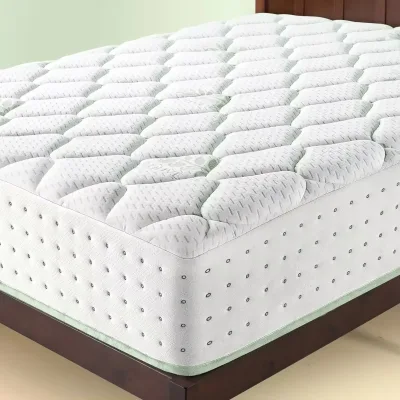


Factory Price Supplier Customized High Density Hybrid Memory Foam Mattress
$79.00 - $125.00
MOQ: 50 Pieces


Hybride Mattress Comfortable Soft Foam Mattress Pocket Spring Mattress
$100.00 - $200.00
MOQ: 20 Pieces

Comfortable Hybrid Mattress Foam Mattress with Independent Pocket Spring
$58.00 - $60.00
MOQ: 100 Rolls


Popular Comfortable High Density Foam Mattress in Box Order Online Cooling Hybrid
$78.00 - $80.00
MOQ: 100 Rolls

Standard Soft Memory Foam Hybrid Bed Mattress with Supportive Hotel Pocket Spring
$59.00 - $99.00
MOQ: 100 Pieces


10 Inch Memory Foam Hybrid Twin Mattress - Heavier Coils for Durable Support
$60.00 - $95.00
MOQ: 100 Pieces


Hybrid Bed Mattress Memory Foam Pocket Spring Mattress Compress Latex Mattress
$89.00 - $179.00
MOQ: 1 Pieces
Comprehensive Sourcing Guide
Strategic Sourcing Guide for Hybrid Memory Foam Mattresses
Understanding the Hybrid Memory Foam Mattress Category
The Hybrid Memory Foam Mattress represents a sophisticated convergence of support systems and comfort layers, designed to address the diverse needs of modern sleepers in residential and commercial environments. In the B2B procurement landscape, this category is defined by the integration of independent spring coils, which provide structural support and airflow, with layers of memory foam that offer contouring pressure relief. This combination aims to mitigate the heat retention issues often associated with all-foam beds while avoiding the motion transfer problems common in traditional innerspring designs.
When sourcing these products, buyers must recognize that "hybrid" is a functional description rather than a single standardized specification. The core value proposition lies in the synergy between the spring core and the foam top layers. Market observations indicate that these units are frequently marketed for use in hotels, homes, schools, hospitals, and office buildings, reflecting their versatility across high-traffic and private settings. The typical design style observed in current listings leans heavily toward modern aesthetics, often featuring velvet covers or knitted fabrics to enhance the tactile experience and visual appeal.
For procurement professionals, the initial step involves defining the specific performance requirements of the target market. Whether the end-user is an adult requiring orthopedic support or a hospitality guest needing durability, the hybrid configuration offers a balanced solution. The material composition typically includes memory foam as a primary comfort layer, often paired with other foam types like latex or polyurethane, and a spring system that may vary in gauge and count. Understanding this material matrix is crucial before engaging with suppliers, as the specific blend dictates the final product's feel, longevity, and price point.
Technical Specifications and Dimensional Standards
Technical due diligence is paramount when evaluating hybrid memory foam mattresses, as specifications vary significantly between manufacturers. The physical dimensions of these products are a primary differentiator, with standard sizes often adhering to industry norms such as Queen, King, Twin XL, or Single sizes. Specific product data indicates common dimensions like 1.8m x 2.0m and 1.5m x 2.0m, alongside smaller configurations such as 90cm x 200cm or 100cm x 150cm. Buyers must verify that the supplier can accommodate the specific size requirements of their distribution channels, as some manufacturers offer customization while others are limited to standard runs.
Thickness is another critical technical parameter that influences both comfort and shipping logistics. Observed data suggests a range of thickness profiles, with some units falling under 15 cm and others reaching up to 25 cm. The thickness directly correlates with the density of the foam layers and the height of the spring system. For instance, a 25 cm profile likely indicates a substantial comfort layer of memory foam atop a robust coil base, whereas a thinner profile might prioritize portability or specific bed frame compatibility. The "Medium" thickness classification is frequently cited, suggesting a balanced approach between support and cushioning, though buyers should request detailed layer breakdowns to confirm the actual foam density and spring gauge.
The hardness or firmness level is equally variable, with market listings showing options ranging from "Soft" to "Medium" and beyond. This attribute is subjective and depends heavily on the specific foam formulation and the tension of the springs. A "Soft" rating might be suitable for side sleepers or lighter individuals, while a "Medium" hardness is generally preferred for general hotel use or back sleepers. Procurement teams must ensure that the product samples provided match the intended hardness profile for the target demographic. Additionally, the shape is predominantly rectangular, adhering to standard bedding norms, but the internal construction—such as the arrangement of the springs (e.g., pocketed vs. continuous) and the zoning of the foam—requires detailed technical review.
Compliance, Certifications, and Safety Standards
In the global mattress trade, compliance with safety and environmental standards is non-negotiable, particularly for products destined for schools, hospitals, and hotels. While specific certification documents are not universally listed in general product summaries, buyers must verify that the memory foam and other materials meet recognized safety benchmarks. The presence of "Hypo-Allergenic" features is a common claim, indicating that the product is designed to resist allergens, which is a significant selling point for healthcare and hospitality sectors. However, this claim should be substantiated by third-party testing reports rather than supplier assertions alone.
Buyers should specifically inquire about certifications related to fire safety, as many jurisdictions mandate specific flame retardancy standards for bedding. Although specific standard names are not provided in the general data, the expectation is that products sold in major markets will comply with local fire codes. Furthermore, the environmental impact of the foam and the springs is a growing concern. Buyers should request documentation regarding the sourcing of raw materials, ensuring that the memory foam is free from harmful volatile organic compounds (VOCs) and that the springs are manufactured using sustainable practices.
The "Warranty" period is a strong indicator of a manufacturer's confidence in their product's durability. Observed warranty terms range from two years to ten years, with some listings extending up to fifteen years. A longer warranty period often implies higher quality control and better material resilience. However, buyers must scrutinize the terms of these warranties, as they often contain exclusions for commercial use or specific types of wear. For B2B contracts, a ten-year warranty is a robust benchmark, suggesting the supplier expects the product to maintain its structural integrity for a decade under normal usage conditions.
Cost Drivers and Pricing Dynamics
The pricing of hybrid memory foam mattresses is influenced by a complex interplay of material costs, manufacturing complexity, and logistical factors. The observed price range in the market spans from approximately $3.45 to $250, a wide disparity that reflects differences in quality, brand positioning, and order volume. The lower end of this spectrum likely corresponds to basic models with thinner foam layers, standard spring counts, and minimal branding, while the higher end represents premium units with advanced foam technologies, reinforced spring systems, and luxury finishes like velvet covers.
Material costs are a primary driver of the final price. Memory foam, particularly high-density variants, is more expensive than standard polyurethane foam. Similarly, the type of spring system—whether pocketed coils or bonnell coils—significantly impacts the cost. The inclusion of additional features, such as a knitted fabric cover or a specific design style, also adds to the production expense. Buyers should understand that the "Hybrid" designation alone does not guarantee a specific price point; the internal composition is the true determinant of value.
Order volume plays a critical role in pricing, as indicated by the Minimum Order Quantity (MOQ) ranges observed in the market, which vary from 1 to 100 units. Suppliers often offer tiered pricing structures where the unit cost decreases as the order volume increases. For large-scale procurement, such as outfitting a hotel chain or a hospital network, negotiating based on volume is essential. Additionally, customization options, such as logo printing or specific size modifications, can influence the final cost. The "Customization" attribute is widely available, but buyers should be aware that custom orders may incur higher per-unit costs and longer lead times compared to standard stock items.
Supplier Evaluation and Production Capabilities
Selecting the right supplier requires a thorough evaluation of their production capabilities, location, and reliability. The majority of the observed product data points to China, specifically the Zhejiang region, as a primary manufacturing hub. This concentration of suppliers offers buyers access to a mature supply chain with extensive experience in mattress production. However, buyers must verify the specific factory location and capacity to ensure they can meet their volume requirements and delivery schedules.
The "Delivery Time" is a critical factor in supply chain planning, with observed lead times ranging from 25 to 30 days. This timeframe includes production, quality control, and packaging. Buyers should confirm whether this lead time is consistent for standard orders or if it varies based on order size and customization requirements. Additionally, the "Single Package Size" and "Single Gross Weight" are vital for logistics planning. For example, a unit with a gross weight of 25 kg and dimensions of 150x33x33 cm will have different shipping implications compared to a lighter, more compact unit. Understanding these logistics parameters helps in calculating the total landed cost, including freight and handling fees.
Supplier reliability is also assessed through their packaging standards. Most suppliers utilize "Carton Box" or "Compress and Roll Pack" methods to protect the product during transit. The "Compress and Roll" technique is particularly advantageous for reducing shipping volume and costs, as it allows the mattress to be shipped in a smaller box and expanded upon arrival. Buyers should verify that the supplier has a proven track record of maintaining product integrity through this compression process, ensuring that the foam does not suffer permanent deformation. Furthermore, the availability of "Logo" customization indicates a supplier's willingness to engage in branding partnerships, which is often a requirement for B2B buyers looking to establish their own brand identity.
Quality Control and Long-Term Procurement Considerations
Implementing a robust quality control (QC) protocol is essential for maintaining product consistency and minimizing returns. Given the mechanical nature of hybrid mattresses, QC should focus on the integrity of the spring system, the density and resilience of the foam layers, and the durability of the cover material. Buyers should request pre-shipment inspection reports that detail the results of critical tests, such as compression force deflection (CFD) for foam and tensile strength for the fabric. The "Condition" of the product is listed as "New," but this must be verified upon receipt to ensure no damage occurred during shipping or storage.
Long-term procurement considerations extend beyond the initial purchase to include after-sales support and warranty management. The warranty terms, ranging from two to fifteen years, should be clearly understood and integrated into the procurement contract. For commercial buyers, such as hotel operators, the warranty should cover commercial use, which often differs from residential warranties. Additionally, the "Age Group" specification, typically listed as "Adults," suggests that the product is designed for mature sleepers, but buyers should verify if the product is suitable for other demographics if their business model includes family accommodations or pediatric facilities.
Sustainability and end-of-life disposal are also becoming important factors in procurement decisions. Buyers should inquire about the recyclability of the materials used, particularly the foam and springs. The "Cover material" being listed as "Other" or "Knitted Fabric" requires clarification on the fiber composition to ensure it aligns with the buyer's sustainability goals. Finally, maintaining a relationship with a supplier who offers consistent quality and responsive support is crucial for long-term success. Regular audits and performance reviews can help ensure that the supplier continues to meet the evolving needs of the buyer's business.
Comparative Analysis of Product Attributes
To facilitate decision-making, buyers can utilize a comparative analysis of key product attributes observed in the market. The following table summarizes the typical variations found in hybrid memory foam mattresses, highlighting the range of options available to procurement professionals.
| Attribute | Common Variations | Procurement Consideration |
|---|---|---|
| Size | 1.52.0m, 1.82.0m, 9020025, 10015010 | Verify compatibility with existing bed frames and room dimensions. |
| Thickness | < 15 cm, Medium, 25 cm | Thicker models offer more comfort but increase shipping volume. |
| Hardness | Soft, Medium | Match firmness to target user demographics (e.g., side vs. back sleepers). |
| Warranty | 2 Years, 10 Years, 10-15 Years | Longer warranties indicate higher confidence in product durability. |
| Packing | Carton Box, Compress and Roll | Roll packing reduces freight costs but requires verification of foam recovery. |
| Origin | China, Zhejiang | Localize suppliers for faster lead times or consider global logistics costs. |
| Material | Memory Foam, Latex, Spring, Hybrid | Ensure the foam density meets comfort and support requirements. |
| Cover | Velvet, Knitted Fabric, Polyester | Select fabric based on aesthetic preferences and durability needs. |
This comparative overview underscores the importance of aligning product specifications with specific business needs. By carefully evaluating these attributes, buyers can make informed decisions that balance cost, quality, and performance. The Hybrid Memory Foam Mattress market offers a diverse array of options, and a strategic approach to sourcing will ensure that the selected products deliver value and satisfaction to end-users.
FAQs
What customization options are available for hybrid memory foam mattresses?
Customization is available for these products, allowing buyers to request specific features. Suppliers can adjust logos, sizes, and packaging methods like compression or roll packing to meet unique brand requirements.
Which warranty periods are typically offered for hybrid memory foam mattresses?
Warranty periods vary significantly, ranging from two years up to fifteen years depending on the model. Longer warranties often indicate higher confidence in material durability and structural integrity for long-term use.
How does the thickness of hybrid memory foam mattresses affect shipping?
Thickness profiles range from under 15 cm to 25 cm, directly influencing package dimensions and weight. Thinner units may be easier to ship, while thicker models often require robust carton packaging to prevent damage.
Can buyers find hybrid memory foam mattresses with specific hardness levels?
Yes, products are available in soft and medium hardness levels to suit different sleep preferences. Buyers should verify the specific firmness rating of the foam and spring system before placing bulk orders.
What are the standard size options for hybrid memory foam mattresses?
Standard sizes include 1.8 by 2.0 meters, 1.5 by 2.0 meters, and 90 by 200 centimeters. Custom dimensions are also possible, but buyers must confirm availability with the manufacturer before finalizing specifications.
Which materials are commonly used for the cover of hybrid memory foam mattresses?
Common cover materials include knitted fabric, polyester, and velvet. These fabrics are selected for durability and comfort, often featuring hypo-allergenic properties to enhance the sleeping experience for various users.
What is the typical lead time for ordering hybrid memory foam mattresses?
The delivery time typically ranges from 25 to 30 days for standard orders. This timeframe accounts for production, quality control, and packaging, though customization may extend the schedule slightly.