Source Hybrid Side Bumper Spacer for Car Body Protection
Find 30 Hybrid Side Bumper Spacer options for vehicle protection and styling. Compare materials like ABS, plastic, and rubber, along with customization services and OEM capabilities from Chinese manufacturers; compare the available evidence and request quotations based on your requirements.
Key considerations
Products List


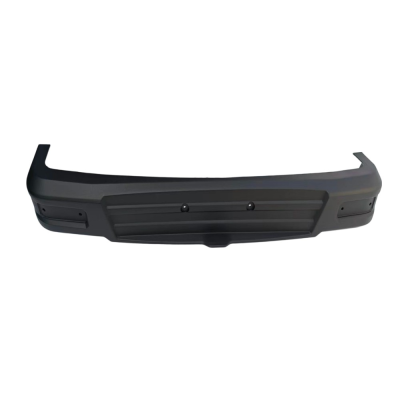
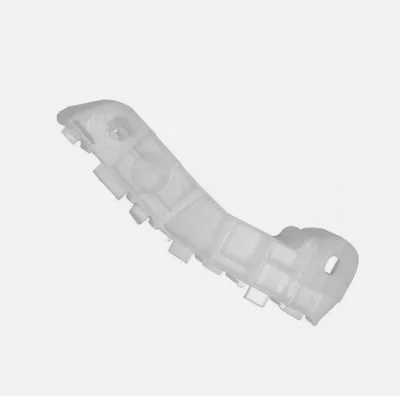
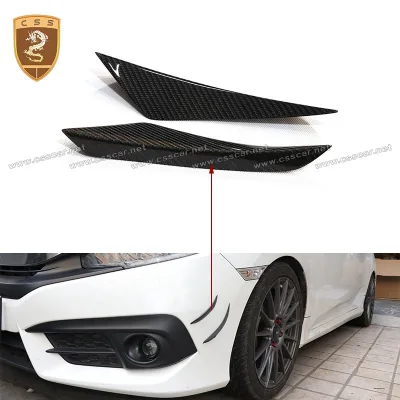
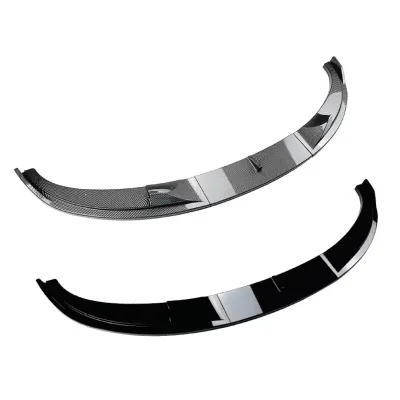
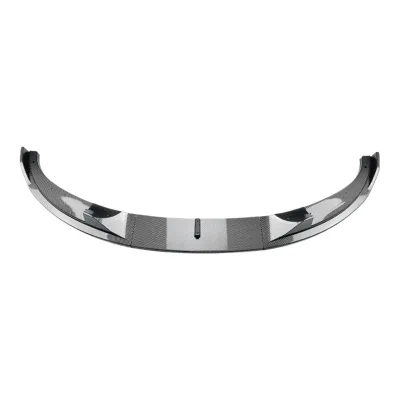
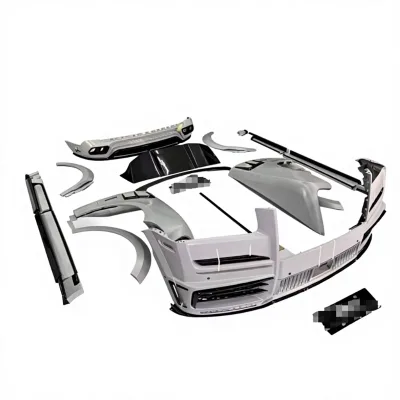


Comprehensive Sourcing Guide
Hybrid Side Bumper Spacer Sourcing Guide
Procuring hybrid side bumper spacers requires a nuanced understanding of material composition and functional integration, as these components often bridge the gap between aesthetic enhancement and structural protection. Buyers must recognize that "hybrid" typically implies a combination of materials, such as ABS plastic reinforced with rubber or adhesive backing, to balance durability with ease of installation. The observed market data indicates a wide variance in product attributes, ranging from pure plastic bumpers to rubberized edge protectors, necessitating careful specification alignment. Sourcing teams should prioritize suppliers who clearly define the material matrix, ensuring the spacer meets both the mechanical stress requirements of vehicle dynamics and the visual standards of the final assembly.
Commercial availability signals suggest a diverse supplier base, primarily originating from Guangdong, China, offering both universal fitments and customized OEM solutions. The presence of self-adhesive tapes, such as 3M backing, alongside rigid plastic or carbon fiber elements, indicates that installation methods vary significantly across product lines. Buyers should verify whether the spacer is designed for direct bolt-on application or adhesive bonding, as this dictates the required surface preparation and tooling on the assembly line. Understanding these installation mechanics is critical for estimating labor costs and ensuring that the hybrid design does not compromise the vehicle’s aerodynamic profile or safety integrity during minor impacts.
Product Scope and Observed Listing Signals
The current market landscape for hybrid side bumper spacers reveals a broad spectrum of product types, including front bumpers, rear fender extensions, and universal side skirts. Listings frequently highlight customization options, allowing buyers to tailor dimensions and colors to specific vehicle models or brand identities. Common materials observed include ABS plastic, carbon fiber, and EPDM rubber, each offering distinct advantages in terms of weight, flexibility, and impact resistance. The presence of universal applications suggests that many spacers are designed for aftermarket modification rather than strict OEM replacement, requiring buyers to assess fitment accuracy carefully before committing to large volume orders.
Packaging and shipping specifications vary widely, reflecting the diverse nature of the products, from small cardboard boxes for individual pieces to rolls for adhesive strips. Some suppliers offer specialized packaging like OPP bags or palletized cartons, which can influence logistics planning and storage requirements. The observed price range is extensive, indicating that cost is heavily influenced by material quality, customization complexity, and order volume. Buyers should note that features such as easy installation and decorative functions are commonly advertised, but these claims must be validated through sample testing to ensure they align with practical usage scenarios and long-term durability expectations.
Technical Specifications to Verify
Verifying technical specifications is paramount when sourcing hybrid side bumper spacers, particularly regarding material composition and dimensional accuracy. Buyers must confirm whether the product is constructed from ABS plastic, carbon fiber, or rubber composites, as each material behaves differently under thermal and mechanical stress. Dimensions such as length, width, and thickness should be cross-referenced with vehicle models to ensure proper fitment, especially for universal applications. The inclusion of self-adhesive tapes, like 3M backing, requires verification of adhesive strength and temperature resistance to prevent delamination during extreme weather conditions or high-speed driving.
Additional technical details, such as orientation (left or right) and specific model codes, are crucial for avoiding assembly errors. Suppliers often provide standard sizes, but customization options allow for tailored solutions that may require additional engineering validation. Buyers should request detailed technical drawings or CAD files to verify mounting points and clearance requirements. It is also essential to confirm the condition of the product, ensuring it is new and free from manufacturing defects that could compromise its structural integrity or aesthetic appeal. Clear communication of these specifications helps prevent costly returns and ensures seamless integration into the vehicle’s bodywork.
Compliance and Safety Documentation
Compliance and safety documentation are critical for ensuring that hybrid side bumper spacers meet regulatory standards and industry best practices. Buyers should verify that suppliers hold relevant certifications, such as ISO or CE, which indicate adherence to quality management and safety standards. These certifications provide assurance that the manufacturing processes are controlled and that the products have undergone necessary testing for durability and performance. Additionally, buyers must ensure that the materials used, such as ABS or rubber, comply with environmental regulations and do not contain hazardous substances that could pose risks during production or disposal.
Safety considerations also extend to the installation process, particularly when adhesive tapes or complex mounting systems are involved. Buyers should review technical data sheets to understand the recommended installation procedures and any safety warnings associated with the product. It is important to verify that the spacers do not interfere with vehicle safety systems, such as sensors or airbags, and that they maintain the structural integrity of the bumper in the event of a collision. Clear documentation of these compliance aspects helps mitigate legal risks and ensures that the products can be legally sold and installed in target markets.
Cost Drivers and Commercial Terms
Cost drivers for hybrid side bumper spacers include material selection, customization complexity, and order volume. Premium materials like carbon fiber or high-grade ABS typically command higher prices due to their superior performance and aesthetic appeal. Customization options, such as specific colors or dimensions, can also increase costs due to the additional engineering and production steps required. Buyers should negotiate commercial terms that reflect these variables, seeking volume discounts for larger orders while maintaining quality standards. Understanding the cost structure helps in budgeting accurately and identifying opportunities for cost optimization without compromising product quality.
Payment terms, lead times, and shipping methods are also significant factors in the overall cost of procurement. Suppliers may offer flexible payment options, such as partial upfront payments or letters of credit, to facilitate large transactions. Lead times can vary based on production capacity and customization requirements, so buyers should plan accordingly to avoid production delays. Shipping costs, influenced by packaging style and weight, should be factored into the total cost analysis. Clear communication of these commercial terms ensures transparency and helps build a sustainable supply chain relationship with suppliers.
Supplier Qualification and Quality Control
Supplier qualification is a critical step in sourcing hybrid side bumper spacers, requiring a thorough assessment of manufacturing capabilities and quality control processes. Buyers should evaluate suppliers based on their experience, production capacity, and ability to meet specific technical requirements. Requesting samples is essential to verify product quality, fitment, and material integrity before committing to large orders. Suppliers with a proven track record of delivering high-quality products and meeting deadlines are preferred, as they reduce the risk of supply chain disruptions. Additionally, buyers should assess the supplier’s responsiveness and communication skills to ensure smooth collaboration throughout the procurement process.
Quality control measures, such as incoming material inspections, in-process checks, and final product testing, are vital for maintaining consistency. Buyers should inquire about the supplier’s quality management systems and how they handle defects or non-conforming products. Establishing clear quality standards and acceptance criteria helps ensure that the received goods meet expectations. Regular audits and performance reviews can further enhance supplier reliability and drive continuous improvement. By prioritizing supplier qualification and robust quality control, buyers can secure a steady supply of high-quality hybrid side bumper spacers that meet their operational needs.
Long-Term Procurement Checks
Long-term procurement checks involve ongoing monitoring of supplier performance, product quality, and market trends to ensure sustained value. Buyers should establish key performance indicators (KPIs) to track delivery times, defect rates, and customer satisfaction, using this data to drive supplier improvements. Regular feedback loops with suppliers help address issues promptly and foster a collaborative relationship. Additionally, staying informed about industry developments, such as new materials or technologies, allows buyers to adapt their sourcing strategies and maintain a competitive edge. Continuous evaluation ensures that the procurement process remains efficient and aligned with business objectives.
Risk management is also crucial for long-term success, requiring buyers to identify and mitigate potential supply chain disruptions. Diversifying the supplier base and maintaining safety stock can help buffer against unexpected shortages or price fluctuations. Buyers should also consider the environmental and social impact of their sourcing decisions, aligning with corporate sustainability goals. By implementing robust long-term procurement checks, buyers can build a resilient supply chain that supports growth and innovation while minimizing risks and costs. This proactive approach ensures that hybrid side bumper spacers continue to meet evolving market demands and quality standards.
FAQs
What materials are used for hybrid side bumper spacers?
Hybrid side bumper spacers are commonly made from plastic, ABS, carbon fiber, or 100% Edpm rubber. These materials ensure durability and protection for the car body while offering customization options for specific vehicle models and aesthetic preferences.
Can I customize the size of the bumper spacer?
Yes, customization is available for bumper spacers to fit various car models. Standard dimensions include 1.5m by 3.5cm, but buyers can request specific sizes like 75mm to 200mm depending on their vehicle requirements and design needs.
How are these bumper spacers packaged for shipping?
Packaging varies by product type, often using cardboard boxes, OPP bags, or rolls. Some items come in small boxes with 30 units per carton, while others use ctns plus pallets to ensure safe transport and protection during international shipping.
Which certifications do these auto parts typically hold?
Many hybrid side bumper spacers hold ISO and CE certifications to ensure quality and safety standards. These certifications verify that the products meet international requirements for automotive accessories and provide assurance of reliability for global buyers.
What is the typical lead time for orders?
Lead times depend on order volume and customization needs, with MOQs ranging from 1 to 500 units. Buyers should confirm specific timelines with suppliers, as production schedules vary based on material availability and factory capacity in Guangdong, China.
Are these spacers suitable for universal car models?
Yes, many hybrid side bumper spacers are designed for universal application across various car models. They fit trunk, roof, bonnet, and hatch gate areas, offering versatile protection and decoration for a wide range of vehicles without specific model restrictions.
How do I install the bumper spacer on my car?
Installation is designed to be easy, often utilizing 3m self-adhesive tape for quick attachment. The process requires no special tools, allowing users to apply the spacer directly to the rear fender or side skirts for immediate protection and aesthetic enhancement.