Source Hybrid Electric Levin Sedan for Fleet and Rental Use
Explore 30 listings for the Hybrid Electric Levin Sedan, featuring 5-seat configurations and automatic gearboxes. Compare specifications like wheelbase and tire sizes to find suitable models for commercial or personal transportation needs; compare the available evidence and request quotations based on your requirements.
Key considerations
Products List


Hybrid Left Steering Auto Electric Vehicle Used Electric Sedan EV Cars
$64000.00 - $75000.00
MOQ: 1 Pieces


Premium Eco-Friendly Hybrid Sedan: Stylish Electric Vehicle From China
$64000.00 - $75000.00
MOQ: 1 Pieces


Gray Left-Hand Drive Hybrid Sedan - Eco-Friendly Electric & Gasoline Vehicle
$47000.00 - $54200.00
MOQ: 1 Pieces


2024 Levin Dual Engine 1.8L 98PS L4 E-CVT Oil Electric Hybrid Petrol Compact Sedan
$13000.00 - $17000.00
MOQ: 1 Pieces


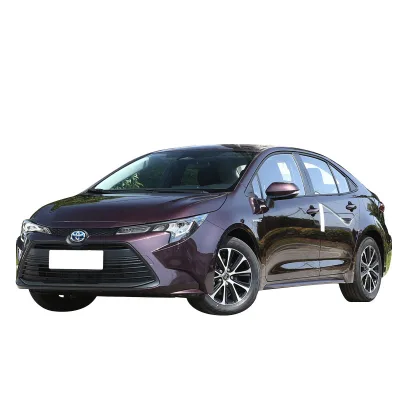
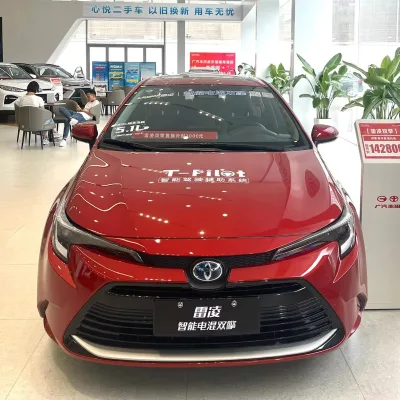
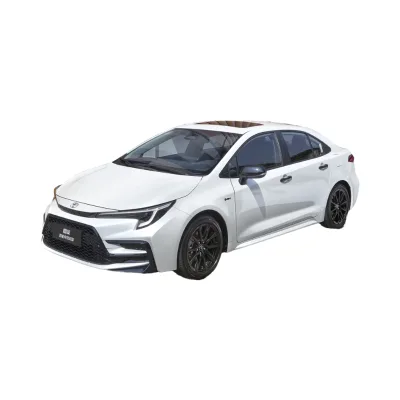
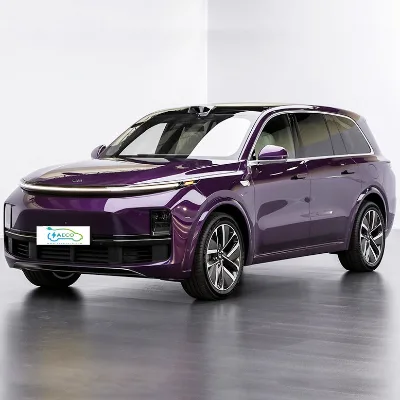
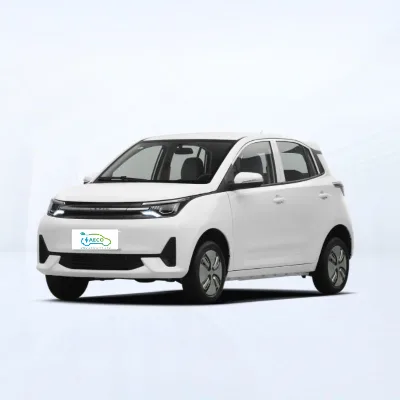


2023 Levin Intelligent Electric Hybrid Twin Engine 1.8L Leader used car
$9800.00 - $14000.00
MOQ: 1 Pieces
Chengdu Himore Zhonghuan Automobile Exports Trading Co., Ltd.


China Factory Fuel Saving Plug-in Hybrid Sedan for Global Wholesale Trade
$16500.00 - $22500.00
MOQ: 1 A vehicle

Cost Effective Hybrid Car Stylish Spacious Family Sedan Ready for Export Shipment
$16500.00 - $22500.00
MOQ: 1 A vehicle
Comprehensive Sourcing Guide
Hybrid Electric Levin Sedan Sourcing Guide
Sourcing a Hybrid Electric Levin Sedan requires careful navigation of the Chinese automotive export market, where terminology and specifications can vary significantly between suppliers. The core keyword "Levin" typically refers to a specific model line, often associated with Toyota’s global platform, but in the context of cross-border trade, it may also denote locally assembled or rebadged variants that share similar architectural DNA. Buyers must distinguish between genuine OEM exports and parallel trade goods, as the latter may lack full manufacturer warranty coverage or standardized service support. Understanding this distinction is critical for ensuring that the vehicle meets the intended operational requirements and regulatory standards of the destination market.
The procurement process for these sedans involves verifying the exact powertrain configuration, as "hybrid" can encompass various technologies from mild hybrids to full plug-in hybrids. The supplied data indicates a fuel type of "Hybrid" and "Electric and Gasoline," suggesting a dual-power capability that appeals to markets seeking fuel efficiency without range anxiety. However, buyers should not assume all listings labeled as "Levin" share identical battery capacities or electric motor outputs. Due diligence is required to confirm whether the vehicle operates primarily on electric power at low speeds or if the gasoline engine serves as the primary driver with electric assistance. This verification step directly impacts the total cost of ownership and the suitability of the vehicle for specific urban or highway driving profiles.
Product Scope and Observed Listing Signals
The observed product scope reveals a diverse range of sedan listings, with prices fluctuating between $5,500 and $75,000 USD, indicating a wide spectrum from basic models to high-end variants. The minimum order quantity (MOQ) ranges from 1 to 4 units, suggesting flexibility for both individual buyers and small fleet operators. Listings frequently highlight attributes such as "New" condition, "Automatic" gearbox, and "FWD" (Front-Wheel Drive) configurations, which are standard for this class of vehicle. The presence of "Customization" options allows buyers to tailor exterior colors and interior features, though the extent of this customization must be clarified with the supplier before committing to an order.
Visual and structural attributes observed in the listings include body styles described as "Sedan" and "Closed," with exterior colors ranging from Black, White, Red, to Gray. The wheelbase measurements vary, with some listings specifying 2825mm and others 2705mm, which may indicate different model years or trim levels. Tire sizes are noted as 245/45 R20 and 235/50 R18, reflecting differences in wheel diameter and profile that affect ride comfort and handling. Buyers should treat these specifications as observations rather than universal truths for all "Levin" sedans, as suppliers may list multiple variants under a single product title. Verifying the exact model year and production batch is essential to ensure consistency across a potential multi-unit purchase.
Technical Specifications to Verify
Technical verification must focus on the powertrain and chassis details, as these define the vehicle’s performance and efficiency. The supplied data mentions a displacement of 2500-4000CC, which seems inconsistent with typical hybrid sedans that often have smaller engines; this discrepancy requires immediate clarification with the supplier. Additionally, the maximum power is listed as 175kw and 153kw, while torque is noted as 258nm. Buyers should request detailed engine and motor charts to understand how the gasoline and electric systems interact. The braking system is described as "Electromagnetic" with "Disc" brakes, which is a specific configuration that may differ from conventional hydraulic systems, necessitating a review of maintenance requirements and parts availability.
Battery and energy storage specifications are critical for hybrid vehicles, with "Ternary Lithium Battery" cited as the battery type. This chemistry offers high energy density but requires specific handling and charging protocols. The fuel tank capacity is observed to be 55-62L, which supports extended range capabilities. Buyers should verify the battery’s state of health (SOH) for used or demo units, or the warranty terms for new units. Furthermore, the curb weight ranges from 1603kg to 1780kgs, which impacts fuel economy and tire wear. Confirming the exact weight distribution and suspension tuning is advisable, as these factors influence ride quality and handling dynamics, especially on varied road conditions.
Compliance and Safety Documentation
Compliance with destination market regulations is non-negotiable for importing vehicles, and buyers must ensure that the Levin sedan meets all local safety and emissions standards. The listings mention "ISO" management certification, which indicates a level of organizational quality control but does not certify the vehicle itself for road use. Buyers must obtain the Certificate of Conformity (COC) or equivalent documentation that proves the vehicle meets specific regional standards, such as Euro 6 emissions or local crash safety ratings. Without these documents, the vehicle may be ineligible for registration or insurance in the buyer’s country, leading to significant financial losses.
Safety features observed in the listings include ABS (Antilock Braking System) and rear radar, which are essential for modern driving safety. However, the completeness of the safety suite, including airbag count, electronic stability control, and advanced driver-assistance systems (ADAS), must be explicitly confirmed. The "Road Conditions: off-Road" attribute is unusual for a sedan and may indicate a marketing exaggeration or a specific all-weather capability rather than true off-road prowess. Buyers should request a detailed equipment list to verify the presence of critical safety technologies. Additionally, ensuring that the vehicle’s lighting systems comply with local regulations regarding beam patterns and color temperature is necessary to avoid legal issues during inspection.
Cost Drivers and Commercial Terms
Cost drivers for hybrid electric sedans include the battery technology, powertrain complexity, and the level of customization requested. The wide price range observed suggests that factors such as model year, mileage (for demo units), and included accessories significantly impact the final price. Buyers should analyze the total landed cost, which includes the vehicle price, international shipping, insurance, import duties, and local registration fees. The "Roll-on-Roll-off Ship" and "Nude Packing" options indicate different shipping methods, each with distinct cost implications and risk profiles. Nude packing may reduce shipping costs but requires the buyer to handle additional logistics for protection during transit.
Commercial terms such as payment methods, warranty coverage, and after-sales support are crucial components of the procurement agreement. Buyers should negotiate clear terms for defect resolution and spare parts supply, especially for hybrid-specific components like inverters and battery management systems. The availability of "Customization" may incur additional costs and extend lead times, so these factors must be factored into the budget and timeline. It is advisable to secure a detailed invoice that itemizes all costs to facilitate customs clearance. Understanding the supplier’s return policy and the validity of any manufacturer warranty in the destination country is essential to mitigate financial risk.
Supplier Qualification and Quality Control
Supplier qualification is the first line of defense against procurement risks, requiring a thorough assessment of the supplier’s legitimacy and operational capacity. Buyers should verify the supplier’s business license, export credentials, and history of transactions on B2B platforms. The mention of "China" as the origin point necessitates checking for any trade restrictions or tariffs that may apply to automotive imports from that region. Engaging with suppliers who have established track records in exporting similar vehicles reduces the risk of fraud or non-delivery. Requesting references from previous international clients can provide valuable insights into the supplier’s reliability and communication effectiveness.
Quality control measures must be implemented before shipment to ensure the vehicle meets the agreed-upon specifications. Buyers should consider hiring third-party inspection services to conduct pre-shipment inspections, focusing on mechanical condition, electrical systems, and cosmetic integrity. For hybrid vehicles, this includes testing the battery charge cycles and verifying the functionality of the electric motor. The "New" condition claim should be validated through odometer readings and service history checks. Establishing a clear quality acceptance criteria in the contract allows for recourse if the delivered vehicle deviates from the sample or description. Regular communication with the supplier during the production or sourcing phase helps identify and resolve issues early.
Long-Term Procurement Checks
Long-term procurement success depends on establishing a sustainable supply chain that can adapt to changing market conditions and regulatory environments. Buyers should monitor trends in hybrid technology, such as the shift towards plug-in hybrids or pure electric vehicles, to ensure their inventory remains relevant. Building a relationship with a reliable supplier can facilitate better pricing and priority access to new models. Regularly reviewing the performance of previously purchased vehicles in the field provides feedback for future procurement decisions. This continuous improvement loop helps optimize the balance between cost, quality, and feature set.
After-sales support and parts availability are critical for maintaining customer satisfaction and brand reputation in the destination market. Buyers must ensure a steady supply of spare parts, particularly for hybrid-specific components that may have longer lead times. Developing a local service network or partnering with existing automotive service providers can enhance the value proposition for end-users. Tracking regulatory changes in emissions and safety standards allows for proactive adjustments in procurement strategies. By focusing on long-term partnerships and operational excellence, buyers can mitigate risks and capitalize on the growing demand for efficient, hybrid electric sedans.
FAQs
What is the wheelbase of the hybrid Levin sedan?
The wheelbase is 2705mm. This dimension contributes to a stable ride and provides adequate interior legroom for five passengers. The 4-door 5-seat sedan body structure ensures practical daily use while maintaining a compact exterior footprint suitable for urban environments.
Can the hybrid Levin sedan be customized?
Yes, customization is available for this model. Buyers can select from various exterior colors including black, white, and red. The vehicle supports both electric and gasoline fuel types, allowing for tailored powertrain configurations to meet specific operational or personal preferences.
What is the maximum power output of this sedan?
The maximum power output is 153kw. This performance level supports efficient acceleration and highway cruising. Combined with the automatic gearbox and front-wheel drive system, the vehicle delivers balanced handling and responsive power delivery for typical sedan driving conditions.
Which tire size is fitted to the Levin sedan?
The tire size is 235/50 R18. This specification ensures optimal grip and stability for the 4-door 5-seat sedan. The tires complement the disc brake type and electromagnetic braking system, providing reliable stopping power and safe handling across various road conditions.
What is the curb weight of the hybrid Levin?
The curb weight ranges from 1603kg to 1695kg depending on the specific configuration. This weight range supports the 2500-4000CC displacement equivalent electric powertrain. The balanced weight distribution enhances fuel efficiency and handling dynamics for the hybrid electric sedan.
How is the Levin sedan packed for shipping?
The Levin sedan is packed using nude packing methods. This approach minimizes packaging material and protects the vehicle during transit. The condition is new, and the product origin is China, ensuring direct sourcing from manufacturing facilities with standardized export procedures.