Source Hydraulic Diaphragm Collet for CNC Lathe Excavator
Find 30 listings for Hydraulic Diaphragm Collet designed for CNC lathe and energy mining applications. Buyers can compare specifications like clamping precision, repeatability, and working pressure from verified Chinese manufacturers offering new condition products with customizable options.
Key considerations
Products List


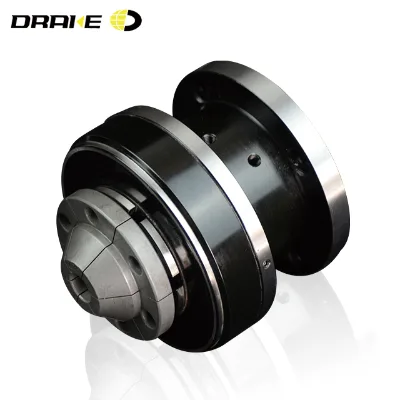
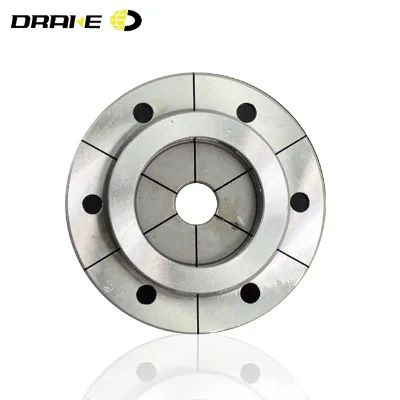
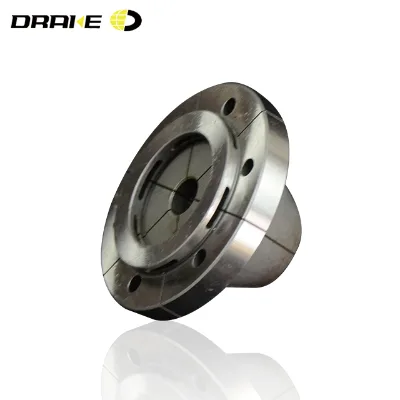


High-Quality Rubber Diaphragm for Enhanced Chemical Resistance and Strength
$0.95 - $1.00
MOQ: 1000 Pieces


Comprehensive Sourcing Guide
Strategic Sourcing Guide for Hydraulic Diaphragm Collet Systems
The procurement of Hydraulic Diaphragm Collet systems represents a critical decision point for manufacturing operations seeking to enhance precision, stability, and operational efficiency in high-speed machining environments. Unlike traditional mechanical collets, hydraulic diaphragm variants utilize fluid pressure to generate uniform clamping force, offering superior concentricity and reduced runout. For buyers navigating the global market, understanding the specific technical attributes, material compositions, and supplier capabilities is essential to ensure alignment with production requirements. This guide synthesizes available market data to provide a structured approach for sourcing these specialized components, focusing on verified specifications and practical evaluation criteria.
Technical Specifications and Operational Parameters
When evaluating hydraulic diaphragm collets, the primary focus must be on the mechanical and hydraulic parameters that define their performance envelope. The core mechanism relies on a diaphragm structure that deforms under pressure to grip the workpiece. In the current market, specific models such as the JA8-150 Pneumatic power Air diaphragm collet chuck demonstrate the high-precision capabilities expected in modern CNC applications. These units are engineered to achieve exceptional repeatability, with observed performance metrics indicating a repeatability of less than 0.001mm. This level of precision is vital for industries where tolerances are tight, such as aerospace and automotive component manufacturing.
The clamping precision is another critical specification, with verified data pointing to a clamping precision of 0.002mm for high-precision collet chucks. This metric ensures that the workpiece remains secure without distortion, maintaining the integrity of the machined surface. The clamping stroke, which dictates the range of motion for the collet jaws, is observed to be approximately 0.6mm in specific diaphragm models. This stroke length must be sufficient to accommodate the intended range of workpiece diameters while maintaining consistent force distribution.
Furthermore, the operational pressure range is a key differentiator. Standard pneumatic diaphragm collets typically operate within a working pressure range of 0.5 to 7 kg/cm². Buyers must verify that the hydraulic or pneumatic power supply in their facility can maintain this pressure consistently to avoid fluctuations in clamping force. The structure of these units often features a built-in cylinder, which simplifies the integration into existing machine tools by reducing the need for external piping or complex mounting arrangements. The number of jaws in these systems is typically defined by the diaphragm collet design, which allows for uniform radial force application.
Material Composition and Durability Factors
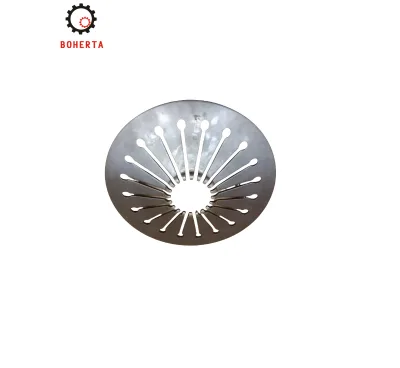
The longevity and reliability of hydraulic diaphragm collets are heavily dependent on the materials used in their construction. High-performance units are frequently manufactured from special alloy steel, a material chosen for its ability to withstand high clamping forces and resist wear over extended periods. This material selection ensures that the collets maintain their dimensional stability even under rigorous operating conditions. The diaphragm itself, which is the active component responsible for the clamping action, is often constructed from FPM (Fluoroelastomer) or similar high-grade elastomers. This material choice is critical for ensuring a leak-free performance and resistance to chemical degradation from coolants or lubricants.
In contrast, some components within the assembly, such as specific jaw types or housing elements, may be fabricated from plastic or other polymers to reduce weight or cost, though the primary load-bearing elements remain metallic. The quality of these materials directly influences the product's advertised attributes of being "wearable and stable" with a "long life." Buyers should request material certification or test reports to verify that the special alloy steel meets the required hardness and tensile strength standards for their specific application. The use of high-quality materials also contributes to the overall stability of the chuck, ensuring that vibration and heat do not compromise the clamping integrity during high-speed operations.
Compliance, Certification, and Quality Verification
Ensuring that sourced components meet international standards and quality benchmarks is a fundamental requirement for B2B procurement. While specific certification bodies may vary by region, the market data indicates that reputable suppliers provide machinery test reports as part of their standard documentation. These reports serve as empirical evidence of the product's performance under controlled conditions, validating claims regarding repeatability, clamping precision, and structural integrity. Buyers should explicitly request these test reports before finalizing any purchase to ensure the product matches the advertised specifications.
Additionally, the supply chain must adhere to standard export packing protocols to prevent damage during transit. Observed packaging details often include a multi-layered approach: an inner layer of polyethylene to protect the component from moisture and scratches, an outer paper case for structural support, and a final wooden case for heavy-duty shipping. This "Standard Export Packing" is designed to meet international logistics requirements and protect the precision surfaces of the collet chuck. Buyers should verify that the packaging details align with the shipping method and destination to avoid receiving damaged goods.
Cost Drivers and Supply Chain Dynamics
The pricing of hydraulic diaphragm collets is influenced by a complex interplay of factors, including material costs, manufacturing complexity, and supply chain logistics. The observed price range in the market is extensive, spanning from $0.10 to $9,561.52 USD. This wide variance reflects differences in model complexity, brand positioning, and the specific configuration of the unit. High-precision models with advanced features, such as the diaphragm hollow high precision collets for punching machines, command a premium due to their specialized engineering and tighter tolerances.
Supply ability is another significant cost driver. Suppliers with a robust production capacity, such as those capable of delivering 10,000 to 16,500 sets per month, can often offer more competitive pricing and better lead times. The minimum order quantity (MOQ) also plays a role, with observed ranges from 1 to 3,000 units. Buyers should negotiate based on their volume requirements, as larger orders often unlock better pricing tiers. The origin of the product, predominantly from China with specific hubs in Jiangsu, Shanghai, Qingdao, Ningbo, Tianjin, and Dalian, impacts shipping costs and lead times. Understanding these logistical variables is essential for accurate total cost of ownership calculations.
Typical Applications and Industry Suitability
Hydraulic diaphragm collets are versatile components designed for a wide array of industrial applications. The primary use cases include CNC lathes, punching machines, and general machining operations where high precision and stability are paramount. The observed applicability extends to the Energy & Mining sectors, as well as general manufacturing environments. The ability to handle both external and internal clamping types makes these collets suitable for a diverse range of workpiece geometries.
Specific models, such as the JD60 and J-120 chuck jaws, are tailored for specific machine configurations, offering flexibility in upgrading existing equipment. The high-speed capability of these units, with maximum speeds reaching up to 2,000 rpm, makes them ideal for high-efficiency machining processes. The "New Product 2020" marketing classification for some models suggests ongoing innovation and the availability of updated designs that incorporate the latest advancements in diaphragm technology. Buyers should match the specific model number and clamping range (e.g., 2-60mm or 6-80mm) to their production needs to ensure optimal performance.
Supplier Evaluation and After-Sales Support
Selecting the right supplier involves more than just comparing price and specifications; it requires a thorough evaluation of the supplier's support infrastructure and reputation. The market data highlights several key attributes that buyers should prioritize, such as the availability of after-sales services including video technical support and online support. These services are crucial for troubleshooting operational issues and ensuring minimal downtime. Suppliers that provide a warranty, typically ranging from 1 year, demonstrate confidence in their product quality and are better positioned to handle potential defects.
Core components, such as collet claws, should be easily replaceable, and the supplier should have a clear process for sourcing these parts. The brand name, whether it is a specific manufacturer like "IVY pneumatic collet chucks" or a distributor brand like "DRAKE," should be verified for authenticity and market standing. Buyers should also check the supplier's supply ability to ensure they can meet demand during peak production periods. A supplier with a consistent track record of providing machinery test reports and adhering to standard export packing is more likely to deliver a reliable product.
Long-Term Procurement and Maintenance Strategies
For sustainable procurement, buyers must consider the long-term maintenance and lifecycle management of hydraulic diaphragm collets. The "Long Life" attribute of these products is contingent upon proper maintenance and operation within the specified working pressure ranges. Regular inspection of the diaphragm material for signs of wear or leakage is essential to prevent catastrophic failure. The "No Leak" performance claim underscores the importance of selecting high-quality FPM diaphragms that resist degradation over time.
Buyers should establish a proactive maintenance schedule that includes checking the clamping precision and repeatability at regular intervals. Any deviation from the specified 0.001mm repeatability or 0.002mm clamping precision should trigger an immediate investigation. Customization options are available for many models, allowing buyers to tailor the collets to specific machine requirements, which can extend the useful life of the component. By focusing on quality, verification, and support, buyers can ensure that their investment in hydraulic diaphragm collets delivers consistent value over the long term.
Comparative Analysis of Key Product Attributes
To facilitate decision-making, the following table summarizes the key technical and operational attributes observed in the market for hydraulic diaphragm collets. This comparison highlights the critical parameters that buyers should verify against their specific requirements.
| Attribute | Observed Specification / Range | Significance for Procurement |
|---|---|---|
| Repeatability | < 0.001 mm | Critical for high-precision machining; ensures consistent part quality. |
| Clamping Precision | 0.002 mm | Determines the accuracy of the workpiece hold; vital for tight tolerances. |
| Max. Speed | 2000 rpm | Indicates suitability for high-speed CNC operations. |
| Working Pressure | 0.5 ~ 7 kg/cm² | Defines the required hydraulic/pneumatic system capacity. |
| Clamping Range | 2-60mm / 6-80mm | Must match the diameter of the workpieces to be machined. |
| Material | Special Alloy Steel / FPM | Ensures durability and resistance to wear and chemical exposure. |
| Clamping Type | External or Internal | Determines compatibility with different workpiece geometries. |
| Warranty | 1 Year | Provides assurance of product quality and supplier support. |
| Supply Ability | 10,000+ sets / Month | Indicates supplier capacity to meet large or urgent orders. |
| Origin | China (Jiangsu, etc.) | Influences lead times, shipping costs, and logistics planning. |
This comparative overview serves as a checklist for buyers to validate supplier claims against the observed market data. By systematically evaluating these attributes, procurement teams can make informed decisions that align with their operational goals and quality standards.
FAQs
What is the clamping precision of high precision collet chucks?
The clamping precision is 0.002mm for high precision collet chucks. This ensures the workpiece remains secure without distortion while maintaining the integrity of the machined surface during operation.
How fast can the diaphragm hollow high precision collets operate?
The maximum speed of the collet chuck is 2000 rpm. This high-speed capability makes the units ideal for high-efficiency machining processes in modern CNC applications.
Which materials are used for the diaphragm and body construction?
The body is constructed from special alloy steel while the diaphragm material is FPM. This combination ensures the collets maintain dimensional stability and resist chemical degradation from coolants.
Can buyers find customization options for these pneumatic collets?
Yes, customization is available for these products. Buyers can request specific packing requirements or model configurations to align with their unique production needs and machine tool setups.
What is the working pressure range for the pneumatic collet chuck?
The working pressure of the collet chuck ranges from 0.5 to 7 kg/cm². Buyers must verify that their facility's power supply can maintain this pressure consistently to avoid force fluctuations.
How long is the warranty period for the hydraulic diaphragm collets?
The warranty period is 1 Year for these products. This coverage demonstrates supplier confidence in product quality and provides protection against potential defects during the initial usage phase.
What is the repeatability performance of the diaphragm collet system?
The repeatability of the collet chuck is less than 0.001mm. This level of precision is vital for industries where tolerances are tight, such as aerospace and automotive component manufacturing.