Source Hydraulic Oil Pump for Excavators, Industrial, and Construction
Find and compare 28 Hydraulic Oil Pump options for excavators, industrial machinery, and construction equipment. Evaluate models like Bitzer, A10VSO, and gear pumps based on flow rate, pressure, and customization needs to find the right fit for your application.
Key considerations
Products List
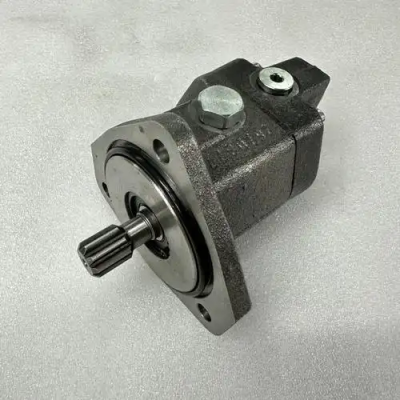


$35.00 - $50.00
MOQ: 1 Pieces


Comprehensive Sourcing Guide
Hydraulic Oil Pump Sourcing Guide
The global market for hydraulic oil pumps is characterized by a diverse range of industrial applications, from heavy construction machinery to specialized manufacturing equipment. Based on current market observations, these units are predominantly manufactured in China, with significant production hubs located in Ningbo and Shandong. Buyers should recognize that the supply chain offers a wide spectrum of options, ranging from standard electric and hydraulic drive configurations to highly customized solutions designed for specific OEM requirements. The observed product listings indicate a strong presence of models compatible with major compressor brands like Bitzer, as well as specialized units for excavator attachments and demolition shears.
Procurement decisions for hydraulic oil pumps require a clear understanding of the specific operational environment, as the technology varies significantly between constant flow pumps and high-pressure variants. The market data suggests that customization is a standard offering, allowing buyers to specify dimensions, shaft positions, and packing requirements to match their existing infrastructure. Whether sourcing a single unit for a pilot project or a bulk order for fleet maintenance, the availability of neutral packing and custom carton solutions provides flexibility for logistics planning. However, the diversity of models, including gear pumps and specific displacement units like the 100 Cc variant, necessitates a rigorous verification process to ensure the selected pump aligns with the intended mechanical load and system pressure.
Product Scope and Observed Listing Signals
When evaluating product listings, buyers must distinguish between general category descriptions and specific model identifiers to avoid procurement errors. The current market signals reveal a mix of generic terms like "Gear Pump" alongside precise model numbers such as K3V112DTP-9C79-14T and A4FO500. This variation indicates that suppliers often list multiple product lines under a single category, requiring the buyer to cross-reference the specific model number with their technical drawings or system requirements. The presence of models like the Bitzer F-G-H-J series and the CBT-F3119F3H2S suggests that the supply base includes components compatible with established industrial standards, yet the exact compatibility must be confirmed against the specific machinery being serviced.
Commercial signals in the listings also highlight significant variability in packaging and unit configuration, which directly impacts shipping costs and on-site handling. While some products are listed with a "Single item" selling unit and packed in a standard carton, others are specified for "Wooden Box" or "Wooden Case Package" to accommodate heavier or more sensitive components. The observation of "Neutral" packing options alongside custom requirements like "Carton Box as Your Requirement" suggests that suppliers are willing to adapt their logistics approach, but this flexibility often comes with a need for explicit confirmation during the order placement phase. Buyers should verify whether the listed price includes the specific packaging type required for their destination, as the difference between a standard carton and a reinforced wooden case can be substantial.
Technical Specifications to Verify
Technical verification begins with confirming the drive type and performance characteristics, as these define the pump's fundamental capability within a hydraulic system. The available data points to a clear distinction between electric and hydraulic drive options, with high-pressure performance being a common attribute for industrial-grade units. Buyers must ensure that the selected pump's drive mechanism matches the power source available in their facility, as an electric drive pump cannot be retrofitted to a hydraulic system without significant modification. Additionally, the flow rate is specified as "Constant Pump" in several listings, which is a critical parameter for applications requiring steady pressure; however, for variable load applications, the buyer must explicitly confirm if the pump offers variable displacement capabilities or if the constant flow is a limitation for their specific use case.
Dimensional and structural specifications are equally critical, particularly regarding the pump shaft position and displacement volume. The market data indicates that pumps are available with horizontal shaft positions and customized sizes, which allows for integration into various machine frames. However, the presence of specific displacement values, such as the 100 Cc model, alongside generic "Customized Size" listings means that buyers cannot assume standard dimensions apply to all units. It is essential to verify the exact displacement and shaft orientation against the system's flow requirements and mounting constraints. Furthermore, the condition of the product is listed as "New" across the board, but buyers should request detailed inspection reports or photos to confirm that the "New" status applies to the specific batch being shipped, ensuring no refurbished units are inadvertently supplied.
Compliance and Safety Documentation
Compliance verification is a non-negotiable step in the procurement of hydraulic oil pumps, as these components operate under high pressure and must meet rigorous safety standards. The observed listings frequently cite CE certification and ISO standards, including ISO 9001, which serve as indicators of quality management systems and product safety. However, the presence of these certifications in a listing does not guarantee that every unit in a specific order is certified; buyers must request valid, up-to-date certification documents for the specific model and batch being purchased. The mention of SGS standards alongside ISO suggests that third-party testing may be involved, but the buyer should verify the scope of these tests to ensure they cover the specific performance metrics required for their application, such as pressure ratings or material integrity.
Safety documentation must also address the operational environment and the specific risks associated with high-pressure hydraulic systems. While the listings mention "High Pressure" performance, they do not explicitly detail the maximum working pressure or burst pressure ratings, which are critical for system safety. Buyers should require a technical data sheet that explicitly states the pressure limits and includes any relevant safety warnings or operating instructions. The absence of specific pressure values in the general listing data means that the buyer cannot rely on the product description alone for safety compliance. Instead, the procurement process must include a formal request for the manufacturer's safety data sheet and a declaration of conformity that aligns with the regulations of the destination country, ensuring that the pump can be legally and safely installed in the intended facility.
Cost Drivers and Commercial Terms
The cost structure for hydraulic oil pumps is influenced by a combination of technical complexity, customization levels, and packaging requirements. The observed price range of 1 to 2000 USD reflects the vast difference between basic gear pumps and specialized, high-pressure units with custom configurations. Buyers should anticipate that the final price will be heavily dependent on the specific model selected, the degree of customization required for the shaft position or size, and the type of packaging chosen. For instance, a standard unit in a neutral carton will likely fall at the lower end of the spectrum, while a customized pump requiring a wooden case and specific branding may command a premium. Understanding these variables is essential for accurate budgeting and avoiding unexpected cost overruns during the negotiation phase.
Commercial terms, particularly regarding Minimum Order Quantity (MOQ) and lead times, vary significantly across the supplier base. The data indicates an MOQ range of 1 to 50 units, offering flexibility for small-scale procurement while potentially requiring larger commitments for bulk orders. Buyers should clarify the MOQ for their specific model, as some specialized units may have higher thresholds than the general range suggests. Additionally, the warranty period is consistently listed as 12 months, which provides a baseline for after-sales support, but buyers should negotiate specific terms regarding warranty coverage for customized components or extended lead times. It is also crucial to confirm the payment terms and the impact of currency fluctuations, as the international nature of the supply chain from China can introduce financial variables that affect the total cost of ownership.
Supplier Qualification and Quality Control
Supplier qualification for hydraulic oil pumps requires a thorough assessment of their manufacturing capabilities and quality control processes, particularly given the high-performance nature of the products. The presence of ISO and SGS standards in the listings suggests that many suppliers adhere to recognized quality management systems, but buyers must verify the actual implementation of these standards in their production lines. This includes requesting evidence of in-process quality checks, final inspection protocols, and the specific testing equipment used to validate the pump's performance before shipment. The fact that customization is available implies that the supplier must have flexible manufacturing processes, which can introduce variability; therefore, a robust quality control plan that covers both standard and custom orders is essential to maintain consistency.
Quality control should also extend to the packaging and shipping process, as hydraulic pumps are sensitive to vibration and environmental conditions during transit. The observed packaging options, ranging from standard cartons to wooden cases, indicate that suppliers have the capacity to protect the product, but the buyer must specify the exact packaging requirements to ensure the pump arrives in pristine condition. A qualified supplier should be able to provide a detailed packing list and proof of packaging integrity, such as photos of the packed unit before loading. Furthermore, the buyer should establish a clear communication channel for post-delivery quality issues, ensuring that the 12-month warranty is actionable and that the supplier has the resources to handle returns or replacements efficiently.
Long-Term Procurement Checks
Establishing a long-term procurement strategy for hydraulic oil pumps involves regular performance monitoring and supplier relationship management to ensure consistent supply and quality. Buyers should implement a system for tracking the performance of each pump batch, noting any deviations in flow rate, pressure, or durability compared to the initial specifications. This data-driven approach allows for early detection of quality issues and provides leverage in negotiations with suppliers to improve product consistency. Given the high-pressure nature of these components, even minor defects can lead to significant operational downtime, making continuous monitoring a critical component of the procurement lifecycle.
Supplier relationship management should also focus on the evolution of the product line and the availability of spare parts. As the market offers a wide range of models, from the Bitzer series to specialized excavator attachments, buyers must ensure that their suppliers can support the entire lifecycle of the equipment, including the supply of replacement parts and technical updates. The availability of customization suggests that suppliers are capable of adapting to changing requirements, but this flexibility must be managed through clear contracts and service level agreements. By maintaining a proactive approach to supplier engagement, buyers can secure a reliable supply chain that supports their long-term operational goals and minimizes the risk of supply disruptions.
FAQs
What is the warranty period for hydraulic oil pumps?
The standard warranty period is 12 months. This coverage applies to new units manufactured in China, ensuring reliability for industrial applications. Buyers should verify specific terms with the supplier to confirm that the warranty covers manufacturing defects and operational performance during the initial year of use.
Can hydraulic oil pumps be customized for specific needs?
Yes, customization is available for many Hydraulic Oil Pump models. Suppliers offer options for customized sizes, colors, and packaging requirements. This flexibility allows buyers to adapt the equipment to specific machinery constraints or branding needs, ensuring the pump integrates seamlessly into existing hydraulic systems without modification.
What certifications do hydraulic oil pumps typically hold?
Common certifications include CE and ISO standards, with some models holding ISO9001 certification. These credentials indicate compliance with international safety and quality management systems. Buyers should request valid certification documents to verify that the hydraulic components meet the regulatory requirements for their specific regional market and industry application.
What is the minimum order quantity for hydraulic oil pumps?
The minimum order quantity is typically 1 unit. This low MOQ allows buyers to test product quality or purchase small batches for maintenance. It supports flexible procurement strategies for both large industrial projects and smaller repair operations, reducing initial investment risks while ensuring access to high-pressure electric or hydraulic drive pumps.
Where are hydraulic oil pumps manufactured?
These pumps are primarily manufactured in China, with specific origins noted in Ningbo and Shandong. This regional concentration supports a robust supply chain for various models, including gear pumps and excavator attachments. Buyers can leverage this geographic data to assess logistics costs and lead times when sourcing components for global distribution.
What packaging options are available for hydraulic oil pumps?
Packaging options include cartons, wooden boxes, and neutral packaging. Some suppliers offer customized carton boxes to meet specific shipping or branding requirements. Proper packaging ensures the protection of sensitive hydraulic components during transit, preventing damage to the pump shaft and internal mechanisms, which is critical for maintaining product integrity upon arrival.