Source Hydraulic Orange Juicer for Commercial, Industrial, and Retail Use
Find and compare 30 Hydraulic Orange Juicer options from verified Chinese manufacturers. Buyers can evaluate specifications like voltage, capacity, and material to select the right equipment for their production needs.
Key considerations
Products List


Fruit Juice Making Machine / Orange Juicer / Orange Juice Extractor Machine
$579.00 - $850.00
MOQ: 1 Sets


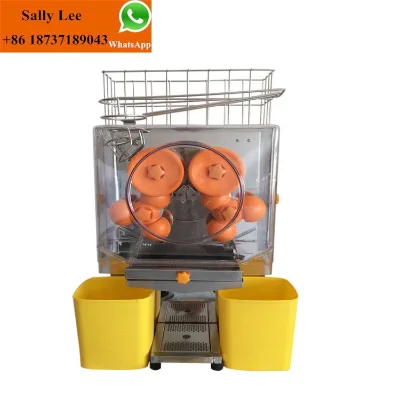
High Quality Fruit and Vegetables Crusher Juicer Machine / Orange Juicer Machine
$1180.00 - $1535.00
MOQ: 1 Sets




Comprehensive Sourcing Guide
Strategic Sourcing Guide for Hydraulic Orange Juicer Equipment
Understanding Hydraulic Orange Juicer Technology and Variants
The term "Hydraulic Orange Juicer" in a B2B procurement context often refers to specialized extraction machinery where hydraulic pressure is the primary mechanism for juice yield, distinct from traditional centrifugal or reamer-based systems. When evaluating this equipment category, buyers must first distinguish between high-pressure hydraulic stations designed for industrial throughput and smaller-scale units that may utilize hydraulic principles for specific squeezing modes. The market presents a diverse array of configurations, ranging from heavy-duty stainless steel units with capacities up to 300kg/h to compact models designed for specific citrus processing lines.
A critical observation in the current supply landscape is the variation in power requirements and voltage standards. Some industrial-grade units operate on 380V systems, which are standard for heavy machinery in many manufacturing regions, while others are designed for 220V operation, suitable for smaller facilities or specific regional electrical grids. The power consumption also varies significantly; for instance, certain high-efficiency models may require 1.5KW, whereas compact citrus juicers might operate on 150W DC motors. This variance dictates the electrical infrastructure requirements for the procurement site. Buyers must verify the specific voltage and power rating of the unit before finalizing a purchase to ensure compatibility with their facility's power distribution.
The mechanical design of these machines often centers on the squeezing mode, which can be optimized for different fruit types. While the core keyword suggests orange juicing, the technology is frequently adaptable to a broader range of compatible foods, including various fruits and vegetables. The efficiency of the extraction process is often measured by the dehydration rate, which in some observed configurations ranges from 30% to 70%. This metric is crucial for buyers assessing the economic viability of the equipment, as a higher dehydration rate generally correlates with higher juice yield and reduced waste. The physical dimensions of the machinery also vary, with standard footprints ranging from compact units measuring 400300770mm to larger industrial stations that may exceed 12009101900mm.
Technical Specifications and Performance Metrics
When evaluating the technical specifications of hydraulic orange juicers, buyers should focus on the core performance parameters that define the machine's capability. The rated pressure is a fundamental specification, with some industrial hydraulic stations boasting pressures up to 20MPa. This high-pressure capability is essential for maximizing extraction efficiency, particularly for fruits with tough skins or high fiber content. However, it is important to note that not all units in this category possess the same pressure ratings; some may be rated for different operational limits, and buyers must confirm the specific rated pressure for the model under consideration.
Capacity is another critical technical metric. The throughput of these machines can vary widely depending on the model and intended application. Observed data indicates capacities ranging from 20 oranges per minute in smaller, specialized units to 500kg/h in larger industrial processing lines. The weight of the equipment is also a significant factor for logistics and installation. Heavy-duty models may weigh up to 700kg, requiring reinforced flooring and specialized lifting equipment for installation, while lighter units might weigh as little as 53kg, allowing for more flexible placement.
The material composition of the machine is paramount for food safety and durability. The industry standard for food-grade contact parts is Stainless Steel 304, which offers excellent corrosion resistance and ease of cleaning. This material is essential for maintaining hygiene standards in juice production. The housing material for some units may be plastic, which can reduce weight and cost, but buyers must ensure that all food-contact surfaces meet the necessary sanitary standards. The barrel capacity of certain hydraulic systems is observed to be 200L, a specification that influences the batch size and operational rhythm of the production line.
Compliance, Certification, and Safety Standards
In the global B2B market, compliance with international safety and quality standards is non-negotiable. Buyers must verify that the Hydraulic Orange Juicer they intend to purchase holds the necessary certifications for their target market. Common certifications observed in this sector include CE, RoHS, EMC, and LFGB. The CE mark indicates conformity with health, safety, and environmental protection standards for products sold within the European Economic Area. RoHS compliance ensures that the equipment does not contain restricted hazardous substances, which is critical for environmental regulations. EMC (Electromagnetic Compatibility) certification is vital to ensure the machine does not interfere with other electronic equipment in the facility. LFGB is a German food safety standard that is often recognized globally for food contact materials.
Safety standards for hydraulic systems are particularly important due to the high pressures involved. The rated pressure of 20MPa in some models necessitates rigorous safety protocols, including pressure relief valves and emergency stop mechanisms. Buyers should request detailed safety documentation and test reports to verify that the machine meets the required safety standards. Additionally, the origin of the product plays a role in compliance. Many of these units originate from China, specifically from regions like Henan, which is a known manufacturing hub for food processing machinery. While the origin itself is not a quality indicator, it is a factor in understanding the supply chain and regulatory environment of the manufacturer.
Cost Drivers and Pricing Structure Analysis
The pricing of hydraulic orange juicers is influenced by a complex interplay of factors, including material costs, manufacturing complexity, and the level of automation. The observed price range in the market is exceptionally broad, spanning from 0.38 USD to 700,000 USD. This wide variance reflects the difference between small-scale, manual, or semi-automated units and fully automated, high-capacity industrial systems. The high-end of the spectrum likely corresponds to fully integrated hydraulic stations with advanced automation features, while the lower end may represent smaller components or entry-level models.
The Minimum Order Quantity (MOQ) is another significant cost driver. The MOQ for these machines can range from 1 set to 5000 units, depending on the supplier and the customization level. For buyers seeking a single unit for pilot testing or small-scale production, an MOQ of 1 set is ideal. However, for large-scale deployments, negotiating a lower unit price through higher volume orders is a standard procurement strategy. The customization options available also impact the final cost. Customized features, such as specific barrel capacities or tailored dimensions, will typically incur additional charges compared to standard off-the-shelf models.
Lead time is a critical component of the total cost of ownership. The delivery time for these machines is often cited as 35 days after receiving the deposit. This lead time can vary based on the complexity of the order, the current production schedule of the supplier, and the logistics involved in shipping heavy machinery. Buyers should factor this lead time into their production planning to avoid bottlenecks. Additionally, the packaging method, such as wooden crates or fumigation-free wooden cases, adds to the shipping cost and must be considered in the overall budget.
Typical Applications and Operational Use Cases
Hydraulic orange juicers are designed for a variety of applications, ranging from small-scale juice bars to large industrial processing plants. The primary application is the extraction of juice from citrus fruits, with a specific focus on oranges. However, the versatility of these machines allows them to process other compatible foods, including various fruits and vegetables. This adaptability makes them valuable assets for facilities that produce a diverse range of juice products.
The high-efficiency and high-automation features of these machines make them suitable for commercial environments where throughput and consistency are critical. Industrial models with capacities of 300kg/h or 500kg/h are ideal for large-scale production lines where continuous operation is required. These units often feature advanced automation that minimizes human intervention, reducing labor costs and increasing operational efficiency. For smaller operations, models with capacities of 20 oranges per minute offer a cost-effective solution for boutique juice production or local distribution.
The specific configuration of the machine should align with the intended application. For instance, a facility requiring high juice yield may prioritize models with a high dehydration rate, while a facility with limited space may opt for compact units with smaller footprints. The choice of motor, whether AC or DC, also depends on the application; DC motors are often preferred for their efficiency and control in smaller units, while larger industrial machines may utilize AC motors for higher power output.
Supplier Evaluation and Quality Control Protocols
Selecting the right supplier is a critical step in the procurement process. Buyers should evaluate suppliers based on their track record, production capacity, and quality control measures. The origin of the product, such as Henan, China (Mainland), provides insight into the manufacturing ecosystem, but it is essential to verify the specific capabilities of the supplier. Buyers should request detailed information about the supplier's production processes, including their quality assurance protocols and testing procedures.
Quality control should be a priority throughout the procurement lifecycle. Buyers must verify that the materials used, such as Stainless Steel 304, meet the required specifications. The construction of the machine, including the barrel diameter and height, should be inspected to ensure it matches the stated specifications. For example, a barrel diameter and height of 520*620mm should be confirmed through visual inspection or third-party verification. The weight of the machine, whether 53kg or 700kg, should also be verified to ensure it aligns with the supplier's claims.
Certification verification is another key aspect of supplier evaluation. Buyers should request copies of the CE, RoHS, EMC, and LFGB certifications and verify their validity with the issuing bodies. This ensures that the machine meets the necessary safety and quality standards. Additionally, buyers should inquire about the supplier's after-sales support, including warranty terms, maintenance services, and availability of spare parts. A reliable supplier should offer comprehensive support to ensure the long-term performance of the equipment.
Long-Term Procurement Considerations and Maintenance
Long-term procurement considerations extend beyond the initial purchase price and include factors such as maintenance, energy efficiency, and scalability. The energy type of the machine, typically electric, should be evaluated for its efficiency and cost-effectiveness over the lifespan of the equipment. Models with high automation and efficiency features may offer lower operational costs in the long run, despite a higher initial investment.
Maintenance is a critical aspect of long-term ownership. Buyers should assess the ease of cleaning and maintenance of the machine. Stainless Steel 304 construction facilitates easy cleaning, but the design of the machine should also allow for access to internal components for regular maintenance. The availability of spare parts is another important consideration; buyers should ensure that the supplier offers a steady supply of replacement parts to minimize downtime.
Scalability is also a key factor for businesses planning to expand their operations. Buyers should consider whether the chosen model can be easily integrated into a larger production line or if additional units can be added to increase capacity. The modular design of some machines may offer greater flexibility for future expansion. Finally, buyers should consider the environmental impact of the machine, including its energy consumption and waste generation, to align with their sustainability goals.
Summary of Key Specifications and Comparison
To facilitate informed decision-making, the following table summarizes the key specifications observed in the market for hydraulic orange juicers. This comparison highlights the diversity of options available and helps buyers identify the most suitable model for their specific needs.
| Specification | Model A (Industrial) | Model B (Compact) | Model C (Specialized) |
|---|---|---|---|
| Model Number | QT-200 | HT-GZ20 | HT-LZ0.5 |
| Voltage | 380V | 220V | 220V |
| Power | 1.5KW | 150W | N/A |
| Capacity | 300kg/h | 500kg/h | N/A |
| Weight | 700kg | 80kg | 160kg |
| Material | Stainless Steel 304 | Plastic Housing | Stainless Steel 304 |
| Dimensions | 12009101900mm | 400300770mm | 8503501000mm |
| Barrel Capacity | 200L | N/A | N/A |
| Dehydration Rate | 30%-70% | N/A | N/A |
| Certification | CE, RoHS, EMC, LFGB | CE, RoHS, EMC, LFGB | CE, RoHS, EMC, LFGB |
| MOQ | 1 SET | 1 SET | 1 SET |
| Delivery Time | 35 Days | 35 Days | 35 Days |
| Packing | Wooden Crate | Gift Box + Carton | Fumigation-Free Wooden Case |
This table illustrates the significant variation in specifications across different models. Buyers should carefully review these parameters to ensure the selected machine meets their operational requirements. The presence of certifications like CE, RoHS, EMC, and LFGB across all models indicates a general adherence to international standards, but buyers must still verify the specific validity of these certifications for their target market. The wide range of capacities and power ratings allows for flexibility in selecting a machine that fits the scale of the operation, from small boutique juice producers to large industrial facilities.
FAQs
What is the rated pressure for industrial Hydraulic Orange Juicer stations?
The rated pressure for industrial hydraulic stations can reach 20MPa. This high pressure is essential for maximizing extraction efficiency, particularly for fruits with tough skins or high fiber content in heavy-duty processing lines.
Which voltage standards are available for Hydraulic Orange Juicer equipment?
Available voltage standards include 380V for heavy industrial machinery and 220V for smaller facilities. Buyers must verify the specific voltage rating of the unit before purchase to ensure compatibility with their facility's power distribution.
How does the dehydration rate affect juice yield in these machines?
The dehydration rate typically ranges from 30% to 70% depending on the model configuration. A higher dehydration rate generally correlates with higher juice yield and reduced waste, which is crucial for assessing economic viability.
What certifications are commonly held by Hydraulic Orange Juicer manufacturers?
Common certifications include CE, RoHS, EMC, and LFGB for food safety and environmental compliance. These marks indicate conformity with health, safety, and electromagnetic compatibility standards required for products sold in various international markets.
Can hydraulic orange juicers process foods other than oranges?
Yes, these machines are often adaptable to process various fruits and vegetables. While designed for citrus extraction, the technology allows for broader application in facilities producing diverse juice products beyond just oranges.
What is the typical lead time for delivery after receiving a deposit?
The delivery time is often cited as 35 days after receiving the deposit. This lead time can vary based on the complexity of the order, the supplier's production schedule, and logistics involved in shipping heavy machinery.
Which material is used for food-contact parts in these juicers?
Stainless Steel 304 is the industry standard for food-grade contact parts. This material offers excellent corrosion resistance and ease of cleaning, which is essential for maintaining hygiene standards in juice production lines.