Source Hydraulic Solenoid Valve for Flow Control, Drain, and Regulation
Explore 30 listings of Hydraulic Solenoid Valve options suitable for industrial flow control, drain, and regulation tasks. Buyers can compare specifications including actuator types, materials, and pressure ratings to find the right component for their needs.
Key considerations
Products List


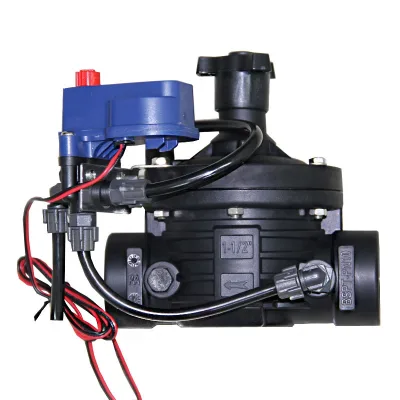


Comprehensive Sourcing Guide
Strategic Sourcing Guide for Hydraulic Solenoid Valves
Navigating the global market for hydraulic solenoid valves requires a disciplined approach that balances technical precision with rigorous supplier verification. For procurement professionals, the core keyword "Hydraulic Solenoid Valve" encompasses a diverse range of components used to control fluid flow in industrial machinery, construction equipment, and automated systems. The following guide synthesizes observed market data and established industry practices to provide a framework for evaluating potential suppliers and products without relying on unverified claims or specific vendor recommendations.
Technical Specifications and Component Architecture
Understanding the internal architecture of hydraulic solenoid valves is the first step in defining procurement requirements. Based on observed product attributes in the current market, these valves often feature specific actuation methods and material compositions that dictate their performance envelope. A high-confidence observation from current listings indicates that the actuator type is frequently electric, utilizing a DC solenoid valve mechanism to drive the internal components. This electric actuation is critical for applications requiring precise, rapid response times in automated control loops.
The valve body and internal components are constructed from a variety of materials to ensure durability under specific operating conditions. Observed data points to the use of cast iron and ductile iron for the main body in certain configurations, while other listings specify stainless steel as the primary material. This variation suggests that buyers must verify the material grade against their specific media and pressure requirements. For instance, stainless steel is often preferred for corrosive environments, whereas cast iron may be suitable for general industrial water applications. The disc, a critical sealing component, is observed to be manufactured from stainless steel, brass, or bronze, offering different trade-offs between cost, wear resistance, and chemical compatibility.
Sealing and diaphragm integrity are paramount for hydraulic systems. Market observations reveal that diaphragms are commonly constructed from composite materials such as Nylon combined with EPDM or Viton. These materials provide the necessary flexibility and chemical resistance to handle hydraulic fluids and varying temperatures. The stem, which transmits the solenoid's force to the valve mechanism, is typically made from stainless steel or bronze. Furthermore, the spring component, essential for the return mechanism in direct-acting or self-operated types, is frequently specified as SUS304 stainless steel, ensuring resistance to fatigue and corrosion.
Compliance, Certification, and Standardization
In the B2B procurement landscape, compliance with international standards and certifications is non-negotiable for ensuring safety and interoperability. When sourcing hydraulic solenoid valves, buyers must verify that products adhere to recognized standards. Observed listings explicitly mention the DIN standard, a German Institute for Standardization specification that is widely accepted in industrial manufacturing. Additionally, some product data references a "Standard" classification, which implies adherence to general industry norms, though specific numerical values should be confirmed with the supplier.
Certification plays a vital role in validating product quality and safety. The CE mark is a documented attribute in current market listings, indicating conformity with health, safety, and environmental protection standards for products sold within the European Economic Area. However, the presence of a CE mark in a listing does not automatically guarantee compliance for every unit; it must be verified against the specific product batch and its accompanying documentation. Buyers should also look for other relevant certifications depending on the target market, such as ISO standards for quality management or specific industry approvals for hazardous environments.
The production origin of the valve is another factor influencing compliance. Sourcing data indicates that products originate from various locations, including Suzhou, Jiangsu, China, and Japan. Products from different regions may adhere to different local regulatory frameworks before export. For example, Japanese-origin valves often align with stringent domestic manufacturing standards, while Chinese-origin products may vary based on the specific factory's quality control protocols. Buyers must ensure that the origin country's export regulations and the destination country's import requirements are met to avoid logistical delays or legal issues.
Cost Drivers and Pricing Dynamics
The pricing of hydraulic solenoid valves is influenced by a complex interplay of factors, including material costs, manufacturing complexity, and customization levels. Observed price ranges in the market span from $0.10 to $399 USD, a wide variance that reflects the diversity of product specifications. The lower end of this spectrum typically corresponds to standard, off-the-shelf models with basic materials and minimal customization. In contrast, the higher price points are associated with specialized valves featuring premium materials like high-grade stainless steel, custom coatings, or complex actuation systems.
Material selection is a primary cost driver. Valves with bodies made of ductile iron or cast iron generally cost less than those constructed entirely from stainless steel. Similarly, the choice of disc material—whether brass, bronze, or stainless steel—significantly impacts the final price. The coating process is another variable; some products are observed to be coated to 300 microns, a specification that adds to the manufacturing cost but enhances corrosion resistance and longevity.
Customization availability is a significant factor in pricing. The market data confirms that customization is available for many hydraulic solenoid valves. Custom orders often involve changes to the model number, connection forms, or specific material grades, which can increase the unit price and the minimum order quantity (MOQ). The observed MOQ range spans from 1 to 1000 units, indicating that suppliers offer flexibility for both prototyping and large-scale production runs. Buyers should anticipate higher per-unit costs for smaller orders and negotiate better rates for bulk purchases that meet the supplier's MOQ thresholds.
Typical Applications and Operational Environments
Hydraulic solenoid valves are integral to a wide array of industrial applications, ranging from flow control in water systems to power transmission in heavy machinery. The observed usage data highlights several key application areas. In the water industry, these valves are utilized for flow control, drainage, emptying, and regulation. The specific model F8060 is noted for applications involving water, with a temperature range classified as low temperature and pressure classified as low pressure. This suggests suitability for municipal water systems, irrigation, and general industrial fluid handling where extreme conditions are not present.
Beyond water systems, hydraulic solenoid valves are critical components in construction and heavy equipment. The market data includes references to GM excavators and special excavators, indicating that these valves are used in hydraulic transmission systems for crawler excavators. In these applications, the valves must withstand high mechanical stress and variable operating conditions. The drive type for such equipment is often internal combustion, requiring the hydraulic system to be robust and reliable. The transmission mechanism is specified as hydraulic transmission, emphasizing the valve's role in converting fluid power into mechanical motion.
The operating environment also dictates the selection of specific valve attributes. For instance, valves used in industrial usage may require a connection form of flange, while others might utilize internal thread connections. The model numbers F8050 and 8F7F/7F/8F are associated with different applications, suggesting that buyers must match the specific model to the intended operational context. Whether the application involves a shovel bucket with a capacity of 0.5 to 1.0 cubic meters or a precision electro-hydraulic directional valve with a flow rate of 80 liters per minute, the valve's specifications must align with the system's demands.
Supplier Evaluation and Quality Assurance
Evaluating suppliers requires a multi-faceted approach that goes beyond simple price comparison. Buyers should assess the supplier's ability to provide consistent quality, adherence to standards, and reliable logistics. The condition of the product is a basic but essential criterion; observed listings specify that products are "New," which is a standard expectation for B2B procurement. However, buyers should verify the manufacturing process and quality control measures to ensure that the "New" status is maintained throughout the supply chain.
Packaging is another indicator of supplier professionalism. Observed packaging methods include bubble bags and wooden cases, as well as cartons. The choice of packaging depends on the product size and value; for example, larger or more delicate components may require wooden cases for protection during transit. The standard packaging dimensions, such as 303010, should be considered when planning logistics and storage. Suppliers who provide detailed and secure packaging demonstrate a commitment to minimizing damage and ensuring product integrity upon delivery.
Warranty and after-sales support are critical components of supplier evaluation. A one-year warranty is a documented attribute for some products, offering buyers a measure of protection against manufacturing defects. However, the scope of the warranty, including what is covered and the process for claims, must be clearly defined in the contract. Buyers should also inquire about the supplier's lead times and their ability to handle rush orders, as these factors can impact production schedules. While specific lead times are not provided in the general data, the MOQ range suggests that suppliers may have varying capacities for immediate delivery versus production runs.
Long-Term Procurement Considerations
Sourcing hydraulic solenoid valves is not merely a transactional activity but a strategic decision that impacts long-term operational efficiency. Buyers should consider the total cost of ownership, which includes not only the purchase price but also maintenance, replacement, and downtime costs. The durability of materials such as SUS304 springs and EPDM/Viton diaphragms contributes to the longevity of the valve, reducing the frequency of replacements. Selecting valves with high-quality coatings, such as the 300-micron coating observed in some listings, can further extend the service life by protecting against environmental degradation.
Standardization and interchangeability are also important for long-term procurement. By selecting valves that adhere to widely recognized standards like DIN, buyers can ensure compatibility with existing systems and ease of future replacements. The availability of different model numbers, such as F8050, F8060, and 7F/8F series, allows for a modular approach to system design, where components can be swapped or upgraded without requiring a complete system overhaul.
Finally, buyers should maintain a proactive relationship with suppliers to stay informed about product updates and technological advancements. The market for hydraulic solenoid valves is dynamic, with continuous improvements in materials and design. By staying engaged with suppliers, buyers can access the latest innovations that may offer improved performance, energy efficiency, or cost savings. This collaborative approach ensures that the procurement strategy remains aligned with the evolving needs of the organization and the broader industrial landscape.
FAQs
What actuator type is common for hydraulic solenoid valves?
The actuator type is frequently electric, utilizing a DC solenoid valve mechanism. This electric actuation drives internal components for precise, rapid response times in automated control loops found in industrial applications.
Which materials are used for the valve body and disc?
Valve bodies are constructed from cast iron, ductile iron, or stainless steel. The disc is typically manufactured from stainless steel, brass, or bronze to ensure durability and chemical compatibility with various media.
Can customization be requested for these hydraulic valves?
Yes, customization is available for many hydraulic solenoid valves. Buyers can request changes to model numbers, connection forms, or specific material grades, though this may increase the unit price and minimum order quantity.
What certifications should buyers look for in listings?
Buyers should verify that products adhere to recognized standards like DIN and hold the CE mark. The CE mark indicates conformity with health, safety, and environmental protection standards for products sold within the European Economic Area.
How does the price range vary for these valves?
The observed price range spans from 0.1 to 399 USD. Lower prices typically correspond to standard models with basic materials, while higher prices reflect specialized valves with premium materials or complex actuation systems.
What are the typical applications for these hydraulic valves?
These valves are used for flow control in water systems and power transmission in heavy machinery. Specific models support applications like GM excavators, drainage, and regulation in industrial water usage environments.