Source Hydraulic Solid Tire Changer for Forklifts, Industrial, and Mining
Find and compare 30 Hydraulic Solid Tire Changer options from verified Chinese manufacturers. Evaluate specifications like 200T pressure, electric power sources, and automatic features to select the right equipment for forklift tire change and solid tire maintenance tasks.
Key considerations
Products List


Solid Tire Mounting and Dismounting Machine/ 120ton Solid Tire Changer Machine
$6200.00 - $9000.00
MOQ: 1 Sets
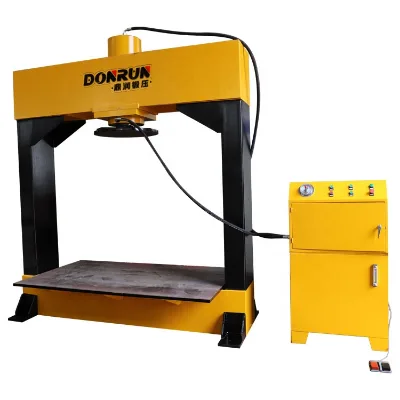


Comprehensive Sourcing Guide
Hydraulic Solid Tire Changer Sourcing Guide
Sourcing hydraulic solid tire changers requires a precise understanding of the mechanical forces involved in mounting and demounting heavy-duty tires, particularly those used in industrial material handling equipment. Unlike standard pneumatic tires, solid tires are non-pneumatic and often feature a rigid construction that demands significant hydraulic pressure to deform the tire bead for installation onto a rim. The procurement process must focus on machines capable of delivering consistent, high-tonnage force without compromising the integrity of the tire or the rim. Buyers must evaluate whether the equipment is designed for simple disassembly operations or more complex hydraulic pressing tasks, as this distinction dictates the machine’s utility in a specific workshop environment.
The market for these machines is heavily influenced by the specific tire dimensions and the weight of the machinery they serve. Procurement teams should verify that the selected changer aligns with the maximum tire diameter and width specifications of their fleet. For instance, machines are often rated for specific tire sizes, such as those up to 12.00-24 inches, which are common in forklift applications. Understanding the relationship between the machine’s hydraulic capacity and the tire’s physical properties is essential to avoid underpowered equipment that fails to seat the tire properly or over-specified equipment that incurs unnecessary capital expenditure.
Product Scope and Observed Listing Signals
The current market landscape for hydraulic solid tire changers reveals a wide variance in pricing and specifications, reflecting the diversity of industrial needs. Observed listing prices range significantly, indicating that buyers can find entry-level units for basic operations as well as high-end, fully automated systems for high-volume environments. This price disparity is often tied to the machine’s automation level, structural design, and the specific hydraulic power output. Buyers should note that while some listings may appear inexpensive, they might lack critical features such as automatic clamping or digital pressure controls, which are vital for consistent performance in a professional setting.
Minimum Order Quantities (MOQ) for these industrial machines are typically low, often allowing for single-unit purchases. This flexibility supports small workshops and large fleets alike, enabling targeted procurement based on immediate operational needs rather than bulk inventory requirements. However, the low MOQ does not imply a lack of customization; many suppliers offer tailored solutions, including color matching and specific packaging requirements, to meet logistical and branding needs. Buyers should leverage this flexibility to negotiate terms that include comprehensive after-sales support and warranty coverage, which are critical for minimizing downtime in continuous operation environments.
Technical Specifications to Verify
When evaluating technical specifications, the hydraulic pressure range is a primary determinant of the machine’s capability. Buyers must verify that the changer can deliver sufficient tonnage to handle the specific tires in their inventory, with common ranges spanning from 120 to 350 tons. This pressure capacity must be matched against the tire size, such as solid tires ranging from 4.00-8 to 29.5-25 inches, to ensure effective mounting and removal. Insufficient pressure can lead to incomplete bead seating or damage to the tire, while excessive pressure without proper control mechanisms can pose safety risks and accelerate wear on the machine’s hydraulic components.
The structural design and automation features of the changer also play a crucial role in operational efficiency. Vertical structures are common, offering stability and ease of access for operators, while automatic features reduce manual labor and increase throughput. Buyers should confirm the machine’s power source, typically electric, and verify the power consumption range, which can vary from 1.5kw to 7.5kw depending on the model and capacity. Additionally, the physical dimensions of the machine, including its overall length and inner length, must be considered to ensure it fits within the available workshop space. The weight of the machine, often around 2.5 tons, also impacts installation requirements, potentially necessitating reinforced flooring or specialized lifting equipment.
Compliance and Safety Documentation
Compliance with international standards is a non-negotiable aspect of sourcing hydraulic tire changers, particularly when operating in regulated markets. Buyers should prioritize suppliers who provide machines certified under ISO standards, such as ISO9001 for quality management, ISO14001 for environmental management, and OHSAS18001 for occupational health and safety. These certifications indicate that the manufacturer adheres to rigorous production and safety protocols, reducing the risk of defects and ensuring a safer working environment for operators. Verification of these certifications should be a standard step in the supplier evaluation process, requiring documentation rather than mere claims.
Safety features and operational controls must also be thoroughly reviewed to ensure they meet local regulatory requirements. Machines should be equipped with emergency stop mechanisms, protective guards, and clear operational instructions to prevent accidents during high-pressure operations. Buyers should inquire about the machine’s compliance with CE marking if operating in European markets, as this signifies adherence to strict health, safety, and environmental protection standards. Additionally, understanding the machine’s HS code, such as 8479899990, is essential for accurate customs classification and tariff determination, ensuring smooth international shipping and import processes.
Cost Drivers and Commercial Terms
Several factors influence the total cost of ownership for hydraulic solid tire changers, beyond the initial purchase price. The level of automation, customization options, and the inclusion of advanced hydraulic systems are primary cost drivers. Machines with higher automation levels, such as automatic clamping and digital pressure displays, typically command higher prices but offer long-term savings through reduced labor costs and increased operational efficiency. Buyers should also consider the cost of customization, such as specific color schemes or packaging requirements, which may add to the initial expense but can enhance brand visibility and logistical convenience.
Commercial terms, including delivery times and warranty coverage, significantly impact the procurement strategy. Standard delivery times for these machines are often around 30 days after receiving the deposit, allowing for adequate production and quality control. Buyers should negotiate warranty periods, with 18 months being a common offering, to ensure protection against early-life failures. Additionally, the availability of after-sales service is a critical consideration; buyers should verify whether overseas service is provided or if support is limited to remote assistance, as this affects the ability to resolve technical issues promptly and minimize operational downtime.
Supplier Qualification and Quality Control
Supplier qualification is essential to ensure the reliability and longevity of the hydraulic tire changer. Buyers should assess the supplier’s manufacturing capabilities, focusing on their experience in producing industrial machinery and their adherence to quality control processes. Suppliers located in key manufacturing regions, such as Jiangsu, China, often have established supply chains and expertise in producing high-quality hydraulic equipment. However, buyers must verify the supplier’s track record through references, case studies, or third-party audits to confirm their ability to deliver consistent quality and meet production deadlines.
Quality control measures should be integrated into the procurement process to mitigate risks associated with manufacturing defects. Buyers should request detailed inspection reports, including hydraulic pressure tests and structural integrity assessments, before approving shipment. Additionally, understanding the packaging method, whether nude, palletized, or in wooden boxes, is crucial for protecting the machine during transit. Proper packaging ensures that the machine arrives in optimal condition, reducing the risk of damage and the need for costly repairs or replacements upon installation.
Long-Term Procurement Checks
Long-term procurement success depends on the supplier’s ability to provide ongoing support and spare parts availability. Buyers should establish clear communication channels with the supplier to address technical questions and maintenance needs. It is advisable to inquire about the availability of replacement parts, such as hydraulic seals, pumps, and electrical components, to ensure that the machine can be maintained without significant delays. Suppliers who offer comprehensive training and documentation can also enhance the operator’s ability to perform routine maintenance, extending the machine’s lifespan and performance.
Regular performance reviews and feedback loops with the supplier can help identify areas for improvement and foster a collaborative relationship. Buyers should monitor the machine’s performance over time, tracking metrics such as uptime, maintenance frequency, and operational efficiency. This data can be used to negotiate better service terms or to inform future procurement decisions. By maintaining a proactive approach to supplier management, buyers can ensure that their hydraulic solid tire changers continue to meet operational demands and provide a reliable return on investment.
FAQs
What is the maximum tire diameter this machine can handle?
The machine handles a maximum tire overall diameter of 24 inches. It is specifically designed for solid tires ranging from 4.00-8 up to 29.5-25 sizes.
Can I request custom colors for the hydraulic press machine?
Yes, the color is available at customer request. The manufacturer offers customization options to meet specific visual requirements for the equipment.
What certifications does the solid tire changer possess?
The product holds ISO, ISO9001, ISO14001, OHSAS18001, and CE certifications. These standards ensure quality management and safety compliance for the hydraulic press.
How long is the delivery time after receiving the deposit?
The delivery time is 30 days after receiving the deposit. This lead time applies to the manufacturing and preparation of the solid tire press machine.
What is the warranty period for this automatic tire changer?
The warranty period is 18 months for the machine. This coverage applies to the automatic hydraulic press used for forklift tire changes.
Does the machine support overseas after-sales service?
No overseas service is provided for this equipment. Buyers should be aware that after-sales support is limited to the domestic market or specific arrangements.
What is the power consumption range for the electric press?
The power consumption ranges from 1.5kw to 7.5kw. This electric power source drives the automatic vertical structure of the solid tire changer.