Source Hydraulic Swing Beam Shearing Machine for Metal Fabrication
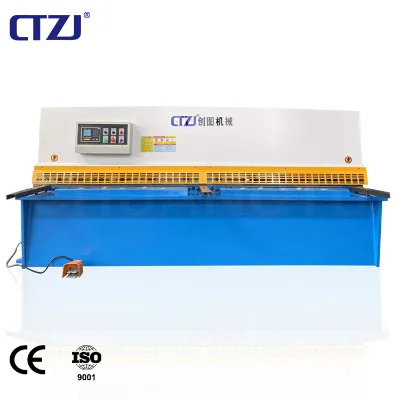
Find and compare 30 Hydraulic Swing Beam Shearing Machine options from verified Chinese suppliers. Evaluate models like QC12K and QC11Y for cutting stainless steel, aluminum, and carbon steel sheets with precision and reliability.
Key considerations
Products List


Sheet Metal Cutting Machine by Harsle Brand Hydraulic Sheet Metal Shearing Machine
$12500.00 - $12800.00
MOQ: 1 Pieces


Metal Cutting Machine Hydraulic Sheet Metal Swing Beam Shearing Machine
$3000.00 - $15000.00
MOQ: 1 Sets


Metal Cutting Machine Tool, Hydraulic Sheet Metal Swing Beam Shearing Machine
$3000.00 - $15000.00
MOQ: 1 Sets


Swing Beam Shear Machine / Cutting Machine / Hydraulic Shear Machine
$4000.00 - $10000.00
MOQ: 1 Pieces

Hydraulic Swing Beam Shearing Machine Hydraulic Steel Cutter Metal Hydraulic Shearer
$4000.00 - $10000.00
MOQ: 1 Pieces

Steel Plate Swing Beam Hydraulic Shearing Cutting Machine Automatic Shearing Machine
$4000.00 - $10000.00
MOQ: 1 Pieces


Hydraulic Swing Beam Shearing Machine Metal Sheet Cutting Machine Cutting Machine Shearer
$4000.00 - $10000.00
MOQ: 1 Pieces


Hydraulic Cutting Machine Swing Beam Shearing Machine for Sheet Metal
$4400.00 - $7400.00
MOQ: 1 Pieces


Comprehensive Sourcing Guide
Hydraulic Swing Beam Shearing Machine Sourcing Guide
The Hydraulic Swing Beam Shearing Machine represents a critical asset for metal fabrication facilities requiring high-precision sheet metal cutting. These machines utilize a hydraulic power source to drive a swinging upper beam, allowing for efficient shearing of materials such as stainless steel, carbon steel, aluminum, and various metal alloys. The observed market data indicates that these units are often classified as high-end CNC machine tools, featuring closed-loop control systems and linear movement methods to ensure consistent cut quality. Buyers should recognize that while some listings describe the equipment as semi-automatic or manual, the industry standard for this category increasingly favors automated or semi-automated configurations to maximize throughput in industrial settings.
Procurement decisions for this equipment must account for the specific layout and operational environment of the facility. The observed product attributes highlight a horizontal layout, which is standard for maximizing floor space efficiency in metal-cutting applications. The machines are designed to handle a wide range of cutting materials, including iron and copper, making them versatile for diverse manufacturing needs. However, buyers must carefully distinguish between different model series, such as the QC12K or QC11Y, as these designations often correlate with specific capacity ratings and functional capabilities. Understanding these distinctions is essential before engaging with suppliers to ensure the selected machine aligns with the intended production volume and material thickness requirements.
Product Scope and Observed Listing Signals
When evaluating product listings, buyers should look for specific signals that confirm the machine's suitability for their operational needs. The observed data reveals a wide variance in listed prices, ranging from $1 to $50,000, which suggests significant differences in capacity, automation levels, and brand positioning. A critical observation is the presence of both "Customized" and "Non-Customized" attributes in the same category, indicating that suppliers offer varying degrees of flexibility in machine configuration. Buyers must verify whether the specific listing they are reviewing offers the customization options required for their unique production lines, such as specific color finishes or tailored dimensions, as these factors can significantly impact the final utility of the equipment.
Another key signal in the product scope is the variation in automatic grades and control methods. While some listings specify "Automatic" or "Semi-Automatic" grades, others indicate "Manual" operation, which directly influences labor requirements and production speed. The presence of "CNC/MNC" numerical control attributes in high-end classifications suggests advanced programmability, whereas manual models may rely on operator skill for precision. Additionally, the observed "Standard Safe Package" and "Exported Standard Packing" attributes are vital indicators of how the machine will be delivered. Buyers should ensure that the packaging standards mentioned in the listing are sufficient to protect the machine during international transit, especially given the heavy and precise nature of hydraulic swing beam shearing machines.
Technical Specifications to Verify
Technical verification begins with the machine's power source and control architecture, as these define the operational stability and precision of the cutting process. The supplied facts confirm that hydraulic pressure is a primary power source for these machines, though some listings also mention electric power sources, necessitating a clear confirmation of the specific drive system. The control method is frequently described as "Closed-Loop Control," which is essential for maintaining accuracy during the shearing cycle. Buyers must verify that the closed-loop system is integrated with the hydraulic pressure system to ensure that the swing beam movement is consistent and that the cutting force is applied uniformly across the material width.
Dimensional and material compatibility are equally critical technical parameters that require strict verification. The observed product standards list dimensions such as 304015501550mm and 100010001000mm, but these figures appear to be optional or model-specific rather than universal. Buyers should not assume a standard size but must request the exact physical footprint and cutting capacity for the specific model, such as the QC12Y Series Shearing Machine. Furthermore, the cutting material list includes stainless steel, aluminum, and carbon steel, but the machine's ability to handle specific thicknesses within these materials must be confirmed. The "Precision" feature is highlighted as a key attribute, yet the actual tolerance levels and repeatability rates should be validated against the buyer's quality standards before purchase.
Compliance and Safety Documentation
Compliance with international safety and quality standards is a non-negotiable aspect of sourcing hydraulic swing beam shearing machines. The observed certification data includes CE, ISO 9001, UL, and RoHS, indicating that reputable suppliers adhere to rigorous manufacturing and safety protocols. However, the presence of these certifications in the general category does not guarantee that every specific unit listed possesses them. Buyers must explicitly request the valid certification documents for the specific model they intend to purchase, ensuring that the CE marking corresponds to the relevant machinery directives and that the ISO 9001 certification is current and applicable to the manufacturing facility.
Safety documentation extends beyond certifications to include operational safeguards and warranty terms. The observed warranty periods vary from 12 months to 3 years, and some listings mention a "1-year" warranty, which suggests that warranty duration is a negotiable or model-dependent factor. Buyers should verify the scope of the warranty, specifically whether it covers hydraulic components, control systems, and structural integrity. Additionally, the "Waterproof Rating: IPX-8" observed in some listings indicates a high level of protection against water ingress, which is crucial for facilities with cleaning protocols or humid environments. Buyers must confirm if this rating applies to the entire machine or specific electrical components to ensure the equipment can withstand the intended operating conditions without safety risks.
Cost Drivers and Commercial Terms
The cost of a Hydraulic Swing Beam Shearing Machine is influenced by several factors, including the level of automation, the complexity of the control system, and the degree of customization. The observed price range of $1 to $50,000 reflects the spectrum from basic manual units to advanced CNC-equipped high-end machines. Buyers should understand that the "Competitive Price" selling point often correlates with the machine's automatic grade and the inclusion of advanced features like closed-loop control. It is essential to analyze the total cost of ownership, which includes not only the purchase price but also the potential costs associated with maintenance, energy consumption, and the need for specialized operators based on the machine's automation level.
Commercial terms such as Minimum Order Quantity (MOQ) and lead times are critical for supply chain planning. The observed data indicates an MOQ of 1, which is favorable for buyers seeking single-unit purchases or pilot installations. However, the lack of specific lead time data in the provided facts means buyers must directly inquire about production and delivery schedules. The "Optional" voltage specification noted in the listings highlights the need for electrical compatibility checks, as mismatched voltage requirements can lead to additional costs for transformers or electrical modifications. Buyers should also clarify the "Standard Package" or "Exported Standard Packing" details to ensure that shipping and insurance costs are accurately estimated and that the machine arrives in a condition ready for immediate installation.
Supplier Qualification and Quality Control
Supplier qualification requires a thorough assessment of the manufacturer's location and production capabilities. The observed product origin is consistently listed as Jiangsu, China, or simply China, which are known hubs for metalworking machinery. Buyers should verify the specific factory location within these regions to assess the supplier's logistical capabilities and their proximity to ports for export. The "Use Widely" advantage mentioned in the listings suggests a broad market acceptance, but buyers must validate this through references or case studies from similar industries. Additionally, the "Machinery Repair Shops" and "Building Material Shops" listed as applicable industries provide context for the machine's typical use, helping buyers determine if the supplier has experience serving their specific sector.
Quality control processes are integral to ensuring the longevity and performance of the shearing machine. The "Precision" feature and "High-End CNC Machine Tools" classification imply a rigorous manufacturing process, but buyers should request details on the supplier's internal quality control measures. This includes verification of the "Standard Safe Package" and "Exported Standard Packing" to ensure the machine is protected against damage during transit. The "12 Months" or "3 Years" warranty terms serve as a proxy for the supplier's confidence in their product quality. Buyers should also inquire about the availability of spare parts and the technical support infrastructure, as the "Automatic Grade" and "CNC" features may require specialized maintenance that only the original manufacturer or authorized partners can provide.
Long-Term Procurement Checks
Long-term procurement success depends on establishing a robust relationship with the supplier for ongoing support and parts availability. The "1-year" to "3 Years" warranty periods observed in the listings indicate that warranty terms are a key differentiator, and buyers should negotiate for extended coverage on critical components like the hydraulic system and control board. The "Customized" attribute suggests that suppliers are willing to adapt machines to specific needs, which is beneficial for long-term operational flexibility. Buyers should ensure that any customization agreements are documented clearly, including the impact on warranty validity and the lead time for future modifications or upgrades.
Finally, buyers must plan for the lifecycle management of the machine, including performance monitoring and eventual upgrades. The "Linear Control" and "Closed-Loop Control" attributes suggest that the machine's performance can be monitored and adjusted over time, but this requires access to the original software and diagnostic tools. Buyers should verify that the supplier provides training for operators and maintenance staff to ensure the machine continues to operate at peak efficiency. The "Metal-Cutting CNC Machine Tools" classification implies that the machine is part of a larger production ecosystem, and buyers should consider how the shearing machine integrates with downstream processes. Establishing a clear protocol for regular maintenance and performance reviews will help mitigate downtime and extend the useful life of the investment.
FAQs
What certifications do hydraulic swing beam shearing machines have?
These machines typically hold ISO 9001, CE, and RoHS certifications. Some models also include UL certification to ensure compliance with international safety and quality standards for industrial metal cutting applications.
Can I customize the Hydraulic Swing Beam Shearing Machine specifications?
Customization is available for specific models to meet unique production needs. Buyers can request tailored dimensions or features, though some standard units remain non-customized depending on the manufacturer's current inventory.
Which materials can this machine cut effectively?
The machine cuts stainless steel, aluminum, iron, carbon steel, and metal alloys. It is designed for high-end performance in metal-cutting applications using hydraulic pressure or electric power sources.
How long is the warranty period for these machines?
Warranty periods vary between one year and three years depending on the specific model and supplier. Some units offer a standard 12-month warranty while others provide extended coverage up to three years.
What is the standard packaging for export shipments?
Products are shipped in standard safe packages or exported standard packing to ensure safety during transit. This packaging protects the machine from damage while meeting international shipping requirements for heavy machinery.
Where are these hydraulic machines manufactured?
Most units originate from Jiangsu, China, a major hub for industrial machinery production. The products are designed to meet global standards while leveraging local manufacturing capabilities for cost efficiency.