Source Hydraulic System Oil Pump for Excavators and Industrial Use
Find and compare 30 Hydraulic System Oil Pump options from verified Chinese manufacturers. Evaluate models like Bitzer and A11VO for high-pressure applications, checking specifications, certifications, and customization availability to match your industrial needs; compare the available evidence and request quotations based on your requirements.
Key considerations
Products List

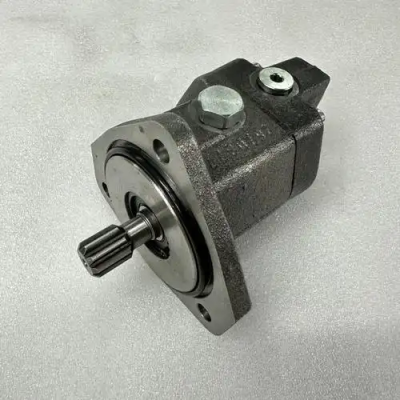


$35.00 - $50.00
MOQ: 1 Pieces


Comprehensive Sourcing Guide
Hydraulic System Oil Pump Sourcing Guide
Procuring hydraulic system oil pumps requires a disciplined approach to matching specific operational demands with verified product attributes. The market offers a diverse range of electric and hydraulic drive options, including models designed for high-pressure performance and constant flow rates. Buyers must carefully distinguish between generic descriptions and specific model numbers like the OILP01 or Bitzer series to ensure the selected unit aligns with their machinery's requirements.
Verification of the pump's physical configuration is equally critical, as variations in shaft position and tooth curve significantly impact installation and longevity. While some units feature horizontal shafts and cycloid tooth curves, others may utilize herringbone configurations or internal engagement types. Understanding these mechanical distinctions allows procurement teams to select pumps that integrate seamlessly with existing hydraulic circuits without requiring extensive modification or custom fabrication.
Product Scope and Observed Listing Signals
The current market landscape for hydraulic oil pumps displays a wide variance in pricing and minimum order quantities, ranging from single-unit purchases to bulk orders of up to one hundred pieces. Listings often indicate a price spectrum extending from one to fifty thousand US dollars, reflecting the complexity of the internal components and the intended application intensity. Buyers should treat these figures as indicative of market breadth rather than fixed costs, as final pricing depends heavily on customization levels and specific model configurations.
Observations of product listings reveal that many suppliers offer customization services for size, color, and packing requirements, catering to specialized industrial needs. Common packaging formats include neutral cartons, wooden cases, and marine-grade wooden boxes, depending on the destination and shipping logistics. This flexibility allows buyers to tailor the delivery package to their specific supply chain constraints while ensuring the equipment arrives in optimal condition for immediate deployment.
Technical Specifications to Verify
Technical due diligence must begin with confirming the drive type and performance metrics, as electric and hydraulic drives serve distinct operational environments. High-pressure performance is a common attribute, yet the specific flow rate characteristics, such as constant pump output, must be validated against the system's pressure requirements. Models like the K3V112DTP-9C79 or A11VO series demonstrate that specific model numbers often dictate the maximum pressure and flow capabilities available for a given application.
The mechanical design details, including tooth curve and mesh form, are essential for ensuring smooth operation and minimizing wear over time. Buyers should verify whether the pump utilizes a cycloid tooth curve or a herringbone flank, as these features influence noise levels and efficiency. Additionally, the presence of safety features like heating jackets or specific valve configurations must be confirmed to prevent thermal failures and ensure the pump operates safely under varying load conditions.
Compliance and Safety Documentation
Ensuring regulatory compliance is a non-negotiable step in the procurement process, particularly when sourcing equipment from international markets. Many listed products carry certifications such as CE and ISO, which indicate adherence to specific safety and quality management standards. However, buyers must request current certification documents for each specific batch, as the presence of a general standard like ISO does not automatically guarantee that every individual unit meets the latest regulatory requirements for the destination market.
Safety documentation also extends to the operational standards and testing protocols applied during manufacturing. Standards such as DIN and ISO are frequently cited, but the specific application of these standards to the pump's internal components must be verified. Buyers should insist on test reports that confirm the pump's ability to handle high-pressure scenarios and verify that safety valves and heating jackets function correctly under the specified operating conditions.
Cost Drivers and Commercial Terms
The total cost of ownership for hydraulic oil pumps is influenced by several factors beyond the initial unit price, including customization, packaging, and warranty terms. While the base price may appear competitive, costs can escalate significantly if the buyer requires customized sizes, specific packing materials like marine wooden cases, or extended warranty periods beyond the standard twelve months. Understanding these variables helps procurement teams budget accurately and avoid unexpected expenses during the final stages of the order.
Commercial terms regarding minimum order quantities and selling units also play a pivotal role in the financial planning of the project. Some suppliers offer single-item sales with an MOQ of one, while others may require larger volumes to achieve optimal pricing. Buyers should negotiate clearly on these terms to ensure they can procure the exact quantity needed without being forced into unnecessary bulk purchases that tie up capital and storage space.
Supplier Qualification and Quality Control
Supplier qualification involves a rigorous assessment of the manufacturer's origin and their track record in producing reliable hydraulic components. Many suppliers are based in key manufacturing hubs like Ningbo and Shanghai, which are known for their industrial capabilities. However, the location alone does not guarantee quality; buyers must verify the supplier's ability to maintain consistent production standards and their capacity to provide the specific models and customizations required for the project.
Quality control measures must be embedded in the procurement agreement to ensure that every delivered unit meets the specified performance criteria. This includes verifying that the condition of the pump is new and that all components, from the shaft to the safety valves, are manufactured to the agreed-upon specifications. Implementing pre-shipment inspections and requiring detailed quality reports can mitigate the risk of receiving defective units that could disrupt downstream operations.
Long-Term Procurement Checks
Establishing a long-term procurement strategy requires ongoing monitoring of supplier performance and product reliability over time. Buyers should track the warranty claims and maintenance history of the pumps to identify any recurring issues that might indicate a systemic quality problem. Regular reviews of the supplier's ability to meet delivery schedules and maintain stock levels for spare parts are essential for ensuring uninterrupted operations in the field.
Future-proofing the procurement process involves staying informed about updates to industry standards and technological advancements in hydraulic pump design. As standards evolve, suppliers must demonstrate their ability to adapt their products to meet new requirements. Buyers should maintain open communication channels with their suppliers to ensure that any changes in regulations or technology are promptly addressed, securing a reliable supply chain for the long term.
FAQs
What types of hydraulic oil pumps are available?
Available types include gear pumps, vane pumps, and piston pumps. Models such as Bitzer F-G-H-J, K3V112DTP, and A11VO are common. These units support electric or hydraulic drive systems. Customization is available for specific flow rates and pressure requirements. Buyers can select from internal engaged mesh forms or herringbone tooth designs based on application needs.
Can hydraulic oil pumps be customized for specific needs?
Yes, customization is available for size, model, and color. Buyers can request specific dimensions or specialized configurations. The products support various standards including ISO and DIN. Custom sizes and neutral packing options are offered. This flexibility allows integration into diverse industrial machinery and hydraulic systems without compromising performance or fit.
What certifications do these hydraulic oil pumps hold?
Certifications include CE, ISO, and SGS. Some models also hold ISO9001: Condition:New status. These certifications ensure compliance with international quality and safety standards. Buyers can verify documentation for specific models like A10VSO18-140. Certified products provide assurance of manufacturing quality and reliability for global industrial applications and regulatory requirements.
What is the warranty period for hydraulic oil pumps?
The warranty period is 12 months for single item purchases. This coverage applies to new condition products. Buyers receive one pump with a carton or wooden box. The warranty supports confidence in product durability. It covers manufacturing defects and ensures support for the initial year of operation in industrial environments.
Where are these hydraulic oil pumps manufactured?
Products originate from China, specifically Ningbo and Shanghai. Ningbo is noted for Bitzer oil pump origins. Shanghai supplies models like KCB and YCB. These locations are established hubs for hydraulic component manufacturing. Buyers can trace product origins to ensure supply chain transparency and regional sourcing preferences for industrial equipment.
What is the minimum order quantity for these pumps?
The minimum order quantity is 1 unit. This allows buyers to purchase single items for testing or small projects. The selling unit is listed as a single item. Low MOQs facilitate easy procurement for diverse applications. Buyers can order small batches without committing to large industrial volumes, reducing initial investment risks.