Source Hydrophobic Fumed Silica for Coatings, Plastics, and Cosmetics
Find 30 listings for Hydrophobic Fumed Silica suitable for coatings, plastics, and cosmetics. Compare specifications, prices, and suppliers to identify the right material for your industrial needs.
Key considerations
Products List




Comprehensive Sourcing Guide
Strategic Sourcing Guide for Hydrophobic Fumed Silica
Understanding Product Classification and Core Attributes
The procurement of Hydrophobic Fumed Silica requires a precise understanding of its classification within the broader silica family. While the core keyword focuses on Hydrophobic Fumed Silica, market listings often present a spectrum of silica products that buyers must distinguish to ensure technical compatibility. Based on available product data, the fundamental chemical composition is identified as Silicon Dioxide (SiO2), with a molecular formula of SiO2 and a CAS number of 14808-60-7. It is critical to note that while the general category is Silicon Dioxide, specific product lines are classified under distinct types such as Friction Type, Mixed Type, and Thickening Type. Furthermore, the chemical nature is described as an Alkaline Oxide or No Salt Oxide, which influences its reactivity and compatibility with various chemical systems.
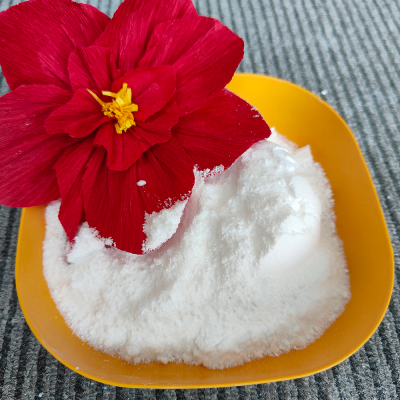
Buyers must carefully verify the physical appearance and state of the product. Market observations indicate that while some silica products appear as a liquid, the specific fumed silica variants relevant to high-performance applications are typically characterized as a powder. The color profile is a significant quality indicator, with descriptions ranging from standard White to Super White. This visual attribute often correlates with the purity and the specific surface treatment applied to the silica particles. The distinction between "Fumed silica," "Hydrophobic silica," and generic "Silica" is paramount. A product labeled specifically as "Hydrophobic silica" or "Fumed silica" with a hydrophobic treatment is chemically distinct from untreated hydrophilic silica, which would behave differently in non-polar solvents and coatings.
Technical Specifications and Performance Parameters
When evaluating technical specifications, the buyer must look beyond the generic name to the specific model numbers and standard grades provided by suppliers. Product models such as HL-612 and GESEESIL 200 represent specific formulations that may offer unique performance characteristics. The purity of the material is a critical specification, with observed data indicating a purity level of 99%. This high purity is essential for applications where trace impurities could compromise the integrity of the final product, particularly in electronics or cosmetic formulations.
The standard grade is another vital parameter. While some listings mention Industrial Grade, others specify Food Grade, indicating that the material can be sourced for different regulatory environments. The physical form is often described as a powder, but the particle size and surface area, though not explicitly quantified in the provided data, are implied by the "Fumed" designation. The hydrophobic nature is achieved through surface modification, often using silanes, which allows the silica to disperse in organic solvents rather than water. This property is further supported by the "Water-Solution" property attribute listed for some variants, suggesting specific solubility or dispersion behaviors that must be tested for the intended application.
Packaging standards also play a role in technical handling. Observations show packaging ranging from Kraft Bags with Pallets or Cartons to Wooden Boxes and specific bag weights like 10kg/Bag or 200 gsm. The choice of packaging can affect the moisture content and the potential for contamination during transit, which is crucial for maintaining the hydrophobic properties of the silica.
Compliance, Certification, and Regulatory Standards
Navigating the compliance landscape for Hydrophobic Fumed Silica involves verifying certifications and adherence to international standards. The supply chain data indicates that ISO certification is a recognized standard for these products. This certification suggests that the manufacturer adheres to specific quality management principles, which is a baseline requirement for many B2B transactions. Additionally, the presence of EINECS numbers (e.g., 7631-86-9) and CAS numbers (e.g., 14808-60-7) confirms the chemical identity and regulatory tracking of the substance within the European and global markets.
Buyers must verify the Grade Standard explicitly. The market offers both Industrial Grade and Food Grade options. If the intended application is in food processing, pharmaceuticals, or cosmetics, the Food Grade certification is non-negotiable. For industrial applications such as rubber compounding or construction materials, Industrial Grade may suffice, but the specific purity and impurity limits must be confirmed. The "Special Function" attributes listed, such as Flame Retardant and Antistatic, imply that the product may be marketed for safety-critical applications. In such cases, buyers should request specific test reports or data sheets that validate these functional claims against recognized safety standards, rather than relying solely on the product name.
Cost Drivers and Pricing Dynamics
The pricing of Hydrophobic Fumed Silica is influenced by several dynamic factors, including the specific model number, purity level, and the extent of surface modification. The observed price range in the market is substantial, spanning from $0.32 to $4,000. This wide variance suggests that the cost is not merely a function of weight but is heavily dependent on the complexity of the synthesis, the brand reputation, and the specific performance attributes required. High-performance grades, such as those used in electronics or high-end coatings, likely command the upper end of this spectrum, while bulk industrial grades may fall toward the lower end.
Minimum Order Quantity (MOQ) is another significant cost driver. The observed MOQ range is from 1 to 2,000 units. A low MOQ of 1 allows for small-scale testing and prototyping, which is essential for R&D departments, but it often comes with a higher unit cost. Conversely, an MOQ of 2,000 suggests a bulk industrial transaction where economies of scale significantly reduce the per-unit price. Buyers must balance their immediate needs with long-term volume requirements to optimize costs. The packaging type also impacts the final landed cost; for instance, Wooden Box packaging may incur higher shipping and handling fees compared to standard Kraft Bags, especially for international shipments.
Typical Applications and Usage Scenarios
Hydrophobic Fumed Silica is a versatile additive used across a diverse array of industries. The primary applications identified include its role as a thickening agent, glidant, emulsion stabilizer, and anticaking agent. In the coating industry, it is utilized in appliance paints, building coatings, car paints, furniture paints, and plastic coatings. Its ability to prevent sagging and improve flow control makes it indispensable in these formulations. The "Auxiliary System" is noted as a Water Type Coating Auxiliary Agent, indicating its compatibility with water-based systems, although its hydrophobic nature allows it to function in solvent-based systems as well.
Beyond coatings, the material serves as a key component in water treatment chemicals, textile auxiliary agents, surfactants, and rubber auxiliary agents. In the rubber industry, it acts as a reinforcing filler, while in plastics and paper chemicals, it enhances mechanical properties and flow. The "Application" field also lists Cosmetic and Appliance Paint, highlighting its dual role in consumer goods and industrial manufacturing. The specific model numbers, such as GESEESIL 200, are often tailored for these specific niches, offering optimized performance for thickening or rheology control.
Supplier Evaluation and Quality Control Protocols
Selecting a reliable supplier for Hydrophobic Fumed Silica requires a rigorous evaluation process. The geographic origin of the product is a key indicator of supply chain stability. Data points show origins in Jiangxi, Jiangsu, and Guangdong, China. While these regions are known for chemical manufacturing, buyers should verify the specific factory capabilities and quality control infrastructure. The "Brand Name" attribute, such as Yuejiang, indicates that branded products are available, which can be a proxy for consistent quality, though generic suppliers also exist.
Quality control should focus on verifying the "Quality" attribute, which is listed as "First Class." Buyers must demand independent test results to confirm this claim, specifically checking for particle size distribution, surface area, and loss on drying. The "Special Function" claims, such as flame retardancy or antistatic properties, must be validated through third-party testing. Additionally, the "Customization" availability suggests that suppliers can tailor the product to specific needs, but this requires a clear definition of specifications before production begins.
Long-Term Procurement and Supply Chain Considerations
Long-term procurement of Hydrophobic Fumed Silica involves more than just securing a single transaction. Buyers should consider the "Usage Stage" of the product, which is listed as the Storage Stage. This implies that the material has a shelf life and specific storage requirements to maintain its hydrophobic properties. Exposure to moisture can degrade the hydrophobic treatment, turning the silica back to a hydrophilic state. Therefore, the packaging integrity, such as the Kraft Bag with Pallet or Wooden Box, is critical for long-term storage.
The "Other Names" attribute, including R 974 and SiO2/Silicon dioxide, indicates that the product may be known by different trade names in different regions. Buyers should ensure that their procurement contracts clearly define the chemical identity to avoid confusion. Furthermore, the "Selling Units" being listed as "Single item" suggests flexibility in purchasing, but for large-scale operations, establishing a framework for bulk purchasing and consistent supply is essential. The "Standard" of 10KG/BAO or 200 gsm provides a baseline for inventory management, but buyers should confirm if these standards align with their internal logistics and handling capabilities.
Comparative Analysis of Product Variants
To assist in decision-making, the following table summarizes the key attributes observed in the market for Hydrophobic Fumed Silica and related silica products. This comparison highlights the diversity in specifications that buyers must navigate.
| Attribute | Variant A (General Silica) | Variant B (Fumed/Hydrophobic) | Variant C (Specialty Grade) |
|---|---|---|---|
| Product Model | Silica | Fumed silica / GESEESIL 200 | HL-612 |
| Appearance | Powder | Powder | Super White |
| Grade Standard | Industrial Grade | Industrial / Food Grade | Industrial Grade |
| Primary Usage | Glidant, Anticaking | Thickening, Coating | Appliance Paint, Electronics |
| Packaging | Kraft Paper Bag with Tray | 10kg/Bag, Wooden Box | 2mt/20' Gp; 4mt/40' Hq |
| Origin | Jiangxi, Changzhou | Jiangsu, Guangdong | Jiangsu, China |
| Key Certification | ISO | ISO | ISO |
| Special Function | None listed | Flame Retardant, Antistatic | Water-Solution |
This table illustrates that while the base chemical is consistent, the application-specific variants differ significantly in packaging, origin, and functional additives. Buyers must align their selection with the specific technical requirements of their end-use application to avoid performance failures.
FAQs
What grades of Hydrophobic Fumed Silica are available?
Both Industrial Grade and Food Grade options are available in the market. Buyers must verify the specific grade required for their application, as Food Grade is essential for cosmetics and food processing while Industrial Grade suits rubber and construction uses.
Which certifications do suppliers typically hold?
ISO certification is a recognized standard for these products in the supply chain. This indicates adherence to quality management principles, though buyers should request specific test reports to validate functional claims like flame retardancy or antistatic properties.
How does the appearance indicate product quality?
The color profile ranges from standard White to Super White, which often correlates with purity. High purity levels like 99% are critical for electronics or cosmetic formulations, making visual inspection a preliminary but not definitive quality check.
Can suppliers customize the product specifications?
Customization is available for buyers with specific technical needs. This requires a clear definition of specifications before production begins, allowing manufacturers to tailor the material for unique applications like thickening agents or specific coating systems.
What are the typical packaging options for shipping?
Packaging ranges from Kraft Bags with Pallets or Cartons to Wooden Boxes. The choice affects moisture content and contamination risks, which is crucial for maintaining hydrophobic properties during transit and long-term storage stages.
How does the minimum order quantity affect pricing?
The observed MOQ range spans from 1 to 2,000 units, significantly impacting unit costs. Low MOQs allow for prototyping but often carry higher prices, while bulk orders leverage economies of scale to reduce the per-unit cost substantially.
Where are the primary manufacturing origins located?
Products originate from regions including Jiangxi, Jiangsu, and Guangdong in China. While these areas are known for chemical manufacturing, buyers should verify specific factory capabilities and quality control infrastructure to ensure supply chain stability.