Source Hydroponic Glass Flower Vase for Home, Office, and Gift
Explore 30 listings for Hydroponic Glass Flower Vase options ranging from 0.1 to 10 USD with MOQs from 5 to 5000 units. Buyers can compare models like BV-272 and BX-M382, available in sizes from small to large, with features including clear finishes, screw caps, and customized packing for home, office, or decorative use.
Key considerations
Products List


Hydroponic Glass Vase/ Water Plant Vase/ Grace Glass Vase/Glass Flower Vase
$0.30 - $0.50
MOQ: 500 Pieces


Glass Flower Vase / Clear Glass Vase / Hydroponic Glass Vase for Home Decoration
$0.40 - $0.60
MOQ: 500 Pieces


Creative Irised Glass Vase Hydroponic Glass Vase for Home Tabletop Decoration
$2.00 - $5.00
MOQ: 300 Pieces


Flower Vase Nordic Modern Hydroponic Bubble Glass Vase Tabletop Home Decor
$2.00 - $5.00
MOQ: 300 Pieces


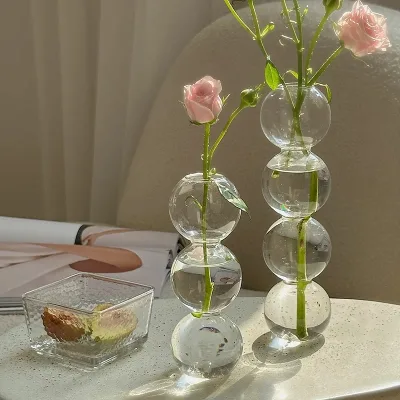


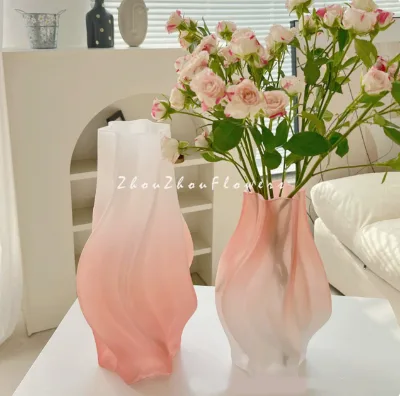
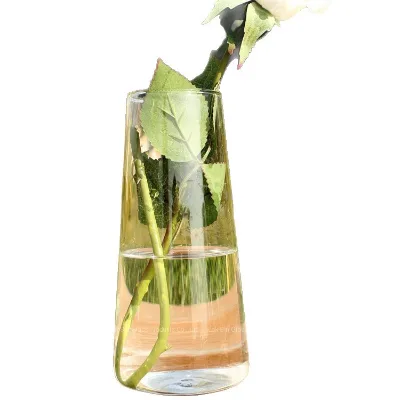
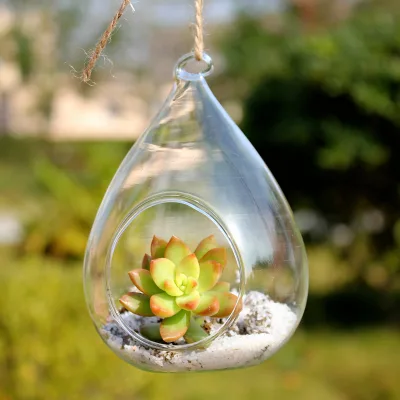
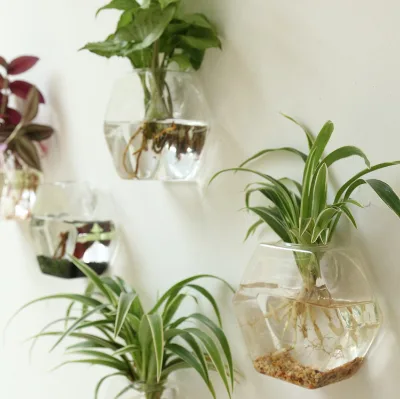
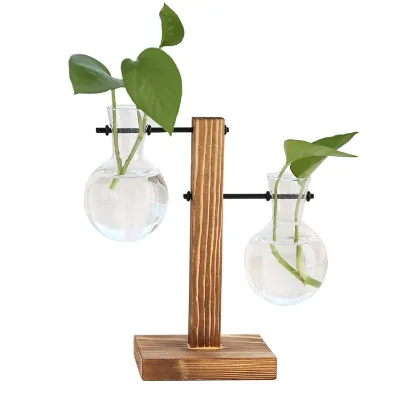

Gradient Simple Small Vase Glass Flower Arrangement Hydroponic Plant Glass Vase
$0.99 - $1.99
MOQ: 500 Pieces


Comprehensive Sourcing Guide
Sourcing Guide for Hydroponic Glass Flower Vases
Understanding Product Specifications and Variants
When sourcing hydroponic glass flower vases, buyers must first navigate a diverse landscape of product attributes that define functionality and aesthetic appeal. The core material for these items is consistently identified as glass, offering the necessary transparency and chemical inertness required for hydroponic systems where plant roots interact directly with water and nutrients. The observed product range includes specific models such as BV-272, BV-468, BV-457, BV-304, BV-543, and BV-471, alongside daily use variants like 1778D and BX-M382. These model numbers serve as critical identifiers for procurement teams to ensure they are ordering the exact configuration required for their inventory.
Size is a primary differentiator in this category. The market data indicates a spectrum of dimensions ranging from small to large. Specific standard measurements observed include 15x40cm H, 1819cm H, and 16.526.5cm H. Buyers must align these physical dimensions with the scale of the plants they intend to cultivate. For instance, a "Medium" size specification is common, but larger hydroponic setups may require the "Large" variants, while compact office arrangements might necessitate "Small" options. The shape of the vessel is equally critical; while many products are categorized under the general "Vase" type, specific designs include "Plants" and "Bottle" shapes. This distinction affects how the hydroponic solution is held and how the plant is supported.
The finishing process also varies, with "Clear" finishes being a dominant trait for transparency, allowing buyers to monitor root health and water clarity. However, "Color Glazed" options are also available, providing a decorative alternative for non-hydroponic or mixed-use applications. The production method is typically "Machine Made," ensuring consistency in wall thickness and volume, though "Blown" glass processes are noted for specific artisanal models. These technical specifications form the baseline for any procurement strategy, as they directly impact the vase's suitability for hydroponic environments.
Compliance, Standards, and Origin Verification
In the B2B context of sourcing glassware, verifying the origin and adherence to standards is paramount for supply chain stability. The primary manufacturing locations identified in the market data are China, specifically within the provinces of Shandong and Zhejiang. These regions are known for their established glass manufacturing clusters. When engaging with suppliers, buyers should explicitly confirm the "prod_origin" to ensure it matches their logistical expectations and to assess potential tariff implications based on trade agreements.
Regarding standards, the data presents a mix of specific and generic classifications. Some products adhere to a standard labeled "M," while others are marked as "Customized." Notably, specific capacity standards are observed, such as "1000ml," which serves as a benchmark for volume consistency. However, not all products carry a universal certification standard; many are defined by their dimensions, such as the 15x40cm H specification. Buyers must understand that "Customized" standards often imply that the product is tailored to a specific order rather than conforming to a pre-existing mass-market standard.
It is crucial to verify that the glass material meets safety requirements for food and beverage contact if the vases are intended for dual use, such as holding water for plants and potentially for other household purposes. While the provided data does not list specific third-party certifications like FDA or LFGB, the presence of "OEM: Yes" indicates that suppliers are capable of meeting specific client requirements, which may include custom compliance testing. Buyers should request documentation regarding the lead content and heavy metal content of the glass, especially for products intended for home and office environments where human exposure is possible. The "Standard" field often reflects the manufacturer's internal quality tier, so a "Customized" standard should be treated as a prompt to define the exact quality parameters in the purchase order.
Cost Drivers and Pricing Dynamics
The pricing structure for hydroponic glass flower vases is influenced by several interconnected factors, primarily driven by customization, volume, and finishing techniques. The observed price range in the market spans from 0.1 to 10 USD per unit. This wide variance suggests that the base cost is heavily dependent on the complexity of the design and the scale of the order. Simple, clear, machine-made bottles in standard sizes likely occupy the lower end of this spectrum, while custom-colored, glazed, or uniquely shaped vases command higher prices.
Volume is a significant cost driver, reflected in the Minimum Order Quantity (MOQ) range of 5 to 5000 units. Buyers seeking to minimize upfront capital expenditure may find suppliers with an MOQ of 5, which is ideal for sampling or small boutique orders. Conversely, large-scale commercial procurement often targets the higher end of the MOQ spectrum to secure better unit economics. The "Customized" nature of the packing, which includes options for cartons, pallets, or bespoke packaging, also adds to the cost. Standard packaging in cartons is generally more economical, whereas custom-branded or specialized pallet configurations will increase the per-unit price.
Furthermore, the "Style" of the product plays a role in pricing. "Creative" and "Fashion" styles often involve more intricate molding or finishing processes, such as the "Color Glazed" treatments, which add labor and material costs compared to standard "Clear" finishes. The "Sealing Type" is another variable; while many vases are open for hydroponic use, some models feature a "Screw Cap," which adds a component cost and assembly time. Buyers should analyze the total landed cost, including the price of the unit, the cost of the chosen packaging, and any additional fees for customizing the product model or standard, to determine the true cost efficiency of a supplier.
Typical Applications and Usage Scenarios
The versatility of hydroponic glass flower vases extends across multiple sectors, driven by their dual function as functional planters and decorative objects. The primary application is "Home" decoration, where these vases serve as focal points in living rooms, kitchens, or balconies. The "Modern" and "Everyday" age classifications suggest that these products are designed for contemporary interior design trends, fitting seamlessly into minimalist or industrial-style homes. The transparency of the glass allows the hydroponic system's mechanics to be visible, adding an educational and aesthetic element to home gardening.
In the commercial sector, "Office" applications are equally significant. These vases are frequently used in corporate lobbies, reception areas, and workspaces to introduce biophilic design elements that improve air quality and employee well-being. The "Bottle" and "Vase" shapes are particularly suited for office desks, where space is often limited, and the "Small" size specification ensures they do not clutter the workspace. The "Decoration" usage attribute confirms their role in enhancing the visual appeal of these environments.
Beyond static decoration, these products serve as "Gift" items and "Collection" pieces. The "Fashion" and "Creative" styles make them attractive for gifting, especially when paired with a specific plant or hydroponic nutrient kit. The "Beverage" usage attribute, while less common for hydroponic setups, indicates that some models are robust enough for dual-purpose use, such as holding water for plants and potentially serving as carafes or decorative drinkware in casual settings. The "Daily use" model designation reinforces their durability for frequent handling. Buyers should consider these varied applications when selecting models, ensuring the size and shape align with the intended environment, whether it is a high-traffic office or a delicate home display.
Supplier Evaluation and Customization Capabilities
Evaluating suppliers for hydroponic glass flower vases requires a focus on their ability to handle customization and maintain consistent quality. The data confirms that "Customization" is an available attribute, and "OEM: Yes" is a standard offering. This means suppliers are equipped to produce private-label goods, allowing buyers to brand the vases with their own logos or specific design requirements. The "Customized" status for packing and standards further indicates flexibility in meeting unique client needs.
When assessing a supplier, buyers should verify their capacity to handle the full range of models observed, from the BV series to the daily use variants. A supplier that can produce both "Machine Made" and "Blown" glass indicates a diverse manufacturing capability. The "Processing" method should be consistent with the buyer's quality expectations; machine-made items offer uniformity, while blown items may offer unique textures. The "Rizhao" and "Zhejiang" origins suggest specific regional expertise, and buyers should inquire about the specific factory capabilities within these regions.
Customization extends beyond the product itself to the packaging. Options include "Carton," "Pallet," or "Customized" packing. Buyers should evaluate the supplier's ability to provide protective packaging that minimizes breakage during transit, especially for glass products. The "Standard" field, which can be "M" or "Customized," requires clarification during the negotiation phase. A supplier offering "Customized" standards is better positioned to meet specific quality benchmarks set by the buyer. Additionally, the "Sealing Type" availability, such as "Screw Cap," should be confirmed if the buyer requires sealed hydroponic systems.
Quality Control and Long-Term Procurement Strategy
Quality control for glass vases must address both structural integrity and aesthetic consistency. The "Clear" finish and "Color Glazed" options require rigorous inspection to ensure there are no bubbles, cracks, or uneven coloring. Since the processing is largely "Machine Made," buyers should request samples to verify the consistency of the wall thickness and the precision of the mold. For "Blown" glass, the inspection criteria should focus on the uniqueness of the shape and the absence of stress points that could lead to breakage.
Long-term procurement considerations involve establishing a reliable supply chain that can scale with demand. The observed MOQ range of 5 to 5000 units allows for a phased approach, starting with small orders to test quality and scaling up to larger volumes. Buyers should maintain open communication regarding the "prod_model" to ensure that the specific design features, such as the "15x40cm H" dimensions, remain consistent across production runs. The "Customized" packing options should be standardized early in the relationship to streamline logistics.
Furthermore, buyers should consider the "Age" of the product design. "Modern" and "Everyday" styles suggest a timeless appeal, reducing the risk of the product becoming obsolete. However, the "Fashion" and "Creative" attributes indicate that trends may shift, requiring buyers to stay agile in their ordering patterns. Regular quality audits and the establishment of clear acceptance criteria based on the observed standards (e.g., "1000ml" capacity, specific dimensions) are essential for maintaining product integrity. By focusing on these technical and operational details, buyers can ensure a successful and sustainable sourcing strategy for hydroponic glass flower vases.
Comparative Analysis of Product Attributes
To facilitate decision-making, the following table summarizes the key attributes observed in the market, highlighting the variations available to buyers.
| Attribute Category | Observed Options | Relevance to Hydroponic Sourcing |
|---|---|---|
| Material | Glass | Essential for chemical resistance and visibility of roots. |
| Size | Small, Medium, Large | Determines capacity for plant growth and nutrient solution. |
| Shape | Plants, Bottle, Vase | Affects root distribution and aesthetic integration. |
| Color/Finish | Transparent, Clear, Color Glazed, Custom | Impacts light transmission and visual appeal. |
| Processing | Machine Made, Blown | Influences consistency and potential for unique designs. |
| Origin | China (Shandong, Zhejiang) | Affects lead time, shipping costs, and trade regulations. |
| Packing | Carton, Pallet, Customized | Critical for minimizing breakage and logistics efficiency. |
| Standard | M, Customized, 1000ml, Dimensions | Defines quality benchmarks and capacity specifications. |
| Usage | Decoration, Home, Office, Gift, Beverage | Guides selection based on the end-user environment. |
| Customization | Available (OEM, Packing, Standard) | Enables branding and specific functional requirements. |
This comparison underscores the need for buyers to clearly define their requirements before engaging with suppliers. The diversity in options allows for tailored solutions but requires careful evaluation to ensure the selected product meets the specific needs of the hydroponic system and the target market.
FAQs
What customization options are available for these vases?
Customization is available for these hydroponic glass flower vases, including custom colors, shapes, and packing methods. Suppliers offer OEM services with options like customized cartons or pallets to meet specific branding needs.
Which sizes are offered for hydroponic glass flower vases?
The products come in small, medium, and large sizes to suit different plant requirements. Specific dimensions include 15x40cm H, 18x19cm H, and 16.5x26.5cm H depending on the model selected.
Can I find vases with specific sealing types?
Yes, some models feature a screw cap sealing type for secure hydroponic setups. Most standard vases are open, but sealed options exist for specific beverage or decorative applications requiring containment.
What materials are used to make these vases?
These vases are made from glass, offering transparency and chemical inertness suitable for hydroponic systems. The material ensures durability while allowing visibility of roots and water levels in the vessel.
How do I determine the correct model for my needs?
Select a model based on specific dimensions and usage, such as BV-272 for home decoration or BX-M382 for office use. Models vary in size, shape, and finish to match different interior styles and plant types.
What are the typical minimum order quantities?
Minimum order quantities range from 5 to 5000 units depending on the supplier and customization level. Buyers can start with small samples or scale up to large pallet orders for better unit economics.
Where are these glass vases manufactured?
These vases are manufactured in China, with specific origins in Shandong and Zhejiang provinces. These regions host established glass manufacturing clusters known for producing high-quality transparent and glazed glassware.