Source IBC Tank for Chemical, Medical, and Food Applications
Compare 30 IBC Tank options from verified suppliers featuring HDPE inner receptacles and galvanized steel cages. These reusable containers support liquid storage for chemical, medical, and industrial uses with customizable packaging.
Key considerations
Products List


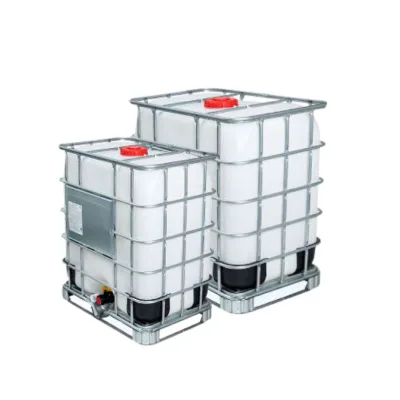
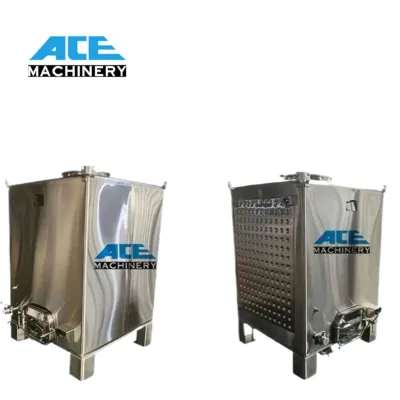
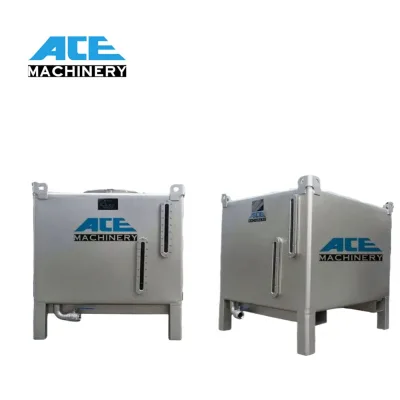


High Quality Customized Stainless Steel IBC Tank for Chemical Storage
$1000.00 - $200000.00
MOQ: 1 Pieces


Comprehensive Sourcing Guide
Strategic Sourcing Guide for Intermediate Bulk Containers (IBC Tanks)
Intermediate Bulk Containers (IBCs), often referred to as IBC totes, represent a critical component in modern supply chains for the storage and transportation of liquids. For procurement professionals, selecting the right IBC Tank requires a nuanced understanding of material compatibility, structural integrity, regulatory compliance, and total cost of ownership. The market offers a diverse array of configurations, ranging from single-use plastic units to heavy-duty stainless steel assemblies. This guide synthesizes available product data and industry standards to provide a structured approach for sourcing these essential assets.
Technical Specifications and Material Composition
The primary differentiator among IBC tanks is the material composition of the inner receptacle and the outer cage. Based on current market observations, the inner bottle is frequently constructed from High-Density Polyethylene (HDPE). This material is selected for its chemical resistance and durability, making it suitable for a wide range of non-hazardous and mildly hazardous liquids. The outer structure, which provides the necessary mechanical strength for stacking and handling, is typically fabricated from galvanized steel. Specific grades observed in the market include DC51D for the outer packaging and DC 53D for the pallet base, ensuring robust protection against impact and environmental wear.
For applications requiring higher purity or resistance to aggressive chemicals, stainless steel variants are available. These units often feature a stainless steel inner tank, offering superior longevity and hygiene compared to plastic alternatives. The structural design of these tanks is predominantly square or rectangular, optimizing space utilization in warehouses and shipping containers. Dimensions vary, with common specifications including a footprint of approximately 1000mm × 650mm and a height of 1145mm, though custom dimensions are frequently available to meet specific logistical needs.
The valve system is another critical technical specification. Standard configurations often utilize a DN50 butterfly valve, constructed from materials compatible with the stored liquid, such as HDPE. The top cover is designed to be either a blank cover or a vent cover, depending on the volatility of the contents. Some advanced models include optional heating coils, which are essential for maintaining the viscosity of certain chemicals during transport in colder climates. The maximum permitted gross weight for standard units is observed to be around 2011kg, with a maximum stacking load capacity of 2253kg, ensuring stability during multi-tier storage.
Compliance and Certification Verification
Navigating the regulatory landscape is paramount when sourcing IBC tanks, particularly for the transport of dangerous goods. The International Maritime Dangerous Goods (IMDG) code is a primary standard referenced in the market, dictating the design, testing, and marking requirements for containers used in sea freight. Buyers must verify that the supplier's products explicitly comply with IMDG standards. Additionally, the ISOCondition:New status indicates that units should be delivered in pristine condition, free from previous contamination or structural fatigue.
Certification verification is a complex area where buyers must exercise caution. While some product listings reference TUV and ISO certifications, others indicate that certificates are "Un Available." This discrepancy highlights the necessity for buyers to request specific, valid documentation for each batch rather than relying on general marketing claims. A valid certification should confirm that the tank has passed rigorous testing protocols, including hydraulic tests at 100kpa and leakproofness tests at 20kpa. The dropping test height of 1.9m is another critical benchmark; the tank must withstand this impact without leaking or rupturing to maintain its safety rating.
Buyers should also verify the origin of the product. Many units originate from Jiangsu, China, a major manufacturing hub. While this location offers competitive pricing, it necessitates a thorough review of the supplier's quality management systems to ensure consistent adherence to international standards. The presence of a "Standard" field marked as "Customized" in some listings suggests that while standard models exist, many units are tailored to specific client requirements, which may alter their compliance status.
Cost Drivers and Pricing Dynamics
The pricing of IBC tanks is influenced by a multitude of factors, creating a wide observed range from $50 to $250,000 USD. This vast disparity is not indicative of a single product type but rather reflects the spectrum from simple, single-use plastic totes to complex, custom-engineered stainless steel systems with integrated heating and monitoring capabilities. The primary cost drivers include the material of the inner receptacle, the complexity of the outer cage, and the level of customization required.
Stainless steel units command a significantly higher price point due to the raw material costs and the precision manufacturing involved. Conversely, HDPE tanks with galvanized steel cages offer a more economical solution for general industrial applications. The Minimum Order Quantity (MOQ) also plays a role in unit pricing, with observed ranges between 1 and 50 units. Buyers purchasing in smaller quantities may face higher per-unit costs, while bulk orders can leverage economies of scale.
Additional cost considerations include packaging and logistics. Products are often shipped with foam bags for protection or on steel pallets and saddles to facilitate handling. Seaworthy freight packaging is standard for international shipments, adding to the overall landed cost. Customized packaging solutions, while increasing the initial expense, can reduce damage rates and improve efficiency during unloading. Buyers should also factor in the cost of optional features, such as heating coils or specialized valve configurations, which can substantially increase the final invoice.
Typical Applications and Industry Suitability
The versatility of IBC tanks makes them suitable for a broad spectrum of industries. The observed application fields include chemical processing, medical supply, food and beverage, and general industrial manufacturing. In the chemical sector, the chemical resistance of HDPE and stainless steel is leveraged to store solvents, acids, and bases safely. The medical industry relies on the cleanability and non-reactive nature of these containers for storing pharmaceutical ingredients and bulk liquids.
For the food and beverage industry, the "Eco-Friendly" feature of certain units and the availability of food-grade materials are critical. The square shape of the tanks allows for efficient stacking in cold storage or dry warehouses, maximizing space utilization. The design is explicitly reusable, supporting sustainability initiatives by reducing the need for single-use packaging. However, the specific application dictates the necessary material and certification. For instance, storing food-grade products requires strict adherence to hygiene standards, whereas industrial chemicals may prioritize chemical resistance over aesthetic or food-safety certifications.
Supplier Evaluation and Sourcing Strategy
When evaluating potential suppliers, buyers must look beyond the basic product listing. The availability of OEM and ODM customization is a strong indicator of a supplier's capability to meet specific requirements. A supplier that accepts custom orders demonstrates flexibility in design, material selection, and branding. However, the presence of "Customized" attributes in product descriptions should be treated as an observation of capability rather than a guarantee of standard inventory.
Buyers should prioritize suppliers who can provide clear evidence of their manufacturing processes and quality control measures. The distinction between "New" condition and refurbished units is vital; procurement should focus on suppliers who guarantee new products to ensure structural integrity and compliance. The origin location, such as Jiangsu, China, should be verified against the supplier's actual facility to avoid intermediaries who may lack direct oversight of production quality.
Furthermore, the supplier's ability to handle the full lifecycle of the product is essential. This includes providing appropriate documentation for recycling or disposal, given the "Eco-Friendly" nature of the products. A reliable supplier will also offer guidance on the proper handling and maintenance of the tanks to extend their service life.
Quality Control and Testing Protocols
Ensuring the quality of IBC tanks requires a rigorous approach to testing and inspection. The hydraulic test pressure of 100kpa and leakproofness test pressure of 20kpa are standard benchmarks that must be met. Buyers should request test reports for every batch, verifying that the tanks have undergone these specific pressure tests without failure. The dropping test height of 1.9m is another critical metric; the tank must be able to withstand a drop from this height onto a hard surface without leaking.
Visual inspection is also necessary to check for defects in the outer cage, such as rust or structural weaknesses, and to ensure the inner bottle is free from cracks or deformities. The material of the top cover, whether TPE or another polymer, should be inspected for integrity. The valve assembly must be checked for smooth operation and proper sealing. For stainless steel units, a passivation test may be required to ensure the surface is free of contaminants that could lead to corrosion.
Long-Term Procurement Considerations
Sourcing IBC tanks is not merely a transactional activity but a strategic decision that impacts long-term operational efficiency. The reusable design of these tanks supports sustainability goals, reducing waste and lowering the carbon footprint of the supply chain. However, the long-term viability of the investment depends on the durability of the materials and the frequency of replacement.
Buyers should consider the total cost of ownership, including maintenance, cleaning, and eventual disposal. Units with galvanized steel cages offer better resistance to corrosion, extending their lifespan in harsh environments. The availability of spare parts, such as valves and covers, is also crucial for maintaining the operational readiness of the fleet. Customized packaging and dimensions can streamline logistics, reducing handling time and the risk of damage during transit.
In conclusion, sourcing IBC tanks requires a balanced approach that weighs technical specifications, compliance requirements, and cost factors. By focusing on verified certifications, robust material selection, and reliable suppliers, buyers can secure high-quality containers that meet their specific operational needs while adhering to safety and environmental standards. The wide range of options available, from standard HDPE units to custom stainless steel systems, allows for tailored solutions that optimize efficiency and safety across various industries.
FAQs
What materials are used for the inner receptacle of IBC tanks?
The inner receptacle is frequently constructed from High-Density Polyethylene (HDPE) or Stainless Steel. HDPE offers chemical resistance for general liquids, while stainless steel provides superior hygiene for medical or aggressive chemical applications.
Which certifications should I verify for IBC Tank compliance?
Buyers must verify compliance with the IMDG standard and check for ISO or TUV certifications. Some listings indicate certificates are unavailable, so request specific documentation for hydraulic and leakproofness tests before purchasing.
Can I customize the dimensions and packaging of the IBC Tank?
Yes, customization is available for dimensions, packaging, and specific features like heating coils. Standard dimensions are often 1000mm by 650mm by 1145mm, but suppliers accept custom orders for tailored logistical needs.
What is the maximum stacking load and gross weight for these tanks?
The maximum permitted gross weight is 2011kg, with a stacking load capacity of 2253kg. These limits ensure stability during multi-tier storage and safe handling in industrial or shipping environments.
How do I verify the quality of the IBC Tank before shipment?
Verify quality by requesting test reports for hydraulic pressure at 100kpa and leakproofness at 20kpa. The tank must also withstand a dropping test from 1.9m without rupturing to maintain its safety rating.
What are the typical applications for IBC tanks in different industries?
These tanks are suitable for chemical, medical, food, and industrial applications. The square shape and reusable design optimize space and support sustainability, provided the material matches the specific liquid being stored.