Source IATF16949 Rubber Engine Mount for Medical, Household, Electronic
Compare 30 verified listings for IATF16949 Rubber Engine Mount suitable for medical, household, and electronic applications. Buyers can evaluate specifications like hardness, material, and certifications including ISO9001 and ISO/TS16949 from suppliers in China; compare the available evidence and request quotations based on your requirements.
Key considerations
Products List


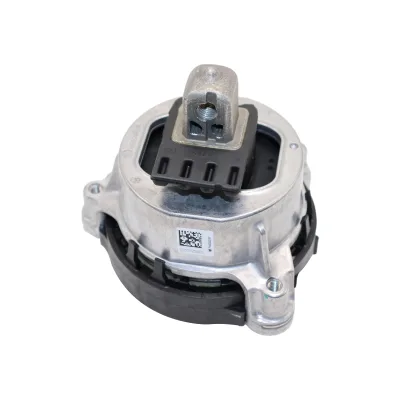


Hot Sales Engine Mount Rubber Motor Mount for Renault OEM  8200014931
$4.50 - $5.00
MOQ: 200 Pieces


Hot Sales Rubber Engine Mounting Motor Parts for Toyota OEM  52380-42082
$4.50 - $5.00
MOQ: 200 Pieces

Hot Sales Rubber Engine Mounting Motor Parts for Toyota OEM  12361-28221
$4.50 - $5.00
MOQ: 200 Pieces


Comprehensive Sourcing Guide
IATF16949 Rubber Engine Mount Sourcing Guide
Sourcing IATF 16949 certified rubber engine mounts requires a disciplined approach to verifying both material integrity and manufacturing compliance. These components are critical for isolating engine vibrations and reducing noise transmission into the vehicle cabin, ensuring a smoother driving experience. Buyers must prioritize suppliers who demonstrate rigorous adherence to automotive quality management systems, as this certification ensures consistent production standards across global supply chains. The focus should remain on identifying manufacturers who can provide transparent documentation of their quality processes and material traceability.
The procurement process involves evaluating multiple technical and commercial factors to ensure the selected mounts meet specific vehicle requirements. Key considerations include the hardness of the rubber compound, the structural design of the mount, and its compatibility with the intended engine type. Buyers should also assess the supplier’s ability to customize products according to specific engineering drawings or performance criteria. This guide outlines the essential steps for evaluating potential suppliers, verifying technical specifications, and establishing robust quality control measures to mitigate supply chain risks.
Product Scope and Observed Listing Signals
The market for rubber engine mounts encompasses a wide variety of designs tailored to different vehicle applications and performance needs. Observed listings indicate that suppliers often offer customizable solutions, allowing buyers to specify dimensions, hardness, and mounting configurations. Some products are designed for specific car makes, such as Toyota, while others are generic enough to fit multiple platforms. The presence of OEM/ODM services suggests that manufacturers are equipped to handle bespoke orders, which is crucial for original equipment manufacturers and aftermarket distributors seeking unique solutions.
Listing signals also reveal variations in packaging and shipping methods, reflecting the logistical preferences of different buyers. Products are typically packed in inner polybags with carton boxes or in cartons with wooden cases for heavier items. Shipping options include sea, air, or express delivery, depending on the urgency and volume of the order. Buyers should note that some listings mention specific models or part numbers, which can aid in identifying exact replacements or compatible components. Understanding these signals helps in narrowing down the supplier pool to those who align with specific procurement needs.
Technical Specifications to Verify
Verifying technical specifications is paramount to ensuring that the rubber engine mounts perform as expected under various operating conditions. Key attributes to confirm include the material composition, such as neoprene or NBR, which affect durability and resistance to oils and temperature fluctuations. The hardness of the rubber, often measured in Shore A, is another critical factor, with typical ranges varying based on the desired level of vibration isolation. Buyers should request detailed material data sheets to verify these properties and ensure they match the vehicle’s engineering requirements.
Structural design elements, such as the number of cylinders or the type of spring used, also play a significant role in the mount’s performance. Some mounts feature double-cylinder structures for enhanced stability, while others may incorporate air springs or coil springs for specific damping characteristics. The position of the mount, whether front or rear, and its compatibility with drum brakes or other suspension components, must be carefully checked. Buyers should ensure that all technical details are clearly documented and that the supplier can provide samples for testing before committing to large orders.
Compliance and Safety Documentation
Compliance with international standards is essential for ensuring the safety and reliability of rubber engine mounts in automotive applications. IATF 16949 certification is a key indicator of a supplier’s commitment to quality management systems tailored to the automotive industry. Buyers should verify that the supplier holds this certification and can provide valid certificates upon request. Additionally, other certifications such as ISO 9001 and ISO 14001 may indicate broader quality and environmental management practices, which can be beneficial for sustainable procurement initiatives.
Safety and environmental regulations, such as RoHS and REACH, also need to be considered, especially for exports to regions with strict chemical restrictions. Buyers should ensure that the rubber compounds used in the mounts do not contain hazardous substances and that the supplier can provide relevant test reports. Documentation should include material safety data sheets and compliance statements for all components. Verifying these documents helps mitigate legal and reputational risks associated with non-compliant products and ensures that the mounts meet global safety standards.
Cost Drivers and Commercial Terms
Understanding the cost drivers associated with rubber engine mounts is crucial for effective budgeting and negotiation. Factors such as material costs, manufacturing complexity, and customization requirements significantly influence the final price. Buyers should request detailed quotations that break down these costs to identify areas for potential savings. Volume discounts and tiered pricing structures are common, so negotiating based on projected order quantities can lead to favorable terms. Additionally, considering the total cost of ownership, including shipping and handling, provides a more accurate picture of the financial impact.
Commercial terms, including payment methods, lead times, and return policies, also play a vital role in the procurement process. Buyers should clarify these terms upfront to avoid misunderstandings and ensure smooth transactions. Sample charges and lead times for samples should be confirmed, as some suppliers offer free samples within a few days. Packaging requirements and shipping methods should be agreed upon to prevent additional costs or delays. Establishing clear commercial terms helps in building a transparent and efficient supply chain relationship.
Supplier Qualification and Quality Control
Supplier qualification is a critical step in ensuring that the selected manufacturer can consistently deliver high-quality rubber engine mounts. Buyers should conduct thorough due diligence, including site visits or virtual audits, to assess the supplier’s production capabilities and quality control processes. Verifying the supplier’s experience in the automotive industry and their track record with similar products can provide insights into their reliability. Additionally, checking for any past quality issues or customer complaints can help in making an informed decision.
Quality control measures, such as incoming material inspections, in-process checks, and final product testing, should be clearly defined and agreed upon. Buyers should request quality control plans and inspection reports to ensure that the supplier adheres to strict standards. Implementing a robust quality assurance program, including regular audits and performance reviews, helps in maintaining consistent product quality. Establishing clear communication channels and feedback loops with the supplier can also facilitate continuous improvement and address any issues promptly.
Long-Term Procurement Checks
Long-term procurement checks are essential for maintaining a stable and reliable supply of rubber engine mounts. Regular performance evaluations of the supplier, including on-time delivery rates and product quality metrics, help in identifying potential issues early. Buyers should establish key performance indicators (KPIs) and review them periodically to ensure that the supplier meets agreed-upon standards. Continuous monitoring and feedback mechanisms enable proactive management of the supply chain and foster a collaborative relationship with the supplier.
Adapting to market changes and technological advancements is also crucial for long-term success. Buyers should stay informed about industry trends and emerging technologies that may impact the design or performance of rubber engine mounts. Regularly reviewing and updating procurement strategies ensures that the supply chain remains competitive and resilient. Building strong relationships with suppliers and exploring alternative sources can mitigate risks associated with supply disruptions. By focusing on long-term checks and strategic planning, buyers can secure a reliable and cost-effective supply of high-quality rubber engine mounts.
FAQs
How do I request a sample of an IATF16949 Rubber Engine Mount?
You can request samples directly from the manufacturer, and sample charges are typically free for qualified buyers. Sample production usually takes one to three days, depending on the mold and specification. Confirm the hardness range, mounting size such as M8, and any special damping requirements before the sample is made so the trial part matches your application.
What certifications should I verify when sourcing rubber engine mounts?
Look for IATF16949, listed as Ts16949, for automotive supply, plus ISO9001 and ISO14001 quality and environmental management systems. RoHS compliance matters for electronic and export applications. Always request current certificates and scope documents, since certification coverage can differ between factories and product lines, and confirm which certificate applies specifically to the rubber mount production process.
Which hardness options are available for rubber engine mount components?
Rubber engine mount components are commonly offered in hardness ranges from 30-90 Shore A, with some listings specifying 50-60 Shore hardness. The right durometer depends on your vehicle weight, vibration frequency, and damping requirements. Discuss your application conditions with the supplier so the compound and hardness are selected to match the intended load and isolation performance.
Can rubber engine mounts be customized to my drawings and specifications?
Yes, customization is available and OEM and ODM orders are welcomed. Suppliers typically produce according to customer drawings, with models made as custom parts. Provide the cross-section shape, mounting dimensions, rubber material such as neoprene or NBR, hardness, and any metal parts such as zinc or stainless steel fittings. Tooling and sample lead times should be confirmed at quotation.
What packaging options are used when shipping engine mounts?
Common packing includes an inner polybag with carton box, or carton box with wooden case for heavier loads. Shipping can be arranged by sea, air, or express according to customer request. Specify your preferred packing method at order confirmation, especially for heavy-duty mounts, since wooden cases add protection for container transport of cast metal and bonded rubber parts.
What is the typical production capacity for rubber engine mounts?
Some factories list production capacity around 2500 pieces per month for related automotive parts. Capacity varies by supplier, mount size, and whether the item is a standard or custom model. When planning volume orders, ask each manufacturer for confirmed monthly output, tooling limits, and delivery schedules, then match that against your annual requirement and replenishment frequency.
Which applications use rubber engine mounts besides automotive engines?
Beyond vehicle engines, these rubber mounts serve A/C units, pumps, generators, and general machinery vibration isolation. The usage range spans medical, household, electronic, vehicle, agricultural, and industrial equipment. Air spring, coil spring, and hydraulic damper designs with single or double cylinder structures are also used for heavy loading and bidirectional damping applications.
Can I order engine mounts in small quantities for testing?
Yes, minimum order quantities can start as low as one piece on some listings, though MOQ ranges up to 1000 pieces depending on the supplier and model. Small trial orders are practical for prototype and validation testing before committing to volume production. Confirm the MOQ for your specific customized model, since tooling amortization may affect low-quantity pricing.