Source IATF 16949 Brake Disc Pads for Cars, Trucks, SUVs
Find 30 verified listings for IATF 16949 Brake Disc Pads suitable for automotive brake systems. Compare specifications, certifications, and pricing from suppliers in China to find the right parts for your vehicle needs; compare the available evidence and request quotations based on your requirements.
Updated
Key considerations
Products List


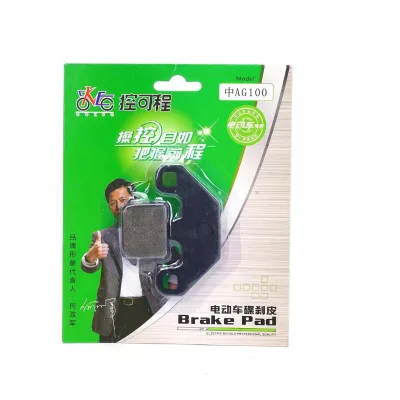
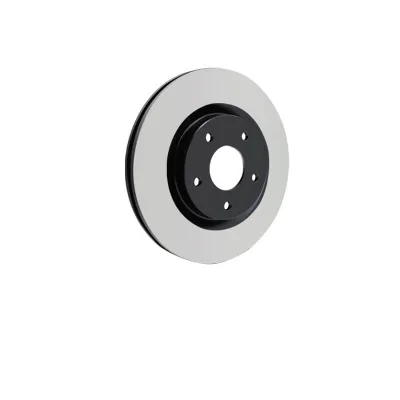
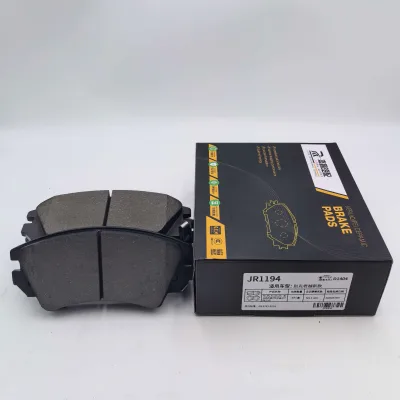
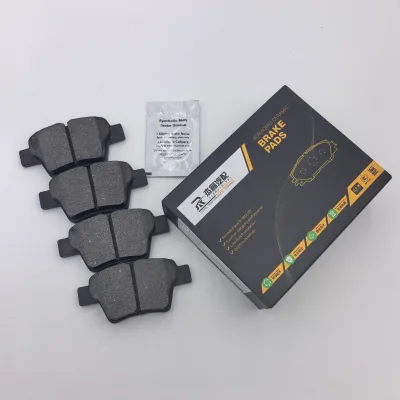
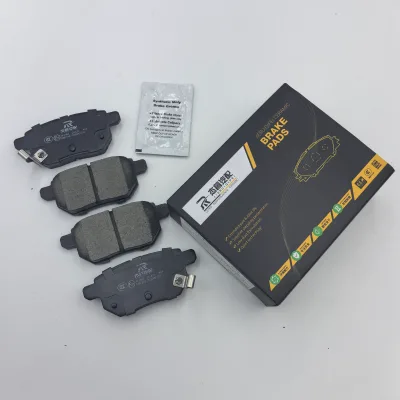
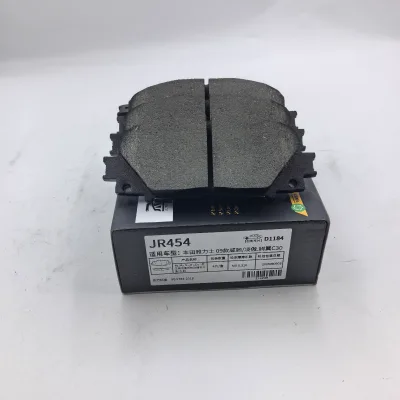
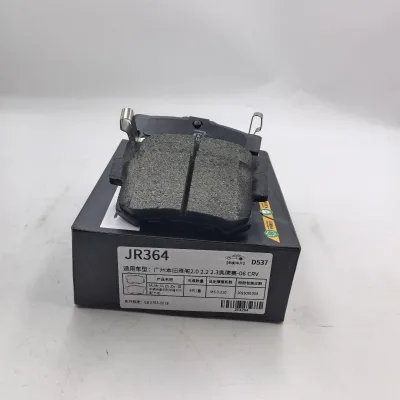
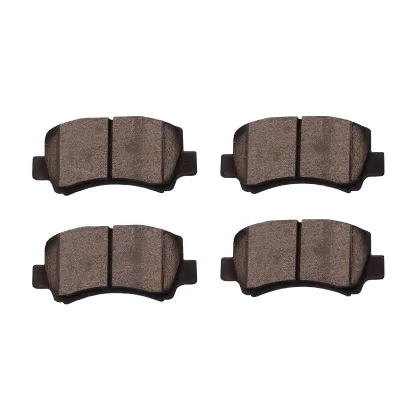


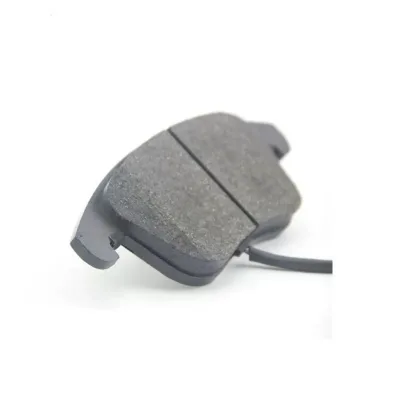

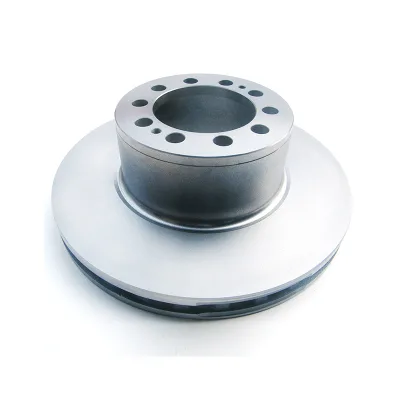
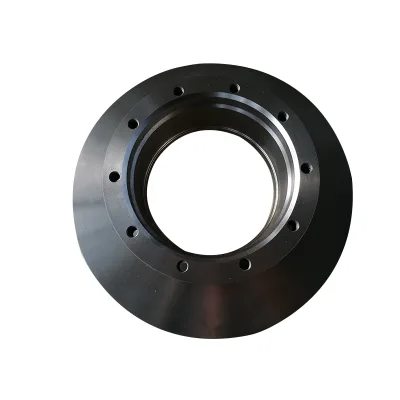
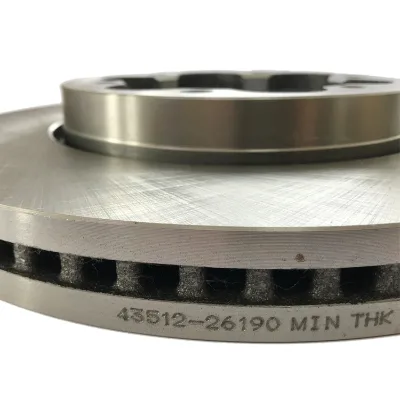
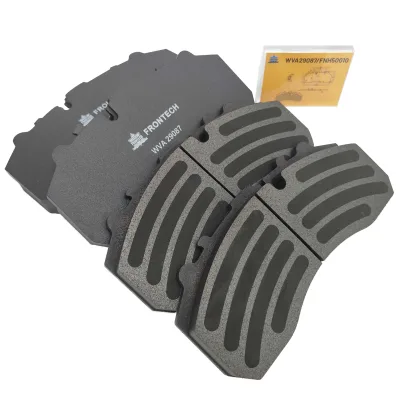
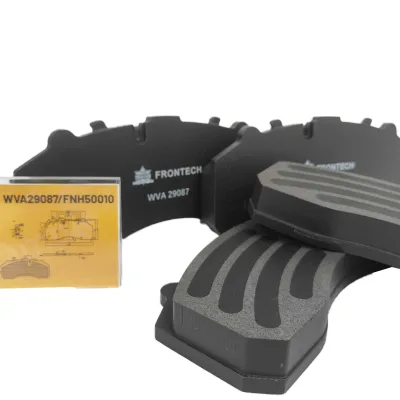
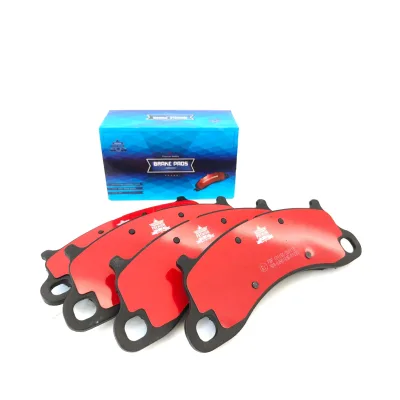
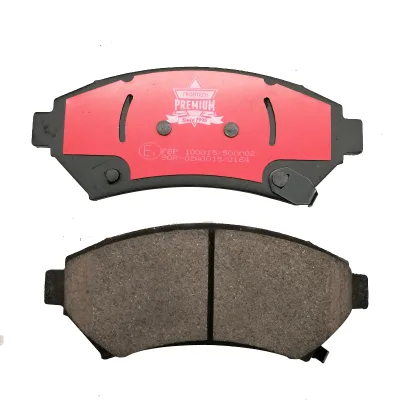

Comprehensive Sourcing Guide
IATF 16949 Brake Disc Pads Sourcing Guide
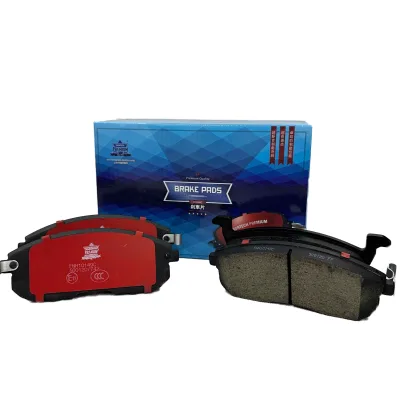
Procurement professionals must first distinguish between brake pads and brake discs, as the supplied data explicitly lists brake pads and brake linings rather than disc rotors. The available product listings describe components for automotive brake systems with specific model numbers like 571847B and FDB4299, intended for vehicles such as Hyundai and Toyota. Buyers should verify that the specific component matches their vehicle's braking architecture before proceeding with any order, as the terminology in listings can sometimes conflate different friction material types.
The observed market signals indicate a diverse range of product attributes, including non-asbestos materials and specific OEM references like Dfb2654. While some listings mention certifications such as ISO and TUV, the specific IATF 16949 status must be confirmed directly with the supplier rather than assumed from general ISO mentions. Sourcing strategies should focus on filtering for suppliers who explicitly demonstrate compliance with automotive quality management systems, ensuring that the friction materials meet the rigorous demands of modern vehicle safety standards.
Product Scope and Observed Listing Signals
Buyers should analyze the observed price range of 0.85 to 35 USD to understand the variance in product quality and material composition. This wide spectrum suggests that lower-priced items may utilize different friction formulations, such as the G3000 or HT250 materials noted in some listings, while higher-priced options might include more advanced non-asbestos compounds. It is critical to correlate the price point with the specific application requirements, ensuring that the selected product offers the necessary durability and performance for the intended vehicle model.
The minimum order quantities observed range from 10 to 200 units, with many suppliers setting a standard MOQ of 100 sets or pieces. This variability allows buyers to tailor their initial procurement volume based on inventory needs and cash flow constraints. However, buyers must carefully review the specific MOQ for each supplier, as some may require bulk purchases that exceed immediate operational needs, potentially impacting storage costs and capital allocation for smaller procurement cycles.
Technical Specifications to Verify
Technical verification must begin with the specific model numbers and reference codes provided in the product listings, such as MD8514m or 129102. These identifiers are essential for ensuring compatibility with the target vehicle's braking system, as the data indicates applications for specific brands like Toyota and Hyundai. Buyers should cross-reference these codes with their vehicle's service manual to confirm that the physical dimensions, such as the 60*25mm size mentioned in some entries, align perfectly with the existing brake assembly.
Material composition and physical attributes are equally critical, with listings specifying non-asbestos materials and colors like black or brown. The position of the component, whether front or rear, must be clearly defined to prevent installation errors that could compromise vehicle safety. Additionally, the standard GB/T 5764-1998 is cited in some contexts, serving as a baseline for friction material performance that buyers should request detailed test reports against to validate the actual quality of the supplied goods.
Compliance and Safety Documentation
Documentation review should prioritize the presence of valid quality certifications, noting that while ISO is frequently mentioned, specific automotive standards like IATF 16949 require explicit confirmation. Some listings reference TUV/ISO/TS16949, which indicates a higher level of adherence to automotive industry requirements, but buyers must request current certificates to verify that the supplier's quality management system is active and applicable to the specific product line. Relying on general certification claims without verification can lead to significant compliance risks in the supply chain.
Safety and performance testing data must be scrutinized to ensure the products meet the rigorous demands of the automotive brake system. The listings mention "100% Professional Test" and specific advantages like "Assure," but these are observations rather than guaranteed test results. Buyers should demand independent third-party test reports that validate the friction coefficient, wear rate, and noise performance of the brake pads to ensure they meet the safety expectations of the end-user and regulatory bodies in their target markets.
Cost Drivers and Commercial Terms
Cost analysis must account for the variability in packaging and logistics, as listings show options ranging from carton boxes to customized packing with pallets. The single package size of 7X3X2 cm and gross weight of 0.15 kg suggest that shipping costs will be a significant factor in the total landed cost, particularly for smaller order quantities. Buyers should calculate the total cost of ownership by including packaging, freight, and potential customs duties, rather than focusing solely on the unit price observed in the initial listings.
Commercial terms regarding delivery time and payment conditions are vital for supply chain stability, with observed lead times ranging from 30 to 45 days. This production window requires careful planning to avoid stockouts, especially for critical components like brake pads that cannot be easily substituted. Buyers should negotiate clear terms for delays and ensure that the supplier has the capacity to meet these timelines consistently, as variations in production schedules can disrupt the entire automotive maintenance and repair workflow.
Supplier Qualification and Quality Control
Supplier qualification should involve a deep dive into their manufacturing capabilities and quality control processes, particularly regarding the "100% Professional Test" claim found in the data. Buyers must verify that the supplier has a robust system for inspecting every batch of brake pads to ensure consistency in material density and friction performance. The location of the supplier, whether in Hebei or Guangdong, China, may also influence the logistics and communication efficiency, which are key factors in maintaining a reliable supply relationship.
Quality control protocols must extend beyond the final inspection to include raw material sourcing and production line monitoring. The mention of specific materials like AG and G3000/HT250 indicates that the supplier's ability to source consistent raw materials is crucial for product reliability. Buyers should request evidence of their internal quality control measures, such as statistical process control data, to ensure that the supplier can maintain the high standards required for automotive safety components over the long term.
Long-Term Procurement Checks
Long-term procurement strategies should focus on establishing a partnership that ensures consistent supply and continuous quality improvement. Buyers need to monitor the supplier's ability to adapt to changing vehicle models and regulatory requirements, as the market for brake pads is dynamic and subject to frequent updates. Regular audits and performance reviews will help maintain the integrity of the supply chain and ensure that the supplier remains a reliable partner for future procurement needs.
Continuous verification of product specifications and certifications is essential to mitigate the risk of obsolescence or non-compliance. As vehicle manufacturers update their brake system designs, the reference numbers and model specifications for brake pads will evolve. Buyers must stay informed about these changes and maintain open communication with their suppliers to ensure that the products they procure remain compatible with the latest vehicle models and meet all current safety and environmental standards.
FAQs
How do I verify IATF 16949 Brake Disc Pads suppliers?
Ask each supplier for a valid IATF 16949 or ISO certification certificate covering brake pad production and check the certificate scope and expiry date. Request sample brake pads for professional testing, review audit reports, and confirm which listed products are actually produced under the certified quality system before placing an order.
What is the typical MOQ for IATF 16949 Brake Disc Pads orders?
Listed MOQs in this category commonly start at 100 sets or 100 pieces, with some listings ranging from 10 to 200 units depending on the brake pad model. Confirm the exact MOQ for your specific part number, because disc pad requirements differ from drum brake lining requirements.
Which certifications are shown by brake disc pad suppliers on this page?
Suppliers on this page list ISO certification, and some brake pad listings show TUV, ISO, and TS16949 certification. Certifications apply to specific factories and product lines, not automatically to every listing, so always request the current certificate and verify that it covers disc brake pads for your vehicle application.
Can brake disc pads be customized with my own packaging and branding?
Yes, customization is available on several listings, including customized packing and OEM service. Options include carton box packing, box plus pallet arrangements, and one piece per polybag. Provide your brand name, label design, and box artwork early, because packaging decisions are usually finalized before production begins within the 30 to 45 day delivery window.
What delivery time should I expect for brake disc pad orders?
Listed delivery time is 30 to 45 days, covering production, quality testing, and preparation for shipment. Lead time can vary with order size, customization requirements, and material availability, so confirm the schedule when you request a quotation and allow extra margin if you need customized packing or OEM branding on the pads.
Which materials are commonly used for disc brake pads?
Listed materials include non-asbestos formulations and G3000 or HT250 grey iron for disc pad backing components. Non-asbestos organic and semi-metallic friction compounds are standard for modern automotive brake systems. Confirm the exact friction material formulation for your application, since disc pads for Hyundai or Toyota vehicles must match the specified backing plate dimensions and friction grade.
How do I choose the right brake pad model for my vehicle?
Match your vehicle make and the reference number, such as MD8514m, B1g12010512, or FDB4299, against the supplier's application list. Most listings state the car model, for example Hyundai or Toyota, and the axle position such as front. Provide the OE number from your old pads so the supplier can cross-check the correct model.
What quality checks apply to brake disc pads before shipment?
Listings state 100 percent professional testing, and some products follow the GB/T 5764-1998 standard for brake friction materials. Typical checks cover friction coefficient, shear strength, hardness, and dimensional accuracy. Ask for test reports with each batch, and consider independent inspection before shipment for large or customized orders to verify consistent quality.