Source Ice Cream Touch Screen PCBA for Digital Products, Mobile Phones, and Computers
Find 30 verified options for Ice Cream Touch Screen PCBA designed for digital products, mobile phones, and computer applications. Buyers can compare specifications like layer count, copper thickness, and assembly services from manufacturers in China.
Key considerations
Products List

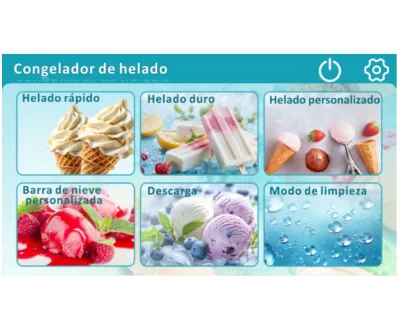
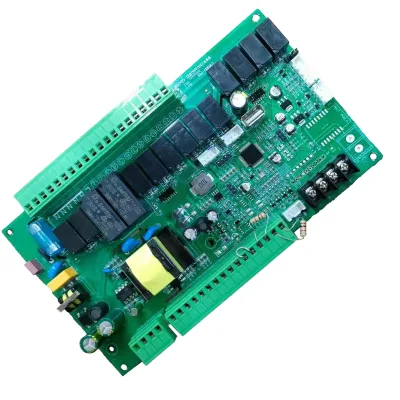
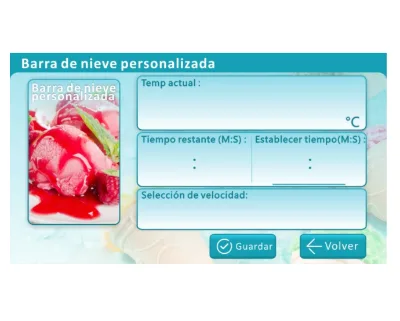


Precision Ice Maker Appliances PCBA Control Boards PCB Board Printed Circuit
$0.60 - $1.00
MOQ: 100 Pieces


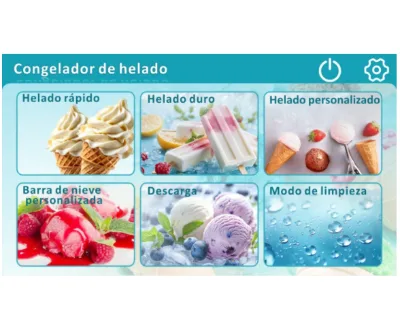
Durable Stainless Steel 56L Hard Ice Cream Machine 10 Programs Touch Screen
$1200.00 - $1270.00
MOQ: 1 Sets


Refrigerator Temperature Control Printed Circuit Board PCBA Manufacturer
$5.00 - $55.00
MOQ: 20000 Pieces



Comprehensive Sourcing Guide
Ice Cream Touch Screen PCBA Sourcing Guide
Sourcing printed circuit board assemblies (PCBAs) for ice cream touch screen interfaces requires a nuanced understanding of both industrial electronics and consumer-facing durability. These specialized assemblies serve as the critical interface between the operator and the refrigeration or dispensing machinery, demanding high reliability in environments characterized by frequent temperature fluctuations, moisture exposure, and rigorous cleaning protocols. The procurement process must balance technical precision with commercial viability, ensuring that the selected components can withstand the mechanical and thermal stresses inherent to food service equipment. Buyers must recognize that a PCBA for this application is not merely a standard electronic component but a complex integration of rigid boards, flexible circuits, and specialized surface finishes designed to maintain signal integrity under challenging conditions.
The market for these assemblies is diverse, ranging from small-scale custom prototypes to large-volume turnkey manufacturing runs. Suppliers often offer a spectrum of services, from basic component placement to full turnkey solutions that include mechanical assembly and box building. This guide provides a structured approach to evaluating suppliers, verifying technical specifications, and ensuring compliance with industry standards. By focusing on evidence-based verification steps and clear commercial terms, procurement teams can mitigate risks associated with supply chain disruptions, quality inconsistencies, and regulatory non-compliance. The following sections detail the essential considerations for sourcing high-quality ice cream touch screen PCBAs.
Product Scope and Observed Listing Signals
The product landscape for ice cream touch screen PCBAs includes a variety of configurations, primarily centered around rigid-flex and multi-layer rigid board technologies. Observed listings indicate a strong presence of fiberglass epoxy materials with copper base layers, processed through electrolytic foil techniques to ensure consistent conductivity. These boards are often designed with multiple layers, ranging from one to sixty, to accommodate the complex routing required for touch screen signals and power distribution. The use of combining rigid circuit boards suggests a hybrid approach where rigid sections provide structural support for connectors and heavy components, while flexible sections allow for compact integration within the touch screen housing. Buyers should verify the specific layer count and material composition to ensure compatibility with their existing mechanical designs.
Commercial signals from suppliers reveal a wide range of minimum order quantities (MOQs), typically starting from one unit for prototyping up to twenty thousand units for mass production. This flexibility allows buyers to scale their procurement strategy based on production volume and inventory needs. Pricing structures vary significantly, reflecting differences in board complexity, component sourcing, and assembly services. Some suppliers offer vacuum packing to protect sensitive components during transit, while others provide single-item selling units for smaller orders. The observed delivery times range from seven to fifteen days for standard assemblies to thirty-five days for more complex or customized orders, highlighting the importance of early engagement with suppliers to align production schedules with project timelines.
Technical Specifications to Verify
Verifying the technical specifications of the PCBA is crucial for ensuring long-term performance in ice cream dispensing applications. Key parameters include copper thickness, which can range from one to ten ounces, affecting the board's ability to handle current loads and dissipate heat. The minimum surface mount device (SMD) size, often as small as 01005, indicates the supplier's capability to handle high-density designs. Buyers must confirm that the supplier can accurately place these tiny components without compromising yield rates. Additionally, the voltage ratings for the assembly, which may include 24V, 36V, 48V, 60V, or 72V options, must match the power supply specifications of the ice cream machine to prevent electrical failures or safety hazards.
Surface finishing is another critical technical aspect, with options such as OSP, immersion gold, immersion tin, and immersion silver available. The choice of finish impacts solderability, shelf life, and resistance to corrosion, which is particularly important in humid environments. Suppliers also offer various structural configurations, including double-sided flexible PCBs and adhesive flexible plates, which can be tailored to the specific shape requirements of the touch screen, such as rectangular, round, or complex cutouts. Buyers should request detailed datasheets for the proposed surface finishes and flexible materials to ensure they meet the mechanical and environmental demands of the application.
Compliance and Safety Documentation
Compliance with international standards is non-negotiable for PCBAs used in commercial food service equipment. Buyers must verify that suppliers hold relevant certifications, such as ISO9001 for quality management, ISO14000 for environmental management, and TS16949 for automotive-grade quality, which often translates to high reliability in industrial applications. RoHS compliance is essential to ensure that the assembly does not contain restricted hazardous substances, aligning with global environmental regulations. Additionally, UL certification may be required for safety compliance, particularly if the PCBA is part of a larger system that needs to meet specific electrical safety standards.
Documentation should also include proof of SGS and other recognized testing standards, which provide independent verification of product quality and safety. Buyers should request certificates of conformity and material safety data sheets (MSDS) for all components used in the assembly. This documentation not only ensures regulatory compliance but also provides a traceability trail in case of quality issues or recalls. It is advisable to include clauses in the purchase agreement that require suppliers to maintain these certifications and notify buyers of any changes in their compliance status.
Cost Drivers and Commercial Terms
Understanding the cost drivers for ice cream touch screen PCBAs helps buyers negotiate better terms and avoid unexpected expenses. Key factors influencing cost include the number of layers, copper thickness, surface finish type, and the complexity of the assembly process. Turnkey assembly services, which include sourcing all components, may offer convenience but can also introduce variability in component quality and cost. Buyers should clarify whether the quoted price includes testing services such as AOI (Automated Optical Inspection), X-ray inspection, and functional testing, as these are critical for ensuring the reliability of the final product.
Commercial terms such as MOQ, lead time, and payment conditions significantly impact the procurement strategy. Suppliers may offer different pricing tiers based on volume, with lower unit costs for larger orders. Lead times can vary from seven to thirty-five days, depending on the complexity of the order and the availability of components. Buyers should establish clear communication channels with suppliers to monitor production progress and address any delays promptly. It is also important to define the warranty period and return policies for defective units to protect against quality-related losses.
Supplier Qualification and Quality Control
Supplier qualification is a critical step in ensuring the reliability of ice cream touch screen PCBAs. Buyers should assess the supplier's manufacturing capabilities, including their experience with rigid-flex boards and high-density interconnects. The presence of advanced testing equipment, such as AOI and X-ray machines, indicates a commitment to quality control. Suppliers should also provide detailed quality assurance plans, including incoming material inspection, in-process quality checks, and final product testing. Buyers should request samples for evaluation before committing to large orders to verify the supplier's ability to meet technical specifications.
Quality control processes should extend beyond the assembly stage to include mechanical assembly and box building services, if required. Suppliers offering one-stop turnkey solutions can simplify the procurement process but must demonstrate robust quality management systems to ensure consistency across all stages of production. Buyers should verify the supplier's ability to handle rework and repair services, as these are essential for addressing any defects that may arise during production or in the field. Establishing a clear quality agreement with the supplier, including acceptance criteria and defect rates, helps align expectations and reduce disputes.
Long-Term Procurement Checks
Long-term procurement success depends on continuous monitoring of supplier performance and market trends. Buyers should establish key performance indicators (KPIs) to track supplier reliability, including on-time delivery rates, defect rates, and responsiveness to issues. Regular audits of the supplier's manufacturing facilities and quality management systems can help identify potential risks and ensure ongoing compliance with standards. Buyers should also stay informed about changes in component availability and pricing, as these can impact the cost and lead time of PCBAs.
Building a strong relationship with suppliers through regular communication and collaborative planning can enhance supply chain resilience. Buyers should engage in joint product development discussions to optimize designs for manufacturability and cost efficiency. Additionally, diversifying the supplier base can mitigate risks associated with single-source dependencies. By maintaining a proactive approach to supplier management and quality control, buyers can ensure a steady supply of high-quality ice cream touch screen PCBAs that meet their operational and commercial requirements.
FAQs
What customization options are available for Ice Cream Touch Screen PCBA?
Customization is available for these products to meet specific design needs. The service includes turnkey assembly with SMD, SMT, and DIP component options. Buyers can request specific layer counts ranging from 1 to 60 layers and various surface finishing types like OSP or immersion gold.
How long is the delivery time for Ice Cream Touch Screen PCBA orders?
Delivery times typically range from 7 to 15 days for standard orders. Some specific configurations may require up to 35 days depending on complexity. The minimum order quantity starts at just one unit, allowing for flexible procurement schedules without large initial commitments.
Which certifications do Ice Cream Touch Screen PCBA manufacturers hold?
Manufacturers hold certifications including ISO9001, ISO14000, TS16949, UL, and RoHS. These standards ensure quality management and environmental compliance. Additional verification services like SGS and ISO are also available to confirm product safety and reliability for various industrial applications.
Can Ice Cream Touch Screen PCBA operate in extreme temperatures?
Yes, these units are designed to function within a controlling range of -40 to 125 degrees Celsius. This wide operating temperature range ensures reliability in diverse environments. The construction uses fiberglass epoxy materials with copper thickness options to support stable performance under thermal stress.
What testing services are included with Ice Cream Touch Screen PCBA?
Comprehensive testing services include AOI, X-Ray, and functional testing to ensure quality. A dedicated QA inspection process verifies each unit before shipment. These rigorous checks cover electrical performance and mechanical assembly to prevent defects in consumer electronics and digital products.
What is the minimum order quantity for Ice Cream Touch Screen PCBA?
The minimum order quantity can be as low as one unit for single items. Some specific models may require a minimum of two units depending on the configuration. This flexibility allows buyers to test prototypes or fulfill small batch requirements without excessive inventory costs.
Which materials are used in the construction of Ice Cream Touch Screen PCBA?
Base materials include copper and fiberglass epoxy for structural integrity. The processing technology often involves electrolytic foil or delay pressure foil methods. Conductive silver paste may be used for specific adhesive applications, ensuring reliable electrical connections in complex circuit designs.