Source Ice Glazing Machine for Seafood, Frozen Food, and Meatball Processing
Compare 30 Ice Glazing Machine listings from Tianjin suppliers offering customized capacity and stainless steel construction. Buyers can evaluate specifications including voltage options, cooling methods, and warranty terms for industrial seafood and frozen food applications.
Key considerations
Products List
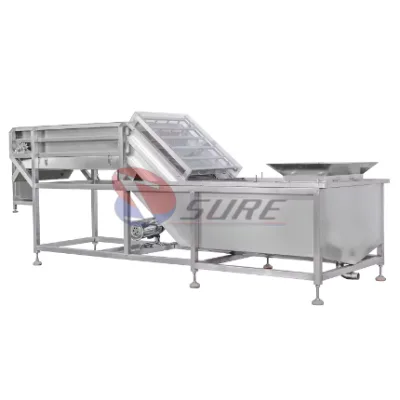
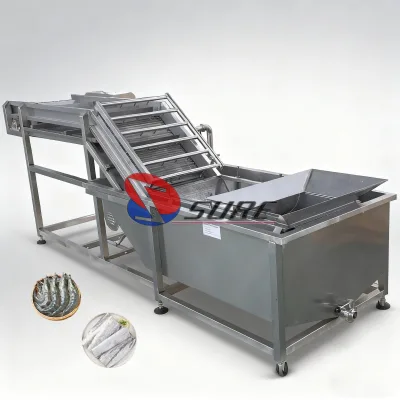
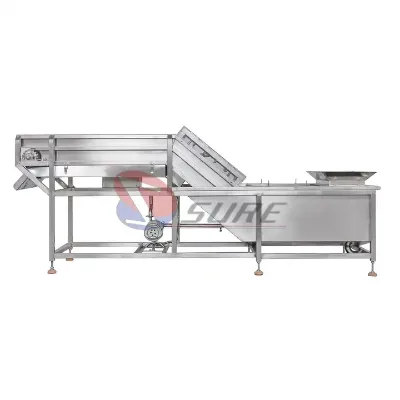

$3500.00 - $6000.00
MOQ: 1 Sets

$3500.00 - $6000.00
MOQ: 1 Sets


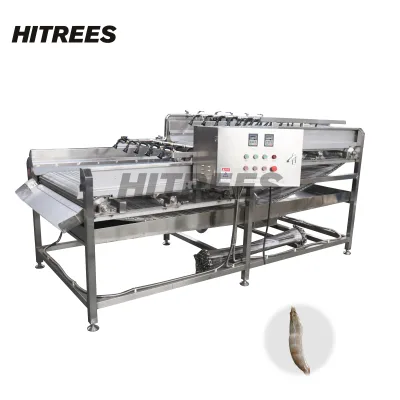
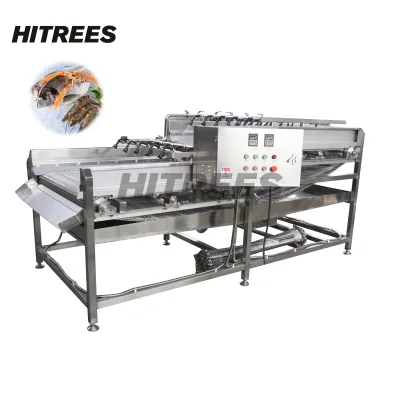
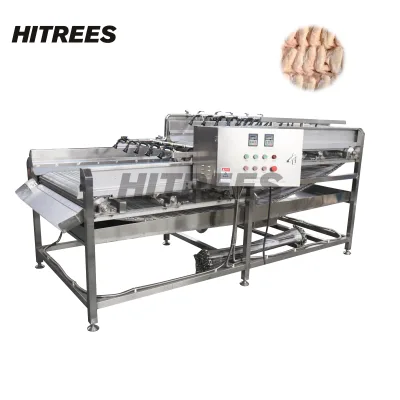
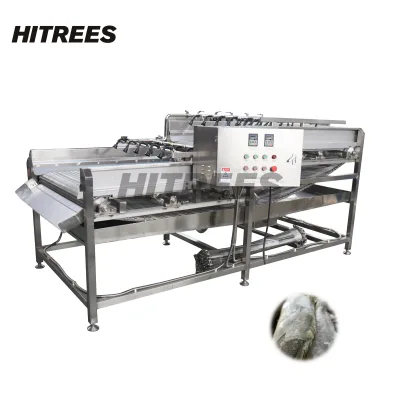
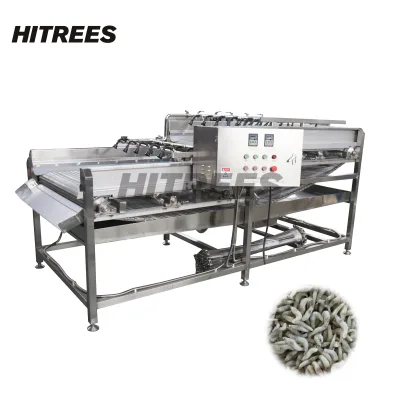


Comprehensive Sourcing Guide
Strategic Sourcing Guide for Industrial Ice Glazing Machines
Procuring industrial ice glazing machinery represents a critical investment for facilities engaged in seafood and frozen food processing. The primary objective of these machines is to apply a precise, uniform layer of ice onto products, ensuring preservation, weight retention, and aesthetic appeal during storage and transport. Based on current market observations, the procurement landscape for these units involves a diverse range of specifications, with observed price points ranging from 3,500 to 50,000 USD. Buyers must navigate a complex array of technical variables, including voltage requirements, cooling systems, and material construction, to ensure the selected equipment aligns with specific operational needs. This guide outlines the essential factors for evaluating ice glazing machines, focusing on technical compliance, cost structures, and long-term operational reliability.
Technical Specifications and Operational Parameters
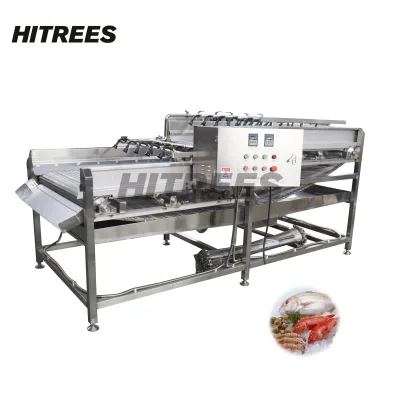
The technical foundation of an Ice Glazing Machine dictates its suitability for a specific production line. A primary observation in the current market is the variation in weight and dimensions across different models. While some units are observed with a weight of 600 kg, others may reach 800 kg, indicating significant differences in structural mass and stability requirements. The physical footprint is equally critical; standard dimensions for certain models are recorded around 4300mm by 1250mm by 1000mm, while others may be more compact at 3000mm by 900mm by 1100mm. Buyers must verify that their facility floor space can accommodate these specific dimensions before finalizing a purchase.
Power and voltage requirements present another layer of complexity. The market offers units compatible with both 220 V and 380 V electrical systems, with some configurations listed as "Customized." This variability necessitates a thorough audit of the plant's electrical infrastructure. Relying on a standard voltage without confirming the specific model's requirement can lead to installation failures or the need for expensive transformers. Furthermore, the core components driving these machines typically include motors, engines, bearings, and gearboxes. The presence of a frequency fan and a water-cooling system is standard for maintaining optimal operating temperatures. The cooling mechanism specifically utilizes industrial water, which implies a need for a reliable water supply and drainage system within the processing facility.
The automatic grade of the machinery is predominantly listed as "Automatic," suggesting a high level of integration into modern production lines. However, the process type is often categorized as "Mild Processing," which is suitable for delicate seafood products that require gentle handling to prevent physical damage. The ice shape produced is generally categorized as "Other," indicating that the specific geometry of the ice glaze may vary by model and should be confirmed with the supplier to ensure it meets the product's aesthetic and preservation standards.
Compliance, Certification, and Safety Standards
In the industrial food processing sector, compliance with international safety and quality standards is non-negotiable. When sourcing ice glazing machines, buyers must prioritize suppliers who can provide verifiable certifications. Common certifications observed in the market include CE, SGS, and ISO. The CE mark indicates conformity with health, safety, and environmental protection standards for products sold within the European Economic Area, while ISO certification suggests adherence to international management system standards. SGS certification often relates to quality inspection and verification services.
Material composition is a critical aspect of compliance, particularly for equipment contacting food products. The belt material is frequently specified as SUS304 Stainless Steel, a grade known for its corrosion resistance and suitability for food processing environments. The raw material for the machine structure is also generally stainless steel, ensuring durability and hygiene. Buyers should verify that the stainless steel grade matches the specific hygiene requirements of their application, as different grades offer varying levels of resistance to acids and salts found in seafood processing.
Additionally, the condition of the equipment is a key factor. The market predominantly offers "New" units, but buyers must ensure that "New" implies factory-fresh condition rather than refurbished stock. The system type is typically an "Open System," which requires careful consideration regarding water management and environmental controls within the factory. Noise levels are also a compliance factor; many units are designed with "Low" noise levels, which is essential for maintaining a safe working environment and adhering to occupational health regulations.
Cost Drivers and Pricing Structures
The pricing of ice glazing machines is influenced by a multitude of factors, resulting in a wide observed range of 3,500 to 50,000 USD. This significant variance is not arbitrary but reflects differences in capacity, automation levels, material quality, and customization. The minimum order quantity (MOQ) for these units is typically 1, allowing for flexible procurement for both small and large enterprises. However, the "Selling Units" are often listed as "Single item," meaning that the price quoted usually applies to a single machine rather than a bulk package.
One of the primary cost drivers is the customization capability. Many suppliers offer "Customized" capacity and voltage options, which inevitably increases the base price compared to standard off-the-shelf models. The model number, such as SR-IGM, BG, or HT-IGM, often correlates with specific feature sets and price points. For instance, models with higher productivity claims or more advanced core components like specialized gearboxes may command a premium.
Packaging also contributes to the final cost. Units are typically shipped in "Seaworthy Wooden Packing" or "Wooden Cases" to protect the machinery during international transit. This robust packaging is essential for preventing damage but adds to the overall logistics cost. Buyers should also consider the "After-Sales Service" costs, which may be bundled into the initial price or charged separately. The availability of engineers for overseas service is a value-added feature that can influence the total cost of ownership, potentially justifying a higher upfront investment.
Typical Applications and Industry Fit
Ice glazing machines are primarily designed for the seafood processing industry, with specific applications in frozen food factories. The "Application Fields" are explicitly listed as "Food Processing" and "Seafood processing equipment," highlighting their specialized role. The "Function" of these machines is strictly defined as "Ice Glazing," which is essential for maintaining the quality of frozen fish, shrimp, and other marine products. The glazing process prevents dehydration, protects against freezer burn, and adds a protective layer that enhances the product's shelf life.
The versatility of these machines allows them to be used in various segments of the food supply chain. While the primary focus is seafood, the "Application" is broadly categorized as "Industrial," suggesting potential use in other frozen food sectors. The "High Productivity" key selling point indicates that these machines are built to handle high-volume production lines, making them suitable for large-scale processing plants. The "Mild Processing" nature of the machine ensures that delicate products are not damaged during the glazing process, preserving the integrity of the food item.
Buyers should also consider the "Ice Storage Capacity," which is often listed as "Other" or "Customized." This implies that the machine's ability to store ice before glazing is tailored to the specific throughput requirements of the facility. Understanding the flow rate and storage needs is crucial for matching the machine to the production schedule. The "Way of Cooling" being "Water Cooling" further dictates the facility's infrastructure requirements, as a continuous supply of cooling water is necessary for efficient operation.
Supplier Evaluation and Quality Assurance
Evaluating suppliers for ice glazing machines requires a rigorous approach to ensure quality and reliability. The "Place of Origin" for many units is Tianjin, China, a region known for its manufacturing capabilities. However, buyers should not rely solely on the origin but must verify the supplier's track record and technical expertise. The "Brand Name" is a factor, with "SURE" being one observed brand, but buyers should conduct due diligence on the manufacturer's reputation for delivering on promises.
Quality control is paramount, and the "Video Outgoing Inspection" is a valuable feature provided by some suppliers. This allows buyers to visually verify the machine's condition and functionality before shipment, reducing the risk of receiving defective equipment. The "Warranty" period is another critical metric; while some units offer a 1-year warranty, others provide up to 3 years. A longer warranty period often indicates the supplier's confidence in the product's durability and their commitment to after-sales support.
The "After-Sales Service" provided by suppliers is a decisive factor in the procurement decision. The availability of engineers to service machinery overseas is a significant advantage, ensuring that any technical issues can be resolved promptly without long downtime. Buyers should inquire about the specific terms of this service, including response times, travel costs, and the availability of spare parts. The "Condition" of the machine should be confirmed as "New," and the "System Type" should be verified to ensure it matches the facility's operational requirements.
Long-Term Procurement and Maintenance Considerations
Long-term procurement considerations extend beyond the initial purchase price to include maintenance, operational costs, and lifecycle management. The "Core Components" such as motors, bearings, and gearboxes are subject to wear and tear, and their quality directly impacts the machine's lifespan. Buyers should prioritize suppliers who use high-quality components that are readily available for replacement. The "Automatic Grade" of the machine reduces the need for manual intervention, but regular maintenance is still required to ensure optimal performance.
The "Voltage" and "Power Source" requirements must be carefully managed to avoid energy inefficiencies. Ensuring that the machine operates at the correct voltage prevents overheating and extends the life of the electrical components. The "Cooling Water" system requires regular cleaning and monitoring to prevent scaling and blockages, which can affect the cooling efficiency. The "Noise Level" of the machine is also a long-term consideration, as excessive noise can lead to worker fatigue and potential hearing damage over time.
Packaging and shipping logistics play a role in the long-term condition of the machine. "Seaworthy Wooden Packing" is essential for protecting the equipment during transit, but buyers should also plan for the unpacking and installation process. The "Standard" dimensions and "Model Number" should be recorded for future reference, ensuring that any replacement parts or upgrades are compatible with the existing system. Finally, the "Customization" options should be evaluated for their long-term value, ensuring that the specific needs of the facility are met without compromising the machine's reliability or efficiency.
Comparative Analysis of Key Model Attributes
To assist in the decision-making process, the following table summarizes key attributes observed across different Ice Glazing Machine models. This comparison highlights the variations in dimensions, model numbers, and other critical specifications that buyers should consider.
| Attribute | Model SR-IGM | Model BG | Model HT-IGM | Model SR-IGM800 |
|---|---|---|---|---|
| Dimensions (mm) | 430012501000 | Customized | 30009001100 | Customized |
| Weight (KG) | 800 | 600 | 600 | 800 |
| Voltage | Customized | 220 V, 380 V | Customized | Customized |
| Warranty | 1 Year | 3 Years | 1 Year | 3 Years |
| Material | SUS304 Stainless Steel | Stainless Steel | Stainless Steel | SUS304 Stainless Steel |
| Cooling Type | Water Cooling | Water Cooling | Water Cooling | Water Cooling |
| Application | Frozen Food Factory | Food Processing | Seafood Processing | Frozen Food Factory |
| Packing | Wooden Case | Seaworthy Wooden Packing | Seaworthy Wooden Packing | Wooden Case |
This table illustrates that while the core functionality remains consistent, the physical specifications and warranty terms vary significantly. Buyers must align these attributes with their specific operational constraints and long-term strategic goals. By carefully analyzing these factors, procurement teams can make informed decisions that optimize efficiency, reduce risk, and ensure the successful integration of ice glazing machinery into their production lines.
FAQs
What certifications do ice glazing machines typically have?
These machines commonly hold CE, SGS, and ISO certifications. Buyers should verify that the specific model includes these documents to ensure compliance with international safety and quality standards for food processing equipment.
How is the belt material constructed for food safety?
The belt material is typically made of SUS304 Stainless Steel. This grade provides necessary corrosion resistance and hygiene, ensuring the equipment remains safe for direct contact with seafood and frozen food products during processing.
What voltage options are available for these machines?
Units are available with 220 V, 380 V, or customized voltage configurations. Facilities must audit their electrical infrastructure to match the specific model's requirement before installation to prevent operational failures.
Can suppliers provide overseas engineering support?
Yes, many suppliers offer engineers available to service machinery overseas. This after-sales service ensures that technical issues can be resolved promptly, minimizing downtime for industrial food processing operations.
What is the standard warranty period for this equipment?
Warranty periods vary, with some units offering one year and others providing up to three years. A longer warranty often indicates the supplier's confidence in the product's durability and commitment to long-term support.
How are these machines packaged for international shipping?
Machines are typically packed in seaworthy wooden cases or wooden boxes. This robust packaging protects the machinery during transit and prevents damage, though it adds to the overall logistics cost.
What cooling system is used in these units?
The cooling system utilizes water cooling with industrial water. This requires the facility to have a reliable water supply and drainage system to maintain optimal operating temperatures during continuous production.