Source Ice Crushing Blender Blade for Home, Commercial, and Industrial Use
Compare 30 Ice Crushing Blender Blade options from verified suppliers in China. These stainless steel parts support blending, grinding, and meat mincing functions with customizable designs and warranty coverage for home appliance applications; compare the available evidence and request quotations based on your requirements.
Key considerations
Products List
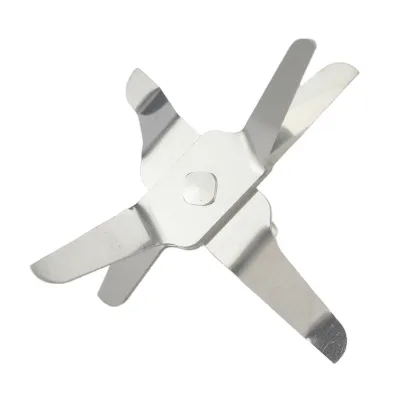
LD-186 Ice Crushing Blade Stainless Steel New Design of Blender Spare Parts
$0.15 - $0.21
MOQ: 2000 Minimum


Stainless Steel Ice Crusher Food Processor Blender Vegetable Mixer Meat Grinder
$1300.00 - $1500.00
MOQ: 2 Pieces


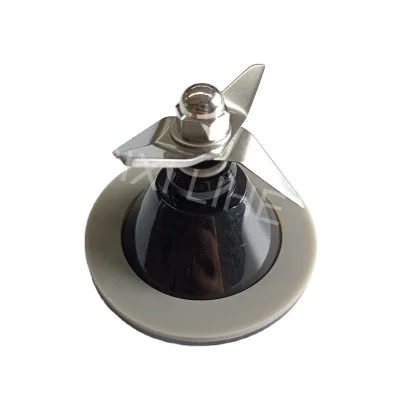


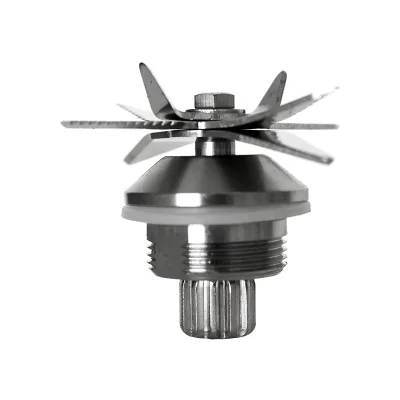


New-Style Hot Sale Grinder Mixer Chopper Ice Crushing Easy Clean Compact Smoothier Maker
$10.00 - $20.00
MOQ: 1960 Pieces
Comprehensive Sourcing Guide
Ice Crushing Blender Blade Sourcing Guide
Procuring ice crushing blender blades requires careful attention to material integrity and functional compatibility, as these components must withstand high-impact forces without degrading. The observed market data indicates that stainless steel is the predominant material for these parts, ensuring durability against the abrasive nature of frozen ingredients. Buyers should prioritize suppliers who explicitly list "Stainless Steel" or "Steel Stainless" as the primary composition to guarantee resistance to corrosion and mechanical stress during repeated crushing cycles.
Beyond material selection, the specific application context dictates the necessary design features for optimal performance. These blades are engineered for household appliances and are often categorized under blending, grinding, mixing, and meat mincing functions. When sourcing, verify that the product model aligns with the intended housing material, as compatibility is a critical factor for maintaining the structural integrity of the entire appliance unit during operation.
Product Scope and Observed Listing Signals
The current market listings for ice crushing blades reveal a diverse range of specifications, including various model numbers such as BD, OS color set, and NB 1700W blade. These variations suggest that the product scope extends beyond a single universal design, encompassing specific configurations for different appliance types like juicers and general blenders. Buyers must carefully cross-reference the listed model number with their existing equipment to ensure a precise fit, as the "Applicable Number" attributes often specify constraints related to housing materials or control types.
Listing signals also highlight significant variability in packaging and customization options, which can impact logistics and branding strategies. While some suppliers offer standard export cartons or corrugated boxes, others provide specialized packaging like wooden cases or foam inserts to protect the blades during transit. Additionally, the availability of laser printing for logos and customizable features indicates that many manufacturers support branding requirements, allowing buyers to tailor the product to their specific market needs without compromising on the core mechanical specifications.
Technical Specifications to Verify
Technical verification must begin with the power source and voltage requirements, as these parameters determine the operational safety and compatibility of the blade with the motor. The observed data includes electric power sources and specific voltage ratings such as 380V, which are critical for industrial or heavy-duty applications. Buyers should confirm that the blade's electrical interface matches the appliance's power supply to prevent motor damage or inefficient operation, ensuring that the high-efficiency claims are supported by the correct electrical integration.
Material composition and internal part specifications are equally vital for assessing the longevity and performance of the ice crushing blade. The presence of copper in inside parts and stainless steel in the main body suggests a design focused on conductivity and structural strength. It is essential to verify the exact material grades and the "High-Quality Materials" claims through supplier documentation, as these attributes directly influence the blade's ability to maintain sharpness and resist wear during the demanding task of crushing ice.
Compliance and Safety Documentation
Safety documentation for ice crushing blades should focus on the after-sales service provisions and warranty terms that protect the buyer against premature failure. The observed listings frequently mention a one-year warranty and services such as return and replacement, which are standard indicators of a manufacturer's confidence in their product quality. Buyers should ensure that these warranty terms are clearly defined in the contract, covering specific failure modes related to material fatigue or manufacturing defects that could arise during the initial period of use.
In addition to warranty coverage, technical support mechanisms play a crucial role in maintaining operational safety and troubleshooting potential issues. The availability of online support and video technical support suggests that suppliers are prepared to assist with installation and maintenance queries. Procurement teams should verify the responsiveness of these support channels and confirm that the provided documentation includes clear safety guidelines for handling the blades, ensuring that end-users can operate the appliances without risk of injury or equipment malfunction.
Cost Drivers and Commercial Terms
Cost drivers for ice crushing blades are heavily influenced by the minimum order quantity (MOQ) and the selling units, which often require purchases in multiples of 1,000 pieces. The observed MOQ range spans from 1 to 2,000 pieces, with specific listings indicating a standard MOQ of 2,000 pcs for certain models. Buyers must align their order volume with these thresholds to secure competitive pricing, as smaller quantities may incur higher per-unit costs or require special negotiation to meet the supplier's production batch requirements.
Commercial terms also encompass packaging standards and shipping logistics, which can significantly affect the total landed cost. The variety of packaging types, from standard cartons to wooden cases, implies different levels of protection and associated shipping expenses. Buyers should evaluate the trade-off between packaging robustness and cost, ensuring that the chosen method prevents damage during transit while remaining cost-effective. Additionally, the customization options available, such as logo printing, may introduce additional fees that need to be factored into the overall budget.
Supplier Qualification and Quality Control
Supplier qualification should prioritize manufacturers with a proven track record in producing high-efficiency components for household appliances. The observed data points to origins in Guangdong and Zhejiang, China, regions known for their manufacturing capabilities in this sector. Buyers should verify the supplier's production capacity and history, ensuring they can consistently deliver products that meet the "Strong Compatibility" and "High Efficiency" attributes observed in the market listings.
Quality control processes must be rigorously assessed to guarantee that every batch of blades meets the specified material and performance standards. The presence of features like "High-Quality Materials" and specific model numbers suggests a structured production line, but buyers should request evidence of quality assurance protocols. This includes verifying that the "Standard Export Package" and "Standard Carton" options are part of a controlled process that minimizes defects and ensures that the final product matches the technical specifications provided in the initial inquiry.
Long-Term Procurement Checks
Long-term procurement strategies should include regular audits of supplier performance regarding after-sales service and warranty fulfillment. The availability of free spare parts and return services indicates a commitment to customer satisfaction, but buyers must monitor the actual execution of these promises over time. Establishing a feedback loop with the supplier can help identify recurring issues and ensure that the support mechanisms remain effective as the volume of orders increases.
Continuous verification of product specifications and market alignment is essential for maintaining a competitive edge in the appliance sector. As technology evolves, the requirements for ice crushing blades may shift, necessitating updates to the technical specifications and material standards. Buyers should maintain open communication with suppliers to stay informed about new models, such as the HB blade or ph blade, and ensure that their procurement strategy adapts to these changes to sustain operational efficiency and product reliability.
FAQs
What material are these blender blades made from?
These blades are constructed from stainless steel to ensure durability and resistance to corrosion during heavy use. The internal components may include copper for enhanced electrical conductivity in motor-driven units. This material selection supports long-term performance in household appliances while maintaining hygiene standards for food preparation tasks.
Can I customize the logo on these blades?
Yes, customization is available for these blender parts. Buyers can opt for laser printing to apply their specific logo or graphic design onto the stainless steel surface. This service allows brands to maintain visual identity consistency across their product lines while sourcing high-quality replacement or original equipment components.
What is the minimum order quantity for these parts?
The standard minimum order quantity is 2000 pieces for these blender blades. Orders are typically sold in multiples of 1,000 units to streamline logistics and packaging efficiency. This MOQ structure supports bulk procurement needs for manufacturers and distributors requiring consistent supply of replacement parts for household appliances.
What after-sales services are provided for these blades?
Sellers provide comprehensive after-sales support including free spare parts, video technical support, and online assistance. Additionally, return and replacement services are available to address any quality concerns. These measures ensure buyer confidence and operational continuity for businesses relying on these blender components for their manufacturing or distribution operations.
Where are these blender blades manufactured?
These products originate from manufacturing hubs in Guangdong and Zhejiang, China. This regional concentration indicates access to established supply chains for stainless steel processing and precision engineering. Buyers can expect efficient logistics and competitive pricing due to the mature industrial infrastructure supporting the production of these household appliance parts.
What warranty is offered for these blender parts?
A one-year warranty is provided for these blender blades and related components. This coverage protects buyers against manufacturing defects and ensures product reliability during the initial period of use. The warranty terms align with standard industry practices for electrical appliance parts, offering peace of mind for bulk purchasers and distributors.