Source Raspberry Pi PCB Assembly for Education, IoT, and Consumer Electronics
Compare 30 verified suppliers offering Raspberry Pi PCB Assembly services with capabilities ranging from single items to large batches. Buyers can evaluate SMT lines, testing methods, and customization options for microcomputer development and education projects; compare the available evidence and request quotations based on your requirements.
Key considerations
Products List




Comprehensive Sourcing Guide
Raspberry Pi PCB Assembly Sourcing Guide
Procuring printed circuit board assemblies for Raspberry Pi platforms requires a nuanced understanding of both the microcomputer’s specific interface requirements and the broader capabilities of contract manufacturers. Buyers must distinguish between sourcing standalone single-board computers and commissioning custom PCBAs that integrate Raspberry Pi modules into larger systems. The core keyword highlights a niche intersection where general electronics manufacturing meets specialized embedded computing needs. Understanding this distinction is critical for defining the scope of work, ensuring that suppliers possess the necessary expertise in handling ARM-based processors and associated peripheral interfaces.
This guide focuses on the technical and commercial realities of sourcing these assemblies, drawing from observed market data and standard industry practices. It addresses the verification of technical specifications, compliance documentation, and supplier qualifications. By adhering to evidence-based procurement strategies, buyers can mitigate risks associated with component availability, quality control, and long-term supply chain stability. The following sections provide a structured approach to evaluating potential partners and defining project requirements effectively.
Product Scope and Observed Listing Signals
Market listings for Raspberry Pi-related PCBAs often reveal a diverse range of product types, from complete single-board computers to custom rigid circuit boards. Observed data indicates a price range of 0 to 85.4 USD, reflecting variations in complexity, component count, and assembly depth. The minimum order quantity (MOQ) spans from 1 to 5000 units, catering to both prototyping needs and small-batch production runs. Buyers should note that some listings describe products as "New" and "Customized," suggesting that manufacturers offer tailored solutions rather than just off-the-shelf components.
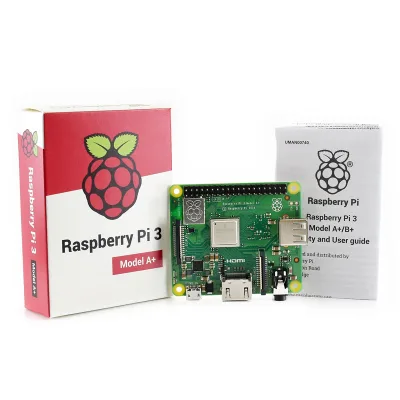
The observed product attributes highlight specific technical capabilities, such as SMD and THT assembly, with some suppliers boasting high-volume capacities like 20,000,000 points per day. Models like the Raspberry Pi 3 Model A+ are frequently referenced, often paired with Broadcom processors and integrated WiFi and Bluetooth functionalities. These signals indicate that many suppliers are equipped to handle fine-pitch components and complex multi-layer boards. However, buyers must verify if the listed capabilities align with their specific design requirements, particularly regarding layer count and copper thickness.
Technical Specifications to Verify
When evaluating PCBAs for Raspberry Pi applications, verifying the board material and construction is paramount. Trusted knowledge confirms that FR4 fiberglass epoxy is a standard base material, offering flame-retardant properties and electrical insulation. Buyers should confirm the board thickness, which typically ranges from 0.4 to 5.0 mm, and the number of layers, which can span from 1 to 60. The copper thickness, often measured in ounces from 0.5 to 10 Oz, directly impacts current carrying capacity and thermal management, especially for power-intensive Raspberry Pi configurations.
Surface finishing and solder mask colors are also critical technical details that affect both aesthetics and reliability. Common surface finishes include HASL, Lf HASL, ENIG, and OSP, each offering different benefits regarding solderability and shelf life. Buyers must specify the required solder mask and silkscreen colors, which are available in various options like green, white, black, and blue. Additionally, verifying the minimum SMD size, such as 01005, ensures the manufacturer can handle the fine-pitch components often found in modern Raspberry Pi designs and associated peripheral circuits.
Compliance and Safety Documentation
Compliance with international standards is non-negotiable for electronic assemblies destined for global markets. Key certifications to verify include RoHS, CCC, ISO, SGS, Reach, UL, and ISO9001. These certifications demonstrate that the manufacturer adheres to strict environmental and quality management standards. Buyers should request current certificates and ensure they cover the specific materials and processes used in the assembly. For instance, RoHS compliance ensures the absence of hazardous substances, which is crucial for consumer electronics and educational devices.
Beyond certifications, documentation regarding material safety and regulatory adherence is essential. Standards like TSCA may be relevant depending on the destination market. Buyers must also verify that the supplier provides detailed material declarations, including the base material composition and any proprietary resins or laminates. This documentation supports regulatory filings and helps in assessing the long-term reliability and environmental impact of the PCBAs. Ensuring that all compliance documents are up-to-date and verifiable protects the buyer from potential legal and reputational risks.
Cost Drivers and Commercial Terms
Several factors influence the cost of Raspberry Pi PCBAs, including board complexity, component sourcing, and assembly volume. The observed price range of 0 to 85.4 USD reflects these variables, with higher costs associated with multi-layer boards, fine-pitch components, and specialized surface finishes. Buyers should analyze the bill of materials (BOM) to understand cost breakdowns and identify potential areas for optimization. Volume discounts are common, with suppliers offering competitive rates for orders exceeding certain thresholds, such as 1000 pieces per week.
Commercial terms also play a significant role in total procurement cost. MOQs ranging from 1 to 5000 units allow for flexibility but may impact unit pricing. Buyers should negotiate clear terms regarding payment, shipping, and lead times. The port of dispatch, often Shenzhen, and shipping methods like UPS, DHL, or FedEx, affect delivery speed and cost. Additionally, buyers should consider the supplier’s supply ability, which may be limited to 1000 pieces per week for certain complex assemblies, impacting production planning and inventory management strategies.
Supplier Qualification and Quality Control
Supplier qualification is critical to ensuring consistent quality in PCBAs. Buyers should assess the manufacturer’s production capabilities, such as the number of SMT lines and daily output capacity. Some suppliers operate 11 SMT lines with a capability of 20,000,000 points per day, indicating high-volume proficiency. It is also important to verify DIP capabilities, which may range up to 300,000 points per day, for mixed-technology assemblies. These metrics help buyers gauge whether the supplier can meet their production timelines and volume requirements.
Quality control processes are equally important. Buyers should inquire about testing methods, including E-Test, Fly Probe Test, and Visual Checking for PCBs, as well as AOI, ICT, FCT, Burn-in, and Vibration Tests for PCBA. These tests ensure electrical integrity, functional performance, and mechanical robustness. Suppliers that offer comprehensive testing protocols reduce the risk of field failures and warranty claims. Buyers should request test reports and quality assurance documentation to verify the effectiveness of these processes and ensure they align with industry best practices.
Long-Term Procurement Checks
Long-term procurement success depends on establishing a stable and reliable supply chain. Buyers should monitor supplier performance metrics, such as on-time delivery rates, defect rates, and responsiveness to issues. Regular audits and site visits can provide insights into the supplier’s operational efficiency and commitment to quality. Building a strong relationship with the supplier can lead to better pricing, priority production scheduling, and collaborative problem-solving during design changes or component shortages.
Additionally, buyers should plan for component lifecycle management, especially for critical parts like Raspberry Pi modules and Broadcom processors. Ensuring that the supplier has access to genuine components and can handle obsolescence is crucial for long-term projects. Buyers should also consider diversifying their supplier base to mitigate risks associated with single-source dependencies. Regularly reviewing and updating procurement strategies based on market trends and supplier performance ensures sustained competitiveness and operational resilience in the electronics manufacturing sector.
FAQs
What certifications do the PCB assemblies hold?
The PCB assemblies hold RoHS, CCC, and ISO certifications. Additional certificates include SGS, Reach, UL, and ISO9001. These ensure compliance with international safety and environmental standards for your specific project requirements.
Can I get customized PCB assembly services?
Yes, customized PCB assembly services are available for your needs. The products support custom specifications and various processing technologies like SMD and THT. You can request specific designs tailored to your microcomputer development or education applications.
What is the daily production capacity for SMT lines?
The facility operates 11 SMT lines with a capacity of 20 million points per day. Additionally, DIP capability reaches 300,000 points daily. This high volume ensures rapid fulfillment for large-scale orders and complex assembly tasks.
Which board materials are used for rigid PCBs?
Rigid PCBs utilize materials such as Fiberglass Epoxy and Copper Base. Specific board materials include Fr4, H-Tg, It-180A, Cem, and Aluminum. These options provide durability and flame-retardant properties suitable for consumer electronics applications.
How are the products tested before shipping?
Products undergo rigorous testing including E-Test, Fly Probe Test, and Visual Checking. PCBA testing involves AOI, ICT, FCT, Burn-in, and Vibration Test. These steps guarantee quality and reliability for every delivered unit.
What is the minimum order quantity for these items?
The minimum order quantity ranges from 1 to 5000 units depending on the specific product. Some items are sold as single units while others require bulk orders. Check the specific listing for the exact MOQ applicable to your request.
Which surface finishing options are available for PCBs?
Available surface finishing options include HASL, Lf HASL, Enig, OSP, Carbon Oil, and Immersion Tin. These finishes protect the copper traces and ensure reliable soldering for your electronic components during the assembly process.