Source Impact Socket Extension Bar Set for Heavy Machinery, Construction, Automotive
Source an Impact Socket Extension Bar Set from 30 verified suppliers offering customization and various torque ratings. Compare specifications for straight handles, Cr-Mo materials, and applications in heavy machinery maintenance, construction sites, and automotive repair.
Key considerations
Products List




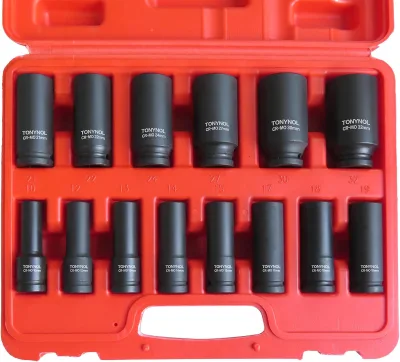
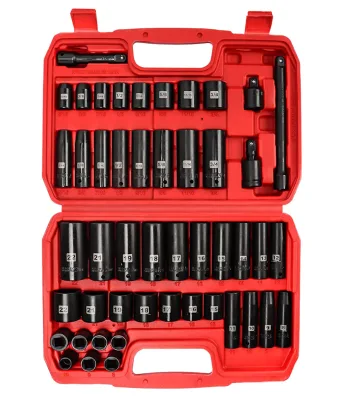
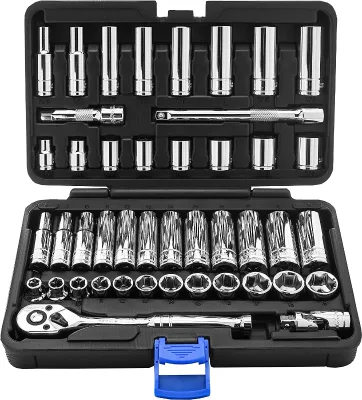
Lug Nut Socket Set 14 Piece 1/2" Drive Impact Flip Socket Set with Extension Bar
$12.89 - $13.30
MOQ: 200 pieces


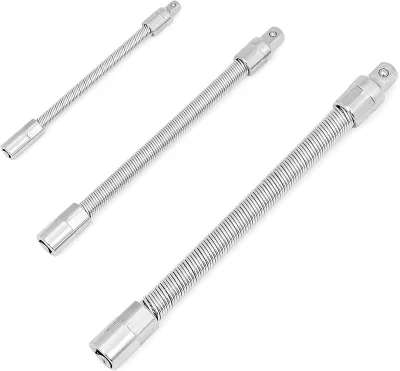


Comprehensive Sourcing Guide
Strategic Sourcing Guide for Impact Socket Extension Bar Sets
The global market for heavy-duty hand tools and pneumatic accessories has seen a steady increase in demand, driven by the expanding needs of automotive repair, construction sites, and assembly lines. For procurement professionals specializing in industrial maintenance, the Impact Socket Extension Bar Set represents a critical component in ensuring operational efficiency and safety. These tools are designed to transmit high torque from impact wrenches to fasteners in confined spaces where standard sockets cannot reach. Sourcing these items requires a disciplined approach that balances technical specifications, material integrity, and supply chain reliability. This guide outlines the essential factors buyers must evaluate when procuring impact socket extension bar sets, drawing on observed market data and verified product attributes to inform decision-making.
Technical Specifications and Material Composition
The foundation of a reliable extension bar set lies in its material composition and dimensional accuracy. Observed market data indicates that high-performance extension bars are frequently manufactured using Chromium-Molybdenum (Cr-Mo) steel or Chrome-Vanadium (Cr-V) steel. Cr-Mo steel is often preferred for its superior toughness and resistance to shock loads, making it ideal for heavy machinery maintenance and construction environments where sudden torque spikes are common. Conversely, Cr-V steel offers a balance of strength and ductility, suitable for general automotive repair and assembly line applications. Buyers must verify the specific alloy grade listed in the product specifications, as the distinction between these materials directly impacts the tool's durability under high-stress conditions.
Dimensional standards are equally critical. The industry observes specific sizing conventions, with common models adhering to 1/2-inch drive standards. However, variations exist, including metric standards and custom dimensions. When evaluating a product listing, procurement teams should confirm the drive size, such as 1/2'', and ensure compatibility with existing impact wrenches. The physical dimensions, such as length ranges observed in the market (e.g., 75mm, 125mm, 250mm), determine the reach and leverage capabilities of the set. A typical set may include multiple lengths to accommodate various fastener depths. It is essential to note that while some listings specify a "Common" size, others provide precise measurements like 12.7mm or specific model numbers such as 13780034. Buyers should cross-reference these model numbers with their equipment requirements to avoid mismatches.
Furthermore, the forging process plays a significant role in the structural integrity of the extension bar. High-quality units are typically produced via hot forging, a process that aligns the grain structure of the metal, enhancing its resistance to fatigue and breakage. The surface treatment is another key specification; observed products often feature black phosphate finishes or laser marking for identification. These treatments not only provide corrosion resistance but also ensure that torque ratings and size markings remain legible after repeated use. The working style of these tools is predominantly rotary, designed to fit the high-speed rotation of pneumatic or electric impact wrenches.
Compliance, Certification, and Safety Standards
In the B2B procurement of industrial tools, compliance with international safety and quality standards is non-negotiable. The market data reveals that reputable suppliers often provide products with CE certification, indicating conformity with health, safety, and environmental protection standards for products sold within the European Economic Area. Some listings also reference GS certification, which is a German safety mark, and adherence to specific industry standards such as DIN, ANSI, and JIS. These standards define the mechanical properties, torque limits, and dimensional tolerances required for safe operation.
Buyers must exercise caution when interpreting certification claims. While CE and GS are frequently observed, the presence of these marks should be verified against the specific product batch and supplier documentation. The "Low-confidence" background data regarding REACH should not be treated as a definitive attribute for any specific product unless explicitly confirmed by the supplier. Instead, procurement teams should request current test reports or certificates of conformity that align with the relevant standards for the target market. For instance, if the extension bars are intended for use in automotive repair shops in North America, verifying compliance with ANSI standards is crucial. Similarly, for construction machinery applications, adherence to DIN or JIS standards may be required depending on the region of operation.
The certification process also extends to the manufacturing facility. While specific supplier names cannot be recommended, buyers should look for evidence of a "Professional Level" quality grade in the product description. This designation often implies that the manufacturing process meets rigorous internal and external quality control protocols. Additionally, the "Automatic" degree of automation mentioned in some product attributes suggests a high level of consistency in production, which reduces the risk of human error during the forging and finishing stages.
Cost Drivers and Pricing Dynamics
Understanding the cost structure of impact socket extension bar sets is vital for budgeting and negotiation. The observed price range in the market spans from $0.10 to $80.00 USD, a wide variance that reflects differences in material quality, set configuration, and brand positioning. The lower end of this spectrum typically corresponds to single-piece units or sets with basic specifications, such as standard Cr-V steel and minimal packaging. In contrast, the higher price points are associated with premium sets featuring Cr-Mo steel, specialized finishes like black phosphate, and comprehensive packaging solutions such as cartons or pallets.
Several factors influence the final cost. The "Quantity" attribute is a primary driver; sets containing 1 piece versus 3 pieces will naturally have different price points. The "Maximum Torque" rating is another significant cost factor. Products boasting higher torque capabilities, such as 400 ft-lb, often command a premium due to the enhanced material requirements and rigorous testing involved. Customization is also a major cost variable. While many suppliers offer "Customized Support" including OEM and ODM services, these bespoke requirements can increase the unit price and the Minimum Order Quantity (MOQ). The observed MOQ range of 1 to 1200 units indicates that buyers can source small trial batches or large-scale industrial orders, with the unit cost generally decreasing as the order volume increases.
Lead times and logistics also contribute to the total cost of ownership. The observed delivery window of 3 to 7 working days suggests a relatively efficient supply chain for standard items. However, for customized orders or those requiring specific certifications, lead times may extend. Buyers should factor in these timelines when planning inventory replenishment to avoid production delays in their own operations. The "Production" capacity of 50,000 pieces per month observed in the market indicates that suppliers have the scalability to handle large orders, but buyers should confirm availability during peak seasons to prevent supply chain bottlenecks.
Typical Applications and Operational Context
Impact socket extension bar sets are engineered for a diverse range of industrial applications. The observed product attributes highlight their suitability for heavy machinery maintenance, construction sites, automotive repair, and assembly lines. In heavy machinery maintenance, the high torque transmission capabilities of these bars are essential for loosening and tightening large bolts on engines and hydraulic systems. The "Jumbo Hammer" impact mechanism mentioned in some listings suggests that these tools are designed to withstand the extreme forces generated by heavy-duty impact wrenches.
For construction sites, the durability and ruggedness of the tools are paramount. The "Hot Forging" process and robust materials like Cr-Mo steel ensure that the extension bars can endure harsh environmental conditions and rough handling. In automotive repair, precision and speed are key. The "Rotary Type" working style allows for quick operation, while the "Straight Handle" design provides the necessary leverage for accessing tight engine bays. Assembly lines benefit from the consistency and reliability of these tools, which help maintain high throughput and reduce downtime caused by tool failure.
The "Application Age" being listed as "Adult" reinforces that these tools are intended for professional use by trained operators. The "Manual" working mode for certain models, such as breaker bars, indicates that they are designed for manual torque application, offering a different set of use cases compared to pneumatic or electric impact tools. Buyers should match the specific application requirements with the tool's features. For example, a set with a "Maximum Torque" of 400 ft-lb is ideal for heavy-duty applications, while a standard set may suffice for lighter automotive tasks.
Supplier Evaluation and Quality Assurance
Selecting the right supplier is a critical step in the procurement process. Buyers should evaluate potential partners based on their production capabilities, quality control measures, and compliance with standards. The observed "Production" capacity of 50,000 pieces per month is a strong indicator of a supplier's ability to meet large order volumes. However, capacity alone is not sufficient; buyers must also assess the supplier's quality assurance protocols. The presence of "Professional Level" quality grades and specific certifications like CE and GS are positive indicators, but they should be supported by documented evidence.
Quality control should be a continuous process, not just a final inspection. Buyers should inquire about the supplier's in-process quality checks, particularly regarding the forging and surface treatment stages. The "Surface Treatment" methods, such as printing and laser marking, should be consistent and durable. Additionally, the "Folded" status of the product (noted as "Unfolded") suggests that the tools are supplied in their ready-to-use state, which is important for immediate deployment.
When evaluating suppliers, buyers should also consider the "Customization" capabilities. The market shows that customization is "Available" and "Acceptable," with many suppliers offering OEM and ODM support. This flexibility allows buyers to tailor the product to their specific needs, such as custom branding or specific dimensional requirements. However, customization can introduce complexity into the supply chain, so buyers should establish clear communication channels and define expectations regarding lead times and costs upfront.
Long-Term Procurement Considerations
Sourcing impact socket extension bar sets is not merely a transactional activity but a strategic decision that impacts long-term operational efficiency. Buyers should consider the total cost of ownership, which includes not only the purchase price but also the lifespan of the tools, maintenance requirements, and replacement costs. High-quality materials and rigorous manufacturing processes, such as hot forging and professional surface treatments, contribute to a longer product lifespan, reducing the frequency of replacements and minimizing downtime.
The "Delivery" lead time of 3 to 7 working days is a favorable metric for maintaining inventory levels. However, buyers should develop contingency plans for potential supply chain disruptions. Establishing relationships with multiple suppliers can mitigate risks associated with single-source dependencies. Additionally, buyers should monitor market trends and technological advancements in tool manufacturing. As the industry evolves, new materials and designs may offer improved performance and safety features.
Finally, sustainability and environmental compliance are becoming increasingly important in B2B procurement. While the "Low-confidence" background data regarding REACH should not be assumed, buyers should proactively inquire about the environmental impact of the manufacturing process and the recyclability of the materials used. Ensuring that suppliers adhere to relevant environmental regulations can enhance the company's corporate social responsibility profile and reduce potential legal risks.
Conclusion
Procuring impact socket extension bar sets requires a comprehensive understanding of technical specifications, compliance requirements, and market dynamics. By focusing on material quality, dimensional accuracy, and supplier reliability, buyers can secure tools that meet the demanding needs of heavy machinery maintenance, construction, and automotive repair. The observed data provides a solid foundation for making informed decisions, but continuous verification and due diligence remain essential. As the industrial landscape evolves, maintaining a strategic approach to procurement will ensure that organizations have access to the high-quality tools necessary for safe and efficient operations.
FAQs
What materials are used for impact socket extension bars?
Impact socket extension bars are typically made from Cr-Mo or Chrome-Vanadium Steel. Cr-Mo steel offers superior toughness for heavy machinery, while Cr-V steel provides strength for automotive repair applications.
Which certifications do these extension bar sets usually hold?
Many products hold CE certification, and some listings also include GS certification. Buyers should verify compliance with specific standards like DIN, ANSI, or JIS based on their regional requirements.
How is the forging process for these tools performed?
High-quality extension bars are produced using hot forging to align metal grain structure. This process enhances resistance to fatigue and breakage under high torque conditions found in construction and assembly lines.
What is the typical lead time for delivery of these sets?
The standard delivery time is 3 to 7 working days for most orders. Customized orders or those requiring specific certifications may have extended timelines depending on the supplier's production capacity.
Can buyers request customization for these extension bar sets?
Yes, customization is available and acceptable with OEM and ODM support. Buyers can request specific dimensions, surface treatments like laser marking, or custom packaging solutions to meet unique operational needs.
What is the maximum torque rating for heavy-duty sets?
Some heavy-duty extension bars feature a maximum torque rating of 400 ft-lb. This high capacity makes them suitable for demanding applications like heavy machinery maintenance and construction site operations.
Which drive sizes are commonly available for these extension bars?
Common drive sizes include 1/2 inch standards, though metric and custom dimensions exist. Buyers should verify specific model numbers like 13780034 to ensure compatibility with their existing impact wrenches.