Source Implant Contra Angle Dental Handpiece for Child, Adult, Clinic
Explore 30 listings of Implant Contra Angle Dental Handpiece featuring ceramic bearings, LED options, and high-speed capabilities. Buyers can compare specifications like torque, weight, and certification to find suitable equipment for child and adult dental applications.
Key considerations
Products List


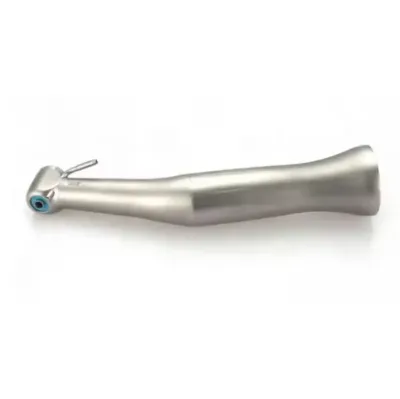


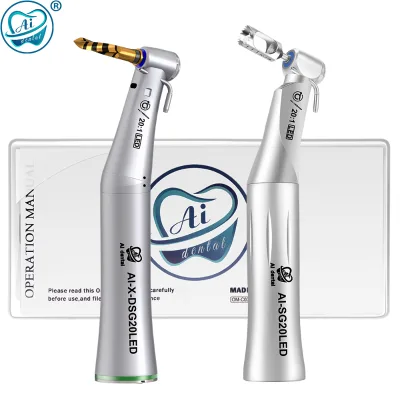
Hot Sale Contra Angle 20: 1 Surgical Handpiece in Dental Implant Handpiece
$85.00 - $110.00
MOQ: 1 Pieces
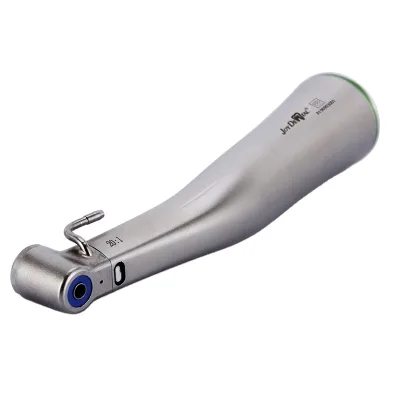


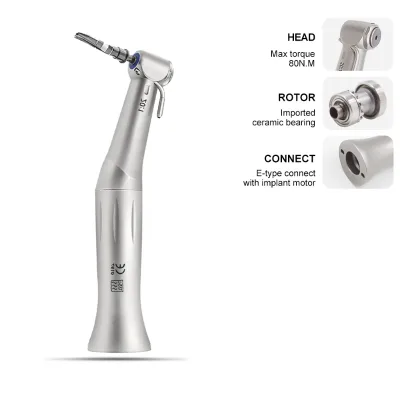


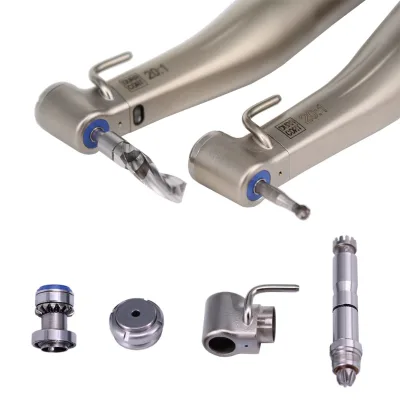
High Quality Dental 16: 1 Contra Angle Implant Handpiece with Stainless Steel
$70.00 - $80.00
MOQ: 10 Pieces
Comprehensive Sourcing Guide
Strategic Sourcing Guide for Implant Contra Angle Dental Handpieces
Understanding Technical Specifications and Variants
When sourcing an Implant Contra Angle Dental Handpiece, buyers must first navigate a complex landscape of technical specifications that define the tool's performance and compatibility. The core product category includes devices designed for both high-speed and low-speed applications, with specific configurations tailored for implantology procedures. A critical observation in the current market is the variation in rotating speeds; some units are classified as high-speed handpieces, while others operate as low-speed handpieces, often reaching a maximum speed of 2,000 RPM. This distinction is vital for matching the equipment to specific surgical protocols, as implant placement often requires precise torque control rather than high rotational velocity.
The physical construction of these handpieces varies significantly based on the intended material and durability requirements. The market features units constructed from titanium, which offers a balance of strength and reduced weight, alongside stainless steel variants that provide robustness for heavy-duty clinical use. The weight of the instrument is a key ergonomic factor; observed data indicates net weights ranging from approximately 73.5 grams to 142 grams. For instance, specific models weigh 76 grams, while others reach 142 grams, directly influencing the fatigue levels of the dental practitioner during extended procedures. The head size also varies, with dimensions such as 9.6H13.5 mm and 9H13 mm being common specifications. These physical dimensions must align with the anatomical constraints of the oral cavity and the specific access requirements of the surgical site.
Another critical technical differentiator is the connection type and the presence of a quick connector. Some units are supplied without a quick connector, requiring a more permanent or specific attachment method to the dental unit, while others may offer different connection standards. The exhaust mechanism is another technical specification to verify; internal exhaust systems are observed in several models, which helps manage debris and moisture within the handpiece housing. Furthermore, the lighting configuration is a decisive feature for visibility. The market presents options with LED lights integrated into the handpiece as well as models without light, allowing buyers to select based on their existing operatory lighting setup and personal preference.
The drive mechanism and internal components also vary. Many units utilize ceramic bearings, which are preferred for their durability and resistance to corrosion compared to traditional steel bearings. The water spray type is another essential specification, with options including external spray, internal spray, or a combination of both. This dual capability ensures effective cooling of the surgical site and the bur during operation. Additionally, the bur type compatibility is specific; for implant procedures, the handpiece is often paired with a 2.35mm implant driver. The torque output is another performance metric, with observed values ranging from 75 Newtons to 80 Newtons, which is crucial for the safe and effective insertion of dental implants without damaging the surrounding bone or the implant fixture itself.
Compliance, Certification, and Regulatory Standards
Navigating the regulatory landscape is a non-negotiable aspect of sourcing medical devices, particularly for implant-related equipment. The primary certifications observed in the product listings include CE and ISO marks. Some suppliers list CE and ISO certifications, while others provide an extended list including TUV, indicating a higher level of third-party verification. The presence of these certifications suggests that the product meets specific safety and performance standards required for medical devices in various international markets. However, buyers must verify the specific scope of these certifications, as they may apply to the manufacturing process rather than the specific product model.
The classification of the instrument is another critical compliance factor. The products in this category are generally classified as Class II instruments, which denotes a moderate to high risk profile requiring special controls to ensure safety and effectiveness. This classification mandates that the device undergoes rigorous testing and quality assurance processes before it can be marketed. The standard of 0.2kg is mentioned in some contexts, likely referring to a specific weight standard or a component specification, but buyers should treat this as a specific product attribute rather than a universal regulatory standard. Similarly, the standard of 202010 and 10X8X5cm appears to refer to packaging dimensions or specific product standards rather than international regulatory benchmarks.
Buyers must also consider the origin of the product, as this often influences the regulatory framework applicable to the device. The majority of the observed products originate from China, with specific mentions of Guangdong as a manufacturing hub. While this location is a significant center for medical device manufacturing, it requires careful due diligence regarding the local regulatory environment and the specific export compliance measures of the supplier. The shelf life of these instruments is noted as 2 years, which is a critical parameter for inventory management and procurement planning. This duration implies that the materials and seals within the handpiece have a finite lifespan and must be replaced or serviced before expiration to maintain sterility and performance.
The nature of the equipment is defined as specialized equipment, which reinforces the need for strict adherence to regulatory standards. The instrument classification as Class II further underscores the necessity for buyers to ensure that the supplier maintains a valid quality management system. While ISO 13485 is a trusted standard for medical device quality management, it is noted here as background knowledge rather than a confirmed attribute of every listed product. Therefore, buyers should explicitly request proof of ISO 13485 certification if it is a requirement for their procurement policy, rather than assuming its presence based on general industry knowledge.
Cost Drivers and Pricing Structures
The pricing of implant contra angle dental handpieces is influenced by a combination of material costs, manufacturing complexity, and certification levels. The observed price range in the market spans from 24 USD to 185 USD, indicating a significant variance in value proposition. This wide range suggests that the lower end of the spectrum may correspond to basic stainless steel models with fewer features, such as the absence of LED lights or simpler bearing systems. Conversely, the higher price points likely reflect premium materials like titanium, advanced features such as internal and external water spray systems, and comprehensive certification packages including TUV.
Material composition is a primary cost driver. Titanium handpieces generally command a higher price due to the material cost and the specialized machining required to achieve the necessary precision and weight reduction. Stainless steel models, while durable, may be priced lower due to the relative abundance of the material and simpler manufacturing processes. The inclusion of ceramic bearings also adds to the cost, as these components offer superior longevity and performance compared to standard bearings. The presence of an LED light system further increases the manufacturing complexity and cost, as it requires the integration of optical components and electrical wiring within the handpiece housing.
Minimum Order Quantity (MOQ) is another factor that affects the total cost of procurement. The observed MOQ range is between 1 and 10 units, offering flexibility for both small clinics and larger distributors. A lower MOQ of 1 allows for trial purchases or small-scale procurement, while a higher MOQ of 10 may offer economies of scale. The packaging specifications also play a role in cost; some products are packed as one piece per package, while others are bulk-packed with 10 pieces per box and 10 boxes per carton. This variation in packaging affects shipping costs and storage requirements, which should be factored into the total cost of ownership.
The feature set of the handpiece is a significant determinant of price. Models with a 20:1 gear ratio, specific torque outputs, and advanced water spray capabilities are likely to be priced higher than basic models. The specific model numbers, such as UL-DH268, 202C12, 202A3, and 202A2, correspond to different feature sets and price points. Buyers should carefully evaluate the specific features required for their clinical needs against the price to ensure they are not overpaying for unnecessary specifications or underpaying for essential ones. The customization availability is another cost factor; while customization is listed as available, it may incur additional charges depending on the extent of the modification required.
Typical Applications and Clinical Use Cases
The primary application of these implant contra angle dental handpieces is in the field of dental implantology, serving both adult and pediatric patients. The versatility of the device is highlighted by its application to both child and adult demographics, although the specific torque and speed requirements may vary based on the patient's age and the complexity of the procedure. The handpiece is designed to accommodate a 2.35mm implant driver, which is a standard size for many implant systems, ensuring compatibility with a wide range of implant fixtures.
The rotating speed and torque capabilities are tailored to specific surgical tasks. High-speed handpieces are suitable for initial osteotomy preparation and bone cutting, while low-speed handpieces, with a maximum speed of 2,000 RPM, are ideal for the final stages of implant placement and torque-controlled insertion. The torque values of 75 to 80 Newtons are critical for ensuring that the implant is seated correctly without over-torquing, which could damage the implant threads or the surrounding bone. The water spray type, whether external, internal, or a combination, is essential for cooling the surgical site and flushing away debris, which is crucial for maintaining a sterile environment and preventing thermal necrosis of the bone.
The ergonomic design of the handpiece, with features like the push button and specific head sizes, facilitates precise control during surgery. The push button mechanism allows for easy engagement and disengagement of the handpiece, improving workflow efficiency. The head diameter, described as a middle head, provides a balance between maneuverability in tight spaces and stability during drilling. The internal exhaust system helps to keep the surgical field clear of debris and moisture, enhancing visibility for the surgeon. The lighting options, including models with LED lights, provide additional illumination for the surgical site, which is particularly useful in deep or hard-to-reach areas of the mouth.
The specialized nature of these instruments means they are not suitable for general dental procedures but are specifically optimized for implant surgery. The classification as Class II equipment underscores their role in critical surgical interventions. The shelf life of 2 years indicates that these instruments are designed for repeated use over a significant period, provided they are properly maintained and sterilized. The non-disposable nature of the handpiece means that they are intended for long-term clinical use, making the initial investment in a high-quality unit a strategic decision for dental practices.
Supplier Evaluation and Quality Assurance
Evaluating suppliers for implant contra angle dental handpieces requires a rigorous approach to ensure the quality and reliability of the products. The first step is to verify the supplier's location and manufacturing capabilities. The majority of the observed products originate from China, with Guangdong being a specific manufacturing hub. Buyers should assess the supplier's production capacity, quality control processes, and adherence to international standards. The presence of certifications such as CE, ISO, and TUV is a positive indicator, but buyers must request documentation to confirm the validity and scope of these certifications.
The product attributes listed, such as the material (titanium or stainless steel), bearing type (ceramic), and specific model numbers, should be cross-referenced with the supplier's product catalog to ensure accuracy. The consistency of these attributes across different batches is a key indicator of quality control. Buyers should also inquire about the supplier's testing procedures, including torque testing, speed verification, and water spray functionality checks. The absence of quick connectors in some models may require specific compatibility checks with the buyer's existing dental units, so suppliers should be able to provide detailed compatibility information.
Packaging and labeling are also important aspects of supplier evaluation. The observed packaging options, such as one piece per package or bulk packaging, should be evaluated for their ability to protect the handpiece during shipping and storage. The labeling should clearly indicate the product model, material, certification marks, and shelf life. The supplier's ability to provide customization services is another factor to consider, as it may allow for tailored solutions to meet specific clinical needs. However, buyers should be cautious of potential delays or additional costs associated with customization.
The supplier's reputation and track record in the market are crucial indicators of reliability. While specific supplier names should not be recommended, buyers can look for reviews, case studies, and references from other dental practices. The supplier's response time to inquiries and their willingness to provide samples or technical documentation are also important factors. A reliable supplier should be transparent about their manufacturing processes, quality control measures, and after-sales support. The net weight and head size specifications should be consistent with the product descriptions to ensure that the buyer receives the exact product they ordered.
Long-Term Procurement and Maintenance Considerations
Long-term procurement of implant contra angle dental handpieces involves more than just the initial purchase; it requires a strategic approach to maintenance, inventory management, and lifecycle planning. The non-disposable nature of these instruments means that they are designed for repeated use, but this also necessitates a robust maintenance program to ensure their longevity and performance. The shelf life of 2 years is a critical parameter that must be managed carefully. Buyers should implement a first-in, first-out (FIFO) inventory system to ensure that older stock is used before it expires, preventing the use of degraded instruments.
Sterilization and cleaning are essential maintenance activities that directly impact the lifespan of the handpiece. The internal and external water spray systems, as well as the internal exhaust, must be kept free of debris and biofilm to prevent clogging and corrosion. The ceramic bearings, while durable, require proper lubrication and cleaning to maintain their performance. The push button mechanism and the connection points should be regularly inspected for wear and tear, and replaced if necessary. The specific model numbers, such as UL-DH268 and 202C12, may have unique maintenance requirements that should be documented and followed by the clinical staff.
The availability of spare parts and accessories is another long-term consideration. Buyers should ensure that the supplier offers a steady supply of replacement parts, such as bur drivers, seals, and bearings, to minimize downtime. The customization availability may also extend to the supply of specialized accessories, which can be beneficial for specific clinical applications. The packaging specifications, such as the 10 pieces per box and 10 boxes per carton, should be considered when planning inventory levels to optimize storage and reduce the frequency of reordering.
The cost of ownership should be evaluated over the entire lifecycle of the handpiece, not just the initial purchase price. While the observed price range is 24 to 185 USD, the long-term costs of maintenance, sterilization, and potential replacement should be factored into the decision-making process. The torque and speed specifications should be regularly verified to ensure that the handpiece continues to meet the required performance standards. The classification as Class II equipment means that regular inspections and maintenance are mandatory to maintain compliance with regulatory standards.
Finally, the relationship with the supplier should be viewed as a long-term partnership. A reliable supplier can provide valuable support in terms of training, technical assistance, and product updates. The supplier's ability to adapt to changing market conditions and regulatory requirements is also a key factor in ensuring the long-term success of the procurement strategy. By focusing on these long-term considerations, buyers can ensure that their implant contra angle dental handpieces remain a reliable and effective tool in their clinical practice.
FAQs
What certifications do implant contra angle dental handpieces have?
These handpieces typically carry CE and ISO certifications, with some models also including TUV marks. Buyers should verify that the specific product listing displays these marks to ensure compliance with international medical device safety standards before purchasing.
Can I find titanium or stainless steel options for this handpiece?
Yes, the market offers both titanium and stainless steel variants for implant contra angle dental handpieces. Titanium models provide reduced weight and strength, while stainless steel options offer robust durability, allowing selection based on ergonomic and performance needs.
Which rotating speed is suitable for implant placement procedures?
Both high-speed and low-speed handpieces are available, with low-speed models reaching a maximum of 2000 RPM. Low-speed units are often preferred for implant placement due to precise torque control, while high-speed versions suit initial bone preparation tasks.
How much does the net weight of these handpieces vary?
Net weights range from approximately 73.5 grams to 142 grams depending on the model and material. Lighter titanium units around 76 grams reduce practitioner fatigue, whereas heavier stainless steel models may weigh up to 142 grams for added stability.
What is the minimum order quantity for purchasing these devices?
The minimum order quantity typically ranges from 1 to 10 units per transaction. This flexibility allows small clinics to purchase single units for trials while larger distributors can order in bulk to secure economies of scale on the product.
Are there models with LED lights integrated into the handpiece?
Yes, some models feature integrated LED lights while others operate without light. Buyers can choose based on their operatory setup, selecting illuminated versions for enhanced visibility or non-illuminated units if existing surgical lighting is sufficient.
What torque values are available for these implant handpieces?
Observed torque values range from 75 Newtons to 80 Newtons for these specific models. This torque range is critical for safely inserting dental implants without damaging the surrounding bone or the implant fixture during the surgical procedure.