Source Individually Packed Acne Patches for Face, Skin, and Beauty
Compare 30 listings of Individually Packed Acne Patches designed for combination skin and acne treatment. Buyers can evaluate hydrocolloid materials, sizes, and customization options from manufacturers in China.
Key considerations
Products List


Pimple Patches for Face Acne Cover Patch Large Hydrocolloid Acne Patches for Face
$0.17 - $0.20
MOQ: 10000 Pieces
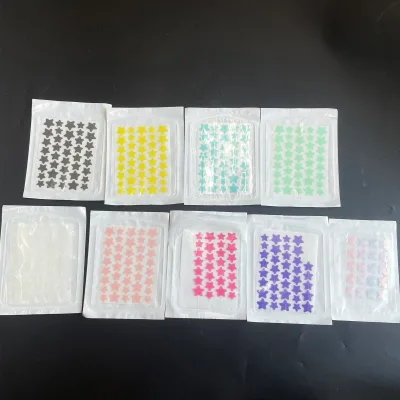
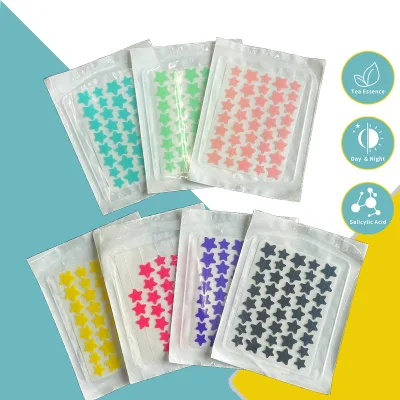
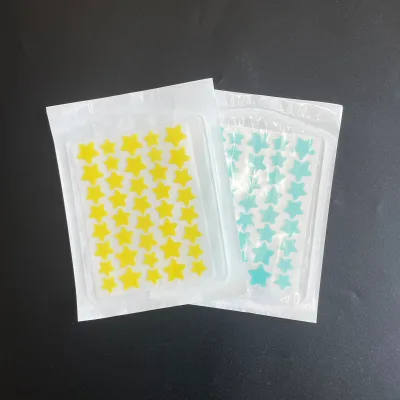


Hydrocolloid Acne Patch Custom Packaging Pimple Patch with Your Own Logo
$0.19 - $0.32
MOQ: 100 pieces


Comprehensive Sourcing Guide
Strategic Sourcing Guide for Individually Packed Acne Patches
The global demand for targeted dermatological solutions has elevated the profile of Individually Packed Acne Patches within the B2B beauty and personal care sectors. These hydrocolloid-based devices serve as a critical interface between clinical efficacy and consumer convenience, offering a discreet method for managing blemishes without the mess of traditional topical treatments. For procurement professionals, sourcing these items requires a nuanced understanding of material science, regulatory compliance, and supply chain logistics. The following guide outlines the essential factors for evaluating suppliers and products in this specific category, ensuring that procurement decisions are grounded in verifiable data and industry standards rather than marketing assertions.
Technical Specifications and Material Composition
The core functionality of an acne patch relies heavily on its material composition and physical dimensions. The predominant material observed in high-performance products is hydrocolloid, a substance known for its ability to absorb exudate and create a moist healing environment. When evaluating technical specifications, buyers must verify the thickness of the patch, as this directly influences its ability to remain invisible on the skin while maintaining structural integrity. Observed data indicates that viable products typically range in thickness from 0.25mm to 0.3mm. Thinner profiles are often preferred for "invisible" applications on the face, whereas thicker variants may offer enhanced absorption for larger lesions.
Dimensional standardization is another critical technical parameter. The market offers a variety of diameters to accommodate different blemish sizes. Standard specifications include diameters of 8mm, 10mm, 12mm, and 14mm. Some suppliers also provide specific sheet configurations, such as 12mm dots arranged in 16-count patterns or larger sheets measuring 5x6cm. The shape of the patch is frequently customizable, allowing brands to align with their unique identity, though circular and dot shapes remain the industry standard for optimal adhesion. Buyers should also note that some products incorporate active ingredients like tea tree oil or salicylic acid, which must be clearly listed in the ingredient specifications to ensure compatibility with sensitive skin types.
Compliance, Certification, and Regulatory Standards
Navigating the regulatory landscape is paramount for importing beauty and medical-adjacent devices. In the context of acne patches, certifications serve as a proxy for quality assurance and safety. Verified product attributes indicate that compliant manufacturers often hold CE certification, signaling adherence to European health, safety, and environmental protection standards. Furthermore, ISO certification is a frequent requirement, ensuring that the manufacturing process meets international quality management benchmarks.
Beyond general manufacturing standards, specific industry certifications such as FDA, BSCI, and WCA are critical indicators of a supplier's commitment to safety and ethical labor practices. The FDA certification, in particular, suggests that the product may be recognized for its safety profile in the United States market, although this does not automatically classify the patch as a drug. For buyers targeting the European market, the CE mark is non-negotiable. Additionally, the BSCI (Business Social Compliance Initiative) certification ensures that the supply chain adheres to ethical labor standards, which is increasingly a requirement for major retail partners. Procurement teams must request current, valid certificates for all listed standards before proceeding with any order, as these documents are subject to renewal and audit.
Cost Drivers and Minimum Order Quantity Analysis
The pricing structure for Individually Packed Acne Patches is influenced by several variables, including material costs, customization levels, and order volume. The observed price range for these products in the market spans from $0.10 to $5.00 USD per unit, a wide variance that reflects differences in packaging, ingredient complexity, and order size. The primary cost driver is often the level of customization. Standard, off-the-shelf products in basic packaging will sit at the lower end of the price spectrum. Conversely, fully customized solutions involving unique shapes, proprietary ingredient blends, or specialized branding on the packaging will command higher unit costs.
Minimum Order Quantity (MOQ) is a significant factor in budget planning. Data indicates that MOQs can vary drastically, ranging from 12 units for small trial batches to 20,000 units for large-scale production runs. A common threshold for established suppliers is 5,000 boxes, while some may require 10,000 units for specific customizations. Buyers must align their inventory forecasts with these MOQ constraints to avoid capital tie-up or stockouts. It is also essential to consider the packaging format, as individual boxes or paper-plastic bags add to the overall cost per unit compared to bulk blister packs.
Packaging, Shelf Life, and Storage Requirements
Packaging plays a dual role in protecting the product and communicating brand value. The standard packaging formats observed include individual paper boxes, carton boxes, and paper-plastic bags. For individually packed patches, the integrity of the seal is critical to prevent premature drying of the hydrocolloid material. The "Paper Box" and "Carton" options are preferred for retail presentation, while "Paper Plastic Bag" configurations are often used for bulk distribution or professional settings.
Shelf life is a vital metric for inventory management. Products in this category typically boast a shelf life of 2 to 3 years, depending on the specific formulation and packaging technology. A 2-year shelf life is common for standard hydrocolloid patches, while formulations with added active ingredients like salicylic acid may require stricter storage conditions to maintain efficacy. Buyers should verify the expiration date on the batch and ensure that the storage environment remains cool and dry to prevent the adhesive from degrading. The product origin, often cited as China, Ningbo, or Zhejiang, can also influence shipping times and storage logistics, particularly regarding humidity control during transit.
Supplier Evaluation and Customization Capabilities
Selecting the right supplier requires a thorough assessment of their customization capabilities and production flexibility. The market data confirms that customization is a standard offering, with suppliers accepting OEM (Original Equipment Manufacturer) and ODM (Original Design Manufacturer) requests. This allows brands to tailor the product name, shape, and even the ingredient profile to match their specific market positioning. For instance, a brand focusing on "Acne/Blemish Control" for "Combination" skin types can request specific formulations that differ from those targeting "Adult" or "Unisex" demographics.
When evaluating suppliers, buyers should verify their ability to handle different production standards, such as the 12mm/8mm/10mm thickness variations or specific dot arrangements like 8mm*16. The lead time is another critical evaluation metric; typical delivery windows range from 30 to 35 days. This timeline must be factored into the procurement schedule to ensure stock availability. Additionally, the availability of free samples is a strong indicator of a supplier's confidence in their product quality. Buyers should always request samples to test adhesion, absorption, and visibility on actual skin before committing to a large order.
Quality Control and Long-Term Procurement Strategy
Implementing a robust quality control (QC) protocol is essential for maintaining brand reputation. Given that these products are applied directly to the face, any failure in adhesion or material quality can lead to significant customer dissatisfaction. QC checks should focus on the consistency of the hydrocolloid layer, the accuracy of the dimensions (e.g., ensuring 12mm dots are exactly 12mm), and the integrity of the packaging seals. Buyers should also verify that the product is suitable for its intended use, such as "Clean Face" application, and that it effectively addresses issues like "Acne/Blemish Control" or "Wart Removal" as claimed.
For long-term procurement, establishing a strategic partnership with a reliable supplier is more beneficial than a transactional relationship. This involves agreeing on consistent quality standards, secure lead times, and flexible MOQ adjustments as the brand grows. The ability of the supplier to scale production from small batches to 20,000 units is a key indicator of their operational capacity. Furthermore, buyers should maintain open communication regarding any changes in regulatory requirements or material standards to ensure continued compliance. By focusing on these strategic elements, procurement teams can secure a steady supply of high-quality, Individually Packed Acne Patches that meet the evolving needs of the market.
Comparative Analysis of Product Attributes
To facilitate a clearer understanding of the variations available in the market, the following table summarizes key attributes observed across different product models. This comparison highlights the diversity in specifications, certifications, and packaging options that buyers must consider.
| Attribute | Model A-008 | Model HYCA-36 | Model HYCA-56 | Model HYCA-81 |
|---|---|---|---|---|
| Material | Hydrocolloid | Hydrocolloid | Hydrocolloid | Hydrocolloid |
| Standard Size | 12mm/8mm/10mm | 12mm/10mm | 12mm12, 56cm | 12mm-12 |
| Thickness | Not Specified | 0.25-0.3mm | Not Specified | Not Specified |
| MOQ | 5000 boxes | Not Specified | 10000 | Not Specified |
| Packaging | Box | Carton | Paper Box | Paper Plastic Bag |
| Certifications | CE, ISO | ISO/FDA/BSCI/Wca | Not Specified | Not Specified |
| Shelf Life | 2 Years | Not Specified | 3 Years | Not Specified |
| Origin | China | Ningbo | Zhejiang | Not Specified |
| Key Features | Waterproof | Moisturizer, Nourishing | Invisible, Acne Removing | Transparent |
This table illustrates that while the core material remains consistent, the specific application, packaging, and regulatory standing vary significantly. Buyers must match these attributes to their specific market requirements, ensuring that the chosen product aligns with their brand's value proposition and regulatory obligations. By meticulously analyzing these factors, procurement professionals can make informed decisions that drive success in the competitive acne patch market.
FAQs
What certifications do Individually Packed Acne Patches typically have?
Compliant products often hold CE and ISO certifications, with some suppliers also providing FDA, BSCI, and WCA certificates. These documents verify adherence to international quality management benchmarks and safety standards required for importing beauty devices.
Which material is used for high-performance Individually Packed Acne Patches?
The predominant material is hydrocolloid, known for absorbing exudate and creating a moist healing environment. Some formulations may also include ingredients like tea tree oil or salicylic acid for enhanced treatment of blemishes.
How long is the delivery time for custom orders of acne patches?
Typical delivery windows range from 30 to 35 days for production and shipping. This timeline must be factored into procurement schedules to ensure stock availability, especially for customized orders requiring specific shapes or branding.
What is the minimum order quantity for bulk acne patch purchases?
MOQs vary significantly, ranging from 12 units for small trials to 20,000 units for large production runs. Common thresholds include 5,000 boxes or 10,000 units depending on the level of customization and packaging requirements.
Can buyers request custom shapes and sizes for acne patches?
Yes, customization is a standard offering, allowing brands to tailor shapes like dots or specific dimensions such as 12mm or 14mm. Suppliers also accept OEM and ODM requests for unique ingredient blends and packaging designs.
What packaging formats are available for Individually Packed Acne Patches?
Standard formats include individual paper boxes, carton boxes, and paper-plastic bags. The choice depends on whether the product is for retail presentation or bulk distribution, with integrity of the seal being critical for shelf life.
Where are these acne patches typically manufactured and shipped from?
Products originate primarily from China, with specific locations cited as Ningbo and Zhejiang. These regions influence shipping times and logistics, particularly regarding humidity control during transit to maintain product quality.