Source Indoor Ceramic Flower Vase for Home Decor, Gifts, and Events
Find 30 Indoor Ceramic Flower Vase options for home decor, gifts, and events. Compare solid, geometric, and irregular styles in glass and ceramic materials. Customize logos and colors for business promotions or everyday use.
Key considerations
Products List

Custom Ceramic Flower Vase Simple Gift Flower Vase Indoor Decoration Flower Vase
$1.00 - $3.00
MOQ: 3000 Pieces


Chinese Factory Small Indoor Vase Green Plant Vase Custom Color Size Ceramic Flower Vase
$0.75 - $3.00
MOQ: 3000 Pieces

European Ceramic Vase Custom Modern Decorative Ceramic Vase Outdoor Indoor Tall Flower Vase
$1.50 - $3.00
MOQ: 3000 Pieces

Factory Simple Flower Vase Custom Ceramic Plant Vase Black Indoor Flower Vase
$1.50 - $3.00
MOQ: 3000 Pieces

Wholesale Small Porcelain Vase Indoor Custom Ceramic Flower Vase for Home Decor
$0.75 - $3.00
MOQ: 3000 Pieces
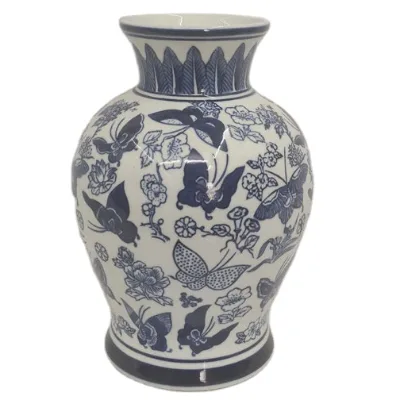
Flower Vase Blue and White Ceramic, New, Vintage, Chinese, Decorative Home
$9.00 - $33.43
MOQ: 300 Minimum


Living Room Interior Home Decor Simple Decor Circular Modern Ceramic Flower Pot Vase
$2.13 - $3.54
MOQ: 1000 Pieces
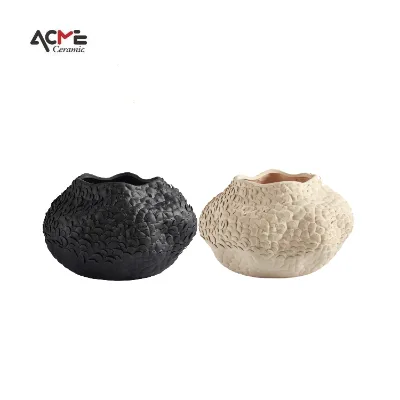


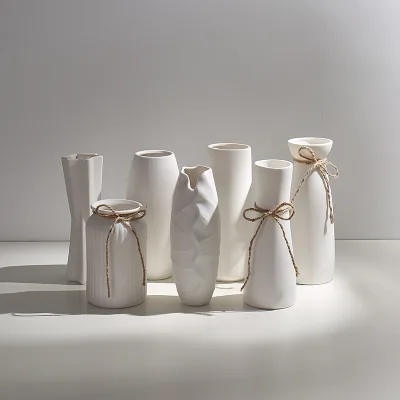


Comprehensive Sourcing Guide
Indoor Ceramic Flower Vase Sourcing Guide
Sourcing indoor ceramic flower vases requires a strategic approach that balances aesthetic versatility with the rigorous demands of B2B procurement. The market offers a diverse array of options ranging from solid, fashion-forward designs to creative, irregular shapes that serve as unique centerpieces or decorative sculptures. Buyers must navigate a landscape where customization is a standard offering, allowing for tailored logos, specific color glazes, and bespoke dimensions to meet distinct brand or retail requirements.
The procurement process is further complicated by the wide variance in product attributes observed in current listings, including materials that span from glass to ceramic, and processing methods that range from blown techniques to hand-made craftsmanship. While the core keyword focuses on ceramic, the available data indicates a significant overlap with glass and mixed-material decorative items, necessitating a clear definition of material specifications before engaging with suppliers. Understanding these distinctions is critical for ensuring that the final product aligns with the intended application, whether for kitchen decor, restaurant centerpieces, or high-end home decoration.
Product Scope and Observed Listing Signals
The observed product scope reveals a broad spectrum of styles and applications, from modern, solid-patterned vases suitable for everyday use to creative, irregular shapes designed for art collection and garden decoration. Listings frequently highlight customization capabilities, including the ability to add custom logos and select from multicolor, white, or black glazes, which suggests that buyers can expect a high degree of flexibility in product design. However, the presence of specific model numbers like VG-K1042 and 1946-20SL alongside generic descriptions like "glass vase" indicates that buyers must carefully verify the exact material composition, as some listings may feature glass rather than ceramic despite the search intent.
Application scenarios for these items are equally diverse, covering kitchen and restaurant settings, promotional gifts, and holiday decorations. The data shows that products are marketed for all age groups and are often described as suitable for home, business gifts, and promotional events. Buyers should note that while many items are described as "fashion" or "natural" style, the specific usage context—such as a table centerpiece versus a standalone sculpture—will dictate the necessary durability and aesthetic finish. It is essential to distinguish between items intended for general decorative purposes and those designed for specific functional uses like holding water for flowers, as the structural integrity requirements may differ.
Technical Specifications to Verify
Technical verification must begin with precise dimensional standards, as observed listings provide specific measurements such as a top diameter of 6cm with a bottom of 8.7cm and a height of 20.2cm, or alternative sizes like 10cm diameter by 9cm height. Buyers should demand exact specifications for every SKU, as the range extends from small to large sizes, with some items listed as 14.5x20cm or 16x16.5cm in height. The absence of a universal standard size means that procurement contracts must explicitly define the required dimensions to avoid receiving products that do not fit the intended display space or packaging constraints.
Material and processing attributes are equally critical, with observed data indicating a mix of glass and ceramic materials, as well as processing methods including blown, hand-made, and polished surface treatments. The glaze type is often specified as color glazed, and the quality standard is frequently listed as "A-B Grade" or "According to Your Requirements," which requires the buyer to define their own acceptable quality threshold. Additionally, the shape can vary from round to irregular, and the pattern may be solid or geometric, so buyers must confirm these visual attributes against physical samples to ensure the final product matches the design intent.
Compliance and Safety Documentation
Compliance documentation for indoor decorative ceramics and glass items should focus on material safety and structural integrity, particularly since the products are intended for home and restaurant use where they may come into contact with water and food. While the supplied facts do not list specific certifications, buyers must verify that the glazes used are lead-free and non-toxic, especially for items that might be used as vases for fresh flowers or as decorative pieces in dining areas. The "A-B Grade" quality standard mentioned in the data suggests a tiered quality system, so buyers should request test reports that confirm the safety of the materials used in the specific grade they are purchasing.
Safety verification should also extend to the packaging and shipping standards, as the observed data indicates that products are packed in cartons or carton boxes. Buyers need to ensure that the packaging is robust enough to prevent breakage during transit, given the fragile nature of ceramic and glass materials. Furthermore, if the products are intended for export to markets with strict safety regulations, buyers must confirm that the supplier can provide documentation regarding the chemical composition of the glazes and the structural stability of the finished vases to meet local import requirements.
Cost Drivers and Commercial Terms
Cost drivers in this category are heavily influenced by the level of customization, the complexity of the shape, and the specific processing method employed. Hand-made items and those with irregular shapes or custom logos typically command higher prices compared to mass-produced, solid-patterned vases with standard dimensions. The observed price range of 0.49 to 33.43 USD reflects this variance, with lower costs associated with simpler, smaller items and higher costs linked to larger, more intricate, or custom-designed pieces. Buyers should analyze the cost structure based on the specific combination of material, size, and customization features to negotiate effectively.
Commercial terms are further defined by the Minimum Order Quantity (MOQ), which ranges from 10 to 3000 units in the observed data. This wide range allows for flexibility, enabling buyers to start with small test orders or commit to larger volumes for better unit pricing. However, the MOQ is often tied to the customization level, with custom logos or specific color glazes potentially requiring higher order volumes to be economically viable. Buyers must clarify the MOQ requirements for each customization option and understand how these thresholds impact the overall cost per unit and the lead time for production.
Supplier Qualification and Quality Control
Supplier qualification should prioritize manufacturers who demonstrate a clear understanding of the diverse product attributes observed, such as the ability to produce both round and irregular shapes with varying glaze types. Buyers must verify that the supplier has the technical capability to meet the specific "A-B Grade" or custom quality standards requested, as the data indicates that quality is often defined by the buyer's requirements rather than a fixed industry standard. It is essential to request samples that match the exact specifications of the intended order, including the specific model number, dimensions, and surface treatment, to ensure consistency before placing a bulk order.
Quality control processes must be rigorous, focusing on the inspection of surface treatments like polishing and the verification of dimensions against the provided standards. Since the data shows a mix of processed and hand-made items, buyers should establish clear acceptance criteria for defects, such as cracks, uneven glazing, or dimensional inaccuracies. The supplier should be required to implement a pre-shipment inspection protocol that covers both the visual aesthetics and the structural integrity of the vases, ensuring that the final products meet the agreed-upon specifications for shape, size, and finish.
Long-Term Procurement Checks
Long-term procurement success depends on establishing a reliable supply chain that can consistently deliver products matching the evolving design and quality requirements of the buyer. Buyers should conduct periodic audits of the supplier's production capabilities to ensure they can maintain the specified standards for materials, glazes, and processing methods over time. Given the wide range of observed attributes, it is crucial to maintain a dynamic product catalog that allows for adjustments in style, size, and customization options as market trends shift.
Continuous communication regarding quality feedback and performance metrics is essential for maintaining a strong supplier relationship. Buyers should track the defect rates and return rates of the products to identify any systemic issues in the manufacturing process. Additionally, regular reviews of the commercial terms, including pricing and MOQ adjustments, will help ensure that the procurement strategy remains competitive and aligned with the buyer's budget and volume needs. By maintaining a proactive approach to supplier management, buyers can mitigate risks and ensure a steady supply of high-quality indoor ceramic flower vases.
FAQs
What customization options are available for indoor ceramic flower vases?
Customization is available for these products, including logo printing and specific design requests. Buyers can request tailored patterns, colors, or shapes to match their brand or event needs. The standard quality is either A-B grade or according to your specific requirements.
Which materials are used to make these decorative vases?
The primary material used for these items is glass, though some listings mention ceramic attributes in the context of the core keyword. The processing methods include blown techniques and hand-made craftsmanship. Some pieces feature color glazed finishes and polished surfaces for enhanced aesthetics.
Can I order small quantities of these vases for promotional gifts?
Yes, you can order small quantities as the minimum order quantity starts at 10 units. These items are suitable for kitchen, restaurant, market, and promotional uses. They serve well as business gifts, holiday gifts, or art collections for various age groups.
What are the standard dimensions for the large indoor vases?
Large indoor vases come in various dimensions, such as 16.5x27cm H or 14.5x20cm H. Some models have a top diameter of 6cm and a bottom diameter of 8.7cm with a height of 20.2cm. Specific models like VG-K1042 and 1946-20SL have defined size specifications.
How are these vases packaged for international shipping?
These products are typically packed in carton boxes to ensure safe transport. The packaging is designed to protect the glass or ceramic material during transit. This standard packing method applies to most models listed, ensuring they arrive in good condition for decorative or gift purposes.
What styles and shapes are offered for home decoration?
The vases are available in round, irregular, and geometric shapes with fashion and creative styles. Colors include multicolor, white, and black options. They are suitable for home decoration, garden decoration, and can function as desk elegant vases or sculptures for various interior settings.