Source IP67 Wireless RF Dummy Load for Ibs Das Pdas
Source 30 verified suppliers offering IP67 wireless RF dummy loads with frequencies from DC to 6GHz and power ratings up to 100W. Compare specifications including VSWR, impedance, and connector types for indoor and outdoor applications; compare the available evidence and request quotations based on your requirements.
Key considerations
Products List


350-6000MHz 50W RF Termination Dummy Load N Female Type for Ibs Das Using
$30.00 - $73.00
MOQ: 1 Pieces
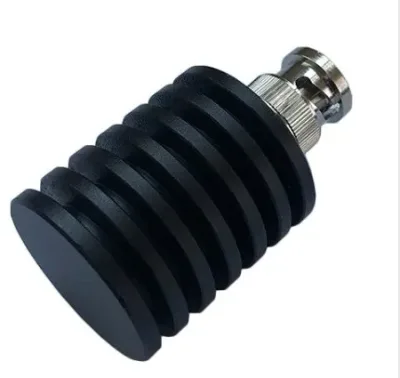
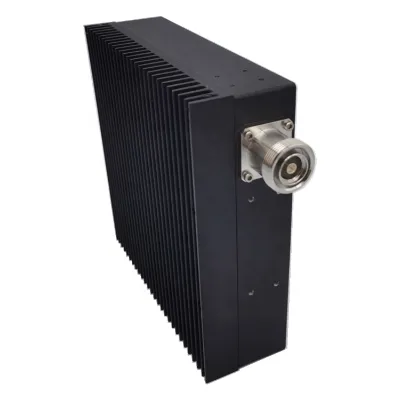
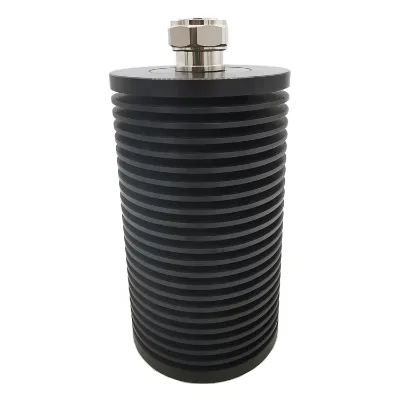


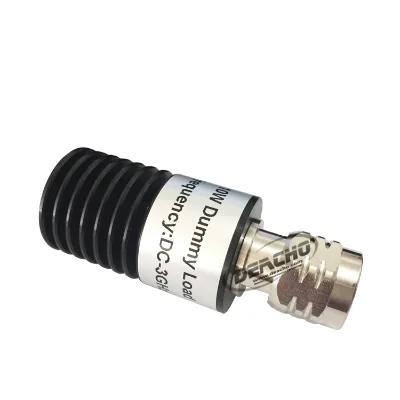


China Load Price 698-2700MHz RF Low Pim Termination Load Dummy Load 7/16 DIN Type
$20.00 - $80.00
MOQ: 1 Pieces


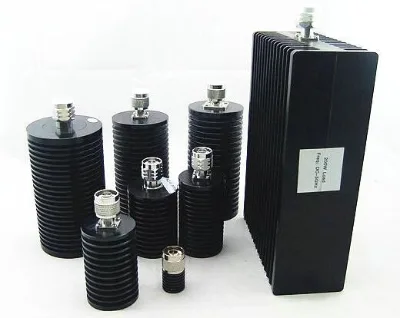
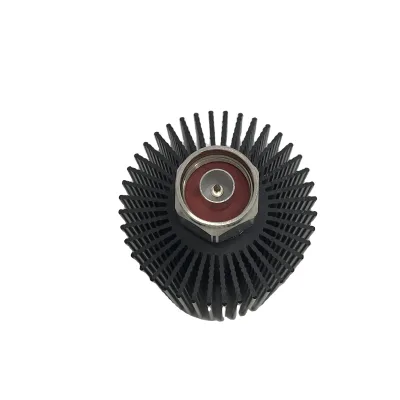
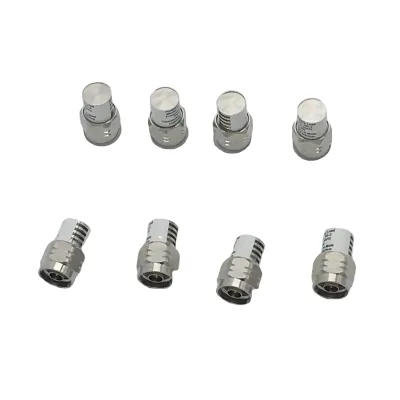

0.5W 2.92mm Female DC-40GHz RF Load 50ohm RF Coaxial Termination Dummy Load
$0.30 - $2.20
MOQ: 1 Pieces


Comprehensive Sourcing Guide
IP67 Wireless RF Dummy Load Sourcing Guide
Procuring an IP67 Wireless RF Dummy Load requires distinguishing between general indoor components and ruggedized outdoor units capable of withstanding harsh environmental conditions. While the observed product data indicates a broad range of frequencies from DC to 6GHz, buyers must specifically verify that the IP67 rating applies to the specific model intended for outdoor deployment. Many listed units feature IP65 ratings, which offer protection against dust and water jets but may not fully satisfy the immersion requirements of a true IP67 specification.
Buyers should prioritize suppliers who explicitly document the sealing mechanisms used to achieve the IP67 standard, such as reinforced O-rings or hermetic connectors. The observed data shows various connector types including BNC, N, and 4.3-10, which must be compatible with the sealing requirements of the specific application. Ensuring the dummy load maintains its impedance stability and power handling capabilities under wet conditions is critical for maintaining signal integrity in distributed antenna systems and base station testing environments.
Product Scope and Observed Listing Signals
The market for RF dummy loads presents a wide spectrum of power ratings, with observed listings ranging from 10W to 100W and beyond. Buyers must carefully cross-reference the power handling capacity against their specific testing needs, as a 10W unit is insufficient for high-power transmitter testing while a 100W unit may be over-engineered for low-power receiver diagnostics. The frequency ranges observed span from DC-3GHz up to 6GHz, necessitating a precise match between the load's bandwidth and the operational frequency of the equipment under test.
Listing signals often highlight customization capabilities, including color options and specific connector configurations, which can be vital for project-specific identification and integration. However, the presence of customization options does not guarantee that every listed product meets the IP67 environmental standard. Procurement teams should scrutinize individual product descriptions to confirm that the specific model number, such as those starting with SDL or FZ, explicitly supports the required environmental rating rather than assuming it based on the supplier's general capabilities.
Technical Specifications to Verify
Impedance stability is a primary technical parameter, with observed data indicating a standard 50Ω requirement for most RF passive components. Buyers must verify that the VSWR remains within acceptable limits, typically ≤1.2 or ≤1.25, across the entire operating frequency range to ensure minimal signal reflection. A high VSWR can lead to inaccurate test results and potential damage to the transmitter, making this a non-negotiable specification for any dummy load used in critical RF measurements.
Power handling and thermal management are equally critical, as the dummy load must dissipate significant energy without overheating or degrading performance. The observed data includes power ratings of 10W, 80W, and 100W, alongside temperature operating ranges from -35℃ to +70℃. Buyers should confirm that the thermal design supports continuous operation at the rated power and that the connector materials, such as brass with silver plating, are suitable for the expected current density and environmental exposure.
Compliance and Safety Documentation
Regulatory compliance is essential for RF components, with observed listings mentioning RoHS and Reach standards as key indicators of material safety. Buyers must request specific test reports confirming that the dummy load materials do not contain restricted substances, particularly when the equipment is destined for markets with strict environmental regulations. While the data confirms the availability of these standards, it is the buyer's responsibility to ensure the specific batch or model carries valid certification documentation.
Safety documentation should also address the mechanical integrity of the unit, especially for outdoor applications where physical stress and weather exposure are constant factors. The observed dimensions and weights, such as a 2KG unit with specific dimensions, provide a baseline for mounting and structural planning. Procurement teams should verify that the packaging and shipping methods protect the unit from damage during transit, ensuring that the IP67 seal remains intact upon arrival at the installation site.
Cost Drivers and Commercial Terms
Pricing for RF dummy loads is heavily influenced by power rating, frequency range, and environmental rating, with observed listings showing a vast range from $0.30 to $1300. Higher power ratings and wider frequency bands typically command a premium, as do units with verified IP67 ratings and specialized connectors. Buyers should be wary of prices that seem unusually low, as they may indicate a compromise in material quality or a lack of genuine environmental sealing.
Commercial terms such as MOQ and lead times vary significantly, with observed minimum order quantities ranging from 1 to 10 units. Buyers should negotiate based on their specific project volume, keeping in mind that OEM/ODM capabilities may offer flexibility for custom configurations but could impact lead times. It is crucial to clarify whether the quoted price includes export packaging and if the supplier offers warranty coverage, as the observed data mentions a standard one-year warranty period.
Supplier Qualification and Quality Control
Supplier qualification should focus on manufacturers with proven OEM/ODM capabilities and a track record of delivering complex RF projects. The observed data identifies the company type as a manufacturer, which is a positive indicator, but buyers must verify their specific experience with IP-rated components and high-power RF loads. A supplier's ability to provide overall project delivery capability suggests they can handle the integration challenges often associated with distributed antenna systems.
Quality control processes must be robust, particularly regarding the consistency of the IP67 seal and the precision of the impedance matching. Buyers should request evidence of production standards and test procedures, such as PIM3 testing results which are observed to be ≤-155dBc@2*43dBm for some units. Ensuring that the supplier maintains strict control over their manufacturing process is essential to prevent defects that could compromise the reliability of the dummy load in the field.
Long-Term Procurement Checks
Long-term procurement success depends on establishing a reliable supply chain that can support future maintenance and replacement needs. Buyers should verify the availability of spare parts and the supplier's ability to provide consistent product specifications over time, as changes in connector types or materials could affect system compatibility. The observed data indicates a focus on export-standard packaging, which is a good sign for logistics, but long-term contracts should explicitly address supply continuity.
Warranty and after-sales support are critical components of a sustainable procurement strategy, with observed warranties typically lasting one year. Buyers should clarify the terms of the warranty, including what constitutes a defect and the process for claims, to ensure they are protected against premature failures. Regular performance checks and periodic re-verification of the dummy load's specifications are recommended to maintain the integrity of the RF testing infrastructure over the long term.
FAQs
What is the frequency range for these RF dummy loads?
The frequency range varies by model, covering options from DC to 3GHz, 600-4000MHz, and up to 6GHz. Specific models support bands like 698-3800MHz. Select the unit that matches your operational bandwidth requirements for optimal performance and signal integrity in your application.
Can these components handle high power levels?
Yes, power ratings range from 10W to 100W depending on the specific model. For instance, the SDL-10W-03-BNC handles 10W, while the SDL-100W-04-4310M supports 100W. Choose the appropriate wattage rating to ensure safe operation and prevent thermal damage during high-power testing scenarios.
Which RF connectors are available for these loads?
Available connectors include BNC, DIN-Female, 4.3-10 Male, and N Male/Female types. The interface options allow compatibility with various test equipment. Select the connector type that matches your existing cable assemblies to ensure secure connections and maintain signal integrity during RF measurements and system testing.
Are these dummy loads suitable for outdoor use?
Yes, certain models are designed for indoor and outdoor applications with an IP65 rating. This ensures protection against dust and water jets. The operating temperature range spans from -35℃ to +70℃, making them reliable for harsh environmental conditions while maintaining stable RF performance in field deployments.
What is the VSWR performance of these components?
The Voltage Standing Wave Ratio is typically ≤1.2 or 1.25, indicating excellent impedance matching. This low VSWR ensures minimal signal reflection and efficient power transfer. Such performance is critical for accurate RF testing and measurement, ensuring that your dummy load does not distort the signal under test.
Is customization available for these RF components?
Yes, customization is available for models, colors, and specifications. The manufacturer supports OEM/ODM production to meet specific project requirements. You can request customized frequencies, connectors, or packaging solutions. This flexibility allows you to tailor the dummy load to your unique testing environment and operational needs.