Source Indoor Electric Snowflake Cap for Events, Parties, and Displays
Compare 30 listings for the Indoor Electric Snowflake Cap with varying customization options, materials, and sizes. Buyers can review specifications like packing, origin, and sample policies to find suitable suppliers for their projects.
Key considerations
Products List


Leisure Hat Floral Fabric Hat Fashion Hat Sport Cap Hot Sale Cap Outdoor Cap
$1.00 - $3.00
MOQ: 50 Pieces


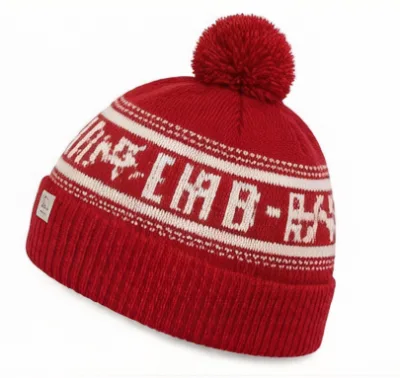
Hot Selling Decoration American Christmas Hat Red Adult Snowflake Enlarged
$0.68 - $0.76
MOQ: 1315 Pieces


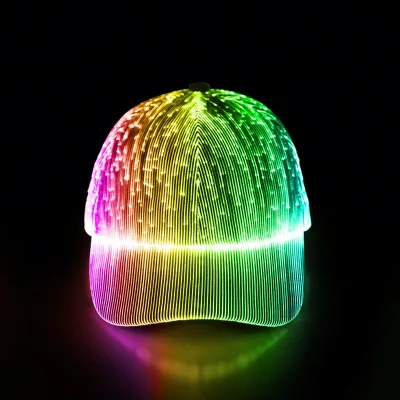


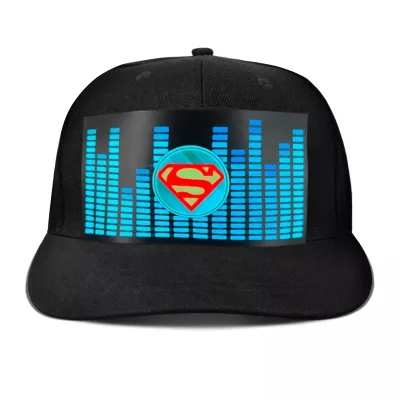
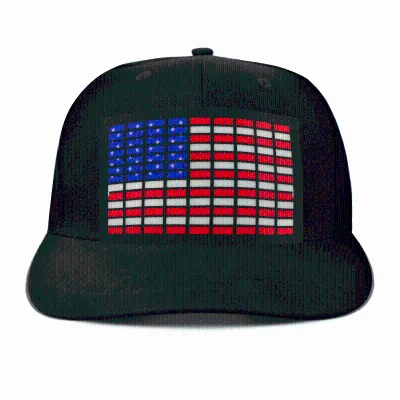


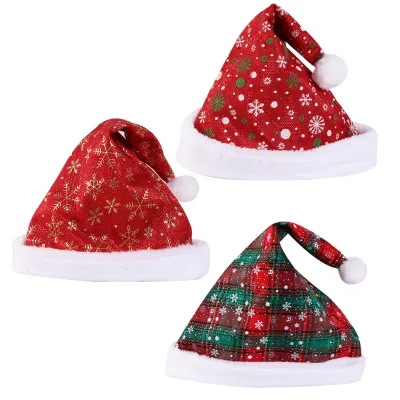



Comprehensive Sourcing Guide
Strategic Sourcing Guide for Indoor Electric Snowflake Cap Procurement
The procurement of specialized decorative headwear, specifically items described as indoor electric snowflake caps, requires a nuanced approach that balances aesthetic requirements with functional safety and supply chain reliability. While the market offers a diverse array of winter accessories, the specific intersection of "electric" functionality, "snowflake" design, and "indoor" application presents unique sourcing challenges. Buyers must navigate a landscape where product attributes vary significantly between suppliers, and where the distinction between standard winter hats and powered decorative items is critical. This guide provides a disciplined framework for evaluating potential suppliers, verifying technical specifications, and ensuring that the final procurement aligns with safety standards and operational needs.
Defining Product Specifications and Functional Attributes
When sourcing an Indoor Electric Snowflake Cap, the primary challenge lies in the precise definition of the product's core attributes. The supplied data indicates a market populated by various hat models, including the VT004, NE020, GJ053, MT34, SYM-23023, and JYH-CH8403. However, a critical observation from the available facts is that many listed products, such as the SYM-23023, are explicitly categorized as "Christmas Decorations" with a "Non Power" source, while others like the MT34 are also noted as "Non Power." This suggests that the "electric" aspect of the core keyword is not a universal standard for all items in this category.
Buyers must rigorously verify the power source specification before proceeding. The available data shows that some items are "Non Power," meaning they rely on ambient light or passive reflection rather than an internal electrical component. For a true "electric" snowflake cap, the buyer must demand explicit confirmation of an integrated power system, such as battery compartments or USB connectivity, which is not currently evidenced in the high-confidence facts for the specific models listed. Furthermore, the physical construction of these caps varies; some are described as having a "With Brim" and "With Crown" structure, while others are "Fitted Caps" with specific size ranges from 54cm to 68cm. The "Size Range From 52cm to 62cm" is also noted for winter hats, indicating that sizing is a variable attribute that must be matched to the target demographic.
The material composition is another critical specification. The data lists "man made fur" as a standard for some items and "100% Wool" for others, while the JYH-CH8403 model is specified as "Polyester." For an electric cap, the material must be compatible with the integration of wiring and light-emitting components without compromising safety or comfort. The "Feeling: Comfortable" and "Appearance: Exquisite" attributes suggest that the tactile and visual quality is a priority, but these are subjective observations that require physical sampling to validate.
Compliance and Certification Verification Protocols
Safety compliance is paramount when sourcing any product involving electrical components, especially those intended for indoor use where proximity to humans is constant. The supplied background information mentions "CE" and "ROHS" certifications, but these are flagged as low-confidence and should not be assumed to apply to any specific listing without verification. Buyers must treat these certifications as requirements to be proven, not as inherent features of the product.
For an Indoor Electric Snowflake Cap, the electrical components must meet international safety standards to prevent fire hazards or electric shock. The "Grade A" standard mentioned for the JYH-CH8403 model refers to quality grading but does not inherently cover electrical safety. Buyers should request specific test reports for the electrical subsystem, including voltage stability, heat dissipation, and insulation resistance. The "Standard: 28*40cm" listed for the SYM-23023 model refers to dimensions, not a safety standard, and should not be confused with regulatory compliance.
Furthermore, the "Application: Indoor" attribute found in the data implies that the product is designed for environments without extreme weather exposure, which may simplify some weatherproofing requirements but heightens the need for fire retardancy. Since the "Power Source" for many listed items is "Non Power," the transition to an "electric" version requires a complete redesign of the product's internal architecture. Buyers must ensure that any supplier claiming to offer an electric version can provide documentation proving that the modification does not void existing safety certifications or introduce new risks.
Cost Drivers and Pricing Structure Analysis
The pricing landscape for these specialized items is influenced by several distinct factors, including customization, material quality, and the complexity of the electrical integration. The observed listed price range in the market is between 0.01 and 49 USD, a wide spectrum that reflects the diversity of product types, from simple non-powered winter hats to complex, custom-designed electric decorations.
A significant cost driver is the "Customization" attribute, which is listed as "Available" for some products but "Non-Customized" for others. Customizing an electric snowflake cap involves not only changing the design or color but also integrating custom wiring, light patterns, and power management systems. The "Sample Charges: Refundable, Simple Design Can Be Free" policy indicates that the initial development phase can be costly, but the supplier may offset this if the order volume is sufficient. The "MOQ: 600PCS" for the SYM-23023 model provides a benchmark for minimum order quantities, but buyers should expect higher MOQs for custom electric designs due to the setup costs associated with electrical assembly lines.
Material costs also play a crucial role. The difference between "man made fur," "100% Wool," and "Polyester" represents a significant variance in raw material expenses. Additionally, the "Packing" options, such as "OPP Bag," "Brown Carton," or "Buyer's Option," affect the final unit cost. Custom packaging, often required for branded electric products, will increase the per-unit price. Buyers must also consider the "Payment: 30% Deposit+70% Balance Against Copy of B/L" terms, which are standard in the industry but impact cash flow and risk management.
Typical Applications and Usage Scenarios
The "Application: Indoor" attribute clearly delineates the primary use case for these products. They are designed for environments such as shopping malls, hotels, event venues, and private residences during the holiday season. The "Hat Occasion: Winter, Outdoor, Sports" data for other models suggests that while some hats are versatile, the specific "indoor electric" variant should be optimized for static or low-movement environments where the electrical components can be safely managed.
The "Department: Ski" attribute for some items indicates a potential crossover with winter sports, but an electric snowflake cap is more likely to be used for festive decoration rather than active sports. The "Style: Cartoon" and "Pattern: Plain Dyed" options suggest that these caps are often used for character-themed events or corporate branding. The "Function: Warm" attribute is a secondary benefit, but the primary function of an electric snowflake cap is visual impact and thematic enhancement.
Buyers should evaluate the "Type: Christmas Decorations" classification to understand the seasonal demand cycle. Procurement for these items is often driven by the holiday calendar, requiring precise lead time management to ensure stock availability before the peak season. The "Sample Time: 7-15 Days" indicates that the development cycle can be relatively short, but mass production lead times must be confirmed separately to avoid stockouts.
Supplier Evaluation and Capability Assessment
Selecting the right supplier requires a deep dive into their technical capabilities and production history. The "prod_origin: China" and "prod_origin: Qingdao, China" and "prod_origin: Zhejiang" data points highlight that the majority of suppliers are located in specific manufacturing hubs in China. Buyers should verify the specific factory location to assess logistics and potential supply chain disruptions.
The "Customized: Customized" attribute for some models and "Non-Customized" for others indicates that not all suppliers offer the same level of flexibility. For an electric snowflake cap, the supplier must have experience with electrical assembly, not just textile manufacturing. The "Ready Sample: Free" policy is a positive indicator of a supplier's confidence in their product, but it does not guarantee the quality of the final mass-produced item.
Buyers should request a detailed breakdown of the "prod_packing" options to ensure that the supplier can handle the specific packaging requirements for fragile electrical components. The "Clients' Option" and "Buyer's Option" flexibility suggests that some suppliers are willing to adapt to specific needs, which is crucial for custom electric designs. Additionally, the "Process: Flat Embroidery" technology mentioned in the data highlights the importance of verifying the manufacturing processes used for the decorative elements.
Quality Control and Long-Term Procurement Strategy
Maintaining consistent quality is essential for products with electrical components. The "Quality: Superior" attribute is a claim that must be validated through rigorous quality control (QC) protocols. Buyers should implement a multi-stage QC process, including pre-production sample approval, in-line inspection during manufacturing, and final random inspection before shipment. The "Standard: Grade A" for the JYH-CH8403 model serves as a baseline, but buyers should define their own quality metrics for the electrical components.
Long-term procurement considerations include the stability of the supply chain and the ability to scale production. The "MOQ" ranges from 2 to 100,000, offering flexibility for different order sizes, but buyers must balance this with the need for consistent quality. The "Payment" terms of 30% deposit and 70% balance against the Bill of Lading are standard but require careful financial planning.
Buyers should also consider the "Sample Time" of 7-15 days as a baseline for future development cycles. As the product evolves, the sample time may increase due to the complexity of the electrical integration. Establishing a long-term relationship with a supplier who understands the specific requirements of electric snowflake caps can lead to better pricing, faster turnaround times, and improved product quality.
Conclusion and Final Procurement Recommendations
Sourcing an Indoor Electric Snowflake Cap is a complex process that requires careful attention to technical specifications, safety compliance, and supplier capabilities. The available data highlights a market with diverse product options, but the specific "electric" functionality is not universally present and must be explicitly verified. Buyers should prioritize suppliers who can demonstrate expertise in electrical integration and provide comprehensive safety documentation.
By adhering to the guidelines outlined in this guide, buyers can mitigate risks and ensure that their procurement strategy aligns with their operational needs. The key to success lies in rigorous verification of all attributes, from power sources to material composition, and in maintaining a proactive approach to quality control and supplier evaluation. With the right strategy, buyers can secure high-quality indoor electric snowflake caps that meet their aesthetic and functional requirements while ensuring safety and reliability.
FAQs
Can I find indoor electric snowflake caps with custom designs?
Customization is available for many winter hat models, but electric functionality requires specific verification. You must confirm the power source is not non-power before assuming electrical features are present for your custom design needs.
What is the typical size range for these winter hats?
Winter hat sizes typically range from 52cm to 62cm, while fitted caps may extend from 54cm to 68cm. Some models offer adjustable back straps covering a range from 52cm to 68cm to accommodate different head sizes.
Which materials are commonly used for these decorative caps?
Materials vary by model, including man-made fur, 100% wool, and polyester. You must verify the specific material for each product to ensure it meets your comfort and safety requirements for indoor use.
How much is the minimum order quantity for these items?
Minimum order quantities range from 2 to 100,000 units depending on the supplier and customization level. One specific model lists an MOQ of 600 pieces, so you should check the specific requirements for your target product.
Can I get a free sample for simple designs?
Sample charges are refundable, and simple designs can be free for ready samples. However, you must confirm the sample time, which typically ranges from 7 to 15 days, before placing a large order.
What are the standard payment terms for these products?
Standard payment terms often require a 30% deposit plus a 70% balance against the copy of the Bill of Lading. You should verify these terms with the specific manufacturer to ensure they align with your cash flow.
Where are these products typically manufactured?
Products originate from China, with specific hubs in Qingdao and Zhejiang. You should verify the exact factory location to assess logistics and potential supply chain risks for your specific procurement needs.