Source Rechargeable LED Eye Massager for Relaxation, Sleep, and Fatigue Relief
Explore 30 verified listings for the Rechargeable LED Eye Massager designed to relieve eye strain, reduce dark circles, and improve sleep quality. Buyers can compare features like LED EMS technology, battery life, and customization options from Guangdong manufacturers; compare the available evidence and request quotations based on your requirements.
Key considerations
Products List
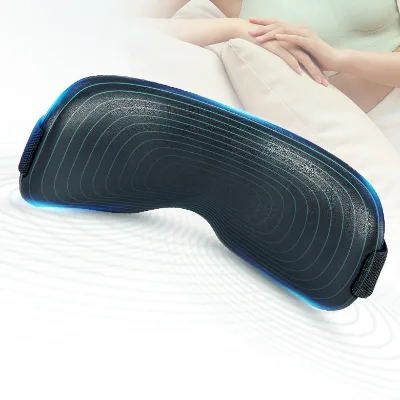
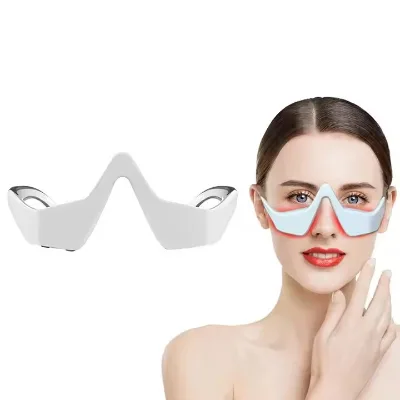

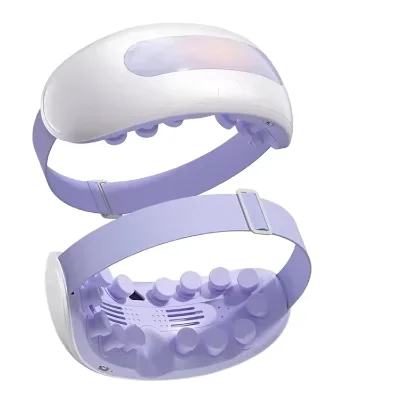
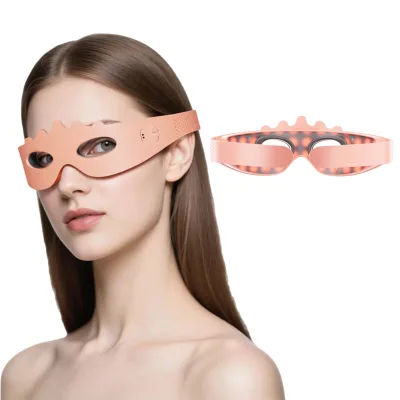
Rechargeable Heating Vibrating Wireless Eye Massager Music Eyes Care Massager
$0.00 - $0.00
MOQ: 20 Pieces
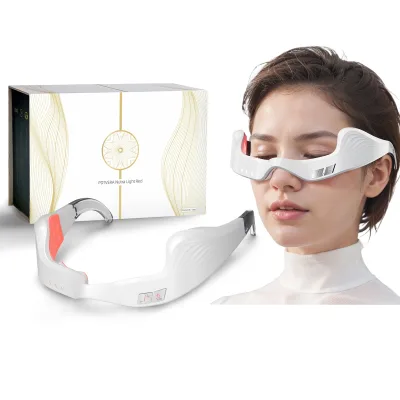


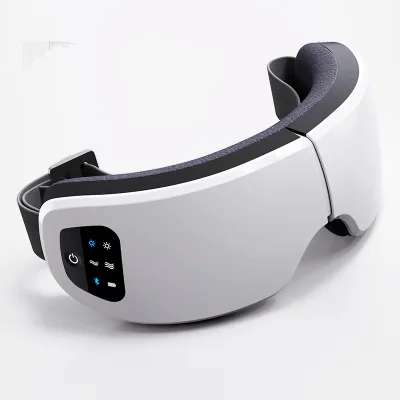






Comprehensive Sourcing Guide
Rechargeable LED Eye Massager Sourcing Guide
Buyers evaluating rechargeable LED eye massagers must first distinguish between vibration-based units and those integrating LED light therapy with EMS technology. The observed market data indicates a split in functionality, where some models focus on relaxation and dark circle reduction through vibration, while others claim to improve sleep and relieve visual fatigue using combined light and electrical muscle stimulation. This distinction is critical because the underlying technology dictates the specific application, such as treating eye bags versus general fatigue relief, and influences the complexity of the device's internal circuitry.
Procurement teams should also scrutinize the power delivery systems, as the listings reveal a mix of Micro USB and USB-C charging interfaces alongside varying battery capacities. While some products specify a charging time of under one hour, others rely on standard USB power sources without explicit duration claims. Verifying the actual battery type, such as lithium cells, and confirming the charging interface compatibility with existing logistics infrastructure is essential to ensure the product meets the operational needs of the target market without requiring additional adapters or power solutions.
Product Scope and Observed Listing Signals
The product scope for this category spans from simple black ABS plastic massagers to more complex white LED EMS masks, with single package sizes ranging from 19x13x10 cm to 22x18x10 cm. Buyers must carefully map these physical dimensions to their packaging requirements, as the gross weight varies significantly between 0.300 kg and 0.500 kg depending on the inclusion of advanced features like music playback or specific massage areas. These physical variances directly impact shipping costs and storage efficiency, making precise specification verification a prerequisite for accurate freight budgeting.
Listing signals also reveal a diversity in branding and customization capabilities, with some suppliers offering OEM/ODM services and others providing standard branding like "ANNISER" or "jam." The presence of customized logo options with a minimum order quantity of 500 units suggests a tiered approach to private labeling, which is vital for buyers seeking to build a distinct brand identity. However, the absence of a universal waterproof rating across the observed listings indicates that moisture resistance is not a standard feature, requiring buyers to explicitly confirm water resistance if the product is intended for use in humid environments or near water sources.
Technical Specifications to Verify
Technical verification must begin with the core massage principle, as the data shows a divergence between vibration-based mechanisms and LED light plus EMS technologies. Buyers should request detailed schematics to confirm whether the device utilizes a simple vibration motor or a more complex system involving electrical muscle stimulation, as the latter requires stricter safety controls and different user instructions. Understanding the specific principle is necessary to validate the claimed benefits, such as the removal of eye bags or the improvement of sleep quality, ensuring the technology aligns with the intended therapeutic outcomes.
Power supply and battery specifications require rigorous validation, particularly regarding the charging interface and battery type. While some listings specify USB-C and others Micro USB, the consistency of the charging port across a batch is crucial for user experience and accessory compatibility. Additionally, the battery type, identified as lithium in some records, must be verified for capacity and cycle life to ensure the device can sustain the claimed charging time of under one hour and provide reliable performance over the product's lifespan without premature degradation.
Compliance and Safety Documentation
Safety documentation is paramount for electronic devices that interface directly with the human body, especially those utilizing electrical stimulation or light therapy. Buyers must demand evidence of compliance with relevant electrical safety standards, as the observed listings do not universally confirm specific certifications like RoHS. It is the buyer's responsibility to verify that the lithium batteries and electronic components meet the safety regulations of the destination market, ensuring that the device does not pose risks of overheating, electrical shock, or skin irritation during normal operation.
Regulatory compliance also extends to the materials used in construction, such as the ABS plastic or general plastic components observed in the product listings. Suppliers should provide material safety data sheets to confirm that the plastics are free from harmful substances and are suitable for prolonged skin contact. Furthermore, the warranty terms, which appear to be one year in some cases, should be reviewed to ensure they cover potential defects in the battery or electronic components, providing a safety net for the buyer against premature product failure.
Cost Drivers and Commercial Terms
Cost drivers in this category are heavily influenced by the complexity of the technology, with LED EMS models likely commanding higher prices than simple vibration units due to the additional circuitry and components required. The inclusion of features such as music playback, specific massage areas, and advanced charging interfaces like USB-C can further escalate the unit cost. Buyers should analyze the bill of materials to understand how these features contribute to the final price and determine if the added functionality justifies the premium for their specific market segment.
Commercial terms such as Minimum Order Quantity (MOQ) and customization options significantly affect the total cost of ownership. The observed MOQ range of 1 to 200 units suggests flexibility for small buyers, while the 500-unit threshold for customized logos indicates a higher volume requirement for branding. Buyers must negotiate these terms carefully, balancing the need for product customization against the financial risk of holding inventory, and ensuring that the pricing structure remains competitive while maintaining the quality standards required for the target market.
Supplier Qualification and Quality Control
Supplier qualification should focus on the manufacturer's ability to handle the specific technology involved, whether it is simple vibration or complex LED EMS systems. Buyers must verify the supplier's experience with electronic assembly and their capacity to maintain consistent quality across batches, especially given the variation in product models and specifications observed in the market. A supplier with a proven track record in producing rechargeable electronic devices is better positioned to deliver products that meet the rigorous performance and safety expectations of the end consumer.
Quality control protocols must be established to address the specific risks associated with electronic components and battery integration. Buyers should implement pre-shipment inspections that test the charging functionality, battery life, and the effectiveness of the massage or light therapy features. Given the variation in gross weight and package size, it is also essential to verify that the packaging is robust enough to protect the device during transit, preventing damage to the sensitive electronic components that could render the product unusable upon arrival.
Long-Term Procurement Checks
Long-term procurement success depends on establishing a reliable supply chain that can support the product's lifecycle, including battery replacement and component availability. Buyers should assess the supplier's ability to provide spare parts or technical support for the rechargeable battery and charging interfaces, as these are common points of failure in electronic devices. Ensuring a steady supply of compatible accessories and replacement parts is crucial for maintaining customer satisfaction and minimizing returns due to product malfunction.
Continuous monitoring of product performance and market feedback is essential to identify any recurring issues or areas for improvement. Buyers should track warranty claims and customer complaints to detect patterns related to battery life, charging issues, or the effectiveness of the massage and light therapy features. By maintaining a feedback loop with the supplier, buyers can drive continuous improvement in product design and manufacturing processes, ensuring that the rechargeable LED eye massagers remain competitive and reliable in the long term.
FAQs
What is the charging interface for the Rechargeable LED Eye Massager?
The device uses a USB-C charging interface for power replenishment. This modern port ensures fast and reliable connectivity with standard cables. The product supports USB rechargeable battery power supply, allowing convenient charging without needing proprietary adapters. This design simplifies the user experience by utilizing widely available charging accessories for daily maintenance.
Can the Rechargeable LED Eye Massager remove dark circles and eye bags?
Yes, the device is designed to help remove eye bags and dark circles. It combines LED light and EMS technology to target these specific concerns. The massage function aims to relieve visual fatigue and improve sleep quality. These features work together to provide comprehensive eye care and relaxation for users seeking aesthetic and comfort benefits.
What is the minimum order quantity for OEM customization?
The minimum order quantity for customized logos is 500 units. This threshold allows buyers to personalize the product branding effectively. The supplier supports OEM and ODM services for larger orders. This customization option is ideal for businesses looking to create unique branded eye massagers for their specific market needs and retail strategies.
What materials are used in the construction of the eye massager?
The device is constructed using ABS plastic and general plastic materials. These durable materials ensure the longevity and structural integrity of the unit. The housing is designed to be lightweight yet robust for daily use. The black or white color options are applied to this plastic base, providing a sleek and modern aesthetic for the consumer.
Does the Rechargeable LED Eye Massager support music playback?
Yes, the device includes music playback functionality. This feature allows users to enjoy audio while receiving eye massage therapy. The combination of vibration principles and music enhances the relaxation experience. This integrated capability helps users unwind more effectively by engaging both auditory and tactile senses during their beauty and sleep improvement routines.
What is the single gross weight of the packaged product?
The single gross weight varies by model, typically ranging from 0.300 kg to 0.500 kg. This weight reflects the packaging and the device itself. The compact dimensions, such as 22x18x10 cm or 19x13x10 cm, ensure easy handling. This lightweight design facilitates convenient shipping and storage for both suppliers and end consumers.
Is the Rechargeable LED Eye Massager waterproof?
No, the device is not waterproof. Users should avoid exposing the unit to water or moisture to prevent damage. The electronic components and battery require dry conditions for safe operation. This limitation means the product should be used in controlled environments and stored away from humid areas to maintain its functionality and warranty validity.