Source Indoor Disposable Ants Pest Catcher for home, garden, and farm
Compare 30 verified listings for the Indoor Disposable Ants Pest Catcher designed for home, garden, and farm use. Buyers can evaluate specifications, certifications, and pricing to find the right solution for their pest control needs.
Key considerations
Products List






Comprehensive Sourcing Guide
Strategic Sourcing Guide for Indoor Disposable Ant Pest Catchers
Understanding Product Categories and Technical Specifications
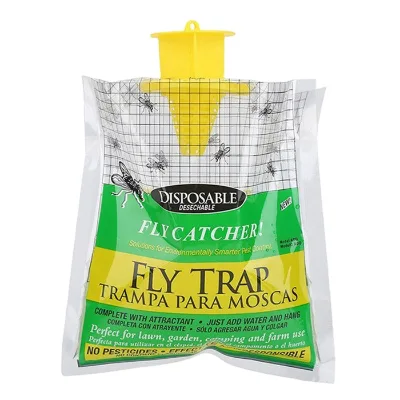
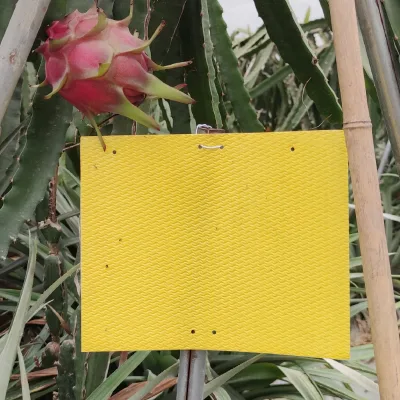
When sourcing indoor disposable ant pest catchers, buyers must first distinguish between the various technological approaches available in the current market. The core keyword "Indoor Disposable Ants Pest Catcher" points toward adhesive-based solutions rather than electronic or chemical spray alternatives. Based on available product data, the primary material composition for these devices is a combination of glue and paper. This construction creates a passive trapping mechanism where the adhesive layer is exposed to attract and immobilize pests without the need for power sources or complex mechanical parts.
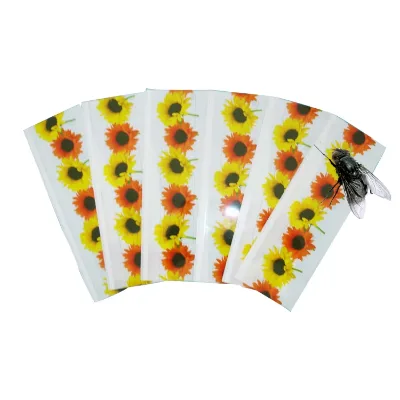
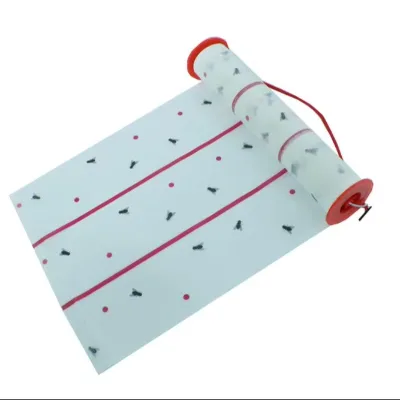
The physical form factor of these disposable units is critical for indoor deployment. The observed specifications indicate a rectangular shape with dimensions typically around 7.3 cm by 21 cm. This compact profile allows for placement in tight indoor spaces such as kitchen corners, behind appliances, or along baseboards where ant trails are most active. Some variations in the market may offer custom sizes, including roll formats measuring 25 cm by 760 cm (25 feet), which provide flexibility for covering larger perimeter areas or creating continuous barriers. The state of the adhesive is often described as a gel, which can enhance the holding power for heavier insects while maintaining a non-drying consistency over the product's lifespan.
It is essential to note that while some products in the broader pest control category are rechargeable electric traps with a lifespan of 12 hours, the specific disposable ant catcher category relies on the longevity of the adhesive itself. For certain adhesive-based models, the effective usage time is observed to be greater than 480 hours, providing a long-term solution for persistent infestations. However, other disposable variants may have a usage duration of approximately three months, depending on the volume of pests captured and environmental conditions. The packaging for these items often comes in batches with specific dimensions, such as 22.5 cm by 15.6 cm by 36.5 cm, or larger bulk packages measuring 53.3 cm by 19.9 cm by 28.2 cm, which influences logistics and storage planning for procurement teams.
Compliance, Certification, and Regulatory Verification
Navigating the regulatory landscape for pest control products requires rigorous verification of certifications, as these items interact directly with living spaces and human environments. When evaluating suppliers for indoor disposable ant catchers, buyers should look for documented compliance with international standards. The available data indicates that manufacturers in this sector often hold certifications such as ISO, MSDS (Material Safety Data Sheet), EPA (Environmental Protection Agency), BV (Bureau Veritas), EMC, LVD, and ROHS.
The presence of an MSDS is particularly vital for disposable adhesive products. This document details the chemical composition of the glue and paper materials, ensuring that the adhesive does not release harmful volatile organic compounds (VOCs) once deployed indoors. Similarly, EPA certification is a standard benchmark in many markets, confirming that the product meets specific environmental safety guidelines regarding toxicity and efficacy. For buyers operating in regions with strict electrical or material safety laws, certifications like EMC (Electromagnetic Compatibility) and LVD (Low Voltage Directive) may be relevant if the product includes any electronic components, though pure adhesive traps may not require these.
ROHS compliance is another critical factor, as it restricts the use of specific hazardous materials in manufacturing. For a product made of glue and paper, this ensures that the adhesives and paper treatments do not contain restricted heavy metals or flame retardants. Buyers must verify that the supplier provides valid, up-to-date certificates for these standards. It is important to treat these certifications as observations of the supplier's capabilities rather than automatic guarantees for every SKU. The procurement team should request the latest versions of these documents to ensure they align with the specific import regulations of the destination country. Additionally, the "pest control type" is generally classified as traps, which often subjects them to different regulatory scrutiny than chemical pesticides, but the adhesive formulation still requires safety validation.
Cost Drivers and Procurement Economics
The economics of sourcing disposable ant pest catchers are influenced by several distinct factors, including material costs, packaging efficiency, and order volume. The observed price range for these products in the market spans from $0.02 to $58 per unit, a wide variance that reflects differences in adhesive quality, brand positioning, and packaging configurations. The lower end of this spectrum typically corresponds to basic paper-and-glue traps with minimal branding, while the higher end may include specialized formulations, eco-friendly certifications, or bundled retail packaging.
Minimum Order Quantity (MOQ) is a significant driver in the total cost of ownership. Data indicates that MOQs can range from as low as 2 units to as high as 10,000 units, with a common threshold observed at 5 cartons (ctns). This variability allows buyers to tailor their procurement strategy based on their inventory needs. For small retailers or testing phases, a low MOQ of 2 units enables risk-free market entry. Conversely, large-scale distributors may leverage the higher volume tiers to negotiate better unit economics. The selling units are often structured in multiples, such as multiples of 24 or 96 items, which impacts how the product is packed for shipping and retail display.
Packaging dimensions and weight also play a crucial role in logistics costs. The gross weight per batch is observed to be around 7.99 kg to 8.100 kg, with net weights typically under 0.5 kg per individual unit. The package size per batch varies significantly, from compact 22.5 cm boxes to larger 53.3 cm cartons. These dimensions determine the number of units that can be palletized, directly affecting freight expenses. Buyers should calculate the cost per cubic meter of shipping space to optimize their order sizes. Furthermore, the "Eco-Friendly" and "Disposable" attributes may incur a slight premium in material costs but can reduce waste disposal fees for the end-user, adding value to the product proposition.
Typical Applications and Usage Scenarios
The versatility of indoor disposable ant pest catchers makes them suitable for a wide array of applications beyond simple residential use. The primary function is to kill flies and ants, but the product data also highlights applications in home and perimeter control, cleaning, plant and garden maintenance, and farm environments. This broad applicability suggests that the adhesive formulation is robust enough to handle various pest types, including ants, flies, and potentially mosquitoes, depending on the specific model.
In residential settings, these traps are ideal for high-traffic areas where ants are prone to foraging, such as kitchens, pantries, and dining rooms. The rectangular shape and small footprint allow them to be placed discreetly without obstructing daily activities. For commercial applications, such as restaurants or food processing facilities, the "Clean ing" aspect of the usage profile is critical. The disposable nature of the product ensures that once the adhesive is saturated with pests, the entire unit can be removed and replaced, maintaining hygiene standards without the need for cleaning or refilling.
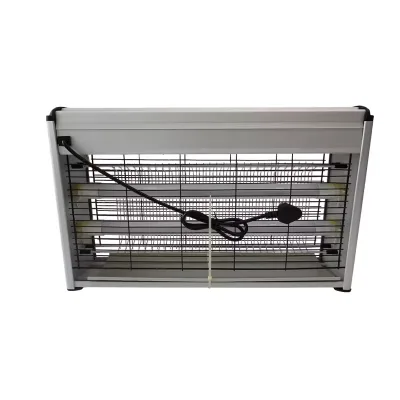
The "Stocked" feature indicates that these products are often kept in inventory for immediate deployment during pest outbreaks. In agricultural or farm settings, the traps can be used to monitor and control ant populations that might threaten crops or livestock feed. The "Eco-Friendly" attribute is particularly relevant for organic farms or gardens where chemical pesticides are restricted. The adhesive-based approach offers a non-toxic alternative that does not contaminate the soil or water supply. However, buyers must verify the specific "pest type" for each product, as some models are optimized for flies while others are specifically engineered for ants. The "applicable area" for some electronic variants is listed as 50-100 square meters, but for disposable adhesive traps, the coverage is determined by the number of units deployed and the placement strategy.
Supplier Evaluation and Manufacturer Capabilities
Selecting the right supplier requires a deep dive into their manufacturing experience and operational capacity. The data suggests that reputable manufacturers in this sector possess extensive industry experience, with some citing over 10 years and others over 20 years of experience in pest control and adhesive technology. This longevity often correlates with a refined understanding of adhesive chemistry and trap efficacy. The "Factory" attribute notes a professional focus on pest control and adhesive production, indicating that these are not generalist manufacturers but specialists in the field.
When evaluating potential partners, buyers should assess the "place of origin," which is identified as Zhejiang, China, a region known for its robust manufacturing infrastructure. The "Capacity" of the factory is listed as 1 in the provided data, which may refer to a specific production line or a unit of measurement that requires clarification with the supplier. Buyers should inquire about the actual production volume and lead times to ensure the supplier can meet demand fluctuations. The "Experience" of the manufacturer is a key differentiator; a supplier with two decades of experience is more likely to have solved common issues related to adhesive drying, trap adhesion, and packaging integrity.
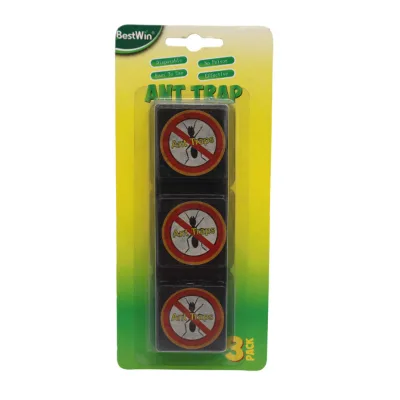
Furthermore, the "brand name" associated with the products, such as "Bestwin," can be an indicator of market presence and quality consistency. However, buyers should not rely solely on brand reputation. Instead, they should verify the supplier's ability to provide consistent quality across batches. The "feature" set, including "Disposable," "Eco-Friendly," and "Portable," should be consistently applied across the product line. Suppliers that offer a wide range of specifications, from standard 7.3x21 cm traps to custom-sized rolls, demonstrate greater flexibility and technical capability. Buyers should also check if the supplier offers ODM (Original Design Manufacturing) services, as indicated by the "welcome" status for ODM, which allows for customization of branding and packaging to meet specific market needs.
Quality Control and Long-Term Procurement Considerations
Ensuring consistent quality in disposable pest catchers involves rigorous testing of the adhesive bond, material durability, and packaging integrity. The "State" of the product is described as "Gel," which requires quality control checks to ensure the adhesive does not leak or dry out prematurely during storage. The "Gross weight per batch" and "Net Weight" specifications serve as baseline metrics for quality assurance; deviations from these weights may indicate missing components or packaging errors.
For long-term procurement, buyers should establish a relationship with suppliers that offer consistent "Selling Units" and reliable "Model Numbers," such as 1057104 or 104301-5. These identifiers help in tracking inventory and ensuring that the same product specifications are maintained over time. The "Time used" attribute, whether it is >480 hours or 3 months, must be validated through real-world testing to confirm the product's efficacy claims. Buyers should request sample batches to test the adhesive performance under various indoor conditions, including different temperatures and humidity levels.
Sustainability is another long-term consideration. The "Eco-Friendly" feature suggests that the materials are designed to minimize environmental impact. Buyers should verify the biodegradability of the paper and glue components to align with corporate sustainability goals. Additionally, the "Waterproof" feature observed in some products adds a layer of durability, ensuring the traps remain effective even in damp indoor environments like basements or bathrooms. By focusing on these quality attributes and maintaining open communication with suppliers regarding certifications and production standards, buyers can secure a reliable supply chain for indoor disposable ant pest catchers that meets both performance and regulatory requirements.
FAQs
How long does the adhesive trap last before replacement?
The effective usage time for adhesive traps is observed to be greater than 480 hours. Some disposable variants may last approximately three months depending on pest volume and environmental conditions.
What materials are used to construct these indoor traps?
These devices are primarily constructed from a combination of glue and paper. The adhesive state is often described as a gel to enhance holding power while maintaining a non-drying consistency.
Which certifications should I verify for safety compliance?
Buyers should verify certifications such as ISO, MSDS, EPA, BV, EMC, LVD, and ROHS. These documents confirm compliance with environmental safety guidelines and restrictions on hazardous materials in manufacturing.
Can I customize the size or packaging for my brand?
Yes, ODM services are welcome for customization of branding and packaging. Specifications include standard sizes like 7.3 by 21 cm or custom roll formats measuring 25 by 760 cm.
What is the typical minimum order quantity for these traps?
Minimum order quantities range from 2 units up to 10,000 units. A common threshold observed for bulk orders is 5 cartons, though selling units are often structured in multiples of 24 or 96.
Where are these manufacturers located and what is their experience?
Manufacturers are located in Zhejiang, China, with experience ranging from over 10 to 20 years. These factories specialize professionally in pest control and adhesive technology production.
How much does the product weigh per batch for shipping?
The gross weight per batch is observed to be around 7.99 kg to 8.100 kg. Individual net weights are typically under 0.5 kg, influencing logistics and storage planning for procurement teams.