Source Indoor Led Linear Retrofit Kit for Offices, Warehouses, and Showrooms
Find 30 Indoor Led Linear Retrofit Kit options from verified suppliers. Compare specifications like IP ratings, color temperature, and lifespan to select the right solution for your commercial or industrial lighting projects.
Key considerations
Products List
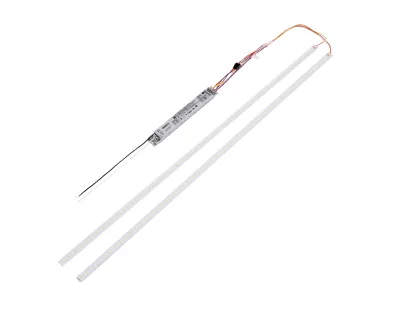
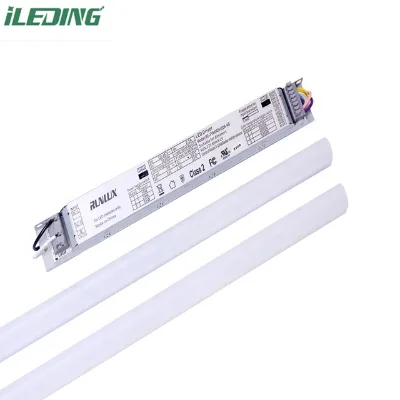
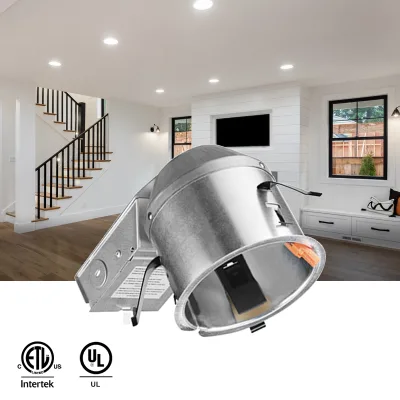
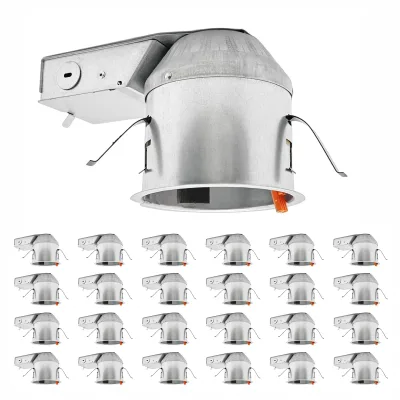
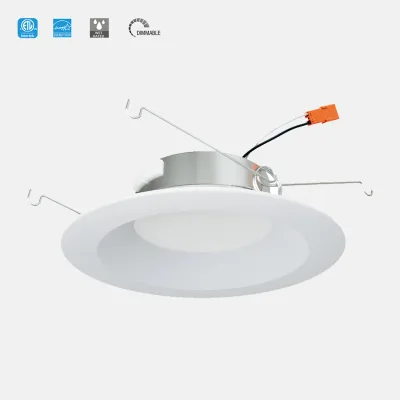
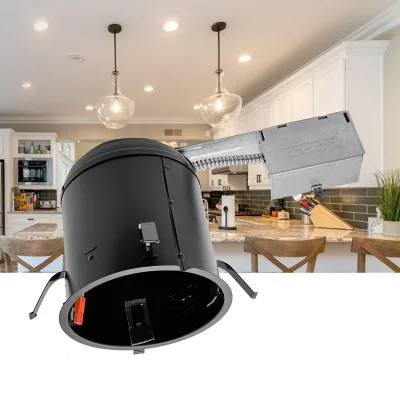


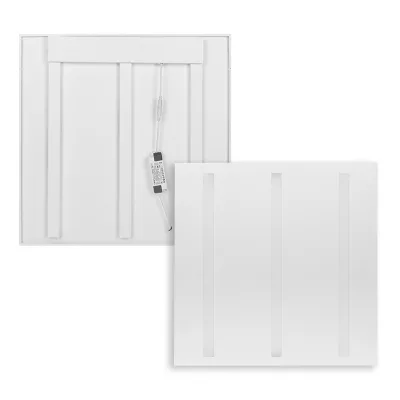
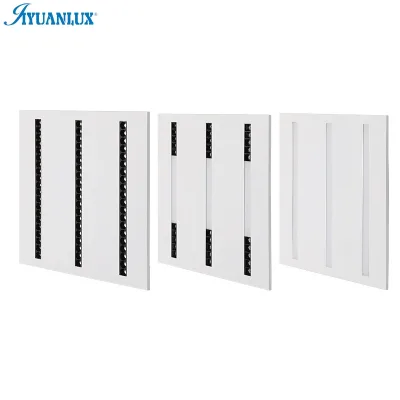


Ce Street Shoebox LED Light Retrofit Kit 100W LED Car Packing Lot Lighting
$46.00 - $48.00
MOQ: 20 Pieces
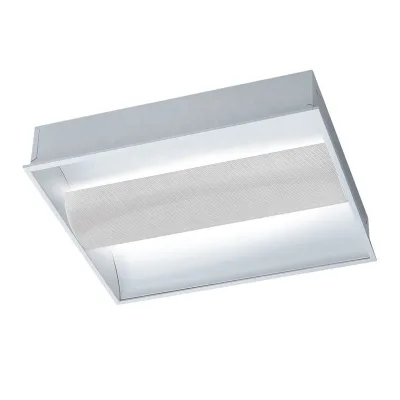


Module LED Garden Flood Street Light LED Retrofit Kit 40W 50W 60W 90W 100W
$17.00 - $20.00
MOQ: 1 Pieces


Comprehensive Sourcing Guide
Strategic Sourcing Guide for Indoor LED Linear Retrofit Kits
Understanding Core Technical Specifications for Linear Retrofit Systems
When evaluating indoor LED linear retrofit kits, buyers must first establish a baseline of technical performance that aligns with their specific facility requirements. The product landscape for these systems is defined by a convergence of light source technology, electrical efficiency, and physical form factors. Based on current market observations, the dominant light source technology for these retrofit solutions is the Surface Mount Device (SMD) LED configuration. This choice is critical as it directly influences the uniformity of light distribution and the longevity of the fixture.
A primary consideration in the technical evaluation is the Color Temperature (CCT). The market offers a versatile range of options to suit different ambient environments. Observed specifications indicate availability in 3500K (Warm White), 4000K, and 5000K (Cool White). Selecting the correct CCT is not merely an aesthetic choice but a functional one; 3500K is often preferred for hospitality or residential-adjacent spaces to create a warmer atmosphere, while 5000K is typically selected for industrial or office environments where high contrast and alertness are required. Buyers should verify that the supplier offers the specific CCT required for the project, as some units may be fixed while others offer changeable options.
Electrical efficiency is another pillar of technical specification. High-performance retrofit kits often boast a Power Factor (PF) ranging from 0.95 to 0.99. A high power factor indicates that the system draws power efficiently from the grid, reducing strain on electrical infrastructure and minimizing energy waste. Furthermore, the input voltage compatibility is a crucial safety and compatibility metric. Most modern linear retrofit kits are designed to operate within a wide voltage range of 100-277VAC. This wide input range ensures that the fixtures can be deployed in various regions without the need for complex voltage transformers, provided the local grid falls within this standard range.
The physical dimensions and luminous output must also be scrutinized. Typical models in this category, such as those designated by model numbers like R6-24TR32WXXK or R10-24TRF4S46WD3P3C, often feature a power rating around 32W. Despite this moderate power consumption, the luminous flux can reach approximately 2800 lumens, resulting in a high luminous efficiency of roughly 160 lm/W. This efficiency metric is a strong indicator of the quality of the LED chips and the thermal management design of the fixture. Additionally, the installation style is predominantly suspended, which allows for flexible mounting options in drop ceilings or open industrial spaces. The housing material is frequently noted as magnetic, facilitating a tool-free or simplified installation process where the kit can be easily snapped onto existing metal tracks or frames.
Compliance, Certification, and Environmental Durability
Navigating the compliance landscape is essential for any B2B procurement decision involving electrical lighting products. The safety and regulatory adherence of the product are non-negotiable, particularly for commercial and industrial applications. Buyers should verify that the retrofit kits carry recognized international certifications. Commonly observed certifications for these products include ETL, CE, and UL. These marks indicate that the product has undergone rigorous testing for electrical safety, electromagnetic compatibility, and fire resistance. The presence of these certifications is a prerequisite for insurance compliance and building code adherence in many jurisdictions.
Environmental durability is equally critical, especially for indoor applications that may experience varying conditions. The Ingress Protection (IP) rating is a key indicator of a fixture's resistance to dust and moisture. Market data shows a range of IP ratings, with IP65 and IP66 being frequently cited. An IP65 rating suggests the fixture is dust-tight and protected against water jets, while IP66 offers protection against powerful water jets. This distinction is vital for facilities that may undergo high-pressure cleaning or are located in areas with high humidity. For standard office or home office environments, IP65 is often sufficient, but industrial areas may require the higher IP66 rating to ensure longevity against dust and potential condensation.
Operational parameters such as working temperature and humidity tolerance further define the environmental suitability of the retrofit kit. Typical specifications indicate a working temperature range of -25°C to 45°C, ensuring the fixture can function reliably in unheated warehouses or climate-controlled offices. The humidity tolerance is generally specified as 20%-85% non-condensing. Exceeding these limits can lead to premature failure of the electronic components or the LED driver. Buyers must ensure that the specific environment where the kit will be installed falls within these operational boundaries.
The lifespan of the LED component is a long-term performance metric that directly impacts the total cost of ownership. High-quality retrofit kits are designed with a lifespan of 40,000 to 50,000 hours. This longevity reduces the frequency of maintenance interventions, which is a significant cost driver in large-scale commercial facilities. The warranty period often correlates with these lifespan claims, with 5-year warranties being a standard offering for products that meet these durability benchmarks. However, buyers should treat these figures as observed attributes of specific high-end models rather than a universal guarantee for all products in the category.
Cost Drivers and Economic Evaluation Factors
The pricing structure for indoor LED linear retrofit kits is influenced by a complex interplay of technical specifications, volume, and supply chain dynamics. The observed price range in the market is vast, spanning from approximately $2.54 to $165,000. This extreme variance is not indicative of a single product type but rather reflects the difference between individual components, small batch orders, and large-scale project supply contracts. For a typical procurement of a single item or a small batch, the unit cost will likely fall on the lower end of this spectrum, whereas the higher figures may represent comprehensive lighting solutions including design services, bulk installation, or specialized custom configurations.
The Minimum Order Quantity (MOQ) is a significant economic factor that affects the initial capital outlay. The market observes an MOQ range from 1 unit up to 1,000 units. Suppliers with lower MOQs (e.g., 1-10 units) offer flexibility for small renovations or pilot projects but may charge a premium per unit due to the lack of economies of scale. Conversely, suppliers requiring higher MOQs (e.g., 500-1000 units) often provide more competitive unit pricing, making them suitable for large-scale retrofits. Buyers must balance their immediate budget constraints with the long-term cost benefits of bulk purchasing.
Beyond the unit price, the total cost of ownership (TCO) must account for installation and maintenance. The "magnetic" installation style mentioned in product attributes suggests a simplified installation process that can reduce labor costs compared to traditional screw-in fixtures. However, the complexity of the lighting solution services required can also impact the overall project cost. Some suppliers offer comprehensive services including Lighting and Circuitry Design, Dialux Evo Layout, Litepro Dlx Layout, AGI32 Layout, Auto Cad Layout, Onsite Metering, and Project Installation. Engaging a supplier that provides these integrated services can streamline the procurement process but will increase the initial project cost. Buyers should evaluate whether these services are necessary for their specific project scope or if they can be sourced separately to optimize costs.
The color consistency of the LEDs is another hidden cost driver. Products utilizing proprietary binning for uniform color ensure that all fixtures in a large installation appear identical, avoiding visual inconsistencies that can be distracting in professional environments. While this feature may add to the unit cost, it prevents the expensive and time-consuming need to replace mismatched fixtures later. Similarly, the inclusion of dimming support can affect the price. Kits that support dimming require more sophisticated drivers and control circuitry, which increases the component cost but offers significant energy savings and operational flexibility in the long run.
Typical Applications and Functional Deployment Scenarios
The versatility of indoor LED linear retrofit kits allows them to be deployed across a wide spectrum of applications, from residential spaces to heavy industrial zones. The specific application dictates the required technical specifications, such as CCT, IP rating, and mounting style.
In residential and home office settings, the aesthetic and comfort of the light are paramount. The 3500K (Warm White) option is particularly well-suited for these environments, providing a cozy and inviting atmosphere. The suspended installation style allows for clean lines that blend with modern interior design. The magnetic housing facilitates easy replacement and adjustment, which is beneficial for homeowners who may want to change the layout of their lighting over time. The compact single package size of 61x18x23 cm for certain models makes them suitable for smaller rooms or corridors where space is limited.
For commercial office environments, the focus shifts to productivity and visual comfort. The 4000K and 5000K color temperatures are preferred here to maintain alertness and reduce eye strain during long working hours. The high luminous efficiency of 160 lm/W ensures that workspaces are adequately lit without excessive energy consumption. The support for dimming is a critical feature in this sector, allowing for dynamic lighting scenarios that adapt to natural light levels throughout the day. The lighting solutions services, such as Auto Cad Layout and Dialux Evo Layout, are particularly valuable in office retrofits to ensure that the new lighting system meets specific illuminance standards and design requirements.
Industrial areas present the most demanding requirements for lighting fixtures. These environments often involve high ceilings, dust, and potential moisture, necessitating robust IP ratings like IP66. The 5000K color temperature is standard in industrial settings to maximize visibility and safety. The wide operating temperature range of -25°C to 45°C ensures reliability in unheated warehouses or facilities with fluctuating climate conditions. The high lifespan of 50,000 hours is crucial in industrial applications where accessing the fixtures for maintenance is difficult and costly. The "Industrial" design style of these kits often features durable plastic housing and magnetic mounting that can withstand the rigors of a factory floor.
Supplier Evaluation and Service Capability Assessment
Selecting the right supplier is as important as selecting the right product. In the B2B lighting sector, the supplier's capability to provide technical support and after-sales service is a key differentiator. Buyers should look for suppliers that offer a comprehensive suite of lighting solutions services. These services include Lighting and Circuitry Design, Project Installation, and various layout services such as Dialux Evo, Litepro Dlx, AGI32, and Auto Cad. A supplier that can provide these services demonstrates a deep understanding of lighting design principles and can assist in optimizing the retrofit project for maximum efficiency and compliance.
The origin of the product is another factor to consider. The supply chain for these LED kits often originates from manufacturing hubs in China, specifically regions like Jiangsu and Shanghai. While the geographic origin does not inherently dictate quality, it can influence lead times, shipping costs, and the availability of specific technical support. Buyers should verify the specific place of origin for the products they are considering, as this information is often listed in the product attributes.
Brand reputation and product consistency are also vital. While specific brand names like RUNLUX are observed in the market, buyers should focus on the consistency of the product attributes rather than the brand name alone. The presence of proprietary binning for uniform color is a strong indicator of a supplier's commitment to quality control. Similarly, the availability of detailed specifications such as the single package size (e.g., 114x8.2x3 cm for linear strips) and gross weight (e.g., 0.420 kg or 1.8 kg) suggests a level of transparency and professionalism in the supplier's operations.
Buyers should also evaluate the supplier's response to technical queries and their ability to provide samples. The ability to test a sample unit for color consistency, dimming performance, and IP rating verification is a prudent step before committing to a large order. The warranty terms, such as the 5-year warranty observed in the market, should be clearly understood and documented in the procurement contract.
Quality Control and Long-Term Procurement Considerations
Implementing a robust quality control (QC) process is essential to mitigate the risks associated with large-scale lighting retrofits. Buyers should establish clear acceptance criteria based on the technical specifications observed in the market. Key QC checkpoints include verifying the LED light source type (SMD), confirming the CCT matches the order (3500K, 4000K, or 5000K), and testing the Power Factor to ensure it meets the specified threshold (e.g., 0.95 or 0.99). The IP rating should be verified through appropriate testing or certification documentation to ensure the fixture meets the required dust and water protection levels.
Long-term procurement considerations extend beyond the initial purchase to include maintenance, scalability, and sustainability. The high lifespan of 40,000 to 50,000 hours is a significant advantage, but buyers should plan for the eventual replacement of drivers or other components that may have a shorter lifespan than the LEDs themselves. The availability of spare parts and the supplier's ability to support future expansions of the lighting system are critical factors.
Sustainability is increasingly becoming a priority in B2B procurement. The high luminous efficiency of these retrofit kits (up to 160 lm/W) contributes to significant energy savings, reducing the carbon footprint of the facility. Buyers should consider the environmental impact of the packaging and the end-of-life disposal of the fixtures. The use of magnetic housing and plastic components should be evaluated for recyclability.
Finally, the integration of smart controls and dimming capabilities should be considered for future-proofing. The support for various control modes, including Remote Control, Switch Control, and Sensor Control, allows for the implementation of advanced lighting management systems. This flexibility ensures that the lighting infrastructure can adapt to changing operational needs and technological advancements without requiring a complete system overhaul. By focusing on these long-term considerations, buyers can ensure that their investment in indoor LED linear retrofit kits delivers sustained value and performance over the life of the product.
FAQs
What certifications do indoor led linear retrofit kits typically have?
These kits commonly carry ETL, CE, and UL certifications to ensure electrical safety and regulatory compliance. Buyers should verify that the specific model matches the required safety standards for their local jurisdiction before procurement.
How long is the lifespan of a standard Indoor Led Linear Retrofit Kit?
High-quality units offer a lifespan ranging from 40,000 to 50,000 hours of operation. This longevity reduces maintenance frequency, though the exact duration depends on the specific model and operating conditions.
Which color temperature options are available for these retrofit kits?
Suppliers provide options including 3500K Warm White, 4000K, and 5000K Cool White to suit different environments. Selecting the correct temperature is essential for matching the desired atmosphere in offices or industrial spaces.
Can these kits be installed in environments with high humidity?
Yes, many models feature IP65 or IP66 ratings to resist dust and water jets effectively. They are designed to operate within a humidity range of 20% to 85% non-condensing for reliable performance.
What is the typical power factor for efficient indoor led linear retrofit kits?
Efficient units often achieve a power factor between 0.95 and 0.99 to minimize energy waste. This high efficiency ensures the system draws power effectively from the grid without unnecessary strain.
How is the installation style typically configured for these linear kits?
The dominant installation style is suspended, often utilizing a magnetic housing for tool-free attachment. This design allows for flexible mounting in drop ceilings or open industrial spaces with existing metal frames.