Source USB Rechargeable Waterproof Nipple Vibrator for pleasure, massage, and therapy
Explore 30 listings of USB Rechargeable Waterproof Nipple Vibrator options featuring silicone materials, IPX7 ratings, and multiple vibration modes. Buyers can compare specifications, prices, and customization availability from verified manufacturers in Guangdong, China.
Key considerations
Products List
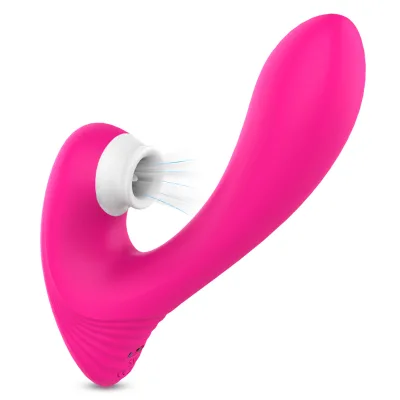
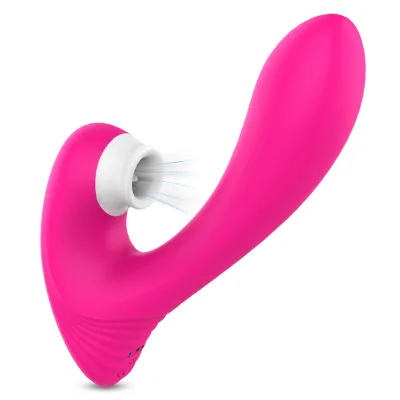


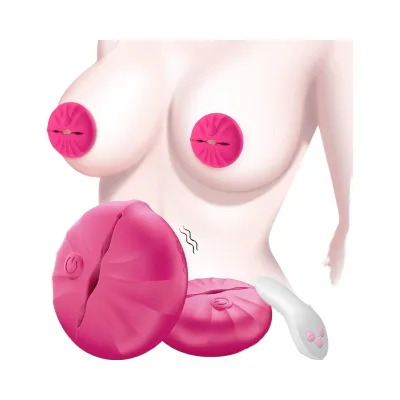
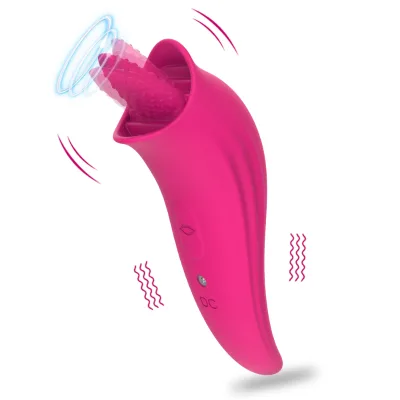
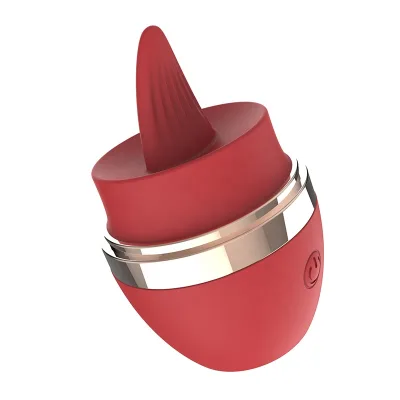
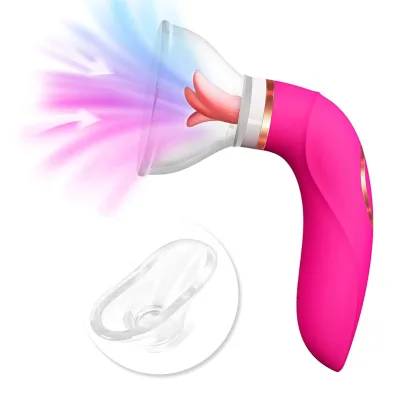
Nipples Suction Stimulator Waterproof Adult Sex Toys Clitoral Sucking Vibrator
$10.80 - $13.50
MOQ: 20 Pieces



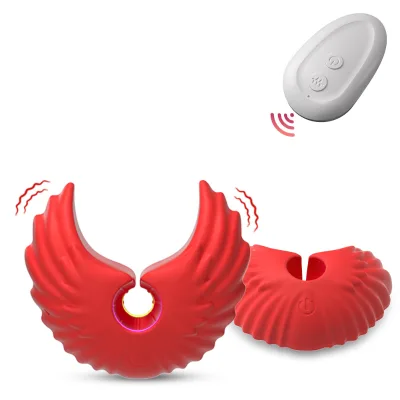

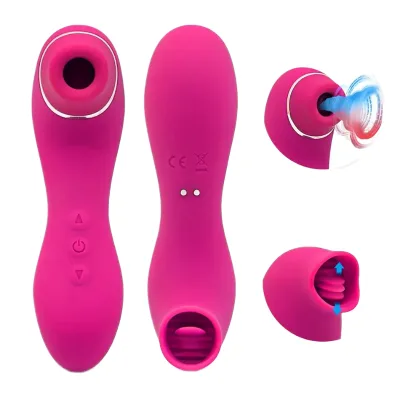




Comprehensive Sourcing Guide
Strategic Sourcing Guide for USB Rechargeable Waterproof Nipple Vibrators
Understanding Product Specifications and Technical Attributes
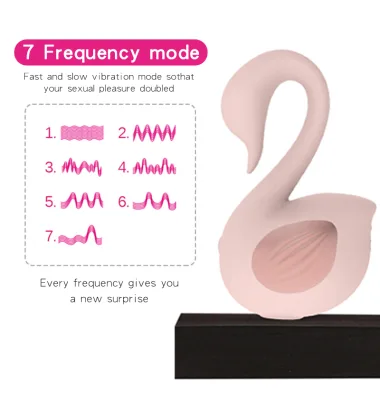
When sourcing a USB Rechargeable Waterproof Nipple Vibrator, buyers must first establish a clear understanding of the technical baseline provided by the market. The product category is defined by specific functional attributes that distinguish it from general massagers. Based on available market data, the core product type is often described as a dual sucking vibrator or a bird sucking vibrator designed specifically for female use. The primary mechanism involves a combination of suction and vibration, with some listings specifying "9 modes vibration, 9 modes licking" while others indicate "10 frequency" or "10 vibration mode" options. This variation in mode counts suggests that buyers should not assume a uniform feature set across all suppliers but must verify the exact number of intensity levels and patterns offered by a specific vendor.
Physical dimensions and weight are critical for both user experience and logistics planning. Observed specifications indicate a product size of approximately 169mm by 86mm by 34mm, with a single package size often ranging around 22cm by 9.15cm by 7.65cm. The net weight of the device itself is frequently cited between 160g and 181g, which impacts shipping costs and packaging requirements. The material composition is a key safety factor; high-quality units in this category typically utilize medical-grade silicone, ensuring a soft, body-safe texture. Color options observed in the market include purple, magenta, pink, blue, red, and deep purple, though buyers should confirm if custom color runs are available given the "Customization: Available" attribute found in supplier data.
The power system is a defining characteristic for modern devices in this niche. The standard configuration involves a rechargeable battery with a rated voltage of 3.7V. Capacity varies, with observations noting 320mAh or 500mA batteries. Charging is universally achieved via USB, with a typical charging time of 2 hours. Operational runtime is another variable; some data points suggest a working time of 0.5 to 1.5 hours per charge. Buyers must verify these figures against their target market's expectations, as a shorter runtime may necessitate more frequent charging for end-users. The device is designed to be waterproof, with claims ranging from "Daily Waterproof" to "IPX7" and "100% Waterproof." This distinction is vital for product positioning, as IPX7 implies submersion capabilities, whereas daily waterproofing may only cover splashes or shower use.
Compliance, Certification, and Safety Verification
In the realm of intimate wellness products, compliance and safety are paramount. While specific certification data in the provided context is marked as low-confidence, the industry standard expectation for such products includes CE and RoHS certifications. These certifications indicate that the product meets European safety, health, and environmental protection requirements. Buyers should explicitly request proof of these certifications from potential suppliers rather than assuming their presence based on general market trends. The absence of verified certification documents is a significant red flag in B2B procurement.
Safety standards also extend to the materials used. The product must be made from body-safe materials, typically silicone, which should be free from phthalates and other harmful chemicals. The "No Smell" feature mentioned in some product attributes suggests a focus on material purity, as low-quality silicone can emit a distinct odor. Buyers should request material safety data sheets (MSDS) or third-party lab reports to verify that the silicone meets relevant international safety standards. Additionally, the electrical components must adhere to safety regulations regarding voltage and charging protocols to prevent overheating or battery failure. The "USB Charge" and "3.7V" specifications must be verified against the local electrical standards of the destination market to ensure compatibility and safety.
Cost Drivers and Pricing Dynamics
The pricing structure for USB rechargeable waterproof nipple vibrators is influenced by several key factors. The observed price range in the market spans from $0.50 to $42.50 USD, a wide disparity that reflects differences in quality, brand positioning, and order volume. The lower end of this spectrum often corresponds to basic models with standard silicone, simple vibration mechanisms, and minimal packaging. Conversely, the higher end typically includes advanced features such as more vibration modes, superior waterproof ratings (IPX7), premium packaging, and established brand names like HM-SHD.
Order Volume (MOQ) is a primary driver of unit cost. The market shows an MOQ range from 1 piece to 500 pieces. Suppliers offering an MOQ of 1 piece are likely targeting small retailers or dropshippers and may charge a premium per unit. Bulk orders, particularly those approaching the 500-piece threshold, often unlock significant cost reductions. The "Qty/Carton: 50PCS" metric indicates standard packaging efficiency; optimizing the number of units per carton can reduce shipping costs and maximize container utilization. Buyers should calculate the total landed cost, including the unit price, shipping, and any customs duties, rather than focusing solely on the ex-factory price.
Customization is another cost variable. While "Customization: Available" and "Can Be Custom Logo on It" are listed attributes, these services invariably incur additional tooling or setup fees. The choice of packaging, such as a "Color Box" versus a "Carton Box," also impacts the final price. Buyers must balance the desire for branding and premium packaging against the budget constraints, ensuring that the added cost does not erode profit margins.
Typical Applications and Market Positioning
The primary application for these devices is personal intimate wellness, specifically targeting female consumers seeking clitoral and nipple stimulation. The product function is explicitly described as "Stimulating, flirting, massage," indicating its use for solo pleasure and couple's intimacy. The dual mechanism of suction and vibration is designed to provide a unique sensory experience that differentiates it from traditional vibrators. The "Quiet" attribute, with noise levels cited as "<40DBS" or "<50dB," is a crucial selling point for privacy-conscious consumers.
In a B2B context, these products are typically distributed through adult retail stores, online marketplaces, and specialty wellness e-commerce platforms. The "Wearer: Female" specification defines the target demographic clearly. Marketing strategies often emphasize the waterproof nature of the device, allowing for use in the shower or bath, which expands the application scenarios. The "Bird Sucking" or "Nipple Suction" terminology is common in marketing to describe the specific suction technology, which appeals to buyers looking for innovative stimulation methods. Buyers should ensure that their marketing materials accurately reflect the verified features of the product, such as the actual number of modes and the specific waterproof rating, to avoid consumer dissatisfaction.
Supplier Evaluation and Selection Criteria
Selecting the right supplier requires a rigorous evaluation process that goes beyond the initial product listing. Buyers should prioritize suppliers who can provide detailed technical documentation and proof of compliance. The "Place of Origin" is consistently listed as Guangdong, China, or China Mainland, which is a major manufacturing hub for electronics and consumer goods. However, the specific location within Guangdong can vary, and buyers should verify the factory's capacity and reliability.
Key evaluation metrics include the supplier's ability to meet customization requests, such as custom logos and packaging. The "Customization: Available" attribute suggests flexibility, but the lead time and minimum order quantity for custom runs must be clarified. Suppliers should also demonstrate a track record of consistent quality, evidenced by their ability to maintain the specified weight, dimensions, and material standards across large production batches.
Buyers should also assess the supplier's communication and responsiveness. Given the sensitive nature of the product, suppliers must be professional and discreet. The ability to provide samples for testing is a critical step in the evaluation process. Samples allow buyers to verify the noise levels, waterproof performance, and material quality firsthand. Additionally, the supplier's willingness to provide test reports for battery safety and material composition is essential for mitigating risk.
Quality Control and Long-Term Procurement Considerations
Quality control (QC) is non-negotiable in this category. Buyers must implement a robust QC strategy that includes pre-production inspections, in-process checks, and final random inspections. The focus should be on verifying the waterproof integrity, as failures in this area can lead to product returns and reputational damage. Testing for the "IPX7" rating or "100% Waterproof" claim requires specialized equipment and procedures. Similarly, the battery performance must be tested to ensure the "0.5-1.5 hours" working time is consistent and that the "2 hours" charging time is accurate.
Long-term procurement considerations involve building a sustainable supply chain. Buyers should aim for a partnership with suppliers who can scale production as demand grows. The "Qty/Carton: 50PCS" standard should be optimized for logistics efficiency. Furthermore, buyers should monitor the market for changes in technology, such as improvements in battery capacity or new vibration modes, to keep their product offerings competitive.
Sustainability is also becoming a factor in procurement. While not explicitly detailed in the provided data, buyers should inquire about the environmental impact of the packaging and the recyclability of the materials. The "RoHS" certification, if verified, indicates compliance with restrictions on hazardous substances, which is a positive indicator of environmental responsibility.
Conclusion
Sourcing a USB Rechargeable Waterproof Nipple Vibrator requires a meticulous approach that balances technical specifications, compliance, cost, and quality. The market offers a wide range of options, from basic models to advanced devices with multiple modes and premium features. Buyers must verify all claims, particularly regarding waterproof ratings, battery life, and noise levels, through direct testing and documentation. By focusing on suppliers with strong quality control systems and transparent compliance records, buyers can build a reliable supply chain that meets the demands of the intimate wellness market. The wide price range and customization options provide flexibility, but success depends on rigorous due diligence and a clear understanding of the product's technical and regulatory requirements.
FAQs
What is the waterproof rating of this device?
The device features an IPX7 waterproof rating, allowing for submersion in water. This ensures safe use in the shower or bath without electrical risk, distinguishing it from daily waterproof models that only resist splashes.
How many vibration modes does the vibrator offer?
The product offers 9 distinct vibration modes combined with 9 licking modes for varied stimulation. Some listings also mention 10 frequency options, so buyers should verify the exact mode count with the specific supplier before ordering.
What is the battery capacity and charging time?
The unit contains a 3.7V rechargeable battery with capacities ranging from 320mAh to 500mAh. It requires approximately 2 hours to fully charge and provides a working time of 0.5 to 1.5 hours per charge cycle.
Can buyers request custom logos and packaging?
Yes, customization is available for logos and packaging on the color box. Buyers should confirm specific minimum order quantities and setup fees with the manufacturer, as custom runs often differ from standard single-item sales.
What is the noise level during operation?
The device operates quietly with a noise level reported between 40 and 50 decibels. This low sound level ensures privacy during use, making it suitable for shared living spaces or situations requiring discretion.
Which materials are used to construct the vibrator?
The product is constructed from silicone, ensuring a soft and body-safe texture for the user. Buyers should request material safety data sheets to verify the absence of harmful chemicals like phthalates in the silicone composition.
What are the physical dimensions and weight of the unit?
The device measures approximately 169mm by 86mm by 34mm and weighs between 160g and 181g. These dimensions and weight impact shipping costs and packaging efficiency, with standard cartons holding 50 pieces.