Source Indoor Outdoor Succulent Plants for Home and Garden
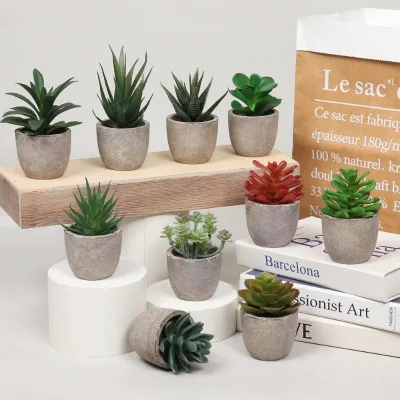
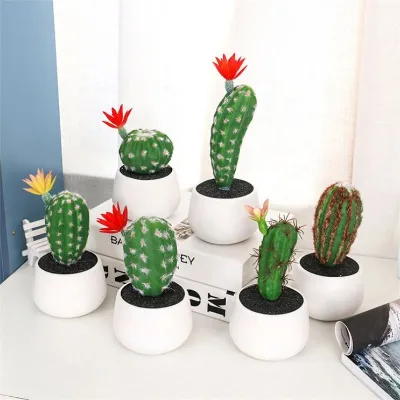
Find 30 listings for Indoor Outdoor Succulent products suitable for home decoration, garden accents, and festival displays. Compare ceramic and concrete pot options, custom logo availability, and various sizes ranging from 10cm to 39cm height to find the right artificial plants for your needs.
Key considerations
Products List


Cheap Price Succulent Live Plant Wholesale Indoor and Outdoor Decoration
$0.46 - $0.50
MOQ: 1000 Pieces



$1.00 - $5.00
MOQ: 50 Pieces


$1.00 - $5.00
MOQ: 50 Pieces

Wholesale Eco-Friendly Office Decorative Natural Plants Succulent for Indoor
$0.98 - $1.06
MOQ: 500 Pieces

Ins Indoor Diversified Durable Succulent Plants Live for Home Office Decor
$0.33 - $0.36
MOQ: 500 Pieces


Colorful Living Stone Lithops: Perfect Indoor Succulent for Beginners
$10.00 - $15.00
MOQ: 1000 Pieces




Comprehensive Sourcing Guide
Indoor Outdoor Succulent Sourcing Guide
Procuring artificial succulents for dual indoor and outdoor environments requires careful selection of materials that withstand varying light and moisture conditions. Buyers must distinguish between products designed for permanent exterior exposure and those intended for protected interior spaces, as the supplied data indicates specific applications ranging from home decoration to garden festivals. The observed product attributes highlight a focus on evergreen, odorless, and maintenance-free solutions, which are critical for commercial landscaping and interior design projects where live plant care is impractical.
When evaluating listings, purchasers should verify the specific pot material and construction, as the market offers options in both ceramic and concrete. These materials influence the final weight, durability, and aesthetic integration of the plant into the surrounding architecture. The presence of customization options for logos and pot colors allows for brand alignment, yet buyers must confirm that the plastic components used for the foliage remain UV-stable if the intended application involves direct sunlight exposure.
Product Scope and Observed Listing Signals
The current market for artificial succulents presents a diverse range of heights, from compact 10cm units to substantial 39cm specimens, catering to different spatial requirements. Listings indicate that these products are often categorized by their arrangement type, typically as single plants, which simplifies placement in pots or garden beds. The observed price range of 0.09 to 75 USD reflects significant variation based on size, pot material, and the complexity of the artificial foliage, requiring buyers to align their budget with the desired visual impact.
Buyers should note that while many products are labeled as suitable for both indoor and outdoor use, specific application details must be confirmed per SKU. Some items are explicitly marked for indoor use only, while others are designed for broader environmental exposure. The availability of samples is a critical signal for quality verification, allowing procurement teams to assess the texture and realism of the plastic leaves before committing to larger orders.
Technical Specifications to Verify
Technical due diligence must begin with the physical dimensions and structural integrity of the product, as heights vary significantly from 5cm to 39cm depending on the model. The standard export carton or wooden crate packaging suggests that shipping logistics will vary based on the volume and weight of the order, particularly when concrete pots are included. Buyers need to verify the exact height specifications against their design plans to ensure the plants fit the intended display areas without requiring custom modifications.
Material composition is another vital technical parameter, with the core plant structure typically made of plastic and the pot constructed from ceramic or concrete. The absence of scent and the evergreen nature of the foliage are key performance indicators for these artificial products, ensuring they remain visually appealing without attracting pests or requiring water. Verification of the specific model numbers, such as P220130-19 or FSB155, helps in tracking the exact configuration of the plant and pot combination to avoid fulfillment errors.
Compliance and Safety Documentation
For suppliers exporting from regions like Guangdong or Xiamen, documentation requirements can vary based on the destination market and the specific materials used. While some listings mention phytosanitary certificates, these are typically relevant for live plants rather than artificial ones, yet buyers should still request material safety data sheets to confirm the absence of hazardous substances in the plastic or concrete components. Ensuring that the product meets local fire safety and flammability standards is essential, especially for indoor commercial applications where regulations are strict.
Buyers must also verify that the packaging standards, such as standard export cartons or wooden crates, comply with international shipping regulations to prevent damage during transit. The presence of a "No Maintenance Required" benefit implies a long-term durability that should be backed by warranty information or quality guarantees from the manufacturer. Confirming that the product origin is clearly stated and that all labeling meets the destination country's import requirements is a necessary step to avoid customs delays.
Cost Drivers and Commercial Terms
The minimum order quantity (MOQ) is a primary cost driver, with observed ranges spanning from 100 pieces to 1,000 pieces, and some items requiring a specific 300-piece threshold. These thresholds directly impact the unit price, as higher volumes typically secure better rates within the observed 0.09 to 75 USD range. Buyers should negotiate based on their specific volume needs, as the "to be negotiated" MOQ for certain items like Ficus trees suggests flexibility for larger or custom orders.
Lead times and delivery schedules are equally critical, with some suppliers indicating a 15-day delivery window, while others may have longer production cycles depending on customization. The cost of customization, such as adding a custom logo or selecting specific pot colors, will likely add to the base price and extend the production timeline. Understanding the total landed cost, including shipping from China to the final destination, is essential for accurate budgeting and inventory planning.
Supplier Qualification and Quality Control
Supplier qualification should focus on their ability to provide samples and their track record with the specific product models listed, such as the P210295QX-10 or Agave american variants. Buyers should assess the supplier's capacity to handle the required MOQs and their ability to maintain consistent quality across large batches, especially when customizing logos or pot colors. The presence of a sample option is a strong indicator of a supplier's confidence in their product quality and their willingness to engage in a transparent procurement process.
Quality control protocols must include visual inspections of the plastic foliage for color consistency and the pot for structural integrity, particularly for concrete and ceramic options. Buyers should request a quality assurance plan that outlines how defects are identified and resolved before shipment. Verifying the supplier's location, whether in Guangdong or Xiamen, can also provide insights into their logistical capabilities and their familiarity with export procedures for fragile items like potted plants.
Long-Term Procurement Checks
Establishing a long-term relationship with a supplier requires regular performance reviews to ensure that the product quality remains consistent over time. Buyers should monitor the durability of the artificial succulents in their specific environments, checking for fading or degradation of the plastic leaves and the stability of the pots. The "Evergreen" and "No Maintenance Required" claims should be validated through periodic field checks to ensure the products continue to meet the aesthetic and functional expectations of the end users.
Procurement teams should also maintain open communication channels to discuss potential updates in product models or materials that could improve performance or reduce costs. As the market evolves, staying informed about new standards or material innovations will help buyers make informed decisions about future orders. Regular audits of the supplier's production capacity and quality control measures will ensure a reliable supply chain for ongoing decoration and landscaping needs.
FAQs
Can Indoor Outdoor Succulent plants be customized with a logo?
Yes, customization is available for these artificial succulent plants. Buyers can request a custom logo to be applied to the product, allowing for branded home decoration or garden items. This feature supports unique design needs for festivals or indoor applications, ensuring the final product aligns with specific branding requirements while maintaining the evergreen, odorless characteristics of the artificial foliage.
What is the typical MOQ for artificial succulent orders?
The minimum order quantity is typically 300 pieces for standard artificial succulent models. Some specific items may have an MOQ of 100, while others require negotiation. Buyers should verify the exact MOQ for their chosen model, such as P220130-19, as requirements vary by product specification and supplier capacity, ensuring alignment with bulk purchasing needs.
What materials are used for the pots in these succulents?
The pots for these artificial succulents are made from ceramic or concrete materials. The plants themselves are crafted from plastic to achieve a realistic evergreen appearance. This combination provides durable, low-maintenance decoration suitable for both indoor and outdoor use, offering a stable base that complements the artificial foliage without requiring water or sunlight for survival.
How are Indoor Outdoor Succulent products packed for shipping?
Products are packed using standard export cartons, plastic bags with cartons, or wooden crates depending on the item. Some models use boxes or wooden packaging to ensure safety during transit. This varied approach protects the ceramic or concrete pots and plastic plants, ensuring they arrive in pristine condition for home decoration, garden use, or festival displays without damage.
What are the common specifications for these artificial succulents?
Common specifications include heights of 10cm, 19cm, and 39cm, with some models ranging from 5-10cm. Sizes are often categorized as small, and models like P210116QX-39 indicate specific dimensions. These variations allow buyers to select the appropriate scale for indoor shelves, outdoor gardens, or festival arrangements, ensuring the artificial plants fit the intended decorative space perfectly.
Where are these artificial succulent plants manufactured?
These artificial succulent plants are manufactured in Guangdong and Xiamen, China. The origin ensures access to established production facilities for plastic and ceramic components. Buyers can rely on these locations for consistent quality and supply chain efficiency, supporting both small sample orders and larger bulk purchases for global distribution in home decoration and garden sectors.