Source Indoor Outdoor Wire and Cable Labeling Signs for Hotels, Schools, and Bars
Find 30 verified options for Indoor Outdoor Wire and Cable Labeling Signs suitable for business environments. Buyers can compare PVC and PE materials, waterproof ratings, and customization features across suppliers in China.
Key considerations
Products List




Acrylic Outdoor Light Box Sign with Logo Sale Lighted Signage Advertising Sign
$13.99 - $19.99
MOQ: 1 Pieces


Comprehensive Sourcing Guide
Strategic Sourcing Guide for Indoor and Outdoor Wire and Cable Labeling Signs
Understanding Product Variants and Core Specifications
When sourcing indoor and outdoor wire and cable labeling signs, buyers must first navigate the diverse landscape of product specifications available in the global market. The core keyword implies a need for durability across varying environmental conditions, yet the specific attributes of the product can vary significantly based on the intended application. Based on current market observations, these labeling solutions are frequently constructed from materials such as PVC, PE, and Stainless Steel, each offering distinct advantages for different use cases. PVC and PE materials are commonly cited for their flexibility and resistance to moisture, making them suitable for applications involving wire connectors, electric cables, and general wire accessories. Conversely, Stainless Steel options are often selected for environments requiring higher structural integrity or resistance to harsh chemical exposure.
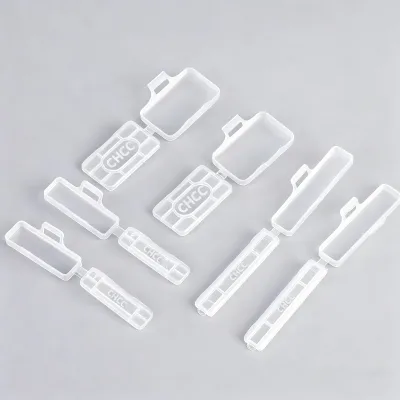
The physical dimensions of these labels are a critical factor in procurement. The market presents a wide range of standardized and customized sizes. Observed specifications include models with dimensions such as 4010, 4020, and 830 or 820mm. For specific industrial applications, lengths like 30MM or 30*10MM are frequently encountered. It is essential for buyers to verify that the selected model number, such as YZ-5 or YZ-6, aligns with the physical constraints of the wiring harness or equipment being labeled. The shape of the label is another variable; products are available in both round and square configurations, with some designs featuring a vertical form factor. The "Product Name" often explicitly states "waterproof label," indicating a primary design focus on moisture resistance, which is a non-negotiable attribute for outdoor installations.
Environmental Durability and Material Performance
The distinction between indoor and outdoor applications dictates the required performance thresholds for labeling signs. For outdoor use, the primary concern is resistance to environmental degradation, including UV exposure, rain, and temperature fluctuations. The supplied data highlights that many products carry an "IP Rating" and are explicitly marked as "Waterproof." While specific IP numerical values (e.g., IP65, IP67) are not universally standardized across all listings in the current dataset, the presence of "Waterproof" as a key feature suggests a high degree of protection against water ingress. Buyers should verify the specific IP rating for any outdoor application to ensure the label will not degrade or lose adhesion in wet conditions.
Material selection plays a pivotal role in determining longevity. Products made from PE (Polyethylene) and PVC (Polyvinyl Chloride) are noted for their suitability in applications ranging from HDMI cables and DVI lines to lighting decorations and optical cables. These materials are generally flexible and resistant to the chemicals found in insulation jackets. For more demanding environments, Stainless Steel options provide a robust alternative, particularly for permanent fixtures in hotels, companies, schools, or bars where aesthetic longevity is as important as functional durability. The "Feature" attributes often listed include "Long Durable" and "High Quality," which serve as general indicators of product quality but require validation through sample testing.
Compliance, Certification, and Regulatory Standards
Navigating the regulatory landscape is a critical step in B2B procurement to ensure that labeling signs meet international safety and environmental standards. The market data indicates that specific certifications are available for these products, with RoHS (Restriction of Hazardous Substances) and CE (Conformité Européenne) being prominent examples. RoHS compliance is particularly important for electronic applications, ensuring that the materials used in the labels do not contain restricted hazardous substances that could contaminate the wire or cable assembly. CE marking is essential for products intended for the European market, indicating conformity with health, safety, and environmental protection standards.
Buyers must verify that the certification claims are backed by valid documentation from the manufacturer. While the data lists "Certification: RoHS" and "Certification: CE" as observed attributes, these should not be assumed to apply to every SKU without verification. The "prod_standard" field often references dimensions (e.g., 4010, 4020) rather than international safety standards like ISO or UL. This suggests that buyers need to actively request specific compliance documentation for the product model they intend to purchase. For applications in regulated industries such as construction or public infrastructure, additional standards may be required, and the absence of a listed standard in the product description should trigger a request for clarification from the supplier.
Cost Drivers and Procurement Parameters
The cost of sourcing indoor and outdoor wire and cable labeling signs is influenced by several variables, including material composition, customization level, and order volume. The observed price range in the market spans from 0.01 to 500 USD, reflecting the vast difference between basic, small-scale labels and large, customized, or high-volume industrial solutions. The Minimum Order Quantity (MOQ) is another significant cost driver, with observed ranges extending from 1 piece to 10,000 units. This flexibility allows buyers to test the market with small orders or secure bulk pricing for large-scale projects.
Customization is a major factor in pricing. Many suppliers offer "Customized Size" and "Customized" standards, which typically incur higher unit costs compared to off-the-shelf items. The "OEM: Acceptable" attribute indicates that suppliers are willing to produce branded or custom-designed labels, which adds value but also complexity to the procurement process. Packaging requirements also impact cost; options range from standard sea freight and air freight arrangements to specific packaging like "Carton/Wooden Box" or "1000" units per package. Buyers should consider the total landed cost, including shipping methods (Sea Freight vs. Air Freight) and packaging, when evaluating the final price. The "Single gross weight" of 0.500 kg for certain items provides a baseline for logistics planning, but bulk weight calculations will vary based on the specific model and packaging density.
Typical Applications and Installation Methods
The versatility of wire and cable labeling signs is evident in their diverse range of applications. These products are utilized in settings ranging from commercial and industrial facilities to hospitality and entertainment venues. Specific use cases include marking business equipment, hotel signage, company assets, school facilities, and bar installations. The "Usage" field explicitly mentions applications such as bunding wires, electric cable wire, and wire accessories, highlighting their role in organization and safety compliance. Additionally, they are used for decorative purposes in lighting and advertising, where the "Luminous Letter" feature may be relevant for visibility in low-light conditions.
Installation methods are equally varied, allowing for adaptability across different surfaces and environments. The data indicates that products can be installed using "Back with Holes, Screws or Glue." This flexibility is crucial for buyers who need to label existing infrastructure without extensive modification. For outdoor applications, the choice of installation method must account for weather resistance; for instance, screws and glue must be rated for outdoor use to prevent failure. The "Shape" and "Form" of the label, such as vertical or round, also influence the installation strategy, ensuring that the label adheres properly to the curvature or flatness of the wire or cable bundle.
Supplier Evaluation and Quality Assurance
Evaluating suppliers for wire and cable labeling signs requires a rigorous approach to ensure product reliability and consistency. The "Place of Origin" data points to manufacturers in regions such as Zhejiang and Anhui, China, which are known hubs for manufacturing these types of products. However, geographic origin alone does not guarantee quality. Buyers should prioritize suppliers who demonstrate transparency in their production processes and provide clear documentation regarding their materials and certifications. The "Brand Name" attribute, such as "CHCC," suggests that some manufacturers have established brand identities, which can be a proxy for reliability, though this should not be the sole criterion for selection.
Quality control measures should be a central part of the procurement strategy. Buyers must verify that the "Condition" of the product is consistently "New" and that the "Feature" claims of being "Long Durable" and "High Quality" are substantiated by test results or third-party inspections. Since the "prod_packing" can vary from standard cartons to wooden boxes, inspecting the packaging integrity is essential to prevent damage during transit. For large orders, implementing a pre-shipment inspection is advisable to ensure that the "prod_model" and "prod_standard" match the agreed-upon specifications. Additionally, verifying the "OEM" capabilities ensures that the supplier can meet specific branding or design requirements without compromising on quality.
Long-Term Procurement and Supply Chain Considerations
Sourcing wire and cable labeling signs is not merely a transactional activity but a strategic decision that impacts long-term operational efficiency. The "Application" of these labels often extends over the lifespan of the equipment they identify, making durability and resistance to environmental factors paramount. Buyers should consider the total cost of ownership, which includes not only the initial purchase price but also the frequency of replacement due to wear and tear. Products with higher "Waterproof" ratings and robust materials like Stainless Steel may have a higher upfront cost but offer better long-term value in harsh environments.
Supply chain stability is another critical consideration. The "prod_origin" and "prod_packing" details indicate that logistics play a significant role in the procurement process. Buyers should assess the supplier's ability to maintain consistent lead times and manage inventory levels, especially for customized orders. The "MOQ" flexibility observed in the market allows for adaptive ordering strategies, enabling buyers to scale their orders up or down based on project needs. Finally, maintaining a relationship with suppliers who offer "Customization" and "OEM" services can provide a competitive advantage, allowing for tailored solutions that meet specific project requirements and enhance the overall professionalism of the installation. By focusing on these long-term factors, buyers can ensure a reliable supply of high-quality labeling signs that support their operational goals.
FAQs
What materials are used for Indoor Outdoor Wire and Cable Labeling Signs?
These signs are commonly made from PVC, PE, and Stainless Steel. PVC and PE offer flexibility for wire connectors, while Stainless Steel provides durability for harsh environments like hotels or outdoor installations.
Which certifications are available for these labeling signs?
Available certifications include RoHS and CE. RoHS ensures compliance for electronic applications, while CE indicates conformity with European safety standards, though buyers must verify specific documentation for each model.
How are these signs installed on wires or cables?
Installation methods include using back holes with screws or applying glue. The choice depends on the surface and environment, ensuring the label remains secure for long-term use in business or decorative settings.
Can I request customized sizes for these labeling signs?
Yes, customized sizes are acceptable and often available. Suppliers offer models with dimensions like 40*10 or 30*10MM, allowing buyers to match specific equipment constraints while maintaining waterproof and durable features.
What is the typical minimum order quantity for these signs?
The minimum order quantity ranges from 1 piece to 10,000 units. This flexibility allows buyers to test small orders or secure bulk pricing for large-scale industrial projects involving wire accessories.
Are these signs suitable for outdoor use?
Yes, many products are explicitly designed for outdoor use with waterproof features. They resist moisture and environmental degradation, making them suitable for applications like lighting decoration and electric wire marking in various climates.
What shapes are available for these labeling signs?
Available shapes include round, square, and vertical forms. These variations allow for adaptability across different wiring harnesses and equipment, ensuring proper adhesion and visibility for business or hotel applications.