Source Indoor Outdoor Tennis Training Machine for Courts
Find reliable Indoor Outdoor Tennis Training Machine options for 30 products. Compare heavy-duty nets, adjustable features, and waterproof materials designed for professional training and competition venues. Explore customization, mesh sizes, and durable vinyl headbands to meet specific court requirements and ensure long-lasting performance for both indoor and outdoor settings.
Key considerations
Products List


Tennis Equipment Rebound Training Portable Flex Braided Net for Indoor and Outdoor
$50.00 - $60.00
MOQ: 50 Pieces


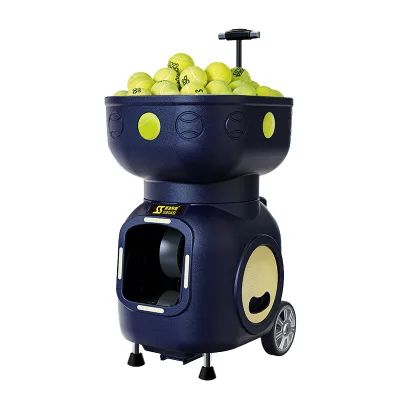
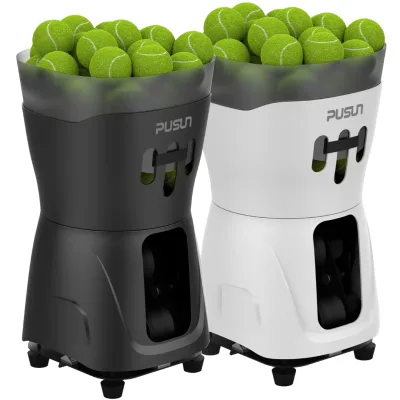
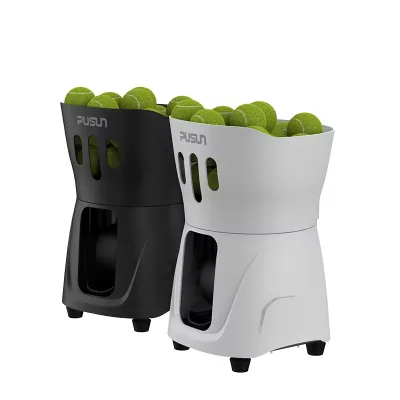
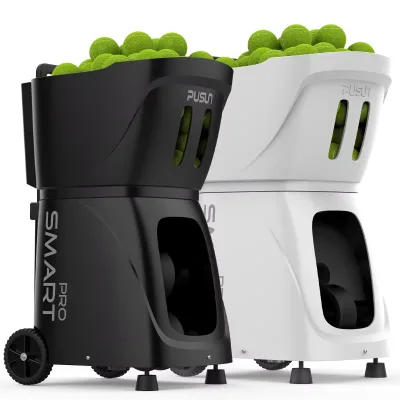
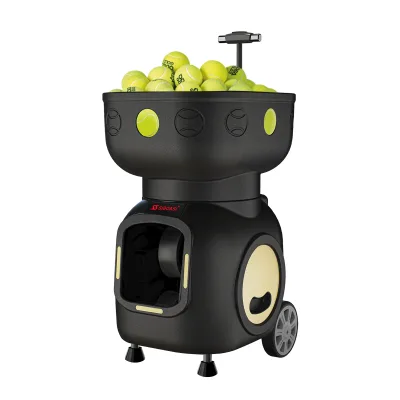
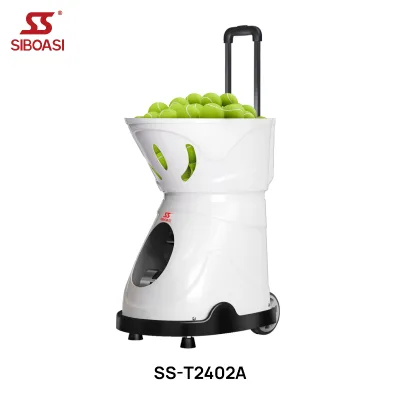

Indoor Ar Tennis Sports Game Machine Multiplayer Tennis Training Equipment
$12500.00 - $13000.00
MOQ: 1 Sets


Healthy Indoor Tennis Sport for Training Equipment Automatic Ball Throwing Machine
$12500.00 - $13000.00
MOQ: 1 Sets

Comprehensive Sourcing Guide
Indoor Outdoor Tennis Training Machine Sourcing Guide
Procuring equipment for tennis training requires a clear distinction between the mechanical launchers and the essential court infrastructure, such as nets, which define the playing environment. Buyers often conflate these categories, but successful sourcing depends on identifying whether the primary need is automated ball delivery or durable boundary definition. The market offers specialized solutions for both indoor and outdoor environments, each with distinct material requirements and operational constraints. Understanding this split is the first step in defining accurate technical specifications and budget allocations.
This guide focuses on the tangible assets that support training operations, particularly high-durability nets and court accessories, while acknowledging the broader context of training equipment. By examining observed listing signals and technical attributes, buyers can filter out irrelevant products and focus on suppliers who provide robust, customizable solutions. The following sections provide a structured approach to evaluating product scope, verifying technical details, and ensuring long-term value through proper supplier qualification and maintenance planning.
Product Scope and Observed Listing Signals
The observed product landscape reveals a strong emphasis on heavy-duty tennis nets designed for both training and competitive use. Listings frequently highlight features such as waterproofing, high durability, and eco-friendly materials, indicating a market shift toward sustainable and long-lasting court infrastructure. Products are often described as suitable for professional table tennis training or general fitness, suggesting versatility in application. Buyers should note that while the core keyword implies mechanical machines, the available data heavily features netting systems with specific mesh shapes, knot types, and headband constructions, which are critical for consistent ball trajectory and safety.
Customization is a dominant theme in the current listings, with suppliers offering tailored mesh sizes, diameters, and colors to meet specific venue requirements. The presence of options for customized logos and packaging suggests that many buyers are looking for branded solutions for clubs or academies. Additionally, the mention of "cheap indoor home training" and "outdoor sports court equipment" indicates a price-sensitive segment that values functionality over premium branding. Buyers must carefully distinguish between basic training aids and professional-grade infrastructure to avoid purchasing under-specification products that fail under frequent use.
Technical Specifications to Verify
When evaluating tennis nets and related accessories, buyers must verify critical physical attributes such as mesh size, diameter, and material composition. Common specifications include mesh sizes of 4.5x4.5cm or 10x10cm, with wire diameters ranging from 2mm to 6mm. The material is typically polyester or polyestr, often coated with vinyl for weather resistance. It is essential to confirm the construction of the headband, which should be heavy-duty vinyl with internal steel cables for tension stability. Grommets and locking gears should be made of stainless steel or brass to prevent corrosion, especially for outdoor installations where exposure to moisture is inevitable.
Beyond the net itself, buyers should assess the overall system integration, including the suitability for various sports like pickleball or national traditional sports. The product lifespan is a key metric, with some listings claiming up to five years of durability. Verify the coating thickness, often around 0.1mm, and the stitching quality, such as double-layered handmade tops or polyester thread stitching on bottom bands. These details directly impact the net’s ability to withstand high-velocity impacts and maintain structural integrity over time, ensuring that the training environment remains safe and consistent for players of all ages.
Compliance and Safety Documentation
Safety is paramount in training environments, particularly when dealing with high-tension nets and mechanical equipment. Buyers should request documentation that verifies the material safety of vinyl coatings and steel cables, ensuring they are free from harmful chemicals and sharp edges. While specific certification standards are not universally listed, buyers must inquire about compliance with local sports facility regulations and general product safety directives. This includes verifying that the locking gears and grommets meet strength requirements to prevent sudden failures during intense training sessions.
Additionally, buyers should ensure that the supplier provides clear installation guidelines and maintenance manuals, which are crucial for long-term safety. The packaging should be robust, often described as a four-layer safety package, to prevent damage during transit that could compromise structural integrity. For indoor applications, verify that materials do not emit volatile organic compounds (VOCs) that could affect air quality. Requesting test reports for tensile strength and weather resistance can provide objective evidence of product reliability, reducing the risk of liability issues associated with equipment failure.
Cost Drivers and Commercial Terms
The cost of tennis training equipment is influenced by material quality, customization levels, and order volume. Observed price ranges vary significantly, from affordable basic nets to high-end professional systems, reflecting differences in durability and feature sets. Buyers should expect lead times of 20-30 days for customized orders, which can impact project timelines. Minimum order quantities (MOQ) typically range from 1 to 50 units, allowing for flexibility in procurement scale. Understanding these commercial terms helps in budgeting for both initial purchase and potential future expansions.
Customization options, such as specific mesh sizes, colors, or logo printing, often incur additional costs and longer lead times. Buyers should negotiate clear terms regarding packaging and shipping, as improper handling can lead to damage and additional expenses. It is advisable to request detailed quotations that break down costs for materials, labor, and logistics. By comparing multiple suppliers, buyers can identify the best value proposition, balancing upfront costs with long-term durability and service support. Transparent pricing structures help avoid hidden fees and ensure accurate financial planning.
Supplier Qualification and Quality Control
Selecting a reliable supplier is critical for ensuring consistent product quality and timely delivery. Buyers should verify the supplier’s manufacturing capabilities, particularly their expertise in weaving, cutting, sewing, and packaging processes. Suppliers located in regions like Shandong, China, often have established supply chains for polyester and vinyl materials. Requesting samples before placing bulk orders allows buyers to assess material quality, stitching precision, and overall craftsmanship. This step is essential for identifying potential defects or inconsistencies that may not be apparent from product descriptions alone.
Quality control measures should include regular inspections of raw materials and finished products. Buyers should inquire about the supplier’s internal testing protocols for durability, waterproofing, and tensile strength. Establishing a clear communication channel for addressing defects or discrepancies is also important. Suppliers who offer customized solutions should demonstrate flexibility and responsiveness to specific buyer requirements. By prioritizing suppliers with proven track records and robust quality control systems, buyers can minimize risks and ensure that their training facilities are equipped with reliable, high-performance equipment.
Long-Term Procurement Checks
Long-term success in procurement depends on establishing ongoing relationships with suppliers who can provide consistent quality and support. Buyers should implement regular review cycles to assess product performance in real-world training environments. Monitoring wear and tear on nets and accessories can inform future purchasing decisions, such as upgrading to heavier-duty materials or adjusting mesh sizes. Maintaining a log of product lifespans and failure rates helps in predicting replacement needs and budgeting for maintenance. This proactive approach ensures that training facilities remain operational and safe without unexpected disruptions.
Additionally, buyers should stay informed about industry trends and technological advancements in training equipment. Engaging with suppliers for feedback on product improvements or new features can lead to better solutions over time. Regularly updating procurement strategies based on performance data and market changes ensures that the facility remains competitive and efficient. By fostering collaborative relationships with suppliers, buyers can access exclusive offers, priority support, and early access to new products, ultimately enhancing the overall training experience for athletes and coaches.
FAQs
What materials are used for the tennis net body?
The net body is constructed from heavy-duty polyester with a weave, cutting, sewing, and packaging craft. It features a 500d heavy-duty white vinyl headband and a black vinyl side pocket band. This ensures high durability and waterproof performance for both training and competition use.
Can I customize the logo and color of the net?
Yes, customization is available for both the logo and the color. Buyers can request a customized logo and choose from black, white, or other custom colors. The product supports specific mesh sizes and diameters to meet unique requirements for training players or professional venues.
What is the lead time for ordering these tennis nets?
The standard lead time for production is between 20 to 30 days. This duration applies to orders for the indoor and outdoor tennis court equipment. Buyers should plan their procurement schedule accordingly to ensure timely delivery for their training projects or competition needs.
How is the tennis net packed for shipping?
The product is packed using a safety four-layer package system. The first layer consists of EPE foam, and the second layer is a weaving sack. This robust packaging protects the net during transit, ensuring it arrives in good condition for use in various sports venues.
Which specifications are available for the mesh and diameter?
Available mesh sizes include 4.5 by 4.5 cm and 10 by 10 cm, with customization options. The diameter can be selected as 2 mm, 4 mm, or 6 mm. These specifications allow for tailored solutions suitable for different training projects and professional table tennis training environments.
What is the expected lifespan of the tennis net?
The product has an expected lifespan of five years under normal usage conditions. This durability is achieved through heavy-duty materials and high-quality construction. It is designed to withstand the demands of training players and professional competitions in both indoor and outdoor settings.
Are the locking gears made of stainless steel?
Yes, the locking gears feature stainless steel internal inserted locking gears. This component ensures reliable operation and longevity for the adjustable net system. The use of stainless steel contributes to the overall heavy-duty nature and high durability of the tennis net equipment.