Source Indoor Wood Hanging Ornaments for Christmas, Home, and Outdoor Decor
Explore 30 listings of Indoor Wood Hanging Ornaments suitable for Christmas, home decoration, and outdoor use. Buyers can compare customization options, materials like wood and metal, and MOQs ranging from 50 to 3000 units across various models.
Key considerations
Products List


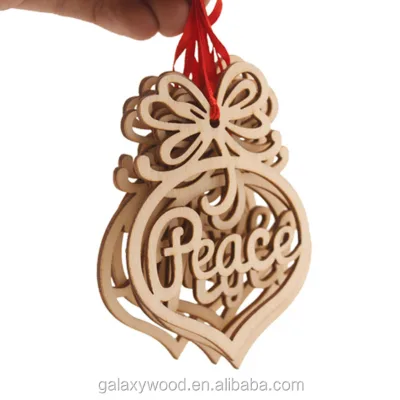


Unfinished Wood Hanging Ornaments-Ideal for Personalized Holiday Crafts
$0.76 - $0.88
MOQ: 1000 Pieces


Square Wooden Home Decoration Wall Hanging Ornaments for Valentine's Day
$2.00 - $3.00
MOQ: 1000 Pieces

Wooden Wall Hanging Home Decoration Ornaments with Letters for Valentine's Day
$1.00 - $2.00
MOQ: 1000 Pieces

Wooden Special Shaped Wall Hanging Home Decoration Ornaments for Harvest Day
$2.30 - $3.00
MOQ: 1000 Pieces

Round Wooden Wall Hanging Ornaments for Valentine's Day Home Decorative
$0.50 - $1.50
MOQ: 1000 Pieces

Heart-Shaped Wooden Home Decoration Wall Hanging Ornaments for Valentine's Day
$1.00 - $1.50
MOQ: 1000 Pieces

Comprehensive Sourcing Guide
Strategic Sourcing Guide for Indoor Wood Hanging Ornaments
Understanding Product Attributes and Material Composition
When sourcing Indoor Wood Hanging Ornaments, the primary objective is to identify products that align with specific aesthetic and functional requirements while maintaining structural integrity. Based on the available market data, the core material for these items is consistently identified as wood, with specific listings confirming a "Wooden-Made" attribute. This distinguishes the product category from metal or plastic alternatives, which are also present in the broader decoration market but do not fit the specific "wood" constraint of this guide. The material selection is critical for indoor applications, where the natural grain and texture of wood provide a distinct visual appeal that synthetic materials often fail to replicate.
The manufacturing process for these ornaments varies, with "Carved" and "Machinery" processing techniques observed in the supply base. Carved items typically suggest a higher level of artisanal detail, suitable for premium home decoration segments, whereas machinery-processed items may offer consistency in mass production. A specific product model, KU-003491, is noted for its suitability for women and its classification as a Christmas decoration, indicating a seasonal application. However, the broader category also includes items with "Simple" or "Fashion" styles, suggesting versatility beyond just holiday themes. The color profiles observed range from "natural" to "multicolour" and "multicolor," allowing buyers to select finishes that match existing interior design schemes. It is essential to verify that the wood used is treated appropriately for indoor humidity levels to prevent warping, although specific treatment standards are not universally listed in the provided data.
Technical Specifications and Model Variations
The technical landscape of Indoor Wood Hanging Ornaments is defined by a diverse range of model numbers and specifications. Buyers must navigate a catalog that includes models such as JA0076, JH0087, UC342, GW-1501, and EE03. Each model represents a unique iteration of the product, potentially differing in dimensions, weight, and decorative complexity. For instance, the GW-1501 model is explicitly linked to a brand name "GW" and features a "Carved" technique with a "wood decoration" theme. In contrast, other listings describe the product type simply as "Home Decoration" or "Decoration" with a "Fashion" style.
Dimensional specifications are a critical component of the technical assessment. While some standards mention "small size," others provide specific packaging dimensions like "454565cm," which likely refers to the outer carton size rather than the ornament itself. Buyers should request detailed dimensional drawings for specific models to ensure they fit the intended hanging space. The weight of the ornaments is another technical factor; one listing highlights "Light Weight" as a key feature, which is advantageous for hanging on delicate indoor fixtures or ceilings without requiring heavy-duty hardware. Conversely, other attributes mention "Sturdiness," implying a balance between weight and durability. The "Non Power" attribute confirms that these are passive decorative items, eliminating the need for electrical safety certifications related to lighting, though this simplifies the compliance landscape.
Compliance, Certification, and Safety Standards
Navigating the compliance requirements for wood-based home decorations requires a careful review of environmental and safety standards. The provided data indicates that "eco-friendly" is a recognized standard for some products in this category. This suggests that suppliers may adhere to regulations regarding the sourcing of timber, the use of non-toxic finishes, or sustainable forestry practices. However, the specific certification bodies or standard numbers (such as FSC or PEFC) are not explicitly listed in the supply data. Therefore, buyers must treat the "eco-friendly" claim as an observation to be verified rather than a guaranteed status.
Safety compliance is paramount for indoor items, particularly those intended for homes with children or pets. While the "Non Power" attribute removes electrical hazards, the physical safety of the wood and the hanging mechanism must be assessed. The "Customized" standard and "Customized" attribute suggest that suppliers are flexible, but this flexibility must not compromise safety. Buyers should verify that the wood is free from harmful chemicals often used in preservatives or paints, especially given the "Multicolour" and "natural" finish options. The "Small size" standard mentioned in the data may imply that these items are not intended for large-scale industrial use but rather for residential or small commercial settings. It is advisable to request material safety data sheets (MSDS) or specific compliance certificates from the supplier to confirm that the wood and finishes meet the safety regulations of the target market, such as California Proposition 65 or EU REACH, even if these specific standards are not listed in the general product attributes.
Cost Drivers and Pricing Dynamics
The pricing structure for Indoor Wood Hanging Ornaments is influenced by several factors, including material quality, customization level, and order volume. The observed price range in the market spans from $0.08 to $4.00 USD. This wide variance indicates that the cost is highly dependent on the specific model and the level of craftsmanship involved. The lower end of the spectrum likely corresponds to simple, machinery-processed items with minimal finishing, while the higher end may reflect hand-carved, branded, or highly customized pieces.
Order volume plays a significant role in determining the final unit cost. The Minimum Order Quantity (MOQ) varies considerably across the supply base, ranging from 50 units to 3,000 units, with specific listings citing MOQs of 500 and 200 pieces. Buyers with smaller budget constraints or those testing the market may find suppliers with lower MOQs, such as 50 or 200 pieces, more accessible. However, larger orders often unlock better pricing tiers. The "Value for Money" feature listed in the data suggests that some suppliers position their products as cost-effective solutions, but this should be balanced against the quality of the wood and the durability of the finish. Additionally, the "Customization" availability implies that bespoke designs will incur higher costs due to the setup and labor involved. Buyers should factor in these variables when budgeting, ensuring that the selected price point aligns with the expected quality and order volume.
Typical Applications and Usage Scenarios
Indoor Wood Hanging Ornaments serve a variety of applications, extending beyond simple decoration. The data highlights usage scenarios including "Home Decoration," "Daily Use," "Gift," "Promotional gifts," and "Commerce Gifts & Decoration." This versatility makes the product category attractive for a wide range of buyers, from interior designers to corporate procurement teams. The "Christmas" application is a specific seasonal use case, with models like KU-003491 and GW-1501 explicitly designed for holiday themes. However, the "Indoor,Outdoor" application attribute suggests that some products are robust enough for semi-outdoor use, such as covered patios or entryways, provided they are protected from direct rain.
The "Personal Decoration, Collection" usage indicates that these items can also serve as collectibles or personal statement pieces. The "Fashion" and "Simple" styles allow them to integrate seamlessly into modern or minimalist interior designs. For promotional purposes, the "Light Weight" and "Easy to Use" features make them ideal for corporate gifts or event giveaways. The "Single item" selling unit suggests that the product is often sold individually, which is convenient for retail display or direct gifting. Buyers should consider the target audience when selecting models; for instance, a "natural" color finish may appeal to eco-conscious consumers, while "multicolour" options might be better suited for festive or playful environments.
Supplier Evaluation and Quality Control Protocols
Evaluating suppliers for wood hanging ornaments requires a rigorous assessment of their capabilities and quality control measures. The origin of these products is consistently listed as "China," with specific mentions of "Guangdong, China" as a place of origin. This region is known for its manufacturing prowess, but buyers must still conduct due diligence to ensure consistent quality. The "Customization" attribute is a strong indicator of a supplier's flexibility, but it also requires clear communication of design specifications to avoid errors.
Quality control should focus on the consistency of the wood grain, the precision of the carving or machining, and the durability of the finish. The "Sturdiness" feature is a key quality indicator, suggesting that the product should withstand handling without breaking. Buyers should request samples to test the physical properties of the wood, including its resistance to moisture and its ability to hold hanging hardware securely. The "Outer Carton" and "1PC/Polybag" packing methods indicate different levels of protection; outer cartons are generally preferred for bulk shipping to prevent damage, while polybags are suitable for individual retail packaging. The "by Sea" shipping method is standard for international trade, but buyers should verify the packaging standards to ensure the goods arrive in pristine condition.
Long-Term Procurement Considerations
Sourcing Indoor Wood Hanging Ornaments is not just a one-time transaction but a long-term partnership that requires strategic planning. The "Customized" nature of the products means that establishing a reliable supply chain is crucial for maintaining brand consistency. Buyers should consider the lead times associated with customization and the capacity of the supplier to handle volume fluctuations. The "Eco-Friendly" standard, if verified, can be a significant long-term asset, aligning with global sustainability trends and potentially enhancing the brand's market position.
Inventory management is another critical consideration. Given the seasonal nature of some applications, such as Christmas decorations, buyers must plan their orders well in advance to avoid stockouts during peak periods. The "Small size" standard may facilitate easier storage and logistics, but the "454565cm" carton dimensions suggest that bulk storage requires adequate space. Furthermore, the "Value for Money" aspect should be monitored over time to ensure that the product remains competitive in the market. Regular quality audits and feedback loops with the supplier will help maintain high standards and address any issues promptly. By focusing on these long-term factors, buyers can build a resilient supply chain that supports their business growth and customer satisfaction.
Comparative Analysis of Product Models
To assist in decision-making, the following table compares key attributes of the observed product models and specifications. This comparison highlights the diversity within the category and helps buyers identify the most suitable options for their specific needs.
| Attribute | Model KU-003491 | Model GW-1501 | Model JA0076 / JH0087 | General Category |
|---|---|---|---|---|
| Primary Type | Christmas Decoration | Wood Christmas Hanging | Home Decoration | Indoor/Outdoor Decoration |
| Material | Wood | Wood | Wood | Wood |
| Technique | Not Specified | Carved | Machinery/Printing | Carved/Machinery |
| Color | Multicolour | Natural | Multicolor | Natural/Multicolour |
| MOQ | 500 | Not Specified | 200 pcs | 50 - 3000 |
| Packing | Outer Carton | Color Box | 1PC/Polybag | Outer Carton/Polybag |
| Origin | China | Guangdong, China | China | China |
| Key Feature | Suitable for Women | Eco-Friendly | Value for Money | Light Weight |
This table illustrates that while the core material remains consistent, the specific attributes vary significantly. Buyers should use this comparison to align their procurement strategy with the specific requirements of their target market, whether it be seasonal gifting, daily home use, or promotional campaigns.
FAQs
What materials are used for Indoor Wood Hanging Ornaments?
These ornaments are primarily made from wood, with some listings confirming a wooden-made attribute. The material selection ensures natural grain and texture, distinguishing them from metal or plastic alternatives found in the broader decoration market.
Can these ornaments be customized for specific needs?
Yes, customization is available for many of these products. Buyers can request specific designs, though this flexibility requires clear communication of specifications to ensure the final product meets safety and quality standards without compromising structural integrity.
How do the minimum order quantities vary for these items?
The minimum order quantity ranges from 50 to 3000 units across different suppliers. Specific listings cite MOQs of 200 or 500 pieces, allowing buyers to choose options that fit their budget constraints or volume requirements effectively.
Which styles are available for indoor wood hanging decorations?
Available styles include Fashion, Simple, and designs suitable for Christmas themes. The color profiles range from natural wood finishes to multicolour options, allowing buyers to select finishes that match existing interior design schemes or festive requirements.
What are the typical applications for these wooden ornaments?
These items are used for home decoration, daily use, gifts, and promotional purposes. Some models are specifically designed for Christmas, while others serve as personal decorations or collectibles suitable for both indoor and semi-outdoor environments.
How are these products packed for shipping and protection?
Packaging methods vary from individual polybags to outer cartons depending on the order size. Some products are shipped by sea with specific carton dimensions, ensuring protection during transit while maintaining the sturdiness of the wooden components.
What is the price range for Indoor Wood Hanging Ornaments?
The observed price range spans from 0.08 to 4 USD per unit. This variance depends on the specific model, level of craftsmanship, and customization level, with lower costs often associated with simple, machinery-processed items.