Source Industrial Electric Flatbed Trolley for Construction, Storage, and Shopping
Explore 30 listings of Industrial Electric Flatbed Trolley units with varying capacities and dimensions. Buyers can compare specifications such as motor power, wheelbase, and load capacity from suppliers in China to find the right solution for construction works, storage, or shopping applications.
Key considerations
Products List
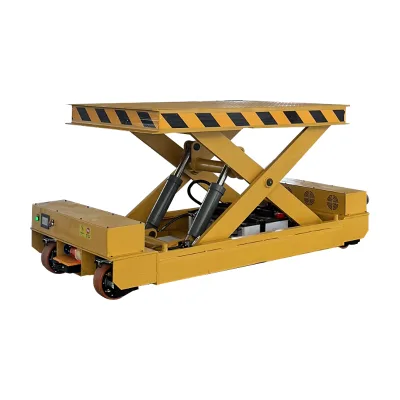
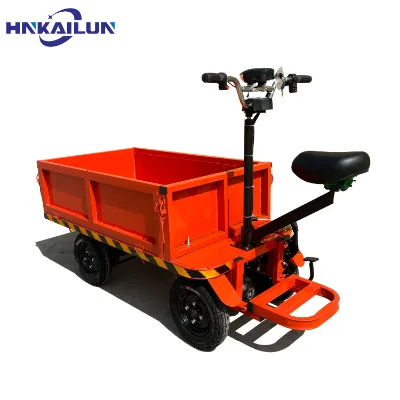
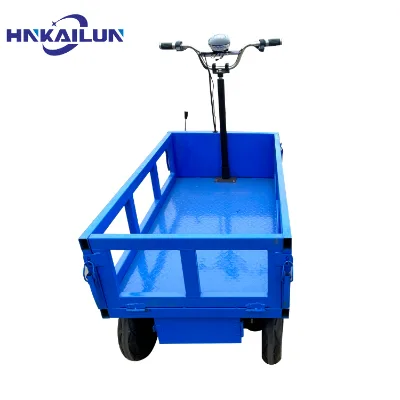
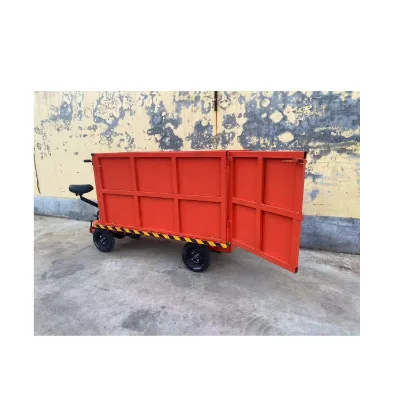
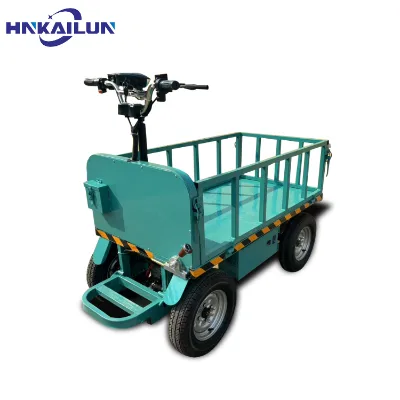
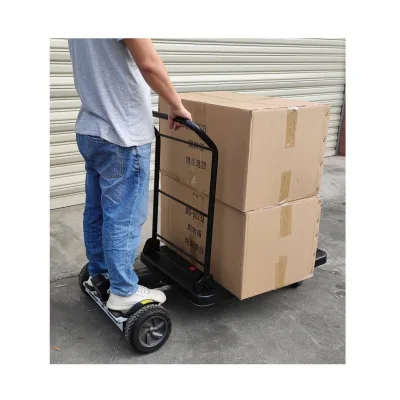
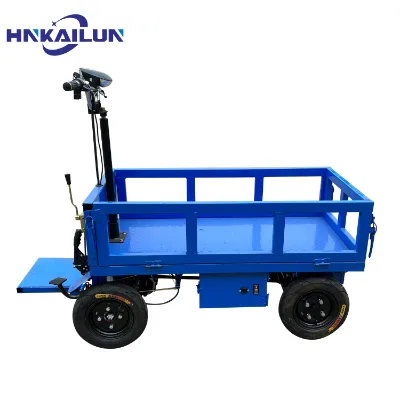

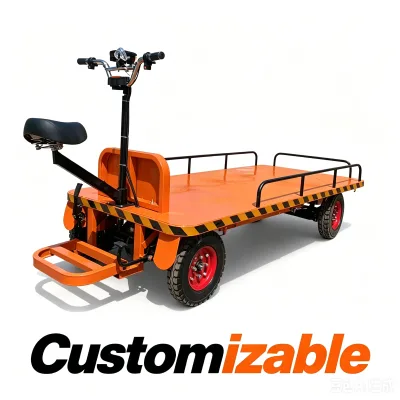
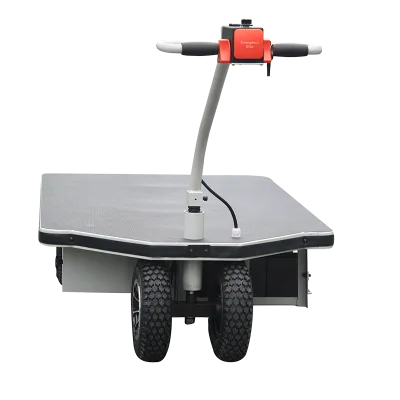
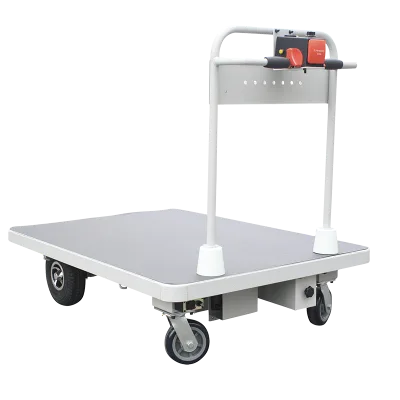

Electric Flatbed Rail Trolley for Metal Industry Electric Flat Cart
$3500.00 - $29999.00
MOQ: 1 Pieces


Low-Noise Electric Flatbed Trolley for Industrial Material Transport
$2500.00 - $19999.00
MOQ: 1 Pieces

Industrial Transfer Trolley China Factory Electric Flatbed Transfer Cart
$1800.00 - $12000.00
MOQ: 1 Pieces


China Supply Transfer Cart 250ton Heavy Duty Electric Flat Bed Trolley
$3000.00 - $3500.00
MOQ: 1 Pieces


Comprehensive Sourcing Guide
Strategic Sourcing Guide for Industrial Electric Flatbed Trolleys
Understanding the Technical Landscape of Electric Flatbed Transporters
The Industrial Electric Flatbed Trolley represents a critical asset in modern logistics, designed to bridge the gap between manual handling and automated guided vehicle systems. When sourcing these units, buyers must first distinguish between the diverse technical configurations observed in the market. The core functionality revolves around a powered platform capable of transporting heavy loads over short to medium distances within facilities such as construction sites, warehouses, and industrial plants.
A primary observation in the current market is the variation in power sources and structural integrity. Most units rely on electric power sources, typically utilizing high-torque motors to ensure smooth acceleration and deceleration under load. The structural composition is predominantly steel, chosen for its durability and resistance to industrial wear. However, specific applications may require stainless steel variants to meet hygiene or corrosion resistance standards. The platform structure itself is often customizable, with dimensions ranging from compact 1000x350 mm frames to larger configurations capable of supporting significant payloads.
The propulsion systems vary significantly in terms of speed and maneuverability. Some models operate at a top speed of 25 km/h, which is suitable for large, open industrial floors, while others may have adjustable turning angles between 40-60 degrees to navigate tighter corridors. The wheel configuration is another critical technical differentiator; four-wheel setups are standard for stability, with wheel diameters often cited around 35 cm to handle uneven surfaces. Buyers should note that while some listings specify a wheelbase of 2500 mm, others offer customizable wheelbases to suit specific chassis requirements. The lifting and lowering speeds are frequently customizable, allowing operators to adjust the trolley's height to match loading dock levels or specific machinery interfaces.
Compliance, Certification, and Safety Verification
Navigating the compliance landscape for industrial electric vehicles requires a rigorous verification process, as the market contains a mix of certified and non-certified products. While certain background data suggests the existence of CE certification, this should not be assumed as a universal standard for all listed products. Buyers must explicitly request current certification documents from the supplier to ensure the equipment meets the safety regulations of the destination country. The absence of a specific certification claim in a product listing does not imply non-compliance, but it does necessitate a direct inquiry to the manufacturer.
Safety features are often integrated into the design to mitigate operational risks. The "New" condition of the equipment is a baseline expectation, ensuring that the machinery has not suffered from prior wear that could compromise safety systems. Essential safety components include reliable braking systems and battery management systems that prevent overcharging. The voltage requirements for these units vary, with some models supporting 220V electrical equipment and others operating on 110V systems. This variability underscores the need for buyers to verify the electrical infrastructure of their facility before placing an order.
Furthermore, the provision of machinery test reports is a strong indicator of a supplier's commitment to quality. Some listings explicitly state that test reports are provided, which serves as a third-party validation of the trolley's performance under load. Buyers should prioritize suppliers who can furnish these reports, as they offer concrete evidence of the vehicle's stability, braking distance, and battery endurance. The warranty period, often cited as two years in the market, is another critical compliance metric, reflecting the manufacturer's confidence in the product's longevity and adherence to quality standards.
Cost Drivers and Pricing Dynamics
The pricing of industrial electric flatbed trolleys is influenced by a complex array of factors, resulting in a wide observed range from approximately $102 to $29,999. This disparity is not merely a reflection of brand prestige but is driven by specific technical specifications and customization levels. The primary cost driver is the load capacity. Units capable of handling 1 ton (1000 kg) to 2 tons (2000 kg) or even higher capacities, such as the 4000 kg models observed, command a premium due to the reinforced steel frames and more powerful motors required.
Motor power is another significant determinant of cost. A standard 800W motor is common for lighter duty applications, whereas heavy-duty models require higher wattage to maintain performance under maximum load. The battery system also plays a crucial role in pricing. The capacity of the battery, such as a 20AH 48V unit, directly impacts the operational range and the initial purchase price. Larger batteries with higher energy density increase the cost but offer extended shift times without recharging.
Customization is perhaps the most volatile cost factor. Options such as custom colors, specialized platform sizes, and unique structural demands can significantly alter the final price. For instance, a standard yellow platform truck may be priced at the lower end of the spectrum, while a bespoke stainless steel unit with a custom frame size and specialized lifting mechanisms will approach the higher price brackets. The single package size and gross weight also influence shipping costs, which are often factored into the total landed cost. Buyers should be aware that the "Selling Units" are typically single items, meaning the quoted price is for one complete unit, and bulk discounts may apply based on the Minimum Order Quantity (MOQ), which ranges from 1 to 20 units.
Typical Applications and Operational Scenarios
Industrial electric flatbed trolleys are versatile tools designed for a broad spectrum of applications, primarily within the construction and general industrial sectors. Their ability to transport heavy materials makes them indispensable in environments where manual handling is inefficient or hazardous. In construction works, these trolleys are used to move steel beams, concrete blocks, and construction tools across uneven terrain, leveraging their robust steel construction and high ground clearance.
In warehouse and storage environments, the trolleys serve as mobile shelving units or transport carts. The "Platform Trucks" and "Metal Shelf Carts" categories highlight their dual utility in both moving goods and providing temporary storage solutions. The rotating seat feature, which allows for 360-degree rotation and back-riding, is particularly beneficial in scenarios where the operator needs to face the load or navigate in reverse, enhancing visibility and safety. This feature is especially valuable in tight aisles or when loading/unloading from specific angles.
The versatility extends to specialized industrial uses, such as tool transport and general material handling. The adjustable turning angle and high ground clearance allow these trolleys to traverse various floor conditions, from smooth concrete to slightly rough industrial surfaces. The "Other" category in applicable industries suggests that these units can be adapted for niche applications, such as agricultural support or event logistics, provided the load capacity and dimensions are suitable. The ability to customize the platform size ensures that the trolley can be tailored to fit specific cargo, whether it is a standard pallet or an irregularly shaped industrial component.
Supplier Evaluation and Procurement Strategy
Evaluating suppliers for industrial electric flatbed trolleys requires a multi-faceted approach that goes beyond price comparison. Buyers should prioritize suppliers who demonstrate transparency in their product attributes and are willing to provide detailed technical documentation. The location of the manufacturer, often cited as Shandong or Henan in China, can influence lead times and shipping logistics, but it should not be the sole deciding factor. Instead, focus on the supplier's ability to meet specific customization requests and their track record in providing after-warranty service.
The "Online" after-warranty service model indicates that suppliers offer remote support, which can be a cost-effective solution for troubleshooting. However, buyers should verify the scope of this support, including response times and the availability of spare parts. The warranty period, typically two years, is a key metric for supplier confidence. A supplier offering a longer warranty or a more comprehensive warranty package is likely to have higher quality control standards.
When assessing suppliers, buyers should also consider the Minimum Order Quantity (MOQ). The observed range of 1 to 20 units suggests flexibility, but buyers must confirm if the MOQ affects the unit price or customization options. Suppliers who offer a low MOQ for customized units may be more suitable for pilot projects or small-scale operations. Additionally, the availability of machinery test reports and the willingness to share them are strong indicators of a supplier's reliability. A supplier that proactively provides these documents demonstrates a commitment to quality and transparency.
Quality Control and Long-Term Procurement Considerations
Ensuring the long-term reliability of industrial electric flatbed trolleys requires a proactive approach to quality control. Buyers should implement a rigorous inspection process upon delivery, verifying that the physical attributes match the specifications provided. This includes checking the weight, dimensions, and structural integrity of the steel frame. The single gross weight and package size should be cross-referenced with the shipping documents to ensure no discrepancies exist.
For long-term procurement, the focus should shift to the total cost of ownership (TCO). This includes not only the initial purchase price but also maintenance costs, energy consumption, and the availability of replacement parts. The core components, such as the motor, are critical to the trolley's performance and longevity. Buyers should inquire about the warranty coverage for these core components and the supplier's policy on part replacements. The ability to customize the trolley for specific demands, such as special color or size requirements, can also impact long-term usability and resale value.
Furthermore, the adaptability of the trolley to future needs is a crucial consideration. As operational requirements evolve, the ability to upgrade the battery, motor, or platform size can extend the useful life of the equipment. Buyers should select suppliers who offer modular designs or upgrade paths, ensuring that the investment remains relevant as the business grows. The "New" condition of the product is a starting point, but the long-term performance will depend on the quality of the materials and the robustness of the design. By prioritizing suppliers who demonstrate a commitment to quality and support, buyers can secure a reliable fleet of electric flatbed trolleys that will serve their operational needs for years to come.
Comparative Analysis of Key Specifications
To assist buyers in making informed decisions, the following table summarizes the key technical specifications observed in the market. This comparison highlights the variability in load capacity, dimensions, and power systems, which are critical factors in selecting the right trolley for specific applications.
| Specification | Standard Observation | Customizable Options | Typical Application |
|---|---|---|---|
| Load Capacity | 1000 kg, 2000 kg | Up to 4000 kg | Heavy industrial, Construction |
| Platform Size | 1000x350 mm | Custom (e.g., 2000x1200 mm) | Variable cargo, Storage |
| Motor Power | 800W | Variable | General transport, High torque |
| Top Speed | 25 km/h | Adjustable | Warehouse, Open floor |
| Wheel Configuration | Four-Wheel | Custom Diameter (e.g., 35 cm) | Uneven terrain, Tight aisles |
| Battery Voltage | 48V | 110V, 220V | Facility specific power |
| Material | Steel | Stainless Steel | Hygiene, Corrosion resistance |
| Warranty | 2 Years | Extended options | Long-term reliability |
This table serves as a reference point for buyers to identify the specific requirements of their operation and to communicate effectively with potential suppliers. By understanding these variations, buyers can avoid mismatches between their operational needs and the capabilities of the equipment they procure.
FAQs
What is the maximum load capacity for these trolleys?
The maximum load capacity ranges from 1000 kg to 4000 kg depending on the specific model configuration. Some units are designed for 1 ton or 2 tons, while heavy-duty variants can support up to 4000 kg with customizable specifications.
How fast can these electric trolleys travel?
The top speed for these units is typically 25 km per hour. This speed is suitable for large industrial floors and allows for efficient material transport across construction sites and warehouses without compromising safety.
Can the platform size be customized for specific needs?
Yes, the platform size and frame dimensions are fully customizable to meet special demands. Buyers can request specific table sizes or frame dimensions like 1000 by 350 mm to fit their unique cargo requirements.
What is the warranty period for the machinery?
The standard warranty period provided is two years for the equipment. This coverage ensures reliability and reflects the manufacturer's confidence in the durability of the steel construction and core motor components.
Which power source and voltage options are available?
These trolleys use an electric power source with voltage options including 220V and 110V. They are equipped with motors such as an 800W unit and batteries like a 20AH 48V charger for consistent operation.
What is the minimum order quantity for these units?
The minimum order quantity ranges from 1 to 20 units depending on the supplier and customization level. This flexibility allows buyers to order single items or larger batches for industrial deployment.
Are machinery test reports provided with the products?
Yes, machinery test reports are provided for certain listings to validate performance. These documents serve as third-party evidence of the trolley's stability and load capacity under operational conditions.