Source Industrial Electric Vibrators for Concrete, Road, and Mining
Compare 30 Industrial Electric Vibrators from verified Chinese suppliers. Buyers can review specifications including vibration frequency, power ratings, and certifications like CE and ISO 9001 to find suitable units for concrete consolidation and road construction.
Key considerations
Products List


Concrete Vibrating Internal Electric Concrete Vibrator Mechanical Vibrator
$52.00 - $55.00
MOQ: 10 Pieces


High-Frequency Internal Concrete Vibrator Quick Simple Flexible Independent Operation
$460.00 - $463.00
MOQ: 10 Pieces


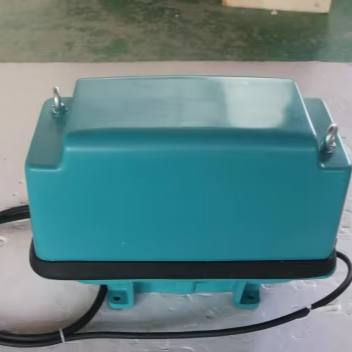

Comprehensive Sourcing Guide
Strategic Sourcing Guide for Industrial Electric Vibrators
Understanding Core Technical Specifications
When evaluating Industrial Electric Vibrators, buyers must first distinguish between the specific operational mechanisms and performance metrics that define the product category. The market presents a diverse array of units, ranging from handheld electric motors to heavy-duty concrete vibrators. A critical observation in current listings is the variation in ignition modes; while some units operate on a standard ignition system, others are explicitly categorized as electric motor-driven devices. This distinction is paramount for procurement teams, as it dictates the power source requirements and the compatibility with existing site infrastructure.
The power specifications for these units exhibit significant variance depending on the intended application. Data indicates models with power ratings such as 2.0 HP utilizing Zinc-Carbon (Zn-C) configurations, alongside others rated at 1600W. The voltage requirements also differ, with specific units designed for 220V to 240V at 50Hz frequencies. For applications requiring high-speed rotation, specifications show rated speeds reaching 18,000 revolutions per minute. The vibration frequency is another critical parameter, with observed ranges typically falling between 183Hz and 200Hz, while other industrial variants may operate at standard 50Hz frequencies.
Physical dimensions and output characteristics are equally vital for matching the tool to the job. The bar diameter is a frequent point of customization, with available options spanning from 28mm up to 70mm, including specific sizes like 32mm, 38mm, 45mm, 50mm, and 60mm. The amplitude of vibration, which determines the intensity of the force applied, is observed at values such as 0.9mm and 0.77mm. Buyers should note that while some listings specify a fixed amplitude, others indicate that speed and amplitude can be customized to meet specific project needs. The weight of the unit is also a factor in operator fatigue and transport logistics, with observed weights ranging from 6.5kg for lighter handheld models to 18kg for more robust industrial units.
Compliance and Certification Verification
Navigating the regulatory landscape is a non-negotiable aspect of sourcing Industrial Electric Vibrators. The supply chain for these components is heavily influenced by certification standards that validate safety and quality. A recurring certification observed in the market is the CE mark, which indicates conformity with health, safety, and environmental protection standards for products sold within the European Economic Area. Furthermore, ISO 9001 certification appears frequently, serving as a benchmark for quality management systems. Some listings explicitly pair the CE mark with ISO 9001, suggesting a dual commitment to product safety and manufacturing consistency.
Beyond the CE and ISO standards, regional compliance requirements can dictate the final selection of a supplier. For instance, specific markets may require SONCAP certification, which is essential for trade into certain African regions. Additionally, environmental and emissions standards such as EPA compliance are noted for specific engine types, ensuring that the equipment meets regulatory limits for pollutants. It is crucial for buyers to verify that the certification documents provided by the supplier are current and applicable to the specific model number being purchased. For example, a model designated as ZPN35-A or ZH50GV may have different certification profiles than a generic electric vibrator unit.
Buyers must also scrutinize the "Standard" attribute listed in product specifications. While some units are listed as meeting CE standards, others reference GB (Guobiao) standards, which are Chinese national standards. When sourcing for international projects, relying solely on a GB standard without corresponding international certifications like CE or ISO may lead to compliance gaps. The presence of a "Customized" standard designation in some listings suggests that the manufacturer can tailor the product to meet specific client requirements, but this requires a rigorous review of the custom specifications to ensure they align with the destination country's regulations.
Cost Drivers and Pricing Dynamics
The pricing structure for Industrial Electric Vibrators is influenced by a complex interplay of technical specifications, material costs, and customization levels. The observed price range in the market spans from $1 to $520 USD, a wide variance that reflects the difference between basic components and fully assembled, high-performance units. Several key factors drive these costs. First, the power rating is a primary determinant; units with higher wattage or horsepower, such as those rated at 2.0 HP or 1600W, generally command higher prices than lower-power alternatives.
Second, the complexity of the manufacturing process significantly impacts the final cost. Listings indicate various machining processes, including welded molding, vacuum processing, and sand casting. Units produced via sand casting, which involves the use of diatomite powder for coating and semi-permanent casting forms, may incur different material and labor costs compared to those utilizing vacuum processes. The machining tolerance, observed at +/-0.10mm, also suggests a level of precision that can affect production time and cost.
Customization is another major cost driver. The availability of customized speed, standard lengths (4, 5, or 6 meters), and bar diameters allows buyers to tailor the product but often comes with a premium. The Minimum Order Quantity (MOQ) also plays a role in unit economics, with observed ranges from 1 to 100 units. Buyers purchasing at the lower end of the MOQ spectrum may face higher per-unit costs, whereas bulk orders can leverage economies of scale. Additionally, packaging requirements, ranging from standard cartons to wooden cases and export cartons, add to the overall landed cost.
Typical Applications and Operational Context
Industrial Electric Vibrators serve a critical function in construction and manufacturing, primarily focused on the consolidation of materials. The most common application is in concrete work, where these devices are used to remove air bubbles and ensure a dense, uniform structure. The distinction between "Electric Motor" and "Concrete Vibrator" in product listings highlights the versatility of these tools; some are designed specifically for the high-intensity demands of concrete pouring, while others may serve lighter industrial maintenance or assembly tasks.
The specific application dictates the required technical parameters. For deep concrete pours, the length of the probe or bar, with standard lengths of 4, 5, or 6 meters, becomes a deciding factor. The amplitude and frequency must be sufficient to penetrate the concrete mix effectively without causing segregation. In contrast, applications requiring precision or handling of smaller components may utilize units with lower amplitudes, such as 0.77mm, and lower power ratings. The coupling type, which can be Chinese, Japanese, or Malaysian, also influences the application, as different regions may prefer specific coupling standards for compatibility with existing machinery.
Furthermore, the condition of the equipment is a key consideration for operational readiness. Most listings specify that the units are "New," which is standard for industrial procurement to ensure reliability and minimize downtime. However, the intended usage environment must be matched to the product's durability. Units with sand casting methods and specific coatings may be better suited for harsh environments, while those with vacuum processes might be optimized for precision applications. Understanding the specific workflow and material being processed is essential to selecting the correct model, such as the Zpo160 or ZX ZPN series, which are tailored for distinct operational needs.
Supplier Evaluation and Manufacturing Capabilities
Evaluating a supplier for Industrial Electric Vibrators requires a deep dive into their manufacturing capabilities and quality assurance processes. The origin of the products is predominantly China, a hub for this type of industrial equipment. Buyers should verify the supplier's ability to handle the specific machining processes observed in the market, such as welded molding, vacuum processing, and sand casting. The presence of a "Welded Molding Machine" or specific casting methods indicates the supplier's investment in specialized equipment, which often correlates with production consistency.
Quality control is another critical area for evaluation. Suppliers should demonstrate adherence to the standards they claim, such as CE, ISO 9001, and GB. The ability to provide detailed documentation regarding the machining tolerance of +/-0.10mm is a strong indicator of a supplier's precision and attention to detail. Additionally, the customization capabilities, including the ability to produce units in any color or with specific bar diameters, suggest a flexible manufacturing line that can adapt to unique buyer requirements.
Buyers should also assess the supplier's logistical capabilities, including packaging and shipping. The use of export cartons, wooden boxes, or wood cases indicates a commitment to protecting the product during transit, which is vital for heavy machinery. The lead time and order fulfillment processes, while not explicitly detailed in all listings, should be clarified during the negotiation phase. A supplier that offers a wide range of models, from the M405B to the ZH50GV, demonstrates a breadth of inventory and technical expertise that can support diverse project needs.
Quality Control and Long-Term Procurement Strategy
Establishing a robust quality control protocol is essential for ensuring the longevity and performance of Industrial Electric Vibrators. Buyers should implement a verification process that includes checking the physical attributes against the provided specifications, such as verifying the bar diameter, weight, and voltage ratings. The condition of the product, typically listed as "New," should be confirmed upon receipt to ensure no damage occurred during shipping. For units with specific certifications like CE or ISO 9001, buyers should request valid certificates of conformity that match the specific model number and batch.
Long-term procurement considerations involve building a relationship with suppliers who can support the product throughout its lifecycle. This includes the availability of spare parts, maintenance services, and technical support. The customization options available, such as specific engine types (electric) and coupling types, should be documented to ensure future compatibility with other equipment on the site. Buyers should also consider the environmental impact and energy efficiency of the units, particularly those with high power ratings or specific frequency requirements.
Finally, buyers should maintain a clear record of the standards and specifications for each purchase. This documentation serves as a reference for future orders and helps in troubleshooting any performance issues. By focusing on the technical details, certification validity, and supplier capabilities, procurement teams can mitigate risks and ensure a steady supply of high-quality Industrial Electric Vibrators that meet the rigorous demands of modern construction and manufacturing projects. The strategic selection of these tools, based on the observed data and verified standards, will ultimately contribute to the efficiency and safety of industrial operations.
FAQs
What certifications are available for Industrial Electric Vibrators?
Many units carry CE certification, and some listings include ISO 9001 or EPA compliance. Specific models may also meet GB standards or SONCAP requirements for regional trade. Buyers should verify that certificates match the specific model number before purchasing.
Which bar diameters can be customized for these vibrators?
Customization is available for bar diameters ranging from 28mm to 70mm. Specific options include 32mm, 38mm, 45mm, 50mm, and 60mm sizes. This flexibility allows buyers to select the exact dimension required for their specific concrete pouring or industrial application needs.
How is the vibration frequency determined for electric models?
Vibration frequency varies by model, with observed ranges typically between 183Hz and 200Hz. Some industrial variants operate at standard 50Hz frequencies. The specific frequency depends on the engine type and motor configuration selected for the intended application.
What is the price range for Industrial Electric Vibrators?
The observed price range spans from 1 to 520 USD. Costs vary significantly based on power ratings, such as 2.0 HP or 1600W units, and manufacturing processes like sand casting or vacuum processing. Higher specifications and customization levels generally command higher prices.
Can the speed and amplitude be customized for specific projects?
Yes, speed and amplitude are listed as customizable attributes for these products. Buyers can request specific values, such as amplitudes of 0.9mm or 0.77mm, to match project requirements. Customization allows tailoring the tool to distinct operational needs and material densities.
What packaging options are provided for shipping these units?
Packaging options include standard cartons, wooden boxes, and export cartons. Some heavy-duty units are shipped in wood cases to ensure protection during transit. The specific packaging type depends on the model and the supplier's standard logistics practices.
Which engine types are available for these industrial vibrators?
Available engine types include electric motors and units with ignition modes. Specific models feature electric engines rated at 1.6 or 1600W. The choice of engine type dictates the power source requirements and compatibility with existing site infrastructure.