Source Worm Gear Wafer Butterfly Valve for Water and Industrial Use
Find 30 Worm Gear Wafer Butterfly Valve options for water treatment, industrial piping, and general utility applications. Compare specifications including pressure ratings, material compositions, and sealing structures to identify suitable suppliers for your procurement needs; compare the available evidence and request quotations based on your requirements.
Key considerations
Products List




Comprehensive Sourcing Guide
Worm Gear Wafer Butterfly Valve Sourcing Guide
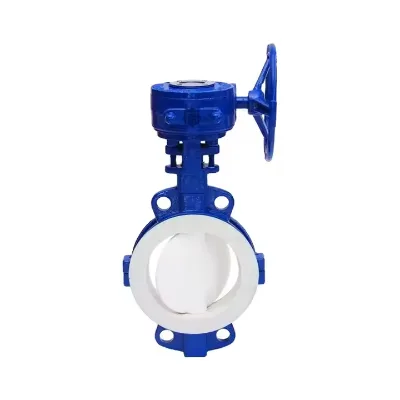
Procuring a Worm Gear Wafer Butterfly Valve requires careful attention to the specific sealing mechanisms and pressure ratings observed in the market. Buyers should verify whether the unit utilizes soft sealing or three-eccentric sealing, as these designs dictate performance in water industrial usage versus general industrial applications. The observed product range includes models with working temperatures spanning from normal conditions up to medium temperatures, necessitating a clear definition of the operating environment before selection.
Commercial listings indicate a wide variance in pressure capabilities, ranging from low-pressure systems under 1.6 MPa to mid-pressure configurations between 2.5 and 6.4 MPa. Sourcing teams must cross-reference the valve body material, such as casting or ductile iron, against the required media compatibility to ensure longevity. Understanding these technical distinctions prevents the selection of a valve that cannot withstand the specific hydraulic loads or thermal conditions of the intended pipeline system.
Product Scope and Observed Listing Signals
Market data reveals that available units often feature a wafer connection form, which is critical for space-constrained installations where flange-to-flange mounting is required. The observed product models, including specific designations like D371 and SDF-1, demonstrate that customization is frequently available to meet unique project specifications. Buyers should note that the driving mode is typically manual, though the presence of a worm gear mechanism implies a specific torque advantage for larger diameter valves.
Inventory levels and sales volumes suggest a robust supply chain, with some suppliers reporting thousands of sets in stock and high annual sales figures. However, the packaging standards vary significantly, ranging from wooden cases to sea-worthy containers, which impacts logistics planning and final delivery costs. Procurement professionals must explicitly confirm the packing requirements to prevent damage during transit, especially when ordering valves with specific size ranges from 2 inches to 48 inches.
Technical Specifications to Verify
Engineers must rigorously validate the working temperature range, as listings show conflicting data points between normal temperatures below 120°C and medium temperatures extending to 450°C. This discrepancy highlights the necessity of confirming the specific thermal rating for the exact model number before finalizing a purchase order. The seal form, whether auto-sealed or force-sealed, directly influences the valve's ability to maintain integrity under fluctuating pressure conditions in water systems.
Pressure ratings are another critical variable, with observed specifications covering a broad spectrum from 125lb to 900lb classes. Verification of the stem material, such as 2Cr13 or stainless steel variants, is essential to prevent corrosion in aggressive media environments. Additionally, the top flange angle, often observed at 90° or 45°, must align with the actuator or handle installation requirements to ensure proper mechanical operation and accessibility during maintenance cycles.
Compliance and Safety Documentation
Certification requirements for industrial valves are stringent, with observed listings frequently citing DNV, LR, ABS, and CE marks as evidence of compliance. Buyers should request valid certificates for these specific organizations to ensure the valve meets international maritime and industrial safety standards. The presence of ISO certifications, including ISO 9001 and ISO 14001, further indicates a supplier's commitment to quality management and environmental responsibility in their manufacturing processes.
Testing and inspection protocols are equally vital, with API 598 and ASME B16.34 cited as standard reference points for pressure testing and design. Procurement teams must verify that the supplier conducts inspections according to these rigorous standards rather than relying on internal, non-standardized checks. Documentation should explicitly state the test results for the specific batch being supplied, ensuring that the valve has been validated for its rated pressure and leakage performance before shipment.
Cost Drivers and Commercial Terms
Pricing in this sector is highly variable, with observed ranges spanning from $1 to $5000 depending on size, material, and certification complexity. The cost is heavily influenced by the valve body material, such as the choice between cast iron and stainless steel alloys, and the complexity of the sealing mechanism employed. Buyers should anticipate that larger diameters and higher pressure ratings will significantly increase the unit price, requiring a detailed budget analysis for large-scale projects.
Minimum Order Quantities (MOQ) and lead times are also key commercial factors, with observed MOQs ranging from single units to 100 units. While some suppliers offer flexible terms, others may enforce stricter batch requirements that impact inventory management and cash flow. It is crucial to negotiate clear terms regarding the warranty period, which is typically observed as one year, and to clarify who bears the cost for any necessary repairs or replacements during the warranty duration.
Supplier Qualification and Quality Control
Supplier origin is a significant factor in procurement strategy, with major manufacturing hubs identified in Shandong and Shanghai, China. Buyers should assess the supplier's production capacity and quality control infrastructure, as these facilities are responsible for adhering to standards like API, ANSI, ASME, and DIN. Verifying the supplier's ability to provide traceable materials and consistent manufacturing processes is essential for maintaining the reliability of the installed valve systems.
Quality control extends beyond the factory floor to include rigorous inspection of the final product against the agreed specifications. Suppliers should demonstrate a robust process for checking the disc, seat, and body dimensions to ensure they meet the required tolerances. Buyers must insist on pre-shipment inspections that verify the valve's operation, including the smoothness of the worm gear drive and the integrity of the sealing surfaces under simulated operating conditions.
Long-Term Procurement Checks
Sustainable procurement requires establishing a framework for ongoing performance monitoring and supplier relationship management. Buyers should implement a system to track valve performance in the field, noting any deviations in sealing or operational smoothness that might indicate a quality issue. Regular audits of the supplier's quality management system ensure that they continue to meet the required standards and maintain the high levels of service expected in industrial applications.
Future-proofing the supply chain involves maintaining open communication channels with suppliers to stay informed about material availability and standard updates. As industry standards evolve, such as updates to API or ISO norms, suppliers must be prepared to adapt their manufacturing processes accordingly. Establishing a long-term partnership with a qualified supplier ensures a steady supply of compatible replacement parts and technical support, reducing downtime and operational risks over the lifecycle of the project.
FAQs
What certifications are available for worm gear wafer butterfly valves?
Certifications such as Dnv, Lr, ABS, CE, and ISO are available for these valves. These credentials ensure compliance with international standards for industrial and water applications. Buyers can verify specific documentation to meet regulatory requirements in their target markets. Always confirm the exact certificate list with the supplier before finalizing orders.
Can worm gear wafer butterfly valves handle high pressure?
These valves are designed for mid-pressure applications ranging from 2.5 to 6.4 MPa. Some models support pressure ratings from 125lb to 900lb. They are suitable for industrial water systems operating within normal temperature ranges. Ensure the selected model matches your specific system pressure requirements for safe operation.
What materials are used for the valve body and disc?
Valve bodies are typically made from ductile iron or casting materials. The disc is often constructed from stainless steel for durability. Seats may use EPDM for effective sealing. These material combinations provide robust performance in water industrial usage and general industrial applications. Verify material grades with the manufacturer for specific corrosion resistance needs.
What is the typical working temperature range for these valves?
The standard working temperature range is between -40°C and 120°C. Some variants support medium temperatures up to 450°C. This range covers most normal industrial and water usage scenarios. Always check the specific model specifications to ensure compatibility with your process fluid temperatures and environmental conditions.
How are worm gear wafer butterfly valves packaged for shipping?
Packaging options include wooden cases, plywood cases, or sea-worthy packaging. Custom packing can be arranged per client requirements. This ensures safe transport and protection during logistics. Buyers should specify their preferred packaging method during the inquiry process to avoid damage and meet import regulations.
What sizes are available for wafer butterfly valves?
Available sizes range from 2 inches to 48 inches. This wide range supports various pipe diameters in industrial applications. The wafer connection form allows for easy installation between flanges. Select the appropriate size based on your pipeline specifications to ensure proper flow control and sealing performance.
Are customization options available for these butterfly valves?
Yes, customization is available for various product attributes. Buyers can request specific materials, seals, or connection forms. Custom designs can accommodate unique industrial usage requirements. Contact the supplier with detailed specifications to explore available customization options and ensure the valve meets your exact operational needs.