Source Industrial Furniture Gas Springs for Beds, Sofas, and Cabinets
Find 30 Industrial Furniture Gas Spring options for beds, sofas, and cabinets. Compare models like SYF-008 and SYC-021, featuring cold-rolled steel construction, chrome-plated finishes, and ISO9001 certification for reliable compression and buffer functions in various applications.
Key considerations
Products List


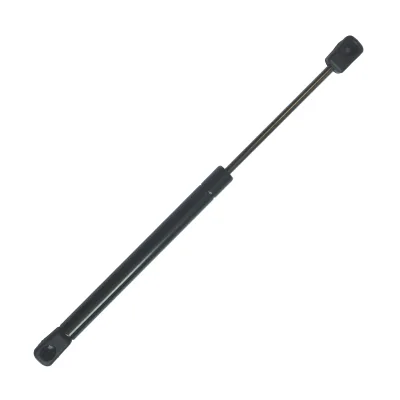
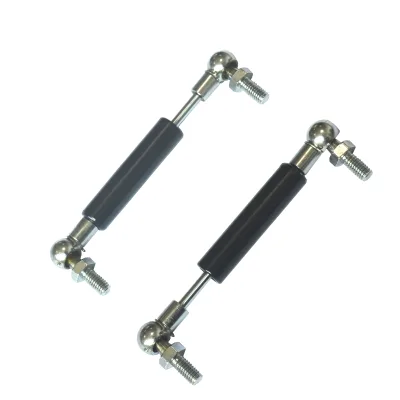
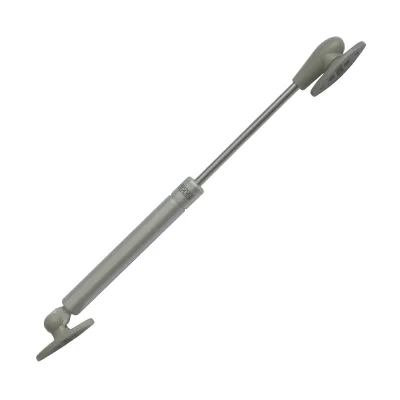


Comprehensive Sourcing Guide
Industrial Furniture Gas Spring Sourcing Guide
Selecting the right Industrial Furniture Gas Spring requires a careful balance of mechanical performance, material durability, and commercial viability. These components are critical for ensuring smooth operation in seating, storage, and display applications, where reliability under repeated use is non-negotiable. Buyers must navigate a market characterized by significant variation in customization capabilities, material grades, and finishing processes. The following guide provides a structured approach to evaluating suppliers and products, ensuring that procurement decisions are grounded in verified technical data and realistic commercial terms.
The sourcing landscape for gas springs is diverse, with manufacturers offering everything from standard off-the-shelf units to fully customized solutions. Key differentiators include the type of piston rod finish, the specific gas filling, and the available mounting fittings. Understanding these variables is essential for matching the component to the intended application, whether it involves heavy-duty industrial machinery or delicate home furniture. This guide outlines the critical steps for verifying specifications, assessing compliance, and negotiating terms that protect your supply chain integrity.
Product Scope and Observed Listing Signals
The observed market for industrial furniture gas springs reveals a wide price range, typically spanning from $0.09 to $200 per unit, reflecting the disparity between basic components and specialized, high-load units. Minimum Order Quantities (MOQs) vary significantly, ranging from single pieces for sampling up to 5,000 units for bulk production runs. This variability allows buyers to test prototypes with low initial investment while scaling up efficiently. However, the wide price spread necessitates a thorough comparison of included features, such as piston rod material and surface treatment, to ensure that lower prices do not compromise structural integrity or service life.
Product listings frequently highlight customization options, with many suppliers offering OEM services and tailored specifications. Common models identified in the market include SYF-008, SYC-021, SYT-016, and SYB-011, each associated with specific standard sizes like 8/18, 10/22, or 6/15. These designations often refer to the rod diameter and tube diameter, which are critical for fitting into existing furniture mechanisms. Buyers should verify that the listed models align with their dimensional requirements, as mismatched standards can lead to installation failures or reduced performance in dynamic applications.
Technical Specifications to Verify
Material selection is a primary determinant of gas spring longevity and performance. Cold-rolled steel is a common base material, but the piston rod itself often requires higher-grade materials such as 45# steel or seamless steel pipe to withstand compressive loads and torsional stress. The surface finish is equally important; chrome plating is frequently observed as a standard treatment to enhance corrosion resistance and reduce friction, while galvanized options are also available. Buyers must confirm the specific material grade and plating thickness, as these factors directly influence the component’s resistance to wear and environmental degradation.
Operating parameters and functional characteristics must be rigorously checked against application demands. Many industrial gas springs are designed to operate within a temperature range of -30°C to 80°C and are filled with nitrogen gas to ensure consistent performance and prevent internal corrosion. The service life is a critical metric, with reputable suppliers claiming a minimum of 150,000 cycles, extendable to 300,000 times under optimal conditions. Additionally, the installation method should allow for flexibility, with options for mounting at any angle, and the fitting system should support various connectors such as ball joints, metal eyes, or clevises to accommodate diverse furniture designs.
Compliance and Safety Documentation
Certification status serves as a baseline indicator of a supplier’s manufacturing discipline and quality management systems. Many observed products carry ISO9001 certification, indicating adherence to international standards for quality management. Furthermore, RoHS compliance is frequently cited, ensuring that the materials used do not contain restricted hazardous substances, which is crucial for exports to markets with strict environmental regulations. Buyers should request valid certification documents and verify their authenticity, as these credentials provide assurance that the supplier maintains consistent production standards and traceability.
Safety and performance documentation should extend beyond basic certifications to include detailed technical datasheets. These documents should specify the load capacity, stroke length, and force characteristics of the gas spring. For applications involving compression, restoration, drive, or buffer functions, the datasheet must confirm that the selected model meets the required force curves. Buyers should also inquire about testing protocols, particularly regarding the sealing integrity and the ability to withstand the specified number of cycles without leakage or force degradation, ensuring that the product meets the rigorous demands of industrial use.
Cost Drivers and Commercial Terms
Pricing for industrial gas springs is influenced by several key factors, including material costs, surface treatment complexity, and order volume. The availability of free samples, often limited to two pieces, allows buyers to evaluate quality before committing to larger orders. However, buyers should be aware that sample availability does not necessarily reflect the quality of mass production. It is essential to clarify whether the sample price is indicative of the bulk price or if there are significant economies of scale that reduce the unit cost for larger MOQs.
Commercial terms such as delivery time and packaging methods also impact the total cost of ownership. Standard delivery times are often cited as 3-5 working days after payment receipt, which is advantageous for just-in-time inventory management. Packaging varies from individual poly bags or nylon bags to carton and pallet configurations, depending on the order size. Buyers should verify that the packaging protects the chrome-plated surfaces from damage during transit and that the neutral packaging option is available if branding is not required, ensuring that the product arrives in pristine condition.
Supplier Qualification and Quality Control
Supplier qualification should begin with an assessment of their manufacturing capabilities and origin. Many suppliers are located in industrial hubs such as Changzhou, Jiangsu, or Hebei Province in China, regions known for their expertise in metal processing and pneumatic component manufacturing. Buyers should verify the supplier’s production process, particularly the cold-rolling technique used for steel fabrication, as this affects the material’s strength and consistency. Understanding the supplier’s capacity for customization, including the ability to adjust center distances and standard sizes, is crucial for projects requiring unique specifications.
Quality control measures must be robust to ensure consistent performance across batches. Suppliers should provide clear information on their inspection processes, including checks for dimensional accuracy, surface finish quality, and functional testing. The availability of OEM services suggests that the supplier can adapt to specific design requirements, but buyers must ensure that these customizations do not compromise the structural integrity of the component. Requesting references or case studies from previous clients can provide additional insight into the supplier’s reliability and their ability to meet long-term procurement needs.
Long-Term Procurement Checks
Establishing a long-term partnership with a gas spring supplier requires ongoing monitoring of product performance and supplier responsiveness. Buyers should implement a feedback loop to track the performance of gas springs in the field, particularly regarding issues such as leakage, force degradation, or surface corrosion. Regular audits of the supplier’s quality management system can help identify potential risks early, ensuring that any deviations from agreed-upon standards are addressed promptly. This proactive approach helps maintain the reliability of the final product and protects the brand’s reputation.
Flexibility in supply chain management is also critical for long-term success. Buyers should assess the supplier’s ability to handle fluctuations in demand, including their capacity to expedite orders during peak seasons. The availability of customizable packaging and the ability to provide detailed documentation for each batch are valuable features that facilitate smooth integration into the buyer’s logistics network. By maintaining open communication and setting clear expectations for quality and delivery, buyers can build a resilient supply chain that supports their growth and operational efficiency.
FAQs
What certifications do the industrial furniture gas springs have?
The products pass ISO9001 and RoHS certifications. Some models also carry specific ISO9001 certification. These standards ensure quality and environmental compliance for industrial and furniture applications.
Can I get free samples of the gas springs?
Yes, free samples are available with quantities of 2 pieces or 1 piece depending on the specific model. This allows buyers to verify quality before placing larger orders for furniture or industrial use.
What is the delivery time for these pneumatic cylinders?
Delivery takes 3 to 5 working days after payment is received. This fast lead time applies to the standard models available from the Chinese manufacturing sources for immediate industrial needs.
Which materials are used for the piston rods?
The piston rods are made from 45# Steel or seamless steel pipe. They feature a chrome or galvanized finish to ensure durability and resistance against corrosion in various operating environments.
How is the product packed for shipment?
Packing options include cartons with pallets, nylon bags, or poly bags with carton cases. Neutral packaging or customization is available to meet specific logistics requirements for furniture and industrial components.
What is the service life of the gas springs?
The service life is at least 150,000 cycles and can reach up to 300,000 times. This longevity makes them suitable for heavy-duty applications in chairs, beds, and industrial machinery.
Can the specifications be customized for my needs?
Yes, specifications such as size and center distance can be customized according to customer requirements. OEM services are available to tailor the gas springs for specific furniture or industrial projects.