Source Industrial Grade Alumina Powder for Ceramics, Refractories, and Polishing
Find 30 listings for Industrial Grade Alumina Powder with Al2O3 purity ranging from 99.5% to 99.99%. Compare specifications like particle size and true density from suppliers in China to find suitable materials for ceramics, refractories, and polishing applications.
Key considerations
Products List




Comprehensive Sourcing Guide
Industrial Grade Alumina Powder Sourcing Guide
Procuring Industrial Grade Alumina Powder requires a disciplined approach to verifying material purity and physical consistency, as these factors directly influence performance in high-temperature and chemical applications. Buyers must prioritize suppliers who provide transparent data on aluminum oxide content, typically ranging from 99.5% to 99.99%, alongside strict controls on impurities such as sodium oxide. The observed market signals indicate a wide variance in product specifications, necessitating careful alignment between the requested chemical composition and the supplier’s actual manufacturing capabilities.
This guide outlines the critical verification steps for sourcing high-purity alumina, focusing on technical attributes like true density and particle size distribution, which are essential for applications in ceramics, refractories, and abrasives. By understanding the commercial terms, packaging standards, and quality control measures prevalent in the supply chain, procurement teams can mitigate risks associated with inconsistent material performance and ensure that the selected powder meets the rigorous demands of their specific industrial processes.
Product Scope and Observed Listing Signals
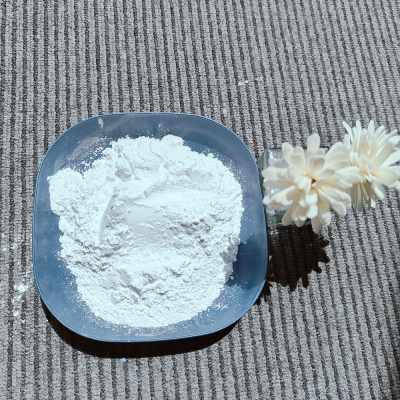
The current market landscape for Industrial Grade Alumina Powder reveals a diverse range of product offerings, with observed listings indicating a broad spectrum of purity levels and physical forms. Suppliers frequently highlight aluminum oxide contents as high as 99.99%, while others specify minimum thresholds of 99.5% or 99.6%, reflecting the varied needs of different end-use industries. The primary material classification is consistently identified as alumina or Al2O3, with the product appearance uniformly described as a white powder, which serves as a basic visual indicator of purity but requires laboratory confirmation for precise quality assurance.
Commercial signals also point to significant flexibility in customization and packaging, with options ranging from small 25kg PP woven bags to large jumbo bags and palletized ton bags. This variability suggests that suppliers are equipped to handle both pilot batches and large-scale industrial orders, with some offering free samples to facilitate initial testing. The observed minimum order quantities vary, with some suppliers requiring as little as 50kg for sampling or small trials, while others set higher thresholds for bulk production, indicating a tiered approach to customer engagement and order fulfillment.
Technical Specifications to Verify
Verification of technical specifications is paramount when sourcing alumina powder, particularly for applications in refractories and ceramic decorations where material integrity is critical. Buyers should request detailed certificates of analysis that confirm the aluminum oxide percentage, ensuring it meets the required grade standard, whether it be 99.7% or higher. Additionally, the sodium oxide content must be strictly monitored, as impurities in this range can affect the melting point and chemical stability of the final product, with observed values as low as 0.02% indicating high-purity grades suitable for sensitive applications.
Physical properties such as true density and particle size distribution are equally important for determining the powder’s suitability for specific manufacturing processes. The true density is typically observed around 3.95g/cm3, which is a key indicator of crystalline structure and purity, while the D50 particle size, often ranging from 2 to 4 microns, influences the flowability and packing density of the material. Buyers must also verify the alpha-alumina content, which can be as high as 96%, as this phase stability is crucial for applications requiring high hardness and wear resistance, such as in abrasive and polishing industries.
Compliance and Safety Documentation
While specific certification statuses are not universally disclosed in all listings, buyers should insist on documentation that confirms adherence to recognized quality management systems, such as ISO 9001, to ensure consistent manufacturing practices. Although some background references to standards like ISO 6344 exist, their direct applicability to alumina powder sourcing may vary, and buyers must clarify which standards are relevant to their specific regulatory environment and end-use requirements. Requesting comprehensive safety data sheets is essential to understand the handling, storage, and disposal protocols for the powder, ensuring workplace safety and environmental compliance.
Procurement teams should also verify the supplier’s ability to provide batch-specific test results that align with the declared specifications, rather than relying solely on generic product data sheets. This practice helps in establishing a traceable quality trail, which is vital for industries with stringent regulatory oversight. Additionally, confirming the origin of the raw materials, often cited as China or Shandong, can provide insights into the supply chain’s stability and the potential for geopolitical or logistical disruptions that might impact long-term supply continuity.
Cost Drivers and Commercial Terms
The pricing structure for Industrial Grade Alumina Powder is influenced by several key factors, including the purity level, particle size distribution, and the volume of the order. Higher purity grades, such as those exceeding 99.9%, typically command a premium due to the more intensive processing required to achieve such low impurity levels. Buyers should expect factory prices to reflect these variations, and it is advisable to negotiate terms that account for volume discounts, especially for large-scale orders that can benefit from economies of scale in production and logistics.
Commercial terms also encompass delivery times and packaging options, which can impact the total cost of ownership. Observed delivery windows range from 15 to 30 days, depending on the order size and customization requirements, with sample times typically shorter at 2 to 5 days. Packaging choices, from standard bags to jumbo bags and pallets, affect handling efficiency and storage requirements, so buyers should align these options with their internal logistics capabilities to minimize additional costs associated with material handling and inventory management.
Supplier Qualification and Quality Control
Evaluating supplier qualifications involves assessing their production capacity and quality control processes to ensure they can consistently meet the specified technical requirements. Suppliers with a monthly capacity of around 2000 metric tons demonstrate the ability to handle substantial order volumes, which is crucial for maintaining a stable supply chain. Buyers should inquire about the supplier’s internal quality control measures, including the frequency of testing and the methods used to verify parameters such as aluminum oxide content, sodium oxide levels, and particle size distribution.
Furthermore, the availability of customization services is a significant indicator of a supplier’s flexibility and commitment to meeting specific customer needs. Suppliers that offer customized standards and packaging options are better positioned to support unique application requirements, such as specific chemical industry products or specialized refractory formulations. Buyers should also consider the supplier’s export experience and global market reach, as this can indicate a higher level of operational maturity and adherence to international trade practices, reducing the risk of logistical or compliance issues.
Long-Term Procurement Checks
Establishing long-term procurement relationships with alumina powder suppliers requires ongoing monitoring of product consistency and supplier performance. Buyers should implement regular audits of incoming materials, comparing batch test results against the agreed-upon specifications to detect any drift in quality over time. This proactive approach helps in identifying potential issues early, allowing for corrective actions before they impact production processes or final product quality, thereby maintaining operational efficiency and customer satisfaction.
Additionally, buyers should maintain open communication channels with suppliers to stay informed about any changes in raw material sources, manufacturing processes, or regulatory requirements that might affect the product. Regular reviews of commercial terms, including pricing and delivery performance, ensure that the procurement strategy remains aligned with market conditions and business objectives. By fostering a collaborative relationship based on transparency and mutual benefit, buyers can secure a reliable supply of high-quality Industrial Grade Alumina Powder that supports their long-term operational goals.
FAQs
What is the minimum order quantity for Industrial Grade Alumina Powder?
The minimum order quantity varies by supplier, with observed values ranging from 50kg to 1000kg. Buyers should verify specific requirements before placing an order, as some vendors offer flexible packaging options like pallets or jumbo bags to accommodate different purchase volumes.
Can I get free samples of Industrial Grade Alumina Powder before buying?
Yes, free samples can be provided by many suppliers to help buyers evaluate product quality. The sample preparation time typically takes between 2 to 5 days, allowing purchasers to test the white powder appearance and chemical composition before committing to a larger bulk order.
How long does it take to receive a bulk order of alumina powder?
Bulk order delivery times generally range from 10 to 30 days depending on the specific request. Some suppliers indicate a standard window of 15 to 25 days for production and shipping, ensuring timely arrival for industrial applications in the chemical or refractory sectors.
What is the typical purity level of Industrial Grade Alumina Powder available?
Industrial Grade Alumina Powder is available with purity levels ranging from 99.5% to 99.99% Al2O3. Specific grades may contain low sodium oxide content, such as 0.02% or 0.06%, ensuring high quality suitable for ceramic decorations, polishing, and abrasive applications in various industries.
Which packaging options are available for shipping Industrial Grade Alumina Powder?
Packaging options include 25kg PP woven bags, 50kg bags, ton bags, and jumbo bags. Suppliers often use pallets for stability during transport, and the specific packing method can be customized to meet the logistical needs of the buyer or the destination market requirements.
Where are the manufacturers of Industrial Grade Alumina Powder located?
Manufacturers are primarily located in Shandong, China, with some operations based in the People's Republic of China. These facilities export globally and possess a monthly capacity of up to 2000 metric tons, ensuring a steady supply for international buyers seeking reliable sources.
Can the specifications of Industrial Grade Alumina Powder be customized?
Yes, product specifications and standards can be customized to meet specific buyer requirements. This flexibility allows for adjustments in particle size, density, and chemical composition, ensuring the final product aligns perfectly with the intended application in refractory or chemical industries.