Source Industrial Grade Aluminum Sulfate for Water Treatment, Paper Sizing, and Textile Mordant
Find 30 verified listings for Industrial Grade Aluminum Sulfate suitable for water treatment, paper sizing, and textile mordant applications. Buyers can compare specifications like purity, form, and packaging options to select the right supplier for their needs.
Key considerations
Products List


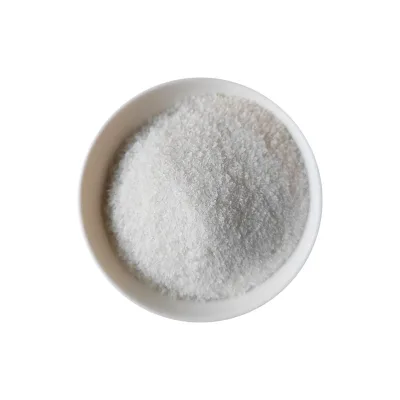
Industrial Grade High Purity Aluminium Ammonium Sulfate for Water Treatment
$318.00 - $338.00
MOQ: 10 Tons


Comprehensive Sourcing Guide
Strategic Sourcing Guide for Industrial Grade Aluminum Sulfate
Procuring Industrial Grade Aluminum Sulfate requires a disciplined approach that balances technical performance with supply chain reliability. This guide synthesizes observed market data and standard industry practices to assist buyers in navigating the complexities of sourcing this critical coagulant. The product, often identified by its chemical formula and varying grades, serves as a fundamental component in water treatment, paper manufacturing, and textile processing. Buyers must distinguish between the various forms and purity levels available in the global market to ensure the selected material aligns with specific operational requirements.
Technical Specifications and Physical Characteristics
The technical profile of aluminum sulfate is defined by its physical state, chemical composition, and solubility. Based on observed market listings, the product appears in multiple physical forms, including white powder, flakes, and granular variants. This variation in appearance is not merely aesthetic but directly impacts handling, storage, and dissolution rates in industrial applications. For instance, the granular form may offer advantages in flowability for automated dosing systems, while the powder form might be preferred for specific mixing processes.
Chemical composition is a primary differentiator. Market observations indicate a wide spectrum of purity and content levels. Some listings specify a content of 16%, while others describe standards ranging from 16% to 17%. Conversely, other product categories within the same search results suggest purity levels as high as 99% or greater, often classified under analytical reagents or primary standards. This discrepancy highlights the necessity for buyers to verify the exact concentration required for their process. A material labeled as "Industrial Grade" typically targets the 16% content range, whereas higher purity grades are reserved for specialized applications.
Solubility is another critical technical attribute. The product is generally described as highly soluble in water, a property essential for its function as a coagulant. The acid-base property is consistently noted as acidic, which influences its compatibility with other chemicals in the treatment process. Buyers should verify the specific mesh size or particle distribution, as observed standards include ranges such as 10-20 mesh and 20-80 mesh, which affect the rate of dissolution and the efficiency of flocculation.
Compliance, Certification, and Grade Standards
Navigating the compliance landscape for aluminum sulfate involves understanding the distinction between industrial grades and higher purity standards. The majority of industrial applications utilize "Industrial Grade" material, which is often produced to meet specific regional or industry standards rather than universal pharmaceutical or analytical benchmarks. However, the presence of ISO certification in supplier listings indicates a commitment to quality management systems, which can be a significant factor in supplier selection.
When evaluating compliance, buyers must look beyond generic claims. The observed data includes references to "Industrial Grade Aluminium Sulphate" and specific product models like AS01, AS, and JF-AS. These model numbers often correlate with specific internal quality controls or standard operating procedures of the manufacturer. It is crucial to verify if the supplier holds valid ISO certification and whether the product meets the specific environmental protection requirements of the buyer's jurisdiction. The observation that the product is an "Environmental Protection" compliant agent suggests it meets certain regulatory thresholds, but buyers should request specific documentation to confirm adherence to local environmental laws regarding heavy metals, such as iron content.
The classification of the product also matters. While most industrial listings focus on "Industrial Grade," some entries mention "Primary Standards" and "Analytical Reagents." These are distinct categories with rigorous purity requirements that may be unnecessary and cost-prohibitive for bulk industrial water treatment. Buyers should explicitly confirm that the ordered material matches the intended grade, ensuring that a 99% purity analytical grade is not ordered for a bulk water treatment application, or conversely, that an industrial grade is not mistakenly used in a process requiring high-purity reagents.
Cost Drivers and Pricing Dynamics
The pricing of Industrial Grade Aluminum Sulfate is influenced by several factors, including purity, packaging, and logistics. Observed price ranges in the market span from $80 to $750 USD, a significant variance that reflects differences in product specification, quantity, and supplier positioning. The lower end of the spectrum likely corresponds to bulk industrial grades with standard packaging, while the higher end may reflect specialized forms, higher purity levels, or smaller order quantities.
Packaging plays a substantial role in the final cost. Common packaging configurations include 25kg/bag, 50kg/bag, and bulk options like 1000kg/bag. The choice of packaging affects handling costs and storage efficiency. For large-scale operations, bulk bags (1000kg) are often more economical, reducing the per-unit cost of packaging materials and labor. However, the flexibility of custom packaging, such as the option to request 25kg or 50kg bags, allows buyers to tailor logistics to their specific warehouse capabilities.
Minimum Order Quantities (MOQ) are another critical cost driver. Market data shows an MOQ range from 1 to 25 tons, with a specific high-confidence observation of 25 tons for certain industrial listings. This high threshold can impact cash flow and inventory management for smaller buyers. Buyers must evaluate whether they can meet the MOQ or if they need to consolidate orders with other suppliers. Additionally, the payment terms, typically observed as T/T (Telegraphic Transfer), influence the financial terms of the transaction and should be negotiated to align with the buyer's cash flow cycles.
Typical Applications and Usage Scenarios
Aluminum sulfate is a versatile chemical with a wide range of industrial applications. Its primary function is as a coagulant in water treatment, where it facilitates the removal of suspended solids and turbidity. The "Efficient Flocculation" feature observed in product descriptions underscores its effectiveness in this domain. In industrial circulating water treatment, it helps manage scaling and corrosion, ensuring the longevity of equipment.
Beyond water treatment, the product serves as a sizing agent in the paper industry. Here, it aids in the retention of fillers and improves the surface properties of paper. In the textile industry, aluminum sulfate acts as a mordant, fixing dyes to fibers and ensuring colorfastness. The specific application dictates the required grade and purity. For example, a water treatment plant may prioritize bulk availability and cost-efficiency, while a textile mill might require a specific low-iron or non-iron type to prevent discoloration of fabrics.
The product is also available in "Low Iron Type" and "Non Iron Type" variants. These specialized forms are essential for applications where iron contamination is detrimental, such as in the production of white papers or light-colored textiles. Buyers must identify their specific process requirements to select the appropriate type, ensuring that the aluminum sulfate does not introduce unwanted impurities that could compromise the final product quality.
Supplier Evaluation and Verification
Selecting a reliable supplier is paramount for ensuring consistent supply and product quality. The observed data indicates that products originate from China, a major manufacturing hub for this chemical. Buyers should verify the supplier's production capabilities and history. While specific supplier names should not be recommended, the presence of ISO certification and the ability to provide detailed product specifications are strong indicators of a reputable vendor.
Buyers should evaluate suppliers based on their responsiveness to customization requests. The availability of customization in the market suggests that suppliers are willing to adapt packaging, particle size, or purity levels to meet client needs. This flexibility is a valuable asset for buyers with unique operational requirements. Additionally, the supplier's ability to provide clear documentation regarding the product's origin, grade, and compliance status is essential for maintaining quality control standards.
Lead times and delivery capabilities are also critical factors. Observations indicate a delivery time of within 15 days, which is a standard benchmark for many industrial chemicals. However, buyers should confirm this timeline during the negotiation phase, as it can vary based on order volume, production schedules, and logistics conditions. A supplier's ability to meet the 15-day delivery window consistently is a key performance indicator of their operational efficiency.
Quality Control and Long-Term Procurement
Implementing a robust quality control (QC) strategy is essential for managing the risks associated with chemical procurement. Buyers should establish clear acceptance criteria based on the observed specifications, such as purity levels, particle size, and physical appearance. Regular testing of incoming shipments against these criteria ensures that the product meets the required standards. The shelf life of the product, observed as 2 years, should be factored into inventory management plans to prevent degradation and ensure product efficacy.
Long-term procurement considerations involve building a sustainable supply chain. Buyers should prioritize suppliers who demonstrate a commitment to environmental protection and safety. The observation that the product is an "Environmental Protection" compliant agent suggests that suppliers are aware of and adhere to environmental regulations. Establishing long-term contracts with reliable suppliers can help stabilize prices and ensure a consistent supply of high-quality aluminum sulfate.
Furthermore, buyers should maintain open communication with suppliers regarding any changes in product specifications or regulatory requirements. The dynamic nature of the chemical industry means that standards and regulations can evolve, and suppliers must be agile enough to adapt. By fostering a collaborative relationship with suppliers, buyers can mitigate risks and ensure a steady flow of materials that support their operational goals.
Conclusion
Sourcing Industrial Grade Aluminum Sulfate requires a comprehensive understanding of technical specifications, compliance requirements, and market dynamics. By carefully evaluating the physical form, purity levels, and application-specific needs, buyers can select the most suitable product for their operations. The observed data highlights the importance of verifying certifications, packaging options, and delivery timelines to ensure a successful procurement process. With a disciplined approach to supplier evaluation and quality control, buyers can secure a reliable supply of aluminum sulfate that meets their industrial needs while maintaining cost efficiency and operational excellence.
FAQs
What forms does Industrial Grade Aluminum Sulfate appear in?
The product appears as white powder, flakes, or granulars depending on the specific listing. Buyers should verify the physical state required for their mixing or dosing systems, as granular forms often improve flowability while powders suit specific mixing processes.
Can suppliers customize packaging for this chemical?
Yes, customization is available for packaging requirements such as 25kg, 50kg, or 1000kg bags. Buyers can request specific bag sizes to match their warehouse capabilities, though standard options typically include 25kg and 50kg bags.
Which certification should I look for in a supplier?
Look for suppliers holding ISO certification to ensure quality management systems are in place. While many industrial listings focus on grade standards, valid ISO certification indicates a commitment to consistent production quality and operational reliability.
How long does delivery typically take for this order?
Delivery time is generally within 15 days for standard orders. Buyers should confirm this timeline during negotiation as it may vary based on order volume, production schedules, and current logistics conditions at the supplier's facility.
What is the typical minimum order quantity for this product?
The minimum order quantity ranges from 1 to 25 tons, with 25 tons being a common threshold for industrial listings. Smaller buyers may need to consolidate orders or find suppliers with lower MOQs to meet their inventory needs.
What is the shelf life of Industrial Grade Aluminum Sulfate?
The product has a shelf life of 2 years under proper storage conditions. Buyers should factor this duration into their inventory management plans to ensure the material remains effective and does not degrade before use in their applications.
Which payment terms are standard for this transaction?
Telegraphic Transfer (T/T) is the standard payment term observed for these transactions. Buyers should negotiate terms to align with their cash flow cycles while ensuring the supplier accepts this common method for international chemical trade.