Source Industrial Grade Air Cushion Packaging for Electronics, Cosmetics, Shipping
Compare 30 Industrial Grade Air Cushion Packaging options from verified suppliers. These solutions offer durable sealing and shock resistance for electronics, cosmetics, and shipping applications. Buyers can evaluate automatic filling machines, bubble film rolls, and air column bags to find the best fit for their specific packaging needs and volume requirements.
Key considerations
Products List


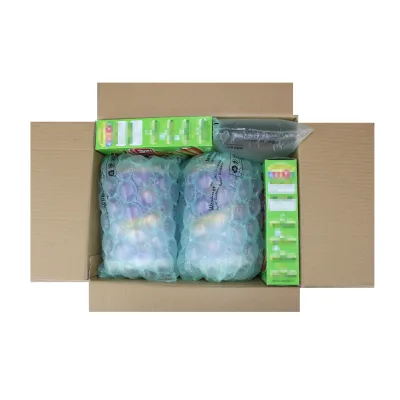
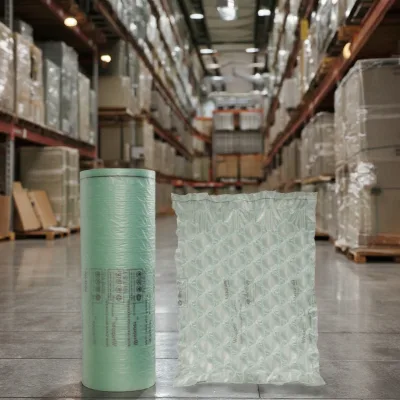


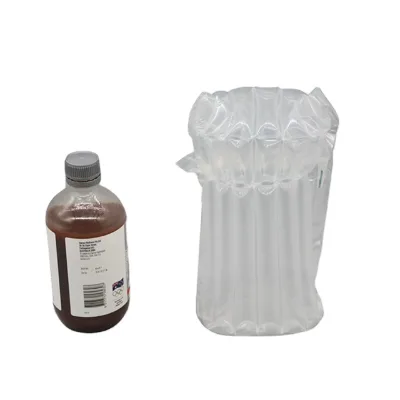
Comprehensive Sourcing Guide
Industrial Grade Air Cushion Packaging Sourcing Guide
Procurement professionals must distinguish between the machinery used to generate air cushioning and the finished protective films themselves, as the supply chain often conflates these distinct product categories. The observed market data indicates a clear bifurcation where some listings describe volumetric filling machines capable of producing air columns at rates of 12 to 13 meters per minute, while others focus on the raw polyethylene film or pre-inflated protective bags. Buyers need to clarify whether their immediate requirement is for capital equipment to manufacture packaging in-house or for the finished protective materials to ship fragile goods.
Understanding this distinction is critical for defining the correct technical specifications and compliance requirements for your order. If the goal is to source the machinery, the focus shifts to electrical ratings, sealing temperatures, and the specific plastic materials like ABS engineer plastic used in the machine construction. Conversely, if sourcing the finished air column bags, the buyer must verify the thickness in microns, the column width dimensions, and the specific sealing durability features such as shock and compression resistance.
Product Scope and Observed Listing Signals
The available product listings reveal a diverse range of items centered on air cushion technology, including automatic volumetric filling machines and various forms of protective film. The machinery is often described with specific attributes like single-head filling valves and input voltages ranging from 110V to 220V, designed to operate at a rated power of 200W. These units are typically constructed from durable ABS engineer plastic and are intended to fill air cushions for applications in cosmetics, electronics, and household appliances, with sealing temperatures adjustable between 160 and 220 degrees.
In contrast, the finished packaging materials are characterized by their material composition, primarily high-pressure polyethylene plastic, and their functional performance metrics. These products are marketed with features such as being waterproof, moisture-proof, and tear-proof, suitable for protecting fruits, vegetables, and fragile items during shipping. The listings also highlight customization options for shape, such as Q-shape or L-shape, and thickness ranging from 60 to 80 microns, indicating a flexible supply chain capable of meeting specific logistical needs for mailing and express services.
Technical Specifications to Verify
When evaluating the machinery for in-house production, buyers must rigorously verify the inflation rate and sealing temperature consistency to ensure operational efficiency. The observed data suggests an inflation rate of approximately 12 to 13 meters per minute, but this figure should be confirmed against the specific model, such as the Kth10, to ensure it meets your throughput requirements. Additionally, the sealing temperature range of 160 to 220 degrees must be validated to guarantee that the film bonds correctly without burning or failing to seal, which is essential for maintaining the integrity of the air cushion during transit.
For the finished air column bags, the verification process should focus on the physical dimensions and material thickness to ensure adequate protection for the intended cargo. Buyers should confirm the column width, noting that pre-inflated columns may measure 3cm while inflated columns might reduce to 2cm, and verify the thickness options available, which typically range from 60 to 80 microns. It is also crucial to check the transparency and shape customization capabilities, as some applications require non-transparent or specific shapes like U-shape to accommodate irregularly shaped electronics or glassware.
Compliance and Safety Documentation
Compliance verification is a critical step when sourcing industrial packaging solutions, particularly regarding the materials used and the safety standards of the manufacturing equipment. The observed listings indicate that suppliers often provide certifications such as ISO9001, RoHS, and BV, which serve as evidence of adherence to quality management and environmental safety standards. Buyers should request these specific certificates to ensure that the polyethylene materials and the machinery components do not contain hazardous substances that could compromise product safety or violate international trade regulations.
In addition to material certifications, the safety documentation for the machinery must be scrutinized to ensure it meets the electrical and operational safety requirements of the buyer's facility. The input voltage range of 110V to 220V suggests versatility, but the rated frequency of 50/60Hz must match the local power grid to prevent equipment failure. While some background information mentions CE certification, buyers should not assume this status without explicit documentation and should instead request the specific safety test reports and compliance declarations for the specific model being purchased.
Cost Drivers and Commercial Terms
The cost structure for industrial air cushion packaging is heavily influenced by the choice between purchasing finished goods versus manufacturing equipment, as well as the level of customization required. Finished air column bags and films often have a minimum order quantity ranging from 1 to 12,000 units, with prices varying based on thickness, shape, and the inclusion of custom printing. Buyers should anticipate that specialized shapes or non-standard thicknesses will incur higher unit costs, and the availability of free standard samples versus paid customized samples can significantly impact the initial procurement budget.
For machinery procurement, the commercial terms are driven by the complexity of the equipment, such as the automatic grade and the specific sealing technology employed. The observed price range for these items is broad, reflecting differences in capacity, material quality like ABS plastic, and the inclusion of customization features. Buyers must negotiate clear terms regarding the packing size, which is often larger than the machine dimensions due to protective packaging, and clarify whether the listed price includes the 5-ply corrugated carton shipping or if additional freight costs apply for international delivery from China.
Supplier Qualification and Quality Control
Supplier qualification should prioritize manufacturers who demonstrate a robust track record in producing both the machinery and the protective films, as this indicates a comprehensive understanding of the air cushion ecosystem. The presence of multiple certifications, including ISO9001, SGS, and RoHS, suggests a commitment to quality control, but buyers must verify that these certifications are current and applicable to the specific production batch. It is advisable to request evidence of the supplier's ability to provide standard and customized samples, which serves as a practical test of their quality consistency before committing to a large-scale order.
Quality control protocols must be established to ensure that the final products meet the required performance standards for shock resistance and sealing durability. Buyers should implement a verification process that includes testing the sealing temperature and inflation rate of the machinery or inspecting the tear-proof and crush-resistant properties of the finished bags. The supplier's ability to offer a free standard sample and a paid customized sample is a strong indicator of their confidence in their product quality, and this should be leveraged to validate the product against the specific application needs of electronics, cosmetics, or fragile items.
Long-Term Procurement Checks
Establishing a long-term procurement strategy requires regular audits of the supplier's ability to maintain consistent product quality and supply chain reliability. Buyers should monitor the consistency of the material thickness and column width over time, as variations in these dimensions can lead to packaging failures during shipping. It is essential to maintain open communication channels with the supplier to address any changes in raw material sources, such as high-pressure polyethylene plastic, which could impact the final product's durability and performance characteristics.
Sustainability and adaptability are also key factors for long-term success in the air cushion packaging sector. Buyers should assess the supplier's capacity to adapt to changing market demands, such as the need for different shapes or thicknesses, and their ability to provide ongoing technical support for the machinery. Regular reviews of the supplier's certification status and adherence to standards like ISO9001 will help ensure that the partnership remains compliant with evolving international regulations and that the packaging solutions continue to meet the high standards required for protecting valuable goods in transit.
FAQs
What is Industrial Grade Air Cushion Packaging used for?
Industrial Grade Air Cushion Packaging is used to fill void space and protect goods during shipping and storage. Typical applications include cosmetics, electronics, drugs, art and craft items, household appliances, food, plants, and fragile items. The air cushions absorb shock and compression, keeping products stable inside cartons used in mailing, express, parcel, and post services.
Which machines inflate air cushion film for industrial packaging?
A single-head volumetric air cushion machine, such as the KTH10 air cushion machine, inflates the film. It operates on 110V-220V input at 50/60Hz with 200W rated power and reaches an inflation rate of 12 to 13 meters per minute. Sealing temperature settings range from 160 to 220 degrees, and customization is available for specific production needs.
Can air cushion film rolls be customized in size and printing?
Yes, bubble film rolls are available as stock sizes or with customization, including custom printing and thickness. Rolls are made from PE material, supplied transparent, and packed in 5-ply corrugated cartons. Free standard samples are available, while customized samples can be provided for payment, so buyers can verify dimensions and print quality before committing to volume orders.
How durable is air column bag packaging during transit?
Air column bags offer shock-resistant, compression-resistant, and crush-resistant protection with durable sealing and no air leak. They are also waterproof, moisture-proof, dust-proof, tear-proof, and strong. Preinflated column width is 3cm and inflated width is 2cm, with Q-shape, L-shape, U-shape, and special shapes to fit electronics, glassware, and ceramics.
What thickness options exist for protective air cushion film?
Protective film thickness options include 60, 65, 70, 75, and 80 microns, with customized thickness also available. The material is high-pressure polyethylene plastic bag film with waterproof, shockproof, and impact resistance features. Custom shapes and customized thickness let buyers match the film to product weight, fragility, and the void-fill volume inside their shipping cartons.
Which certifications apply to air cushion packaging products?
Listed certifications include ISO9001, RoHS, BV, SGS, and MSDS, depending on the specific product and listing. Certification scope can differ between air cushion machines, bubble film rolls, and air column bags, so buyers should confirm which certificates apply to the exact items ordered. Standard and customization options are both available from suppliers in China.
How should buyers sample air cushion packaging before ordering?
Buyers can request a standard sample free of charge to test sealing strength, inflation, and fit. Customized samples with specific sizes, printing, or shapes are available by payment. Testing should cover the intended application, such as filling air cushions for cosmetics or electronics cartons, and confirm machine compatibility with the chosen film before placing production orders.
Can air cushion packaging machines work with different power supplies?
Yes, the listed air cushion machine accepts 110V-220V input voltage at 50/60Hz rated frequency, covering common power standards in many regions. It is an automatic, single-head volumetric filling machine rated at 200W, sized 400x360x290mm and packed in a 480x270x360mm carton. Buyers should verify local voltage compatibility and confirm machine specifications before ordering.