Source Industrial Leather Cutting Blade Knives for Packaging, Textile, and Food Processing
Compare 30 Industrial Leather Cutting Blade Knives from verified suppliers in Nanjing, China. Options include cemented carbide and stainless steel blades with precision up to 0.002mm, available in custom sizes and finishes for diverse manufacturing needs.
Key considerations
Products List


Industrial Cutting Knives with Irregular Blade Shapes for Paper Cutting
$20.00 - $50.00
MOQ: 10 Pieces


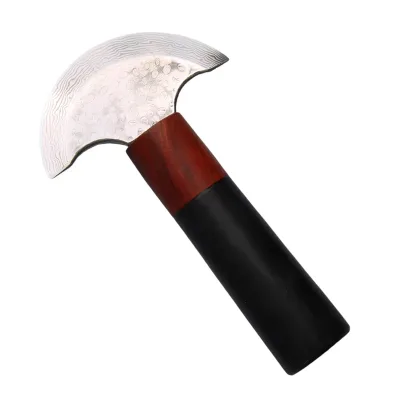


Cutting Leather Bandknife Splitting Machine Band Knife for Cutting Leather
$6.60 - $15.00
MOQ: 100 Pieces


Comprehensive Sourcing Guide
Industrial Leather Cutting Blade Knives Sourcing Guide
Selecting the right cutting tools for leather processing requires a nuanced understanding of material science, precision engineering, and supply chain reliability. Industrial leather cutting blades are not generic consumables; they are critical components that directly influence the quality of the final product, the efficiency of the production line, and the overall cost per unit. Buyers must approach this procurement category with a focus on technical verification and supplier capability rather than price alone. The following guide provides a structured framework for evaluating options, ensuring that the selected blades meet the rigorous demands of high-volume leather manufacturing.
This sourcing guide is designed to help procurement professionals navigate the complexities of the industrial knife market. By focusing on verified product attributes, compliance requirements, and long-term operational checks, buyers can mitigate risks associated with tool failure, inconsistent cuts, and supply chain disruptions. The insights provided herein are grounded in observed market data and trusted industry knowledge, offering a practical roadmap for securing high-performance cutting solutions that align with specific operational needs.
Product Scope and Observed Listing Signals
The market for industrial cutting blades encompasses a wide variety of materials and configurations, ranging from standard steel alloys to advanced cemented carbides and ceramic composites. Observed listings indicate that blade materials commonly include S45c, D2, SKD11, HSS, and 9CrSi, each offering distinct trade-offs between hardness, toughness, and wear resistance. For instance, cemented carbide blades are frequently highlighted for their superior hardness and wear resistance, making them suitable for high-abrasion applications, while stainless steel options may be preferred for environments where corrosion resistance is paramount. Buyers should carefully match the material specification to the specific type of leather and the intensity of the cutting process.
Listing signals also reveal significant variation in customization capabilities and precision tolerances. Many suppliers offer OEM services and accept custom drawings, allowing for tailored solutions that fit specific machinery geometries. Precision levels observed in the market often center around tight tolerances, such as 0.002mm or +/- 0.005mm, which are critical for maintaining consistent cut quality across large batches. Additionally, surface finishing options like tin, TiC, TiCN, TiAlN, and CrN coatings are available to enhance performance, indicating that buyers should consider not just the base material but also the surface treatment to optimize blade life and cutting smoothness.
Technical Specifications to Verify
Hardness is a primary technical specification that dictates the durability and edge retention of the cutting blade. Verified data shows a wide range of hardness values, from 45-50 HRC for more tough, shock-resistant blades to up to 95 HRC for ultra-hard ceramic or carbide options. For example, some listings specify hardness between 50-62 HRC or 87-92 HRC, while others indicate 89-95 HRC for specialized ceramic knives. Buyers must verify that the hardness rating aligns with the cutting requirements; excessively hard blades may be brittle and prone to chipping under lateral stress, while softer blades may dull quickly. It is essential to request specific hardness test reports or mill certificates to confirm these values.
Parallelism and precision are equally critical for ensuring clean, burr-free cuts, which is vital for high-quality leather goods. Observed specifications often cite parallelism as low as 0.002mm and precision tolerances of +/- 0.005mm or 0.02mm. These tight tolerances ensure that the blade cuts evenly across its entire diameter, preventing uneven wear and maintaining the integrity of the cut edge. Buyers should verify these metrics through third-party inspection or by requesting sample blades for testing on their own equipment. Additionally, surface roughness values, such as Ra 0.1 μm, should be confirmed to ensure a smooth cutting action that minimizes friction and heat generation during operation.
Compliance and Safety Documentation
Certification status is a key indicator of a supplier’s commitment to quality management and regulatory compliance. Many observed listings include CE, RoHS, and ISO 9001 certifications, which suggest that the manufacturing processes adhere to international standards for quality and environmental safety. The CE mark, in particular, is crucial for suppliers targeting the European market, indicating that the products meet EU health, safety, and environmental protection requirements. Buyers should verify the validity of these certifications by checking the issuing bodies and ensuring that the certificates are current and cover the specific products being purchased.
Safety documentation also extends to the handling and storage of the blades, particularly those made from brittle materials like ceramic or high-hardness carbides. While specific safety data sheets (SDS) were not explicitly detailed in the observed listings, buyers should proactively request SDS for all blade materials, especially those involving coated surfaces or specific alloy compositions. Proper documentation ensures that warehouse staff and machine operators are aware of the hazards associated with sharp edges and potential material-specific risks, such as dust inhalation during grinding or handling. Ensuring that suppliers provide comprehensive safety information is a critical step in maintaining a safe working environment.
Cost Drivers and Commercial Terms
The price range for industrial cutting blades varies significantly based on material, precision, and customization level. Observed listings show prices ranging from $1 to over $2,000 USD, reflecting the diversity from standard steel blades to high-end custom ceramic or carbide solutions. The minimum order quantity (MOQ) also varies, with some suppliers accepting orders as low as 1 piece, which is beneficial for prototyping or small-batch production, while others may have higher MOQs for cost-effective mass production. Buyers should evaluate the total cost of ownership, considering not just the unit price but also the expected blade life and replacement frequency.
Commercial terms such as delivery times and packaging methods also impact the overall procurement strategy. Observed data indicates that delivery is often described as punctual, and packaging typically involves wooden cases or wooden boxes to protect the blades during transit. For high-precision blades, proper packaging is essential to prevent damage to the cutting edges. Buyers should negotiate clear terms regarding lead times, especially for custom-made blades, and ensure that the packaging specifications meet their logistical requirements to minimize the risk of transit damage. Understanding these commercial nuances helps in planning inventory levels and managing cash flow effectively.
Supplier Qualification and Quality Control
Supplier qualification should begin with a thorough review of their manufacturing capabilities and quality control processes. Buyers should verify whether the supplier uses advanced manufacturing techniques such as powder metallurgy, which can enhance the uniformity and performance of carbide blades. Additionally, the ability to produce blades according to customer drawings or specific standards is a strong indicator of a supplier’s flexibility and technical competence. Suppliers who offer sample availability allow buyers to test the blades in real-world conditions before committing to large orders, reducing the risk of mismatched specifications.
Quality control measures should include rigorous inspection of key attributes such as hardness, precision, and surface finish. Buyers should request detailed inspection reports for each batch, verifying that the parallelism, tolerance, and hardness values meet the agreed-upon specifications. Furthermore, suppliers who offer customization and OEM services often have more robust quality management systems in place to handle varied production requirements. Establishing a clear communication channel for quality feedback and implementing a structured acceptance testing protocol upon receipt of goods are essential steps to ensure consistent quality from the supplier.
Long-Term Procurement Checks
Long-term procurement success depends on establishing a reliable supply chain that can adapt to changing production needs and market conditions. Buyers should regularly review supplier performance metrics, including on-time delivery rates, defect rates, and responsiveness to quality issues. Maintaining a diversified supplier base can mitigate the risk of supply disruptions, especially for critical components like cutting blades. It is also advisable to periodically re-evaluate the technical specifications of the blades to ensure they remain optimal for the current production processes and leather types being used.
Continuous improvement initiatives should be encouraged through regular feedback loops with suppliers. Sharing performance data from the production floor can help suppliers refine their manufacturing processes and offer better solutions. Additionally, staying informed about advancements in blade materials and coatings can lead to significant efficiency gains and cost savings over time. By fostering a collaborative relationship with suppliers and maintaining a focus on technical excellence, buyers can ensure that their industrial leather cutting operations remain competitive and efficient in the long run.
FAQs
What materials are used for industrial leather cutting blades?
These blades are made from materials like S45c, D2, SKD11, HSS, and 9crsi. Some options also include H13, H13K, Sld, and SKD-51. Stainless steel is another available material choice for specific applications.
Can I get custom specifications for these cutting knives?
Yes, customization is available for these industrial knives. You can request specific dimensions based on your drawings or needs. The standard production follows customer drawings or specific requests to ensure a perfect fit.
What is the hardness range for these industrial blades?
The hardness varies by material type, ranging from 45-50 HRC up to 95 HRC. Some ceramic blades reach 89-95 HRC, while standard steel options typically fall between 50-62 HRC. This ensures high wear resistance.
Which certifications do these manufacturers hold?
Manufacturers hold CE, RoHS, and ISO9001 certifications for their products. These standards ensure quality and safety compliance for industrial use. The products are verified to meet international safety and quality requirements.
How precise are the dimensions of these circular blades?
Precision is typically maintained within 0.002mm to 0.005mm tolerance. Some standard blades offer a tolerance of 0.05mm. This high precision ensures smooth incision without burrs during the cutting process.
What is the lead time for delivery of these knives?
Delivery is punctual according to the agreed schedule. While specific lead times vary, the supplier commits to timely shipment. Custom orders are processed efficiently to meet your production deadlines.
Can I order samples before placing a bulk order?
Samples are available for testing and evaluation purposes. This allows you to verify quality before committing to a larger purchase. You can request samples for ceramic razor blades or standard industrial cutters.