Source Industrial Kiln Ladle Shroud for Steel and Mineral Processing
Find 21 Industrial Kiln Ladle Shroud options for steel industry and non-metallic mineral processing. Compare specifications like silicon carbide material, thermal shock resistance, and customization availability from Chinese manufacturers to find the right long nozzle solution; compare the available evidence and request quotations based on your requirements.
Key considerations
Products List

Advanced Ladle Shroud Designed for Industrial Kiln Applications
$50.00 - $500.00
MOQ: 100 Pieces
Luoyang Zhongwei Metallurgical Material Technology Co., Ltd.


Premium Industrial Furnace Ladle Shroud for High Efficiency
$55.00 - $500.00
MOQ: 100 Pieces
Luoyang Zhongwei Metallurgical Material Technology Co., Ltd.


Premium Industrial Furnace Ladle Shroud with Extended Nozzle
$50.00 - $500.00
MOQ: 100 Pieces
Luoyang Zhongwei Metallurgical Material Technology Co., Ltd.

Customized Industrial Furnace Ladle Shroud with Long Nozzle
$50.00 - $500.00
MOQ: 100 Pieces
Luoyang Zhongwei Metallurgical Material Technology Co., Ltd.

Refractory Ladle Shroud Continuous Casting Ladle Shroud for Steel Ladle
$280.00 - $780.00
MOQ: 20 Pieces
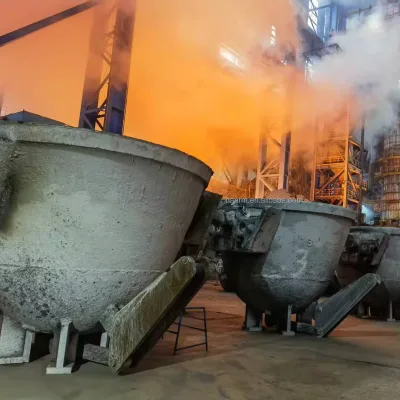
Industrial Slag Pot Slag Ladle for EAF Steel Mill Heat Resistant Cast Steel
$400000.00 - $500000.00
MOQ: 1 sets


Factory Made High Quality Ladle Shroud Refractory Steel Mill Ladle Shroud
$280.00 - $780.00
MOQ: 20 Pieces

Industrial Steel Pouring Ladle for Foundry and Steelmaking Furnace Applications
$1150.00 - $1280.00
MOQ: 1 Pieces


Comprehensive Sourcing Guide
Industrial Kiln Ladle Shroud Sourcing Guide
Procuring industrial kiln ladle shrouds requires distinguishing between refractory ceramic components and the heavy steel ladle handling equipment often listed under similar search terms. The supplied data indicates a primary focus on Silicon Carbide material products designed for the steel industry, specifically for ladle shrouds and long nozzles used in non-metallic mineral processing. Buyers must carefully parse listings that mix these distinct product categories, as the technical requirements for a refractory nozzle differ significantly from those of a steel ladle furnace or arc furnace unit.
Verification of the specific product model is critical before initiating any commercial dialogue, as the observed listings contain conflicting model numbers such as LS-013, LS-022, and Ladle-120T. Some entries describe a 120-ton ladle with a 5000KW power rating, while others detail a refractory shroud with a 1580°C refractoriness limit. This discrepancy suggests that a single supplier page may aggregate multiple product lines, requiring the buyer to explicitly request technical datasheets for the specific refractory component rather than the associated steel handling machinery.
Product Scope and Observed Listing Signals
The observed product scope reveals a wide variance in material composition and physical dimensions, ranging from Silicon Carbide refractory shapes to heavy steel structures weighing up to 120 tons. Listings explicitly mention "Ladle Shroud" and "Long Nozzle" as key identifiers, yet they also include attributes like "Arc Furnace" and "Holding Furnace" which describe the application environment rather than the shroud itself. Buyers should treat these broader equipment tags as contextual usage indicators rather than direct product specifications for the refractory shroud component.
Pricing signals in the market are equally diverse, with observed ranges spanning from 10 to 500,000 USD, reflecting the difference between a single ceramic nozzle and a complete ladle handling system. The minimum order quantity (MOQ) also fluctuates between 1 and 100 pieces, indicating that some suppliers offer single-unit trials while others enforce bulk purchasing for custom refractory shapes. This variation necessitates a clear definition of the procurement unit, ensuring that the buyer is negotiating for the specific refractory item rather than inadvertently committing to a large-scale steel equipment order.
Technical Specifications to Verify
Refractoriness and material composition are the primary technical parameters that must be validated against the specific thermal demands of the steel pouring process. The supplied facts confirm a refractoriness range of 1580°C for certain Silicon Carbide products, which serves as a baseline for thermal stability in high-temperature environments. Buyers must verify if the specific batch meets this threshold and whether the material grade is suitable for the intended flow protection application, as generic listings may not guarantee performance under extreme thermal shock conditions.
Dimensional accuracy and structural integrity are equally critical, with observed specifications including single package sizes of 100x100x100 cm and overall dimensions reaching 6x6x7 meters for larger units. The weight of the equipment can vary drastically, with some entries noting a gross weight of 1000 kg while others reference a 120-ton capacity for the ladle system itself. Procurement teams must request precise dimensional drawings and weight certificates to ensure the shroud fits the ladle geometry and can be safely handled by the existing plant infrastructure without modification.
Compliance and Safety Documentation
Safety documentation for high-temperature industrial components often includes machinery test reports and specific safety level certifications, which are explicitly mentioned in the provided data. The presence of a "High Safety Level" selling point suggests that suppliers may provide evidence of structural integrity and operational safety, particularly for the heavy steel ladle components associated with the shrouding system. Buyers should request these test reports to confirm that the equipment meets the necessary safety standards for handling molten metal in a steel production facility.
Warranty and stock environment conditions also play a vital role in ensuring the longevity and safety of the purchased components. A standard one-year warranty is observed for certain units, while storage requirements emphasize keeping products in dry places to prevent moisture absorption that could compromise refractory performance. Verifying that the supplier adheres to these storage protocols and offers a clear warranty framework is essential for mitigating the risk of premature failure or safety incidents during the initial operational phase.
Cost Drivers and Commercial Terms
The cost of industrial ladle shrouds is heavily influenced by the customization level and the specific material grade required for the application. The data indicates that customization is available, with standards described as "customized" or offering "more sizes for customization," which typically increases the unit price compared to standard off-the-shelf items. Buyers should anticipate that bespoke dimensions or specialized Silicon Carbide formulations will command a premium, and they must clarify whether the quoted price includes the cost of custom tooling or engineering support.
Commercial terms regarding packaging and shipping are significant cost drivers, with observed methods ranging from polybags in wooden cases to fumigation-free wooden boxes and crates. The choice of packaging affects the final landed cost, especially for international shipments where fumigation certificates or specific wooden case standards may be required by customs regulations. Additionally, the single gross weight of 1000 kg for some packages highlights the need to calculate freight costs accurately, as heavy and bulky items incur higher logistics expenses that can significantly impact the total procurement budget.
Supplier Qualification and Quality Control
Supplier qualification should prioritize those who offer factory visits and tours, as the data explicitly states that factory tours are welcome and available. This transparency allows buyers to inspect the manufacturing process, verify the production capacity for Silicon Carbide materials, and assess the quality control measures in place for refractory products. A supplier willing to host a visit demonstrates confidence in their operations and provides an opportunity to validate the claimed production capabilities and stock conditions firsthand.
Quality control verification extends to the availability of machinery test reports and the specific core components used in the associated equipment. While the shrouds themselves are refractory, the listings mention PLCs and voltage requirements for the broader furnace systems, suggesting a need to verify the integration of these electronic and electrical components. Buyers must ensure that the supplier can provide comprehensive documentation for all core components to guarantee that the entire system, including the shrouding mechanism, operates reliably and safely within the steel plant environment.
Long-Term Procurement Checks
Establishing a long-term procurement strategy requires monitoring the consistency of product attributes such as the brand name and the specific model numbers over time. The observed brand "HAN" and models like LS-001 and LS-026 indicate a structured product line, but buyers must verify that future orders maintain the same quality standards and material specifications as the initial samples. Consistency in the refractoriness and abrasion resistance features is crucial for maintaining the efficiency of the steel flow protection process over multiple production cycles.
Supply chain resilience is another critical factor, as the data notes that stock should be kept in dry conditions and that the origin is primarily in Henan and Shaanxi, China. Buyers should assess the supplier's ability to maintain adequate inventory levels and manage the logistics of transporting heavy, fragile refractory items from these specific regions. Ensuring a reliable supply chain that can meet the fluctuating demand of the steel industry without compromising on the dry storage requirements is essential for preventing production delays and maintaining operational continuity.
FAQs
What is the refractoriness of industrial kiln ladle shrouds?
The refractoriness is typically above 1580 degrees Celsius. This high heat resistance ensures the silicon carbide material maintains structural integrity during continuous steel pouring operations. It prevents deformation under extreme thermal stress, protecting the ladle nozzle system and ensuring safe, uninterrupted metal flow in demanding metallurgical environments.
Can industrial kiln ladle shrouds be customized for specific needs?
Yes, customization is available for various industrial applications. Manufacturers accept OEM and ODM requests to tailor dimensions and specifications. Buyers can specify unique sizes or models to fit their existing equipment. This flexibility ensures optimal performance and compatibility with different steel industry processes and non-metallic mineral processing requirements.
What is the minimum order quantity for ladle shrouds?
The minimum order quantity varies by supplier, ranging from one piece to one hundred pieces. Some vendors require a batch of one hundred units, while others accept single-item orders. Buyers should verify the specific MOQ with the manufacturer before placing an order to ensure it aligns with their procurement volume and budget.
How are industrial kiln ladle shrouds packaged for shipping?
Products are typically packed in fumigation-free wooden cases or boxes. Each item may be placed in a polybag and kept upright to prevent damage. This secure packaging protects the ceramic components during transit. The outer wooden casing ensures stability and safety, meeting international shipping standards for fragile industrial refractory materials.
Where are industrial kiln ladle shrouds manufactured?
These products are primarily manufactured in China, with origins in regions like Henan and Shaanxi. Buyers can expect factories in these areas to provide high-quality silicon carbide materials. The location supports efficient logistics and supply chain management for global steel industry clients seeking reliable refractory solutions for their ladle shrouding systems.
What features do industrial kiln ladle shrouds offer?
Key features include thermal shock resistance, good abrasion resistance, and corrosion resistance. These properties protect steel flow and ensure durability in harsh environments. The black-colored silicon carbide material withstands chemical attacks and mechanical wear. This performance extends service life and reduces maintenance frequency for continuous casting and steelmaking operations.