Source Industrial Level Alder Lake Motherboard for Automation, Retail, and Monitoring
Explore 30 listings for the Industrial Level Alder Lake Motherboard, featuring Intel Alder Lake N Series chips and support for Windows 11 and Linux. Buyers can compare specifications like RAM capacity, storage interfaces, and operating temperature ranges across various models from Shenzhen suppliers.
Key considerations
Products List




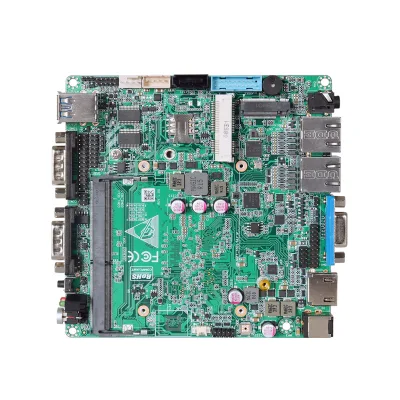
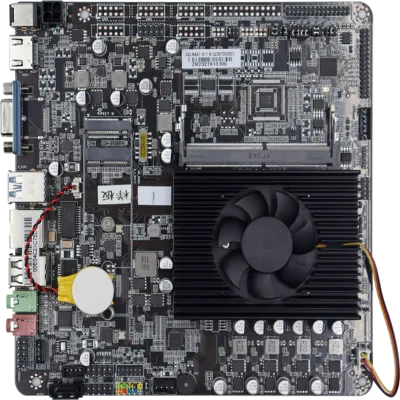
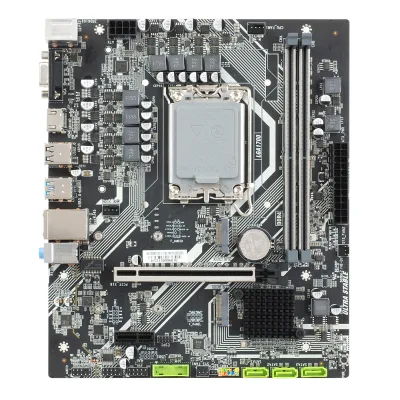
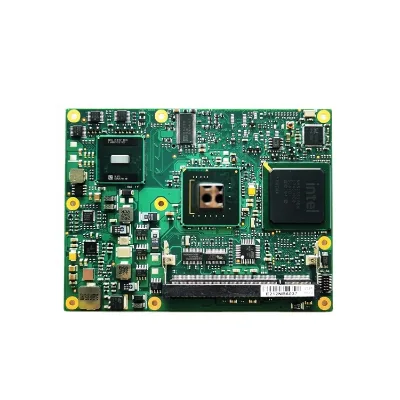
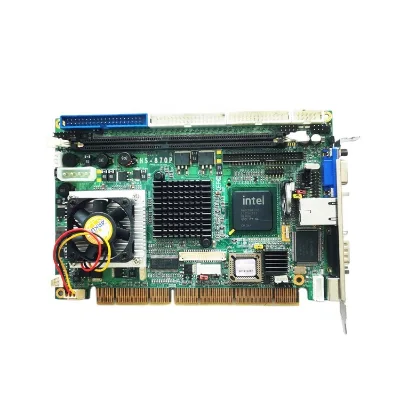
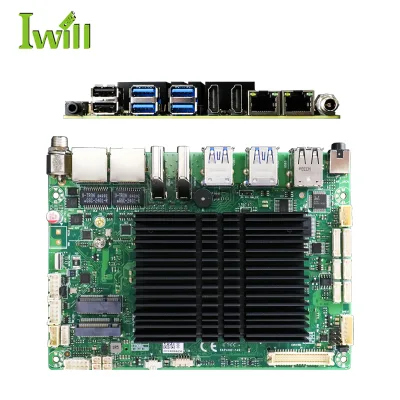
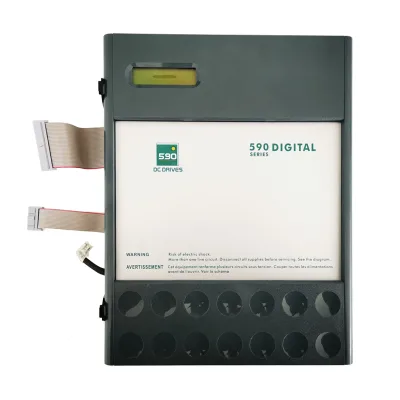
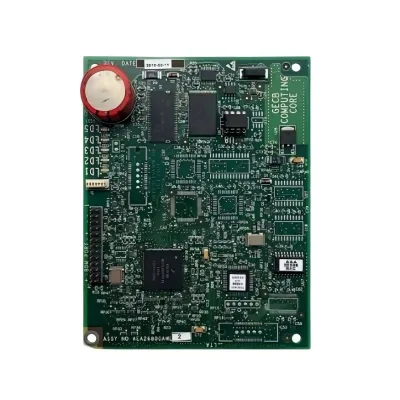


Comprehensive Sourcing Guide
Strategic Sourcing Guide for Industrial Alder Lake Motherboards
The industrial computing sector increasingly relies on the Intel Alder Lake N Series architecture to deliver a balance of energy efficiency, compact form factors, and robust processing capabilities. For procurement professionals sourcing industrial-level Alder Lake motherboards, the decision-making process extends beyond simple component selection. It requires a rigorous evaluation of environmental resilience, interface availability, and long-term supply chain stability. The following guide outlines the critical factors buyers must assess when navigating the market for these specialized components, ensuring that the selected hardware aligns with the demanding requirements of industrial automation, edge computing, and embedded control systems.
Technical Architecture and Core Specifications
The foundation of any industrial motherboard selection lies in understanding the specific chipset and architectural constraints. In the current market, the Intel Alder Lake N Series represents a significant shift toward low-power, high-efficiency computing for embedded applications. Buyers must verify that the motherboard utilizes this specific processor family, as it offers a distinct set of features compared to standard desktop or server-grade Intel chips. The architecture typically integrates the CPU and graphics processing unit on a single die, which is crucial for reducing the physical footprint and power consumption in tight industrial enclosures.
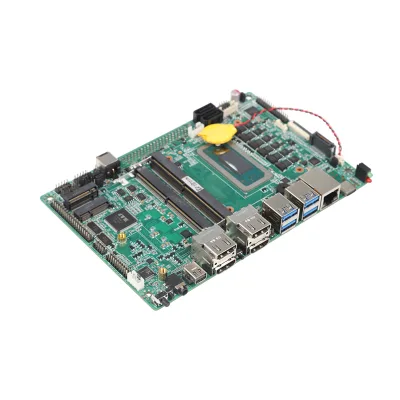
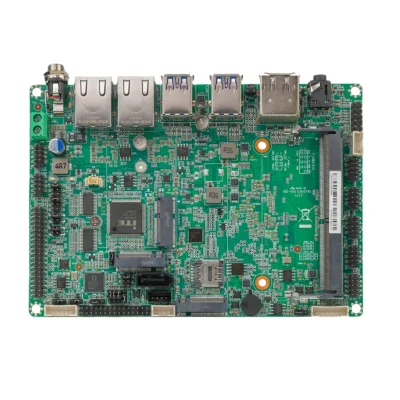
A critical technical specification to validate is the memory architecture. Industrial motherboards based on this platform often support DDR5 memory, with maximum capacity limits that vary by model. Procurement teams should confirm the specific memory slot configuration, noting that some designs support a maximum of 16GB of RAM, while others may offer different expansion capabilities. The storage interface is another vital component; modern industrial boards frequently feature M.2 slots for solid-state drives, providing the necessary speed and reliability for data logging and real-time processing. Additionally, the main board structure is often designed as an integrated solution, minimizing the need for additional expansion cards and reducing potential points of failure in harsh environments.
Environmental Resilience and Operating Conditions
Industrial applications often operate in environments that are far removed from the controlled climate of a standard office. Therefore, the operating temperature and humidity ranges are not merely specifications but critical survival metrics. Sourcing guides must emphasize the verification of the thermal operating window. Some industrial-grade units are rated for a broad range of -10°C to 60°C, while others, designed for more extreme conditions, may support temperatures from -20°C to 70°C. Buyers must match these specifications to the actual environmental conditions of the deployment site.
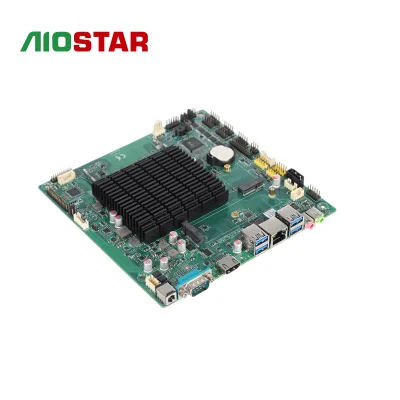
Humidity resistance is equally important. The hardware must be capable of functioning in environments with relative humidity ranging from 5% to 95%, provided there is no condensation. This requirement dictates the need for conformal coating on the printed circuit board (PCB) and specific sealing of connectors. Furthermore, the physical construction of the motherboard often involves materials like aluminum alloy, which aids in heat dissipation and provides structural rigidity. The standard dimensions of these boards vary significantly, with some models adhering to compact form factors like 170mm x 170mm x 22mm, while others may be designed for specific rack-mount configurations or wall-mounted installations.
Interface Availability and Expansion Capabilities
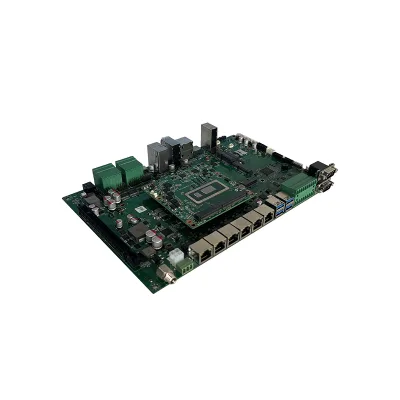
The versatility of an industrial motherboard is largely defined by its I/O capabilities. Buyers must scrutinize the available ports to ensure compatibility with existing or planned peripheral devices. Common interface requirements include multiple Serial (COM) ports, which are essential for connecting legacy industrial sensors, PLCs, and communication devices. A typical configuration might include two COM ports, but this number can vary based on the specific model.
Video output capabilities are also a primary consideration. Industrial displays often require specific signal types, and the motherboard must support the necessary protocols. This includes HDMI, DisplayPort, and legacy interfaces like LVDS or eDP for embedded panel connections. The presence of multiple LAN ports, often ranging from one to two, is standard for network redundancy and segmentation in industrial networks. Additionally, the power input requirements must be verified; many industrial boards operate on a 12V DC input, though some may support a wider voltage range or specific panel voltage selections like 3.3V, 5V, or 12V. The standby consumption is another metric to consider, with efficient designs often maintaining a standby power draw of less than 0.5W, which is critical for systems that remain powered on continuously.
Compliance, Certification, and Safety Standards
In the industrial sector, regulatory compliance is non-negotiable. When sourcing Alder Lake motherboards, buyers must verify that the products meet international safety and environmental standards. The most common certifications observed in this category include RoHS (Restriction of Hazardous Substances) and CE (Conformité Européenne). These certifications indicate that the product adheres to strict guidelines regarding hazardous materials and electromagnetic compatibility.
It is imperative for procurement teams to request current certification documentation for every batch of hardware purchased. Relying on general claims without verified documentation can lead to compliance failures during audits or product launches. The material composition of the board, such as the use of aluminum alloy for the chassis or heat sinks, should also be verified to ensure it meets fire safety and thermal management standards. Furthermore, the condition of the product must be confirmed as "New" to avoid issues related to refurbished or used components, which may have degraded performance or shortened lifespans in critical industrial applications.
Cost Drivers and Procurement Economics
Understanding the cost structure of industrial motherboards is essential for budgeting and total cost of ownership (TCO) analysis. The price range for these components can be substantial, varying widely based on specifications, form factor, and included features. Market observations indicate a broad price spectrum, with costs potentially ranging from approximately $1.03 to over $700 per unit, depending on the complexity and volume. This variance is driven by factors such as the specific processor model, the amount of integrated memory, the number of expansion slots, and the ruggedization level of the board.
Minimum Order Quantity (MOQ) is another significant economic factor. Suppliers may set MOQs ranging from a single unit to 100 units, influencing the initial capital outlay for small-scale projects versus large-scale deployments. Buyers should also consider the packaging standards, which typically involve cartons designed to protect the boards during transit. The lead time and availability of specific models, such as those with model numbers like M100F-N100-2C or M198SE, can impact project timelines. While specific lead times vary by supplier, the complexity of the supply chain for industrial-grade components often necessitates earlier planning and buffer stock strategies.
Supplier Evaluation and Quality Assurance
Selecting the right supplier is as critical as selecting the right hardware. Buyers should prioritize suppliers who demonstrate a deep understanding of industrial requirements and can provide comprehensive technical support. The origin of the product is a key indicator of supply chain transparency; many industrial motherboards are manufactured in major electronics hubs like Shenzhen, China. However, the location of the manufacturer should not be the sole determinant of quality. Instead, buyers should evaluate the supplier's track record in delivering consistent quality and their ability to provide long-term support.
Quality control processes should be a central part of the supplier evaluation. This includes verifying the production process, ensuring that the boards are assembled with precision, and confirming that they undergo rigorous testing before shipment. The warranty period is a direct reflection of the supplier's confidence in their product; a standard warranty of one year is common, but buyers should negotiate terms that align with the expected lifecycle of the industrial equipment. Additionally, the availability of technical documentation, including schematics and user manuals, is essential for integration and troubleshooting.
Long-Term Procurement and Lifecycle Management
Industrial projects often have long lifecycles, making the availability of components a critical concern. When sourcing Alder Lake motherboards, buyers must consider the product's end-of-life (EOL) strategy. The specific model numbers, such as M100F-N100-10C or HYY-PCB-V59, should be cross-referenced with the manufacturer's roadmap to ensure that the product will remain available for the duration of the project. This is particularly important for systems that require spare parts or upgrades years after the initial deployment.
The operating system support is another long-term consideration. The motherboard must be compatible with the intended software environment, whether it is Windows 10, Windows 11, or various Linux distributions. Buyers should verify that the manufacturer provides drivers and firmware updates for the specific OS versions they plan to use. Furthermore, the mathematical model of the control system, such as linear control logic, should be compatible with the hardware's processing capabilities. By focusing on these long-term factors, procurement teams can mitigate the risk of obsolescence and ensure the continued reliability of their industrial systems.
Application-Specific Integration Strategies
The final consideration in sourcing industrial Alder Lake motherboards is the specific application context. These boards are designed for a wide range of industrial uses, including automatic control, protection, monitoring, and measurement systems. The form factor, such as the 8U rack unit size or compact wall-mounted dimensions, must align with the physical constraints of the deployment environment. The integration of features like continuous signal processing and specific power requirements (e.g., 12V input) must be seamlessly incorporated into the broader system architecture.
Buyers should also consider the display and interaction requirements. Whether the system requires a touch screen or operates with a standard interface, the motherboard must support the necessary display outputs. The absence of a touch screen in some models indicates a design focused on backend processing, while others may be optimized for direct operator interaction. By carefully aligning the technical specifications with the application needs, procurement professionals can ensure that the selected motherboard delivers optimal performance and reliability in its intended industrial setting.
FAQs
What operating temperature range do these motherboards support?
These motherboards support operating temperatures ranging from -10°C to 60°C or -20°C to 70°C depending on the specific model. This wide range ensures reliable performance in harsh industrial environments without condensation issues.
Which memory capacity and type are available for this chipset?
The system supports up to 16GB of DDR5 memory with integrated graphics. Some models also accommodate DDR4 types, ensuring flexibility for various industrial computing needs while maintaining compact form factors.
Can these boards run Windows 11 and Linux operating systems?
Yes, the motherboards support Windows 10, Windows 11, and various Linux distributions. This broad OS compatibility allows for versatile deployment across different industrial automation and edge computing applications.
What certifications ensure compliance for industrial safety standards?
The products carry RoHS and CE certifications to meet international safety and environmental standards. These confirmations are essential for procurement teams ensuring regulatory compliance in global industrial deployments.
How is the physical installation configured for these units?
Installation options include wall-mounted setups or rack-mounted configurations like 8U units. Dimensions vary by model, with some measuring 170mm by 170mm or 146mm by 102mm to fit specific enclosures.
Which interface ports are typically included on the board?
Common interfaces include HDMI, DisplayPort, LVDS/eDP, two COM ports, and one or two LAN ports. These connections support diverse peripheral devices required for industrial monitoring and control systems.