Source Infrared Sensing Folder Cutting Machine for Paper, PVC, and Shoe Production
Find 30 Infrared Sensing Folder Cutting Machine listings from verified Chinese manufacturers. Compare specifications including cutting speed, thickness, and safety features to select the right equipment for paper, PVC pipe, and shoemaking line applications.
Key considerations
Products List
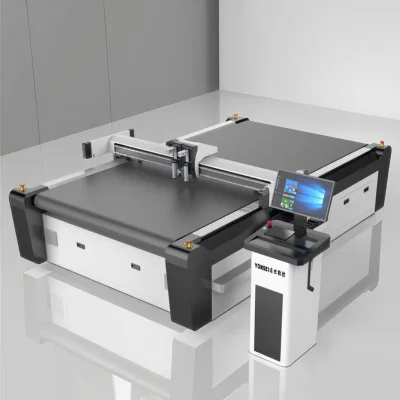


Industrial Polar Paper Cutting Machine for Plastic Film with Precise Control
$14245.00 - $15988.00
MOQ: 1 set


Paper Cutting Machine with Adjustable Speed for Different PVC Sheets Thickness
$14245.00 - $15988.00
MOQ: 1 set


Comprehensive Sourcing Guide
Strategic Sourcing Guide for Infrared Sensing Folder Cutting Machines
Understanding the Core Technology and Operational Capabilities
The Infrared Sensing Folder Cutting Machine represents a sophisticated intersection of automated material handling and precision cutting technology. In the context of industrial procurement, this equipment is defined by its ability to utilize infrared sensing safety devices to ensure operator protection while maintaining high-speed operational efficiency. The core mechanism relies on an automatic grade of operation, which minimizes manual intervention and reduces the potential for human error during the folding and cutting cycles. The machine's control system is a critical component, typically featuring a Chinese and English LCD touch screen interface. This dual-language capability is essential for international buyers, ensuring that operators can navigate complex parameters without language barriers, while the touch interface allows for rapid adjustments to cutting speeds and folding configurations.
The cutting speed of these machines is a variable attribute, often ranging from 200 to 1800mm per second, depending on the specific material being processed. This wide operational range allows the equipment to handle diverse substrates, from delicate papers to thicker PVC pipes, without compromising the integrity of the cut. The machine is designed with a multifunctional head, often utilizing an oscillating cutting tool, which provides versatility in handling different material types. The cutting tolerance is a key performance metric, with observed specifications indicating a precision of ±0.1mm. This level of accuracy is vital for industries where material waste must be minimized and dimensional consistency is paramount. The material fixing method employed is typically vacuum partition adsorption, which secures the workpiece firmly during the cutting process, preventing slippage and ensuring clean edges.
Technical Specifications and Configuration Standards
When evaluating a folder cutting machine, buyers must scrutinize the technical specifications to ensure compatibility with their existing production lines. The physical dimensions of the machinery are substantial, with observed models measuring approximately 3500mm in length, 2300mm in width, and 1280mm in height. This footprint requires adequate floor space and structural support within the facility. The weight of the unit, often around 1200kg, indicates a robust construction designed to withstand the vibrations and forces generated during high-speed operation. Power requirements are a significant consideration, with voltage specifications typically supporting both 380V and 220V electrical equipment configurations. This flexibility allows the machine to be deployed in regions with varying power grid standards, provided the correct transformer or wiring setup is implemented.
The processing type for these machines is often categorized under paper folding machines, yet the application extends to other materials such as PVC pipes. The format support is another critical technical attribute, with compatibility for PLT and DXF file formats being standard. This ensures seamless integration with computer-aided design (CAD) software, allowing for the direct import of cutting patterns without the need for manual re-entry. The core components driving the machine include a gearbox, PLC (Programmable Logic Controller), bearings, pumps, and engines. The presence of a PLC is particularly important, as it serves as the brain of the operation, managing the synchronization between the cutting tool, the folding mechanism, and the safety sensors. The screw configuration is noted as a double-screw system in certain models, which may enhance the stability and precision of the material feed mechanism.
Compliance, Certification, and Safety Protocols
In the global marketplace, compliance with international safety and quality standards is non-negotiable. The infrared sensing safety devices are a primary feature, designed to detect the presence of an operator or foreign object in the cutting zone and immediately halt the machine's operation. This feature is a critical component of the machine's safety architecture, ensuring a safe and reliable working environment. Regarding certifications, the equipment often carries the CE mark, indicating conformity with health, safety, and environmental protection standards for products sold within the European Economic Area. Some models may also adhere to ISO9001 standards for quality management systems, though this should be verified on a per-unit basis.
Buyers must verify the specific certification status of the machinery they intend to purchase. While the provided data indicates CE certification and ISO standards, the exact scope of these certifications can vary. It is essential to request the official certification documents from the supplier to confirm that the specific model number, such as YS-1625 or BZW-180, is covered under the current valid certificates. The machinery test report is another document that should be provided, offering third-party validation of the machine's performance and safety features. These reports typically include data on cutting accuracy, speed consistency, and the reliability of the safety sensors. Without these documents, the risk of non-compliance with local regulations in the buyer's country increases significantly.
Cost Drivers and Pricing Dynamics
The pricing of infrared sensing folder cutting machines is influenced by a complex array of factors, including the level of automation, the quality of core components, and the specific customization options required. The observed price range for these machines is broad, spanning from $700 to $300,000 USD. This wide variance reflects the difference between basic manual or semi-automatic units and fully computerized, high-speed industrial systems. The "Selling Units" are typically listed as single items, meaning the price quoted is for the complete machine package rather than per-unit production costs.
Several cost drivers contribute to the final price. The inclusion of a double-screw system, advanced PLC control, and high-precision cutting heads will increase the cost compared to simpler configurations. Customization is available for many models, and the extent of this customization—such as specific voltage requirements, unique dimensions, or specialized software integration—will directly impact the price. The warranty period, often cited as 2 years, is a factor that can influence the initial investment, as a longer warranty period often correlates with higher build quality and more comprehensive after-sales support. Buyers should be aware that the lowest price point may not include essential accessories or advanced safety features, while the highest price points likely include full customization and extended service packages.
Typical Applications and Material Versatility
The versatility of the Infrared Sensing Folder Cutting Machine makes it suitable for a wide range of industrial applications. While the product type is frequently listed as a paper cutting machine, the capabilities extend to processing PVC pipes and other sheet materials. The cutting thickness capability is generally up to 40mm, depending on the material density and the specific configuration of the cutting tool. This thickness range allows the machine to handle everything from thin packaging materials to thicker industrial plastics. The production capacity is noted to be up to 450m/s, indicating a high-throughput capability suitable for mass production environments.
In the footwear industry, these machines are utilized in shoemaking lines, where precision cutting and folding of leather or synthetic materials are required. The ability to handle different formats, such as PLT and DXF, allows for the creation of complex patterns that are essential in fashion and footwear manufacturing. The vacuum partition adsorption method ensures that materials with varying textures and weights can be secured effectively, preventing distortion during the cutting process. The machine's function as a computerized system allows for the storage of multiple cutting programs, enabling quick changeovers between different product runs. This flexibility is particularly valuable for manufacturers who produce small batches of custom designs alongside high-volume standard products.
Supplier Evaluation and Quality Assurance
Selecting the right supplier is as critical as selecting the right machine. Buyers should prioritize suppliers who provide comprehensive after-sales services, including video technical support and field maintenance repair services. The availability of these services ensures that any operational issues can be resolved quickly, minimizing downtime. The condition of the machine is typically listed as "New," but buyers should verify the manufacturing date and the storage conditions to ensure the equipment has not been compromised. The production capacity and lead time are also important factors; a lead time of 60 days is common, but this can vary based on the level of customization and the supplier's current order volume.
Quality control should be a central part of the evaluation process. Buyers should request the machinery test report and verify the authenticity of the certifications provided. The origin of the machine, whether from Shandong, Jiangsu Changzhou, or Taizhou Jiangsu, can provide insights into the manufacturing ecosystem and the quality of the supply chain. The packing method, often a wooden case, is designed to protect the machine during international shipping, but buyers should inspect the packing upon arrival to ensure no damage has occurred. The export market reach of the supplier, often global, indicates their experience in meeting international standards and their ability to handle logistics and documentation for cross-border transactions.
Long-Term Procurement and Maintenance Considerations
Investing in an Infrared Sensing Folder Cutting Machine is a long-term commitment that requires careful consideration of maintenance and lifecycle costs. The maintenance support is often described as "Whole Life Time," suggesting a commitment from the supplier to support the machine throughout its operational life. However, buyers should clarify the specific terms of this support, including the availability of spare parts and the cost of service visits. The warranty period of 2 years provides a baseline for coverage, but extended warranty options may be available for an additional fee.
The automation level of the machine reduces the need for manual labor, but it increases the reliance on technical expertise for troubleshooting and maintenance. The presence of a PLC and other computerized components means that software updates and firmware maintenance may be required periodically. Buyers should ensure that the supplier provides training for their technical staff on how to manage these systems. The export market and global reach of the supplier can be an advantage, as it often implies a robust network of service centers and spare parts distributors. By carefully evaluating these long-term factors, buyers can ensure that their investment in an Infrared Sensing Folder Cutting Machine delivers sustained value and operational efficiency.
FAQs
What control system does the Infrared Sensing Folder Cutting Machine use?
The machine uses a Chinese and English LCD touch screen control system. This dual-language interface allows operators to navigate complex parameters easily without language barriers while adjusting cutting speeds and configurations.
How is the safety of the Infrared Sensing Folder Cutting Machine ensured?
Safety devices utilize infrared sensing technology to detect operators or foreign objects in the cutting zone. This mechanism immediately halts operation to ensure a safe and reliable working environment during high-speed cycles.
Which certifications are typically provided for the Infrared Sensing Folder Cutting Machine?
The equipment typically carries CE certification indicating conformity with European safety standards. Some models may also adhere to ISO9001 standards, though buyers should verify specific model coverage and request official documentation.
Can the Infrared Sensing Folder Cutting Machine handle different material thicknesses?
Yes, the machine can cut materials with a thickness up to 40mm depending on the material type. This capability allows it to process diverse substrates ranging from delicate papers to thicker PVC pipes effectively.
What is the lead time for ordering an Infrared Sensing Folder Cutting Machine?
The standard delivery lead time is approximately 60 days. This duration may vary based on the level of customization required and the supplier's current order volume for the specific model.
Which after-sales services are provided for the Infrared Sensing Folder Cutting Machine?
Providers offer video technical support and field maintenance repair services. This comprehensive support ensures operational issues can be resolved quickly to minimize downtime throughout the machine's lifecycle.