Source Infrared Pressotherapy Air Compression Boots for Recovery
Find 29 Infrared Pressotherapy Air Compression Boots for sports recovery, post-surgery rehabilitation, and daily circulation improvement. Compare models with varying chamber counts, pressure ranges, and battery capacities to select the right air compression leg massager for your business needs.
Key considerations
Products List


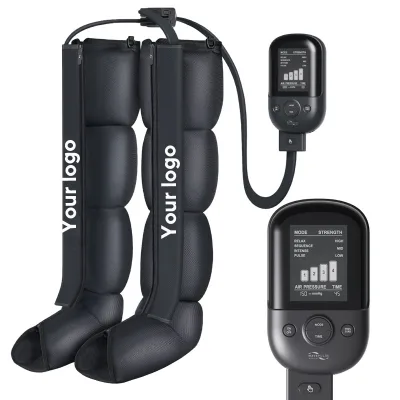
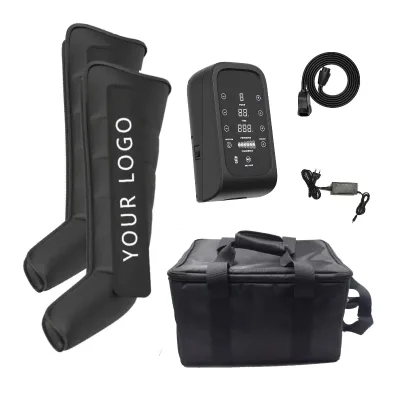
Physical Therapy Air Compression Massager Foot Compression Machine Recovery Boots
$110.00 - $210.00
MOQ: 50 Sets

Wireless 5 Chamber Recovery Boots Built in Air Compression Therapy System Boots
$91.00 - $92.00
MOQ: 100 Pieces

Physical Therapy Air Pressure Compression Foot Leg Massager Machine Recovery Boots
$110.00 - $210.00
MOQ: 50 Sets


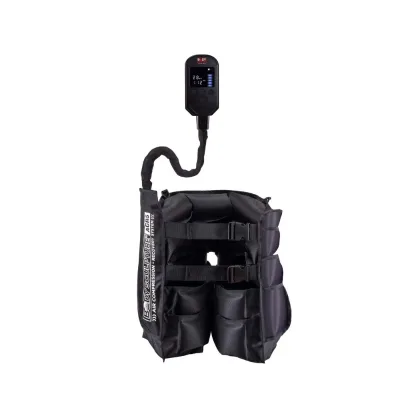
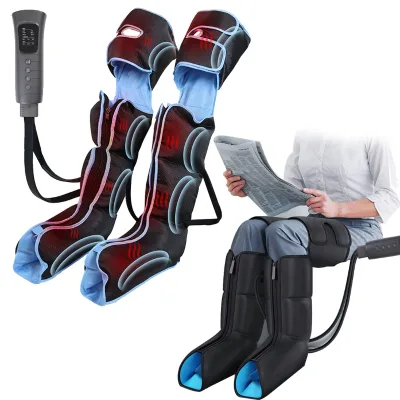

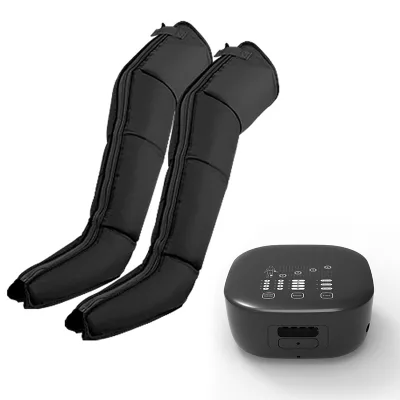


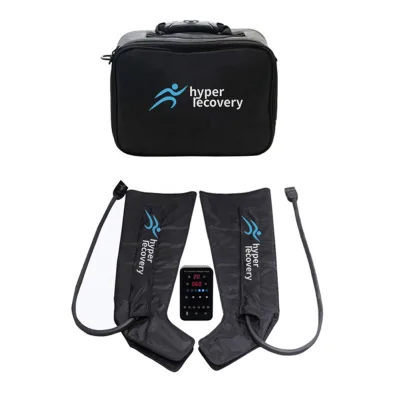

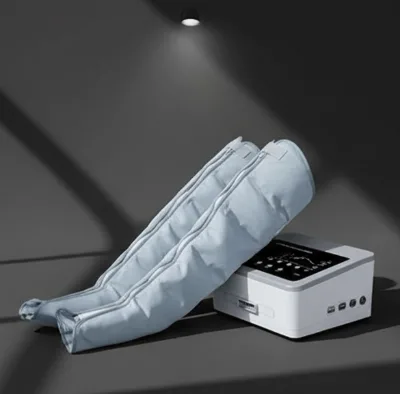


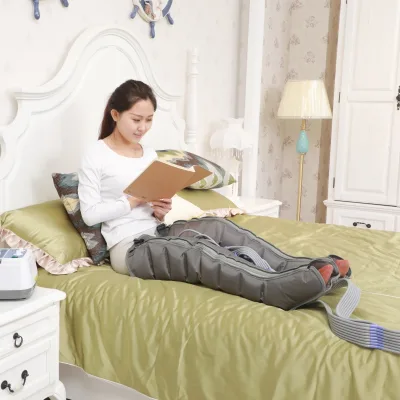
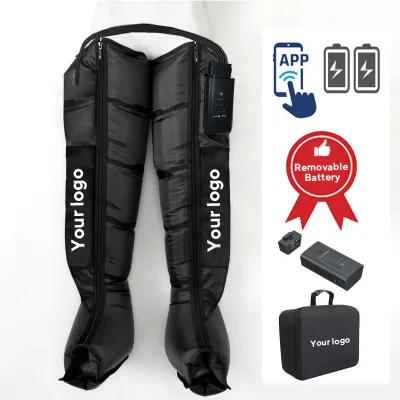
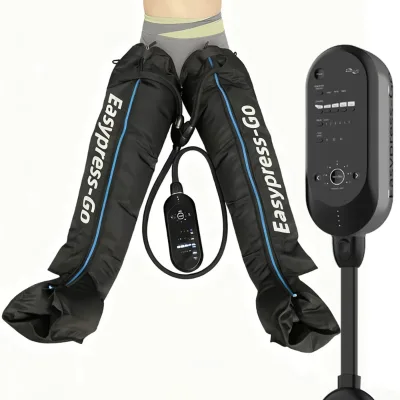
Comprehensive Sourcing Guide
Infrared Pressotherapy Air Compression Boots Sourcing Guide
The market for Infrared Pressotherapy Air Compression Boots has evolved to include sophisticated pneumatic systems designed for both clinical recovery and home wellness. These devices utilize air wave technology to apply sequential pressure to the limbs, aiming to improve blood circulation and reduce muscle fatigue. Buyers should recognize that while the core mechanism remains consistent, the integration of infrared features and the specific chamber configurations vary significantly across different models and manufacturers.
Procurement decisions for these devices require a clear understanding of the distinction between standard air compression units and those claiming advanced infrared capabilities. The supplied data indicates a range of models, from basic leg massagers to complex systems with multiple modes and pressure settings. Sourcing professionals must verify that any infrared claims are supported by specific technical documentation, as the primary observed function in the current listings focuses on air compression therapy rather than thermal therapy, necessitating careful validation of product capabilities before purchase.
Product Scope and Observed Listing Signals
The observed product range includes various configurations of air compression leg massagers, with specific models identified such as the Fo3002, FO3001, and HF3001-O sports recovery units. These devices are generally categorized under orthopedics and pressotherapy, designed for adult use in home or clinical settings. The listings show a diversity in cuff materials, primarily utilizing TPU, and offer customization options for different body parts including legs, arms, and waists, indicating a flexible product scope that can be tailored to specific therapeutic needs.
Buyers will encounter a wide spectrum of operational parameters, with pressure ranges observed between 30mmHg and 250mmHg and timing options extending from 10 to 90 minutes depending on the specific model. The mode types vary significantly, with some units offering 5 or 6 distinct modes labeled A through G, while others provide specific chamber counts ranging from 4 to 8 chambers. This variability suggests that procurement strategies must be highly specific, as a single "one-size-fits-all" approach is unlikely to satisfy the diverse requirements of different end-users or clinical protocols.
Technical Specifications to Verify
When evaluating technical specifications, the power consumption and battery capacity are critical differentiators that impact portability and usage duration. The data reveals units with power ratings around 30W, while battery capacities vary notably between 2600mAh and 5200mAh, directly influencing the device's ability to operate independently of a power source. Buyers must verify the actual runtime claims against these battery specifications, as the timing settings observed range from 10-60 minutes to 10-90 minutes, and the actual performance will depend on the selected pressure and mode intensity.
Cuff dimensions and chamber configurations are equally vital for ensuring the device fits the target demographic and delivers effective therapy. The observed leg sizes range from 91cm to 125cm, with arm sizes listed at 87cm and 90cm, requiring buyers to confirm that the selected model accommodates the specific anthropometric data of their intended user base. Additionally, the presence of an LCD display and the inclusion of accessories like remote controls and carry bags should be verified, as these features significantly affect the user experience and the perceived value of the unit in a competitive market.
Compliance and Safety Documentation
Regulatory compliance is a non-negotiable aspect of sourcing medical-grade compression devices, with the observed listings citing certifications such as ISO, CE, and FDA. Some specific models reference ISO13485, which is the international standard for quality management systems specific to medical devices, while others list general ISO and CE marks. Buyers must demand current, verifiable certificates for each specific model they intend to purchase, as the presence of a certification on a general product page does not guarantee that every variant or configuration meets the required safety and performance standards for the target market.
The distinction between different certification levels is crucial for market access and liability protection. While some listings mention FDA and ISOCE, others specify CE and ISO13485, indicating varying levels of regulatory scrutiny and quality assurance. Procurement teams should verify that the supplier can provide the specific test reports and conformity declarations required by the destination country's regulatory body, ensuring that the device is legally cleared for sale and use in the intended region without risking customs delays or legal penalties.
Cost Drivers and Commercial Terms
The pricing for these devices is influenced by a complex mix of factors including the number of chambers, battery capacity, and the inclusion of advanced features like LCD displays and remote controls. The observed price range spans from 31 USD to 1700 USD, reflecting the vast difference between basic manual units and high-end digital systems with extensive customization options. Buyers should analyze the cost per feature to determine the true value proposition, as a lower price point may indicate a reduction in chamber count, battery life, or the absence of critical safety certifications.
Minimum Order Quantities (MOQ) and packaging requirements also play a significant role in the total cost of ownership and logistics planning. The observed MOQ ranges from 1 to 200 units, offering flexibility for small-scale buyers while potentially requiring larger commitments for bulk procurement. Packaging varies from simple cartons to color boxes with carry bags and backpacks, and these variations can impact shipping costs and the final retail presentation. Buyers must negotiate terms that align with their inventory strategy, considering whether the added cost of premium packaging justifies the enhanced unboxing experience for the end consumer.
Supplier Qualification and Quality Control
Supplier qualification should extend beyond the basic listing of origin, which is consistently noted as China, to include a rigorous assessment of their manufacturing capabilities and quality control processes. The availability of customization options suggests that suppliers have the flexibility to adapt products, but buyers must verify the supplier's ability to maintain consistent quality across customized batches. It is essential to request samples that match the exact specifications of the intended order to validate the build quality, material durability, and the accuracy of the pressure and timing functions before committing to a larger volume.
Quality control protocols must be explicitly defined in the purchase agreement, particularly regarding the testing of critical components like the TPU cuffs and the electronic control units. Buyers should insist on pre-shipment inspections that verify the functionality of all modes, the integrity of the battery, and the accuracy of the pressure readings against the specified ranges. Given the medical nature of the application, a robust quality assurance plan that includes random sampling and functional testing is necessary to mitigate the risk of product failure and ensure that every unit meets the agreed-upon performance standards.
Long-Term Procurement Checks
Sourcing these devices is not a one-time transaction but requires a strategy for long-term support and supply chain stability. Buyers should establish clear agreements regarding the availability of spare parts, such as replacement cuffs, batteries, and remote controls, to ensure the longevity of the product in the market. The observation of various models like the FO3001-Digital and HF3001-O indicates a dynamic product line, and suppliers must demonstrate a commitment to maintaining inventory and providing technical support for older models to prevent obsolescence issues for their customers.
Continuous monitoring of regulatory changes and market trends is essential for maintaining compliance and competitiveness over time. As standards evolve, particularly in the medical device sector, suppliers must be proactive in updating their products to meet new requirements and certifications. Buyers should schedule regular reviews with their suppliers to assess product performance, gather feedback from end-users, and ensure that the supply chain remains resilient against potential disruptions, thereby securing a reliable source for their Infrared Pressotherapy Air Compression Boots.
FAQs
What are the available pressure ranges for these air compression boots?
The pressure range typically spans from 30 to 250 mmHg. This wide spectrum allows users to adjust intensity based on their specific recovery needs or medical requirements. Higher pressures are often used for deeper tissue massage, while lower settings suit sensitive skin or initial therapy sessions.
How many compression modes are available on the device?
Most models offer six distinct modes labeled A through G. These modes provide varied compression patterns to enhance blood circulation and reduce muscle fatigue. Users can select the appropriate setting based on whether they need gentle relaxation or intense post-exercise recovery support.
Can I customize the leg cuff sizes for different users?
Yes, customization is available for various leg sizes. Standard options include cuffs measuring 91cm, 110cm, and 125cm in circumference. This flexibility ensures a secure fit for different body types, which is essential for effective air compression therapy and preventing slippage during use.
What certifications do these pressotherapy devices usually hold?
Devices often carry ISO, CE, and FDA certifications. These credentials indicate compliance with international safety and quality standards for medical or wellness equipment. Buyers should verify specific certificates with suppliers to ensure the product meets regulatory requirements in their target market.
What is the typical power consumption of the unit?
The standard power consumption is approximately 30W. This efficient rating ensures safe operation for home or clinical use without excessive energy drain. The low power draw also contributes to the portability of units equipped with internal batteries for mobile therapy applications.
How long can the timing settings be adjusted for a session?
Timing options generally range from 10 to 90 minutes. Users can select durations like 10, 20, 30, 40, 50, or 60 minutes depending on their therapy goals. Longer sessions may be used for deep recovery, while shorter ones suit quick post-workout relief.