Source Infrared Remote Control Game Timer for classrooms, events, and gaming
Explore 30 options for the Infrared Remote Control Game Timer, comparing features like display size, material, and timing functions. Buyers can evaluate specifications from manufacturers in China to find suitable units for educational, event, or gaming applications.
Key considerations
Products List
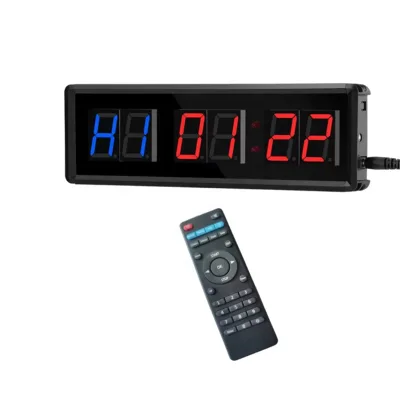
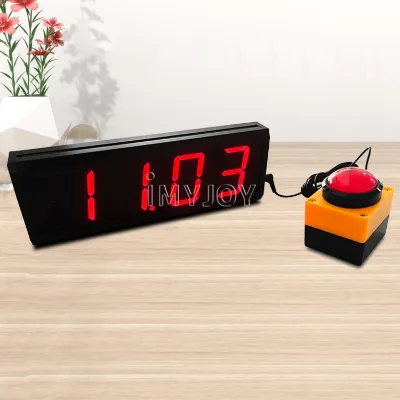
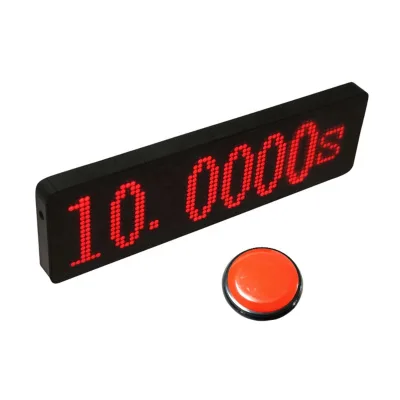
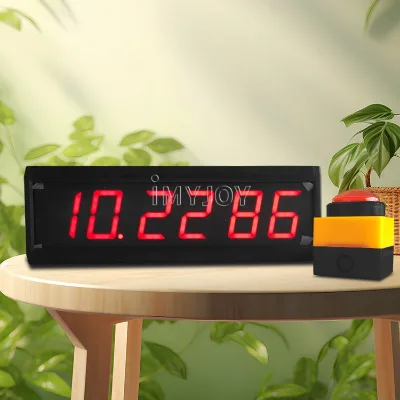

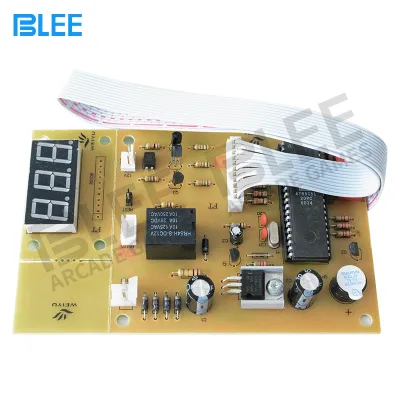


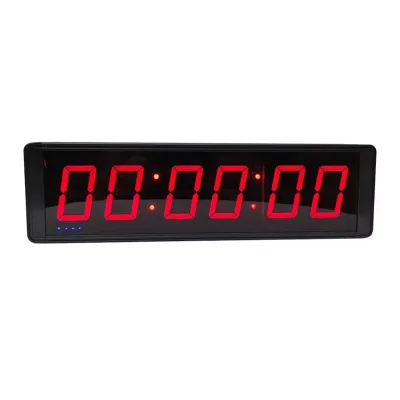
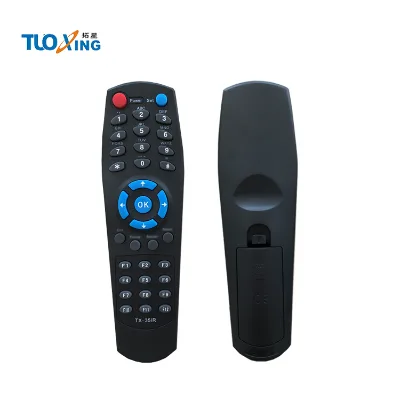
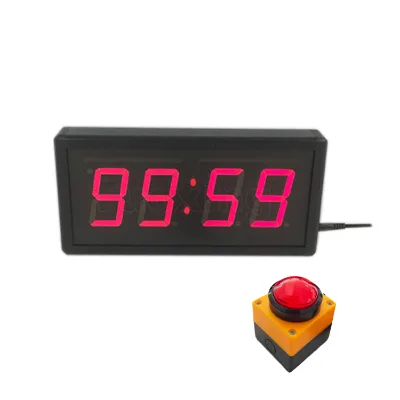






Comprehensive Sourcing Guide
Strategic Sourcing Guide for Infrared Remote Control Game Timers
Understanding the Product Category and Core Functionality
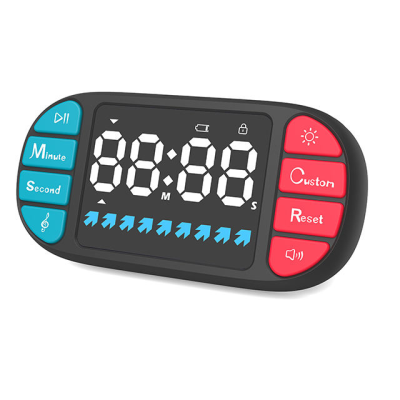
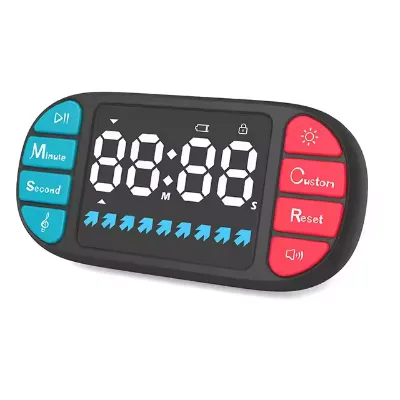
The Infrared Remote Control Game Timer represents a specialized segment within the broader digital timing and gaming accessory market. These devices are engineered primarily to facilitate structured time-based challenges, often utilized in educational settings, competitive gaming events, and team-building activities. The core functionality revolves around precise countdown and countup mechanisms, allowing users to set specific time limits for tasks or games. Unlike standard kitchen timers, these units often feature enhanced display capabilities, such as LED progress bars and large digit displays, to ensure visibility across a room. The product category includes variations ranging from simple countdown clocks to complex systems with multiple alarm levels and visual cues.
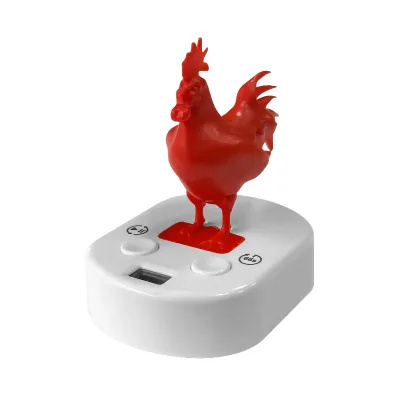
When sourcing these items, buyers must distinguish between devices that function as standalone timers and those designed as "imitation-joystick" consoles. The latter often mimic the aesthetic of gamepads to enhance user engagement, particularly for younger demographics or specific gaming challenges. The primary control method for the target keyword involves an infrared remote, which allows for non-contact operation. This feature is critical for scenarios where the timer is placed centrally, and multiple participants need to start, stop, or reset the device without physically touching it. The supply chain for these products is heavily concentrated in China, with specific manufacturing hubs in Zhejiang and Fujian provinces. Understanding the distinction between these regional production centers can help buyers anticipate variations in build quality and design philosophy, as different factories may specialize in either the electronic components or the plastic molding aspects of the device.
Technical Specifications and Performance Parameters
Evaluating the technical specifications of infrared remote control game timers requires a close examination of the power supply, display technology, and timing capabilities. The market presents a diverse range of power configurations. Some units operate on standard AC power with a rated voltage of 220V, while others are designed for DC12V operation, often utilizing battery backups or external adapters. This variance is a critical factor for procurement, as it dictates the compatibility with existing power infrastructure in the buyer's target market. For portable applications, the inclusion of a battery indication feature is essential, ensuring users are alerted when the power source is depleted.
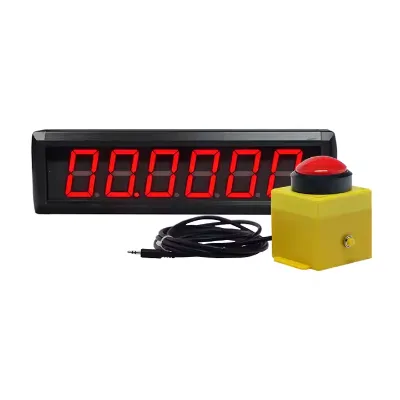
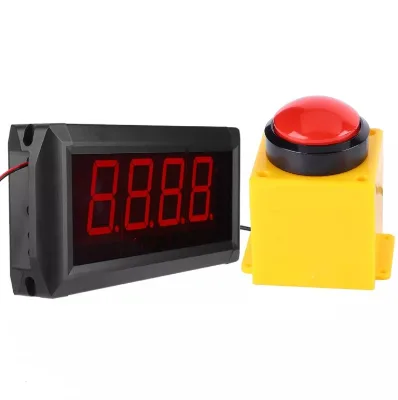
The display technology is another pivotal specification. Most high-confidence data points indicate the use of LED displays, which offer high brightness and visibility. Buyers should verify the specific digit count and screen size, as options range from 1-inch 4-digit displays to larger 4-inch 6-digit models. The visual interface often includes a timer progress bar, providing an intuitive graphical representation of the remaining time. This feature is particularly valuable in competitive environments where quick visual assessment is necessary. Furthermore, the maximum setting time varies significantly across product lines. While some models are limited to 99 minutes and 59 seconds, others support settings up to 24 hours or even fixed times exceeding 24 hours. This flexibility allows the same product category to serve both short-duration gaming challenges and long-term project tracking.
The control interface is defined by the infrared remote capability, which typically includes start, stop, and reset functions. Some advanced models offer additional features such as multiple ringtones, including beep and music options, and adjustable alarm levels. The ability to customize the sound output is a significant value-add for users who require distinct audio cues for different game phases. Additionally, the physical design often incorporates a "unique game appearance," mimicking console aesthetics to enhance the thematic experience. The material composition is predominantly aluminum alloy or plastic, with aluminum alloy models offering a more premium, durable feel, while plastic models provide cost-effective, lightweight alternatives.
Compliance, Certification, and Safety Standards
Navigating the compliance landscape for electronic game timers requires a rigorous approach to safety and regulatory standards. While specific certification data for individual listings may vary, buyers must ensure that any supplier claims regarding compliance are substantiated by valid documentation. The product category generally falls under electrical safety regulations, which mandate that devices meet specific voltage and frequency requirements. For instance, units operating at 220V must align with the frequency standards of the target region, typically 50Hz or 60Hz depending on the country.
In the context of the supplied data, there are references to ISO 27001 and CE certification as background elements. However, buyers should treat these as potential indicators rather than guaranteed attributes for every unit. The CE mark, in particular, is a critical requirement for selling electronic goods in the European market, indicating conformity with health, safety, and environmental protection standards. It is the buyer's responsibility to request current, valid certificates from the supplier before finalizing any purchase. Relying on unverified claims can lead to customs delays or legal liabilities.
Safety standards also extend to the physical construction of the device. The use of materials like aluminum alloy and plastic must meet flammability and toxicity regulations. For products intended for children or educational use, additional safety checks regarding small parts and electrical insulation are necessary. The warranty period, often cited as one year, serves as a baseline for the manufacturer's confidence in their product's durability. Buyers should verify if this warranty covers specific components, such as the infrared receiver or the display module, as these are common points of failure in electronic timers.
Cost Drivers and Pricing Structure Analysis
The pricing of infrared remote control game timers is influenced by a complex interplay of factors, including material costs, manufacturing complexity, and order volume. The observed price range in the market spans from $0.50 to $120.00, reflecting the vast diversity in product quality and feature sets. At the lower end of the spectrum, products are likely constructed from basic plastic materials with simple LED displays and limited functionality. These units often serve as entry-level tools for casual use or high-volume distribution where cost is the primary driver.
Conversely, the higher price points correspond to devices featuring aluminum alloy construction, larger displays, and advanced features such as multiple ringtones, progress bars, and robust remote control systems. The inclusion of a "unique game appearance design" and the use of premium materials like aluminum alloy significantly increase the unit cost. Additionally, the complexity of the electronic circuitry required to support long-duration timing (up to 24 hours) and multiple alarm levels adds to the manufacturing expense.
Minimum Order Quantity (MOQ) is another critical cost driver. The observed MOQ range spans from 1 to 20,000 units. For buyers seeking to test the market or fulfill small-scale needs, suppliers with low MOQs are essential. However, these orders often come with a higher per-unit cost. As the order volume increases, economies of scale typically kick in, reducing the unit price. Buyers must balance the initial investment against the long-term cost savings. The packaging requirements also play a role in the final cost. Single package sizes vary, with some units measuring 85x20x10 cm and others as compact as 16x5x12 cm. Larger packaging dimensions increase shipping costs, which can significantly impact the total landed cost for international buyers.
Typical Applications and Use Cases
The versatility of infrared remote control game timers makes them suitable for a wide array of applications across different sectors. In the gaming industry, these devices are used to create structured challenges, such as the "10s challenge," where participants must complete a task within a strict time limit. The remote control feature allows for seamless operation, enabling game hosts to manage the timer without interrupting the flow of the game. The "imitation-joystick" design enhances the immersive experience, making the timer an integral part of the game console aesthetic.
In educational settings, these timers are invaluable tools for classroom management and time-based learning activities. Teachers can use the countdown feature to allocate specific time slots for assignments, quizzes, or group discussions. The visual progress bar and large digit displays ensure that students can easily track the remaining time, fostering a sense of urgency and time management. The ability to set different alarm levels and ringtones allows educators to customize the auditory feedback to suit the classroom environment.
For corporate and team-building events, these timers facilitate competitive activities that require precise timing. The remote control capability is particularly useful in large venues where the timer needs to be visible from a distance. The "multifunctional" nature of these devices allows them to be adapted for various scenarios, from short bursts of activity to longer-duration challenges. The "all seasons" designation indicates that these products are suitable for year-round use, regardless of the environmental conditions.
Supplier Evaluation and Quality Control Protocols
Selecting the right supplier for infrared remote control game timers requires a comprehensive evaluation of their capabilities, reputation, and quality control processes. Buyers should prioritize suppliers with a proven track record in manufacturing electronic gaming accessories. The location of the supplier, specifically in Zhejiang or Fujian, China, can provide insights into their specialization. Zhejiang is known for its robust manufacturing infrastructure, while Fujian may offer specific expertise in plastic molding and electronic assembly.
Quality control is paramount to ensuring that the delivered products meet the buyer's specifications. Buyers should request detailed information on the supplier's quality assurance protocols, including in-process inspections and final testing procedures. Key areas to verify include the functionality of the infrared remote, the accuracy of the timing mechanism, and the durability of the display. The "single gross weight" of the product, ranging from 0.500 kg to 3.000 kg, can serve as a proxy for build quality; heavier units often indicate the use of more substantial materials like aluminum alloy.
Buyers should also assess the supplier's ability to handle customizations. The "single package size" and "model number" variations suggest that suppliers may offer different configurations. Ensuring that the supplier can accommodate specific requirements, such as custom branding or unique packaging, is essential for maintaining brand consistency. The warranty period, typically one year, should be clearly defined in the contract, outlining the terms for repairs or replacements in case of defects.
Long-Term Procurement and Supply Chain Considerations
Establishing a long-term procurement strategy for infrared remote control game timers involves more than just securing a one-time purchase. Buyers must consider the stability of the supply chain, the potential for product evolution, and the scalability of the partnership. The "selling units" being listed as "single item" suggests that the market supports both bulk and individual sales, offering flexibility for buyers with varying needs. However, for large-scale operations, establishing a consistent supply relationship is crucial to mitigate risks associated with supply disruptions.
Lead times and production capacity are critical factors in long-term planning. While specific lead time data is not provided in the source material, buyers should inquire about the supplier's ability to scale production during peak demand periods. The "fixed time" and "max setting time" capabilities of the devices may evolve as technology advances, so buyers should ensure that the supplier remains committed to innovation and product improvement.
Sustainability and environmental compliance are increasingly important in the procurement landscape. Buyers should verify that the materials used, such as aluminum alloy and plastic, are sourced responsibly and that the manufacturing process adheres to environmental standards. The "battery indication" feature and the potential for battery-powered operation highlight the need for efficient power management, which can reduce energy consumption and environmental impact.
In conclusion, sourcing infrared remote control game timers requires a meticulous approach that balances technical specifications, compliance requirements, cost considerations, and supplier reliability. By leveraging the available data and conducting thorough due diligence, buyers can identify high-quality products that meet their specific needs and contribute to the success of their projects. The diverse range of options available in the market, from basic plastic models to premium aluminum alloy units, ensures that there is a solution for every application, provided the buyer takes the time to evaluate the nuances of each product and supplier.
FAQs
What control methods are available for the Infrared Remote Control Game Timer?
The device supports infrared remote control alongside start, stop, and reset buttons. This allows non-contact operation for game hosts while providing physical buttons for direct interaction when needed.
Which materials are used to construct the Infrared Remote Control Game Timer?
Manufacturers typically use aluminum alloy or plastic for the casing. Aluminum alloy models offer a premium, durable feel, while plastic options provide a lightweight and cost-effective alternative for various budgets.
How long can the Infrared Remote Control Game Timer be set to run?
Maximum setting times vary by model, with some supporting up to 24 hours or even exceeding 24 hours. Other units are limited to shorter durations like 99 minutes and 59 seconds for specific challenges.
Can the Infrared Remote Control Game Timer operate on different power supplies?
Yes, units are available with rated voltages of 220V or DC12V power supplies. Buyers must verify the specific power requirement to ensure compatibility with their local electrical infrastructure or battery adapters.
What display options are available for the Infrared Remote Control Game Timer?
Displays range from 1-inch 4-digit models to larger 4-inch 6-digit screens. Many feature LED technology with progress bars and adjustable brightness levels to ensure visibility in various lighting conditions.
Which locations manufacture the Infrared Remote Control Game Timer?
Production is concentrated in China, specifically in Zhejiang and Fujian provinces. These regional hubs specialize in different aspects of manufacturing, from electronic components to plastic molding for the device casings.
What warranty is typically provided for the Infrared Remote Control Game Timer?
A standard one-year warranty is commonly offered by manufacturers. This coverage generally protects against defects in materials and workmanship, though specific component coverage should be verified with the supplier.