Source Ingersoll Rand Temperature Switch Sensor for Compressors
Find 30 verified Ingersoll Rand Temperature Switch Sensor options for manufacturing plants and air compressor maintenance. Compare specifications, prices, and lead times from multiple suppliers to ensure optimal performance for your industrial equipment needs; compare the available evidence and request quotations based on your requirements.
Key considerations
Products List


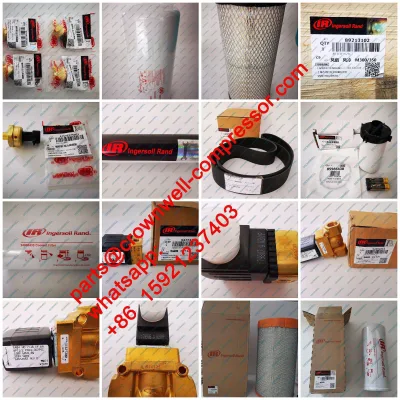
Temperature Sensor 36898922 Apply to Ingersoll Rand Air Compressor Parts
$49.90 - $55.00
MOQ: 1 pieces




Comprehensive Sourcing Guide
Ingersoll Rand Temperature Switch Sensor Sourcing Guide
Buyers seeking replacement components for Compair and general air compressor systems must first distinguish between standard and customized offerings. The market presents a mix of non-customized standard components alongside options that allow for specific customization, requiring careful review of the product listing to ensure the part matches the exact operational requirements of the machinery.
Procurement decisions should also account for the specific model numbers associated with these sensors, such as 24070286, 39560628, and 19035641, which indicate distinct functional variants. Verifying the exact part number against the equipment manual is essential, as the sensor must integrate seamlessly with the existing controller and temperature switch mechanisms to prevent system failure.
Product Scope and Observed Listing Signals
The observed product listings reveal a diverse range of sensor types, including temperature sensors and pressure sensors specifically designed for air compressors. These items are frequently marketed as ordinary products but may include specialized features like oil stop valves, solenoid valves, and various seals, indicating a broad scope that extends beyond simple temperature monitoring to comprehensive system protection.
Buyers must carefully examine the packaging and material specifications, as listings vary between cardboard boxes, carton packing, and standard packages, with materials ranging from copper to stainless steel. Understanding these physical attributes is critical for logistics planning and ensuring the component can withstand the specific environmental conditions of the manufacturing plant where it will be deployed.
Technical Specifications to Verify
Technical verification begins with confirming the exact model number, as the supply chain lists numerous identifiers like 36898922, 54592092, and 37952421 that correspond to different functional configurations. It is imperative to match the listed model number with the original equipment manufacturer's documentation to ensure compatibility with the specific air compressor unit, as even minor discrepancies can lead to operational inefficiencies.
Weight and condition are also critical technical parameters that buyers must validate, with observed listings specifying a weight of 1kg and a condition of new. While some standards mention values like 0.5kg, the actual delivered unit weight should be confirmed to ensure it fits within the spatial constraints of the equipment bay and meets the durability expectations for industrial applications.
Compliance and Safety Documentation
Safety and compliance verification requires checking for the provision of video outgoing-inspection services, which serve as a tangible proof of the product's condition before shipment. This visual verification step is particularly valuable for high-value industrial components, allowing the buyer to confirm that the sensor is free from physical defects and matches the description provided in the product listing prior to finalizing the transaction.
Buyers should also investigate the origin of the goods, noting that many listings specify production in China or Made in China. While this information helps in assessing supply chain logistics, it does not inherently guarantee compliance with specific international safety standards, so the buyer must request explicit documentation regarding any relevant certifications or safety tests performed on the specific batch of sensors.
Cost Drivers and Commercial Terms
Commercial terms are heavily influenced by the minimum order quantity, which ranges from 1 piece to 1000 pieces depending on the supplier and specific product configuration. Buyers with low-volume needs can often source single units, but those requiring bulk inventory for maintenance programs must negotiate terms that accommodate larger quantities while maintaining cost efficiency.
Pricing and delivery timelines are also significant cost drivers, with observed delivery times commonly ranging from 7 to 10 days. The warranty period, typically listed as one year, adds value to the purchase but should be weighed against the total cost of ownership, including potential shipping fees and the lead time required to receive the replacement part in the event of a failure.
Supplier Qualification and Quality Control
Supplier qualification should focus on the ability to provide detailed product attributes, such as the specific part number and applicable equipment compatibility, rather than relying solely on general marketing claims. The presence of features like modules, drain valves, and hoses in the listing suggests a comprehensive product line, but the buyer must verify that the specific supplier can consistently deliver the exact configuration required for their air compressor systems.
Quality control is further supported by the observation that video outgoing-inspection is provided for many listings, offering a layer of transparency in the manufacturing and packaging process. Buyers should leverage this feature to ensure that the stainless steel or copper components are free from defects and that the packaging, whether cardboard or carton, is sufficient to protect the sensor during transit.
Long-Term Procurement Checks
Long-term procurement strategies must include regular audits of the product model numbers and specifications to ensure they remain compatible with aging air compressor fleets. As equipment ages, the specific sensor requirements may shift, and maintaining a database of verified part numbers like 39438536 or 39158233 helps prevent the procurement of obsolete or incompatible components.
Buyers should also monitor the consistency of the warranty and delivery terms over time, as these factors directly impact operational continuity. Establishing a relationship with suppliers who consistently provide the one-year warranty and adhere to the 7-10 day delivery window ensures that maintenance schedules are met without unexpected downtime or supply chain disruptions.
FAQs
What models are available for the temperature switch sensor?
The available models include 24070286, 39560628, 19035641, 23522253, 23897838, 36898922, 54592092, 22483341, 37952421, 23681604, 54764964, 22275879, 35596436, 39438536, 22823199, 39158233, and 39587894. These part numbers cover various specifications for air compressor applications.
Can I customize the temperature switch sensor for my equipment?
Yes, customization is available for these sensors. Although the standard items are non-customized, the supplier offers customized options to meet specific requirements. Buyers should confirm details with the supplier to ensure the customized product fits their specific air compressor or manufacturing equipment needs.
What is the minimum order quantity for these sensors?
The minimum order quantity is one piece. This low MOQ allows buyers to purchase single units for testing or small-scale replacements. It provides flexibility for procurement teams who need to replace specific components without committing to large bulk orders immediately.
How long does delivery take for these sensors?
Delivery time is commonly seven to ten days. This standard lead time applies to most orders placed for these temperature switch sensors. Buyers should account for this duration when planning maintenance schedules or inventory replenishment for their air compressor systems.
What materials are used in these sensors?
The sensors are constructed from copper and stainless steel. These materials ensure durability and performance in industrial environments. The choice of materials supports the sensor's function in monitoring temperature and pressure within air compressors and other applicable equipment.
Are these sensors suitable for Compair air compressors?
Yes, these sensors are applicable for Compair air compressors. They are also compatible with general air compressor equipment. This versatility makes them suitable for various manufacturing plant applications where reliable temperature or pressure monitoring is required for operational efficiency.