Source Infusion Stand for Hospitals, Clinics, and Nursing Centers
Compare 30 Infusion Stand options from verified Chinese manufacturers. These medical devices feature adjustable heights, stainless steel or aluminum alloy construction, and are suitable for hospital, clinical, and nursing center applications; compare the available evidence and request quotations based on your requirements.
Key considerations
Products List
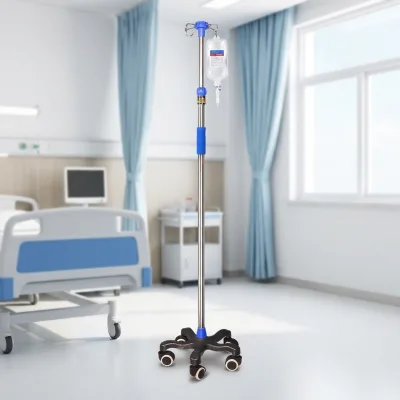


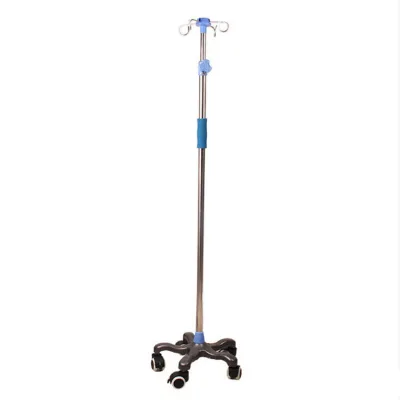
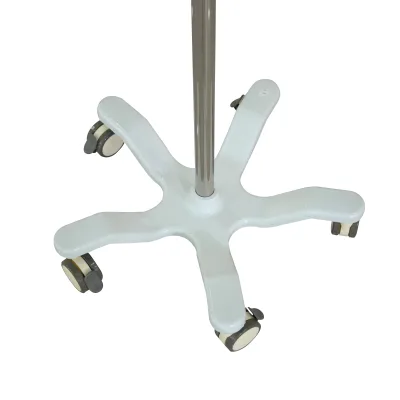
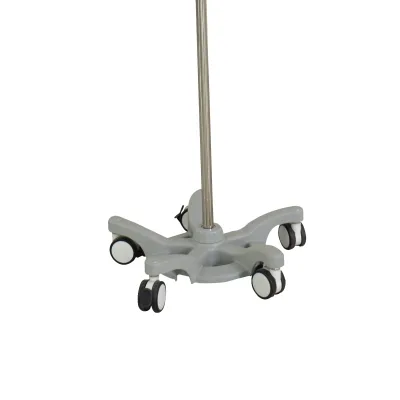


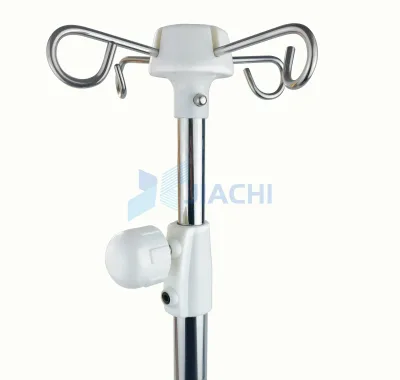
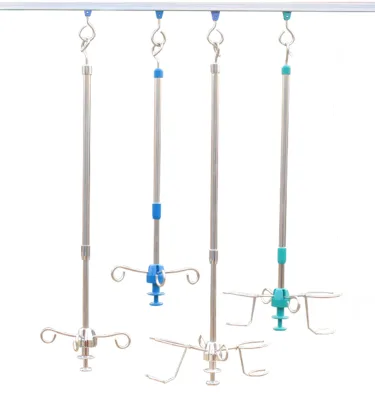


Movable IV Pole Infusion Stand Stainless Steel for Hospital Patient Use
$13.10 - $14.30
MOQ: 50 Pieces


Comprehensive Sourcing Guide
Infusion Stand Sourcing Guide
Procurement teams must first distinguish between the primary structural materials observed in the market, specifically noting the prevalence of stainless steel and aluminum alloy options. The supplied data indicates that while some units are constructed from stainless steel for durability, others utilize aluminum alloy to reduce overall weight, directly impacting the logistics and handling requirements for hospital staff. Buyers should verify the specific material composition for each order, as the choice between these metals influences the product's resistance to corrosion and its suitability for high-traffic clinical environments.
The functional design of these stands varies significantly, with some models featuring detachable components and foldable hooks to optimize storage space in crowded nursing centers. Observations confirm that certain units are equipped with two wheels and a locker mechanism, enhancing mobility for patient care, while others are designed as static supports. Sourcing strategies must account for these mechanical differences, ensuring that the selected equipment aligns with the specific workflow of the facility, whether it requires frequent repositioning or stable, fixed placement for long-term patient monitoring.
Product Scope and Observed Listing Signals
Market listings reveal a diverse range of product attributes, including specific model numbers like JDY01 and SLV-E4004, which often correlate with distinct height adjustment capabilities and structural dimensions. Buyers should carefully review the single package size and gross weight, as variations such as 138x38x21 cm and weights around 5.2 kg affect shipping costs and warehouse space allocation. It is critical to match the observed specifications, such as the 1800mm*840mm standard dimensions, with the physical constraints of the intended installation site to prevent logistical bottlenecks.
Commercial signals indicate a wide range of minimum order quantities, from single items to bulk orders of 1000 pieces, allowing flexibility for both small clinics and large hospital networks. The observed price range of 0.1 to 30 USD suggests significant variation based on material quality, brand reputation, and included features like online technical support or warranty periods. Procurement officers must analyze these signals to determine the optimal order volume that balances cost efficiency with the immediate operational needs of the facility, avoiding overstocking while ensuring sufficient inventory for patient care.
Technical Specifications to Verify
Verification of the height adjustment mechanism is paramount, as the data highlights adjustable features essential for accommodating patients of different sizes and care requirements. Buyers must confirm that the adjustable height aligns with the specific clinical standards of their facility, ensuring that the stand can be safely raised or lowered without compromising stability. The presence of foldable hooks and specific wheel configurations, such as two wheels with a locker, should be physically inspected to ensure they meet the mobility and storage demands of the nursing center.
Material integrity is another critical technical parameter, with listings specifying stainless steel, aluminum alloy, and plastic components that must be evaluated for durability and hygiene. The classification of these devices as Class I instruments implies a lower risk profile, yet the material composition must still be verified to ensure resistance to frequent cleaning and disinfection protocols. Procurement teams should request detailed material certificates to confirm that the aluminum alloy or stainless steel meets the necessary corrosion resistance standards for long-term use in clinical settings.
Compliance and Safety Documentation
Regulatory compliance is a non-negotiable aspect of sourcing medical infusion stands, with observed certifications including CE, ISO, and ISO13485 serving as key indicators of quality management systems. Buyers must verify that the specific batch of products carries valid certification documents, as these standards ensure that the manufacturing process adheres to international safety and quality benchmarks. The presence of FDA and CE markings in the data suggests that some models are cleared for specific markets, but procurement teams must confirm that the certifications are current and applicable to the destination country's regulatory requirements.
Safety documentation should also encompass the warranty terms and after-sales support structures provided by the manufacturer, which are listed as one-year warranties and online technical support in the observed data. These support mechanisms are vital for maintaining operational continuity, ensuring that any technical issues with the infusion stands can be resolved promptly without disrupting patient care. Buyers should explicitly include clauses in their contracts that mandate the supplier's adherence to these warranty terms and the availability of responsive technical assistance to mitigate potential downtime.
Cost Drivers and Commercial Terms
The total cost of ownership is influenced by several factors, including the choice of material, the complexity of the design, and the inclusion of value-added services like OEM customization. While the observed price range is broad, the actual cost per unit will depend on the order volume, with MOQs ranging from one piece to one thousand pieces affecting the unit price significantly. Procurement teams must negotiate based on the specific material requirements, such as stainless steel versus aluminum alloy, to ensure that the budget aligns with the desired quality and durability standards.
Commercial terms regarding packaging and shipping are equally critical, as the data indicates standard carton packaging and export cartons that must be evaluated for their protective capabilities during transit. The single gross weight of 5.2 kg and the specific package dimensions must be factored into the logistics planning to optimize freight costs and minimize the risk of damage during delivery. Buyers should clarify whether the supplier accepts OEM requests and if customization is available, as these factors can impact the final price and the lead time required to fulfill the order.
Supplier Qualification and Quality Control
Supplier qualification requires a thorough assessment of the manufacturer's business type and location, with observed data pointing to manufacturers based in Hebei, Guangdong, and Zhejiang, China. Buyers should verify the supplier's production capacity and quality control processes to ensure consistent output, especially given the variation in materials and models observed in the market. The presence of a "Manufacturer" business type suggests direct sourcing opportunities, but it is essential to confirm that the supplier has the necessary infrastructure to maintain the high standards required for medical equipment.
Quality control measures must be rigorously applied to ensure that every unit meets the specified standards, including the condition of being new and the availability of customization options. Procurement teams should implement a pre-shipment inspection protocol to verify that the products match the agreed-upon specifications, such as the color, weight, and functional features like foldable hooks. This step is crucial to prevent the receipt of substandard goods and to ensure that the infusion stands are ready for immediate deployment in hospital or nursing center environments.
Long-Term Procurement Checks
Establishing a long-term relationship with suppliers involves regular performance reviews to ensure that the quality and service levels remain consistent over time. Buyers should monitor the supplier's ability to meet delivery schedules and maintain the one-year warranty terms, as these factors are critical for the reliability of the medical equipment supply chain. Regular audits of the supplier's production facilities and quality control systems can help identify potential issues before they impact the delivery of essential medical supplies to patients.
Continuous improvement in the procurement process requires staying informed about updates in industry standards and technological advancements in Infusion Stand design. Buyers should periodically review the market for new models that offer enhanced features, such as improved mobility or better material durability, to ensure that their inventory remains up-to-date. By maintaining a proactive approach to supplier management and product evaluation, organizations can ensure a steady supply of high-quality infusion stands that meet the evolving needs of patient care.
FAQs
What materials are used for infusion stands?
Infusion stands are commonly constructed from stainless steel, aluminum alloy, or plastic to ensure durability and ease of cleaning. Some models feature a combination of metal frames with plastic components for lightweight handling while maintaining structural integrity for hospital and nursing center applications.
Can I customize the design of an Infusion Stand?
Yes, customization is available for many Infusion Stand models to meet specific facility requirements. Buyers can request changes to dimensions, colors, or features like foldable hooks and adjustable heights, provided the manufacturer accepts OEM orders and the customization aligns with standard production capabilities.
What is the minimum order quantity for infusion stands?
The minimum order quantity varies by supplier but can start as low as one piece for single items. Some manufacturers may require higher volumes up to 1000 pieces depending on the specific model, material, and customization level requested by the buyer for their procurement needs.
How do I find infusion stands with ISO certification?
You can locate infusion stands with ISO certification by filtering supplier listings for products meeting ISO13485 or ISO standards. Many manufacturers in China, such as those in Guangdong or Zhejiang, offer certified medical devices that comply with international safety and quality requirements for clinical use.
What warranty is typically provided for medical infusion stands?
A standard warranty of one year is often provided for new medical infusion stands upon purchase. This coverage typically includes support for manufacturing defects and may be accompanied by online technical assistance to ensure the equipment remains functional throughout its intended service life in hospitals.
Are infusion stands suitable for outdoor use?
While most infusion stands are designed for indoor clinical or hospital environments, some specific models are rated for outdoor use. These units often feature robust materials like aluminum alloy and durable wheels to withstand varying conditions while supporting patient care needs in different settings.