Source Injection Molded Baby Tricycle for Play, Travel, and Gifts
Find and compare 30 Injection Molded Baby Tricycle options from China. Evaluate steel frames, air tires, and braking systems for toddlers. Review pricing, MOQs, and packing standards to select the right model for retail or wholesale distribution.
Key considerations
Products List


Hot Baby Carrier Tricycle Carrier Tricycle Manufacturers Baby Child Tricycle
$16.78 - $43.22
MOQ: 100 pcs


Hot Sale Kids Tricycle Two- Seat Tricycle with Back Pedal Children Tricycle
$9.00 - $10.00
MOQ: 1 Pieces


Baby Tricycle/Child Tricycle/Kids Tricycle for 1 Year Old /Baby Trike 3 Wheels
$16.78 - $43.22
MOQ: 100 pcs


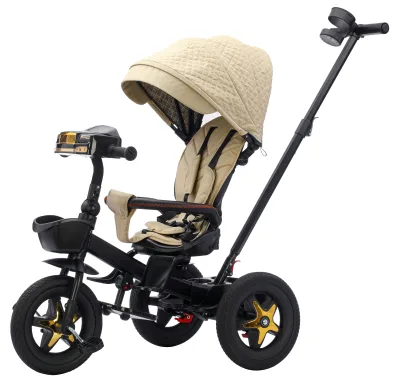

New Model Tricycle for Kids Folding for Mom and Baby Tricycle Gold Baby
$33.00 - $35.00
MOQ: 500 Pieces


Comprehensive Sourcing Guide
Injection Molded Baby Tricycle Sourcing Guide
Sourcing injection molded baby tricycles requires a nuanced understanding of manufacturing processes, material safety, and commercial terms that differ significantly from standard metal-frame alternatives. Buyers must navigate a landscape where plastic components dominate the structural and aesthetic elements, offering distinct advantages in weight reduction and design flexibility while introducing specific concerns regarding durability and regulatory compliance. This guide provides evidence-based procurement strategies to help buyers evaluate suppliers, verify technical specifications, and mitigate risks associated with importing children’s mobility products from global manufacturing hubs.
The following sections detail the critical verification steps, cost drivers, and quality control measures necessary for successful procurement. By focusing on observable listing signals and mandatory compliance documentation, buyers can build a robust supplier base that delivers safe, high-quality products. The guidance herein is derived from observed market data and trusted category knowledge, ensuring that all recommendations are grounded in verifiable facts rather than speculative claims.
Product Scope and Observed Listing Signals
The current market for injection molded baby tricycles exhibits a wide range of product configurations, primarily distinguished by wheel size, frame material, and target age groups. Observed listings indicate a prevalence of models with wheel sizes ranging from 8 to 12 inches, catering to toddlers and young children. The material composition often involves a hybrid approach, where the main frame may be constructed from steel for structural integrity, while critical components such as rims, seats, and body panels are injection molded from PVC or other durable plastics. This combination allows for vibrant, consistent coloring, such as the pink variants frequently observed, while maintaining the necessary load-bearing capacity for child safety.
Commercial signals from suppliers reveal significant variability in minimum order quantities (MOQ) and packaging standards. While some suppliers offer low MOQs of 100 pieces to facilitate trial orders, others, particularly those offering OEM services, may require volumes exceeding 10,000 units. Packaging is a critical logistical factor, with options ranging from export-standard cartons to specialized SKD (Semi-Knocked Down) packing, which can reduce shipping volume and costs. Buyers should carefully review the gross and net weights of individual units, which typically range from 7.8 kg to 10.83 kg, to accurately calculate freight expenses and warehouse handling requirements.
Technical Specifications to Verify
When evaluating technical specifications, buyers must prioritize the verification of wheel construction and braking mechanisms. The presence of air tires is a notable feature in some models, offering superior shock absorption compared to solid plastic wheels, which is crucial for comfort on uneven surfaces. However, air tires introduce potential maintenance issues and require careful inspection for puncture resistance. Additionally, the inclusion of a brake system is a standard safety feature in observed listings, but buyers must verify the type of brake (e.g., foot brake, hand brake) and its effectiveness in stopping the tricycle on inclines. The maximum bearing weight, often cited around 45 kg, should be cross-referenced with the intended user age group, typically defined as under 3 years or 3-8 years, to ensure the product meets the expected durability standards.
Frame geometry and folding mechanisms are other critical technical aspects that influence usability and storage. While some models are designed to remain unfolded for stability, others may offer folding capabilities for portability, although observed data suggests many baby tricycles are sold in an unfolded state. The model numbers, such as HC-9988, Bc010, or D399, serve as unique identifiers for suppliers, but buyers should not rely solely on these codes. Instead, they should request detailed dimension drawings and assembly instructions to verify compatibility with their local market’s storage and display requirements. The use of injection-molded plastic for rims and body parts must be assessed for impact resistance, as brittle plastics can crack under stress, posing a safety hazard.
Compliance and Safety Documentation
Compliance with international safety standards is non-negotiable for baby tricycles, given the vulnerability of the target demographic. Buyers must insist on documentation that verifies adherence to relevant safety regulations, such as the CE mark for European markets or other regional equivalents. The presence of a CE certification indicates that the product meets essential health, safety, and environmental protection requirements, but buyers should request the full technical file and test reports to confirm that the specific model has been evaluated. It is also important to verify if the product complies with specific standards like EN 1888-1, which pertains to the safety of children’s bicycles, although this standard may not apply to all tricycle designs.
Chemical safety is another critical area of compliance, particularly for products intended for children under three years of age. Injection-molded plastic components must be free from harmful substances such as phthalates, lead, and BPA. Buyers should require suppliers to provide third-party laboratory test results confirming that the PVC and other plastic materials used meet strict chemical safety limits. Additionally, the warranty terms, which may extend up to five years in some observed listings, should be scrutinized to understand the supplier’s confidence in their product’s longevity and their commitment to after-sales support. A robust warranty policy can serve as an indicator of quality, but it must be backed by clear terms and conditions regarding coverage and claims processing.
Cost Drivers and Commercial Terms
The cost structure of injection molded baby tricycles is influenced by several key factors, including material costs, manufacturing complexity, and order volume. Steel frames and air tires generally contribute to higher material costs compared to all-plastic alternatives, while the injection molding process for complex plastic parts can add to the overall production expense. Buyers should analyze the unit price in the context of the observed range of 5-48 USD, recognizing that lower prices may correlate with reduced material quality or simpler designs. It is essential to request detailed cost breakdowns to understand how much of the price is attributed to materials, labor, and overhead, which can help in negotiating better terms.
Commercial terms, including payment methods, lead times, and shipping arrangements, play a significant role in the total cost of ownership. Suppliers may offer various payment terms, such as T/T or L/C, and buyers should negotiate terms that align with their cash flow requirements. Lead times can vary based on order size and production capacity, so it is crucial to establish clear timelines for production and delivery. Additionally, buyers should consider the impact of packaging on shipping costs; for instance, SKD packing can reduce volume and lower freight expenses, but it may increase assembly labor costs at the destination. Understanding these variables allows buyers to make informed decisions that balance cost efficiency with product quality.
Supplier Qualification and Quality Control
Supplier qualification is a critical step in ensuring the reliability and consistency of the supply chain. Buyers should conduct thorough due diligence on potential suppliers, verifying their business licenses, manufacturing capabilities, and quality management systems. Factories with experience in producing children’s products are preferable, as they are likely to have established processes for safety testing and quality control. Buyers should also assess the supplier’s ability to provide OEM services, including custom branding and packaging, if required. This capability can enhance brand differentiation but requires close collaboration to ensure that customizations do not compromise product safety or performance.
Quality control measures should be implemented at multiple stages of the production process, from raw material inspection to final product testing. Buyers should establish clear quality standards and inspection criteria, including checks for structural integrity, surface finish, and functional components like brakes and wheels. Third-party inspection services can be engaged to conduct pre-shipment inspections, ensuring that the products meet the agreed-upon specifications before they are shipped. Additionally, buyers should request samples for initial evaluation and testing, allowing them to assess the product’s quality firsthand before committing to large orders. Establishing a strong relationship with the supplier and maintaining open communication can help address any quality issues promptly and effectively.
Long-Term Procurement Checks
Long-term procurement success depends on continuous monitoring of supplier performance and market trends. Buyers should regularly review supplier metrics, such as on-time delivery rates, defect rates, and responsiveness to issues, to identify potential risks and areas for improvement. Building a diversified supplier base can mitigate the risk of supply chain disruptions, allowing buyers to switch suppliers if necessary. Additionally, staying informed about changes in safety regulations and consumer preferences is essential for maintaining product relevance and compliance. Buyers should engage in regular feedback loops with their suppliers to drive continuous improvement in product quality and design.
Sustainability and ethical sourcing are increasingly important considerations in the procurement of children’s products. Buyers should inquire about the supplier’s environmental policies, including waste management and energy usage, and their commitment to ethical labor practices. Products made from recycled materials or produced using eco-friendly processes can appeal to environmentally conscious consumers and enhance brand reputation. By integrating these long-term checks into their procurement strategy, buyers can build a resilient and responsible supply chain that delivers value to their customers and supports sustainable business practices.
FAQs
What materials are used for the baby tricycle frame?
The frame is constructed from steel to ensure durability and safety for young children. This material choice supports the maximum bearing weight of 45kg while maintaining a lightweight design suitable for toddlers under three years of age.
Can buyers request custom colors for the tricycle?
Yes, customization is available for this product line to meet specific buyer requirements. Buyers can select from options like pink or other colors depending on the specific model and supplier capabilities for the HC-9988 or similar models.
What is the minimum order quantity for these tricycles?
The minimum order quantity is typically 100 pieces for standard orders. Some suppliers may require a higher volume of 10,000 pieces for specific OEM requests, so buyers should verify the exact MOQ based on their chosen model and customization needs.
Which wheel sizes are available for the baby tricycle?
Available wheel sizes include 8 inches, 10 inches, and 12 inches depending on the specific model. The product features air tires and plastic rims, with some models specifically designed with 12-inch wheels for enhanced stability.
How is the product packed for export shipping?
The tricycles are packed using export standard methods, often in cartons with specific dimensions like 85*56*33cm. Some models use SKD packing with one piece per carton, while others may be packed individually in polybags for protection.
What certifications does the baby tricycle hold?
The product holds CE certification, indicating compliance with relevant safety standards for children's toys. This certification ensures the tricycle meets specific safety requirements for the European market and other regions accepting CE marked goods.
Where are these baby tricycles manufactured?
These tricycles are manufactured in Hebei Province, China, a known hub for toy production. The origin location ensures access to established supply chains and manufacturing capabilities for steel and plastic components used in the tricycle construction.