Source Injection Mold Detector for Automotive, Home, and Hardware
Find 30 verified options for Injection Mold Detector to compare features like automation, customization, and compatible terminal equipment. Buyers can evaluate specifications for automotive components, household appliances, and hardware applications directly from Chinese manufacturers; compare the available evidence and request quotations based on your requirements.
Key considerations
Products List


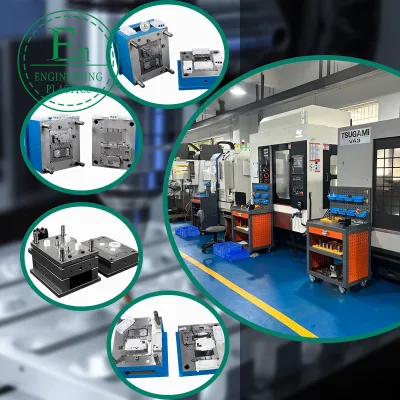


Degradable Plastics Injection Molding Parts Plastic Injection Molding Mold
$0.10 - $9.90
MOQ: 1000 Pieces


Comprehensive Sourcing Guide
Injection Mold Detector Sourcing Guide
Sourcing an Injection Mold Detector requires aligning technical detection capabilities with the specific demands of your molding environment. Buyers must evaluate how these devices integrate with existing automation systems, particularly when dealing with computerized injection molding machines or stamping presses. The detector’s ability to support big data analytics is a critical factor for modern manufacturing lines that rely on real-time monitoring and predictive maintenance. Understanding the interface between the detector and the host equipment ensures seamless data flow and operational efficiency.
Procurement teams should also consider the physical installation requirements, whether the system is designed for mobile or fixed deployment. The choice between automatic and lightly customized configurations will impact the initial setup time and long-term adaptability. Since these detectors are often used in automotive components, 3C accessories, and household appliance manufacturing, verifying compatibility with your specific production line is essential. A thorough assessment of the detector’s role within your broader quality control framework will prevent costly integration errors and ensure consistent product quality.
Product Scope and Observed Listing Signals
The current market for injection mold detectors reveals a diverse range of offerings, with observed prices spanning from $0.1 to $500,000 USD. This wide variance reflects differences in sensor precision, data processing capabilities, and integration complexity. Minimum order quantities typically range from 1 to 100,000 units, indicating that suppliers cater to both single-unit pilot projects and large-scale industrial deployments. Buyers should carefully analyze the price-to-feature ratio, as lower-cost options may lack the advanced analytics or robust build quality required for high-volume production environments.
Listing signals also highlight the importance of customization and application specificity. Many suppliers offer lightly customized or fully customized solutions tailored to specific molding methods, such as injection molding or stamping. The color options, often blue or grey, are primarily aesthetic, but the underlying technology must meet rigorous performance standards. Shipment methods by air or sea are standard, but lead times can vary significantly based on the level of customization and the supplier’s production capacity. Buyers must verify these logistical details to ensure timely delivery and minimal disruption to their manufacturing schedules.
Technical Specifications to Verify
When evaluating technical specifications, buyers must prioritize the detector’s compatibility with various molding materials and processes. The supplied data indicates that detectors are often used with thermosetting plastics, liquid plastic forms, and materials like HDPE and PVC. It is crucial to verify that the detector can accurately sense defects or anomalies across these diverse material types. Additionally, the surface finish process, such as polishing, and the mold material, including P20, 718, 738H, NAK80, or S136, can influence the detector’s performance and longevity.
The design software, such as UG, and the standard used, like DME or HASCO, are also key technical considerations. These standards ensure that the detector integrates smoothly with existing mold designs and manufacturing workflows. Buyers should confirm whether the detector supports multi-cavity molds and hot runner systems, as these features are common in high-efficiency production lines. Verifying the runner type and shaping mode is essential to ensure that the detector can provide accurate feedback without interfering with the molding process.
Compliance and Safety Documentation
Compliance with international standards is non-negotiable for injection mold detectors, especially in regulated industries like automotive and medical device manufacturing. Buyers must verify that suppliers hold relevant certifications, such as CE, ISO 9001, and TS16949. These certifications indicate that the supplier adheres to strict quality management and safety protocols. The presence of ISO 13485 is particularly important if the detector is used in medical applications, although this should be confirmed on a case-by-case basis.
Safety documentation should also include detailed information on the detector’s operational limits and maintenance requirements. Buyers should request test results and performance claims to validate the detector’s reliability under various operating conditions. It is essential to ensure that the detector meets all local and international safety regulations to avoid legal liabilities and production downtime. Working with suppliers who provide comprehensive compliance documentation helps mitigate risks and ensures that the equipment can be deployed confidently in your facility.
Cost Drivers and Commercial Terms
Several factors influence the total cost of ownership for injection mold detectors, including the level of customization, the complexity of integration, and the volume of units purchased. Suppliers often offer standard export cartons or steel box packaging, which can affect shipping costs and handling requirements. Buyers should negotiate clear commercial terms that include warranty periods, after-sales support, and training provisions. Understanding these terms helps in budgeting for both initial acquisition and long-term operational expenses.
Payment terms and lead times are also critical commercial considerations. Suppliers may require deposits or offer flexible payment schedules based on the order size and customization level. Lead times can vary significantly, especially for customized solutions, so buyers should establish clear delivery expectations and penalties for delays. It is advisable to request a detailed breakdown of costs, including any additional fees for installation, commissioning, or software updates. This transparency allows for more accurate cost comparisons and better negotiation leverage.
Supplier Qualification and Quality Control
Supplier qualification is a vital step in ensuring the reliability and performance of injection mold detectors. Buyers should conduct thorough due diligence on potential suppliers, verifying their manufacturing capabilities, quality control processes, and track record. Suppliers with a history of providing customized solutions and adhering to international standards are generally more reliable. It is also important to assess their ability to provide ongoing support and technical assistance throughout the product lifecycle.
Quality control measures should include regular inspections, testing, and validation of the detectors before shipment. Buyers should request quality assurance reports and certificates of conformity to verify that each unit meets the specified standards. Establishing a clear communication channel with the supplier for addressing any issues or defects is essential. Regular audits and performance reviews can help maintain high standards and ensure that the supplier continues to meet your evolving needs.
Long-Term Procurement Checks
Long-term procurement success depends on continuous monitoring and evaluation of the Injection Mold Detector’s performance. Buyers should establish key performance indicators (KPIs) to track the detector’s accuracy, reliability, and impact on production efficiency. Regular maintenance and calibration are essential to ensure that the detector continues to operate at peak performance. Suppliers should provide clear guidelines for maintenance and offer readily available spare parts to minimize downtime.
Feedback loops between the procurement team and the production floor are crucial for identifying any emerging issues or improvement opportunities. Buyers should regularly review supplier performance and explore opportunities for cost optimization or technology upgrades. Building a strong partnership with the supplier can lead to better pricing, priority support, and access to new innovations. By maintaining a proactive approach to procurement, buyers can ensure that their injection mold detectors continue to deliver value and support their manufacturing goals.
FAQs
How does an Injection Mold Detector connect to molding machines?
An Injection Mold Detector typically interfaces with injection molding machines and stamping presses through standard I/O or controller connections, monitoring cycle signals in real time. Installation can be mobile or fixed depending on the production layout. Confirm machine compatibility, signal types, and mounting requirements with the supplier before ordering, since compatible terminal equipment varies between models.
What certifications should Injection Mold Detector suppliers provide?
Look for CE and ISO9001 certification as a baseline quality indicator, since these confirm conformity and quality management practices. Some manufacturers also hold TS16949, which matters for automotive applications. Request copies of current certificates and verify scope covers the detector model you intend to purchase, because certificate scope can differ from general company registration.
Can injection mold detectors support big data analytics in production?
Yes, certain automatic Injection Mold Detector models support big data analytics, collecting cycle and defect data for quality monitoring. This helps identify abnormal molding conditions and reduce scrap rates. Verify data export formats, connectivity options, and software integration requirements with the manufacturer, since analytics capability and reporting depth vary across product configurations.
Which customization options are available for injection mold detectors?
Many suppliers offer light customization, and some list customization as fully available. Common adjustable aspects include color, such as blue or grey housing, and configuration for specific applications like automotive components, 3C accessories, or home products. Provide your machine type, monitoring points, and application details early so the manufacturer can confirm feasibility before quoting.
How are injection mold detectors packed and shipped?
Standard export cartons are a common packing method for detectors, while larger tooling shipments may use steel boxes. Shipping is generally arranged by air or by sea depending on order size, urgency, and destination. Confirm packing specifications, carton dimensions, and freight terms with the supplier, as packing choices can affect both protection and landed cost.
What application fields can injection mold detectors serve?
Typical application fields include automotive components, 3C accessories, and home products, with household appliances also common among listed uses. Detectors monitor molding and stamping processes to catch defects during production. Match the detector model to your specific equipment and product category, since sensitivity settings and integration methods may differ across these application environments.
Can buyers get pricing and MOQ flexibility for injection mold detectors?
Listed offers show wide variation in price and minimum order quantity, with some suppliers accepting single-unit orders and others requiring bulk quantities. Price typically depends on configuration, customization level, and order volume. Request quotations against your exact specification, including certification needs and shipment preference by air or sea, so suppliers can quote accurately.
Which injection molding standards apply to detector-equipped production lines?
Common production standards referenced across related products include HASCO and DME mold standards, alongside certifications like CE, ISO, TS16949, and FDA for specific applications. Detectors themselves are usually assessed under general quality systems rather than mold standards. Align detector selection with your line's existing standard environment and ask suppliers which norms their products are built to.